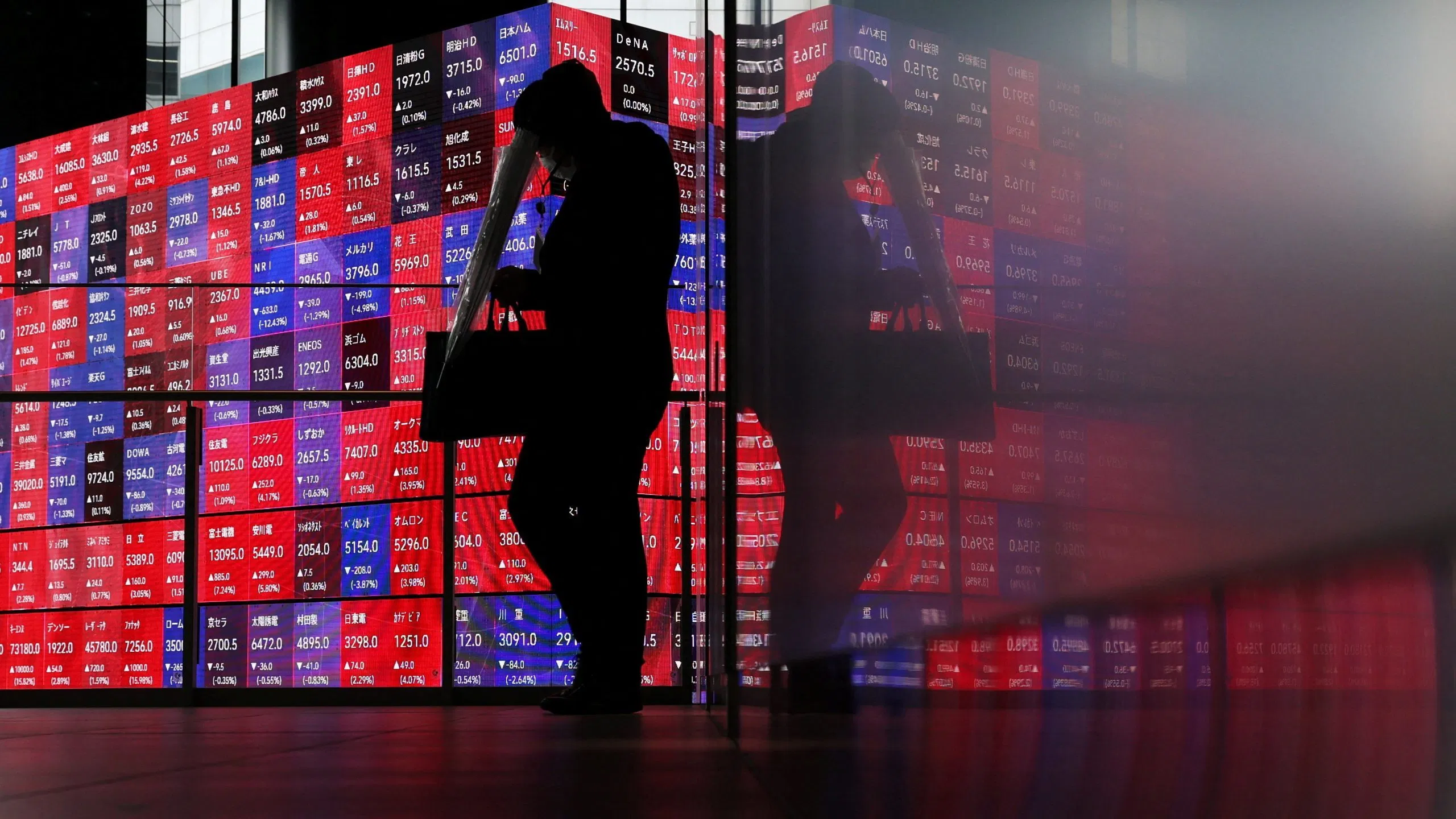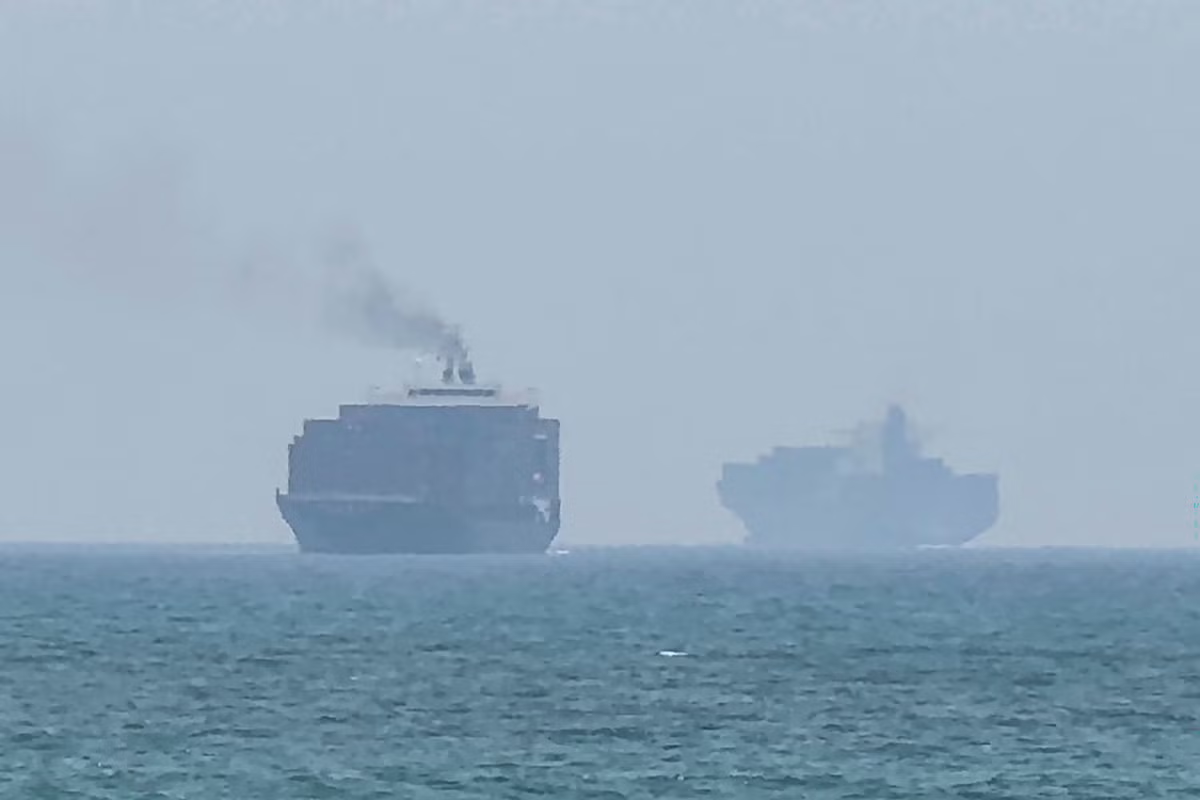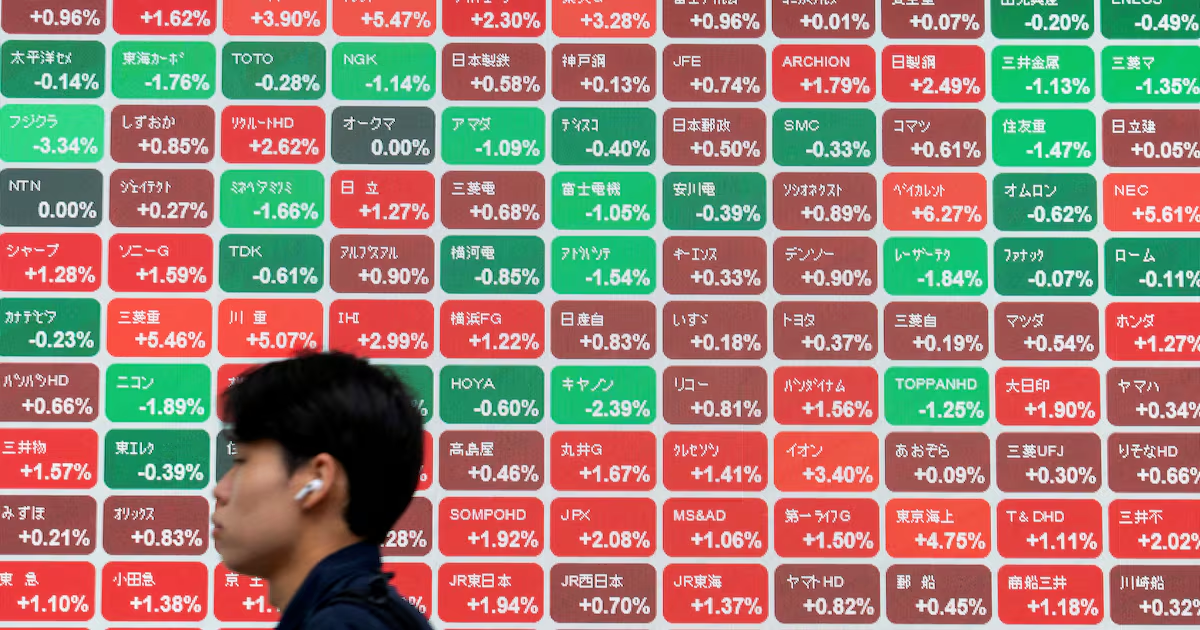
SINGAPORE: Oil prices rose and bonds were sold on Wednesday (Jul 8) as renewed fighting in the Middle East and US sanctions on Iranian oil threatened the ceasefire, while stocks took a breather as the record-breaking artificial intelligence rally starts to run short on momentum.Brent crude futures were up 2 per cent to US$75.60 a barrel, which is a long way below war peaks of above US$120 but enough to wobble the bond market by raising inflation risks, particularly since months of conflict have drawn down global inventories."Obviously the market doesn't like these attacks ... but it's not full-blown panic mode," said Jason Wong, senior strategist at BNZ in Wellington.The US strikes are the latest challenge to last month's peace framework and targeted air defences, coastal surveillance and drone launch sites, a US official told Reuters. Iran's military command vowed a "crushing response".
Washington also moved to withdraw a concession allowing Iran to sell oil on the global market, which Iran's foreign ministry said breached the framework deal to end the war.Ten-year US Treasury yields, which rise when prices fall, climbed about three basis points to a one-month high of 4.565 per cent."Just when we thought we could put the geopolitical risk premia to bed ... we were certainly reminded that this peace deal is very much still a process," said David Chao, Asia-Pacific global market strategist at Invesco in Singapore."I think where Brent (is) currently, it's still trading at levels that I think are not factoring in some of the continued flare-ups from the Middle East."Data this week showed stocks of crude in the US Strategic Petroleum Reserve hit their lowest level since 1983, leaving markets more vulnerable to future supply shocks.In currency markets, the dollar, which had come off recent highs, was firm and pushed the euro back to just above US$1.14 and climbed past 162 yen, raising the risk of a pushback from Japanese authorities.The New Zealand dollar blipped about 0.5 per cent higher to US$0.57 after the Reserve Bank of New Zealand raised interest rates, as traders had largely expected.Asian equity markets made a shaky attempt at staying steady through Wednesday, with gains in Hong Kong helping MSCI's broadest gauge of Asian stocks outside Japan stay flat, while South Korea's chip-heavy market fell 1.5 per cent.Overnight, the Nasdaq fell through its 50-day moving average as a negative market reaction to blockbuster results at Samsung Electronics put the AI rally on notice.Samsung flagged a 19-fold increase in profit but the stock fell 7 per cent on Wednesday, and the jitters echoed round global markets, pulling the Philadelphia semiconductor benchmark down 4.6 per cent. Samsung shares were volatile and last down 3 per cent."Short-term profit taking on long-term winners, particularly the AI theme, appears to be a global dynamic," said Sara Perring, Head of APAC Cash Equity Sales at JP Morgan."According to JP Morgan Research, we should expect elevated volatility and continued foreign selling in Korea equities in the near term. We would look to add on dips in AI, AI-adjacent exposures, wealth-effect plays, and financials given our fundamentally constructive view for the longer term."