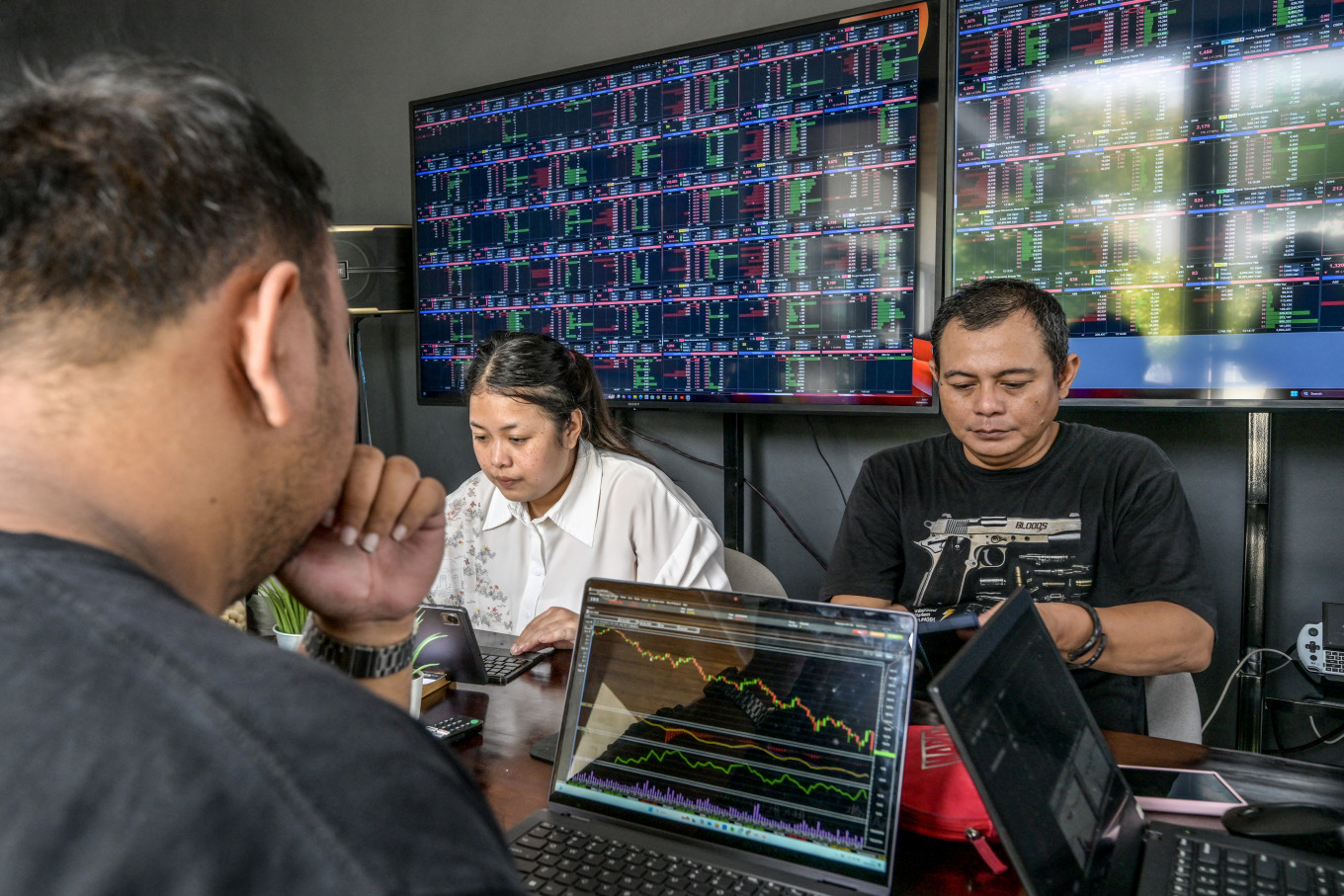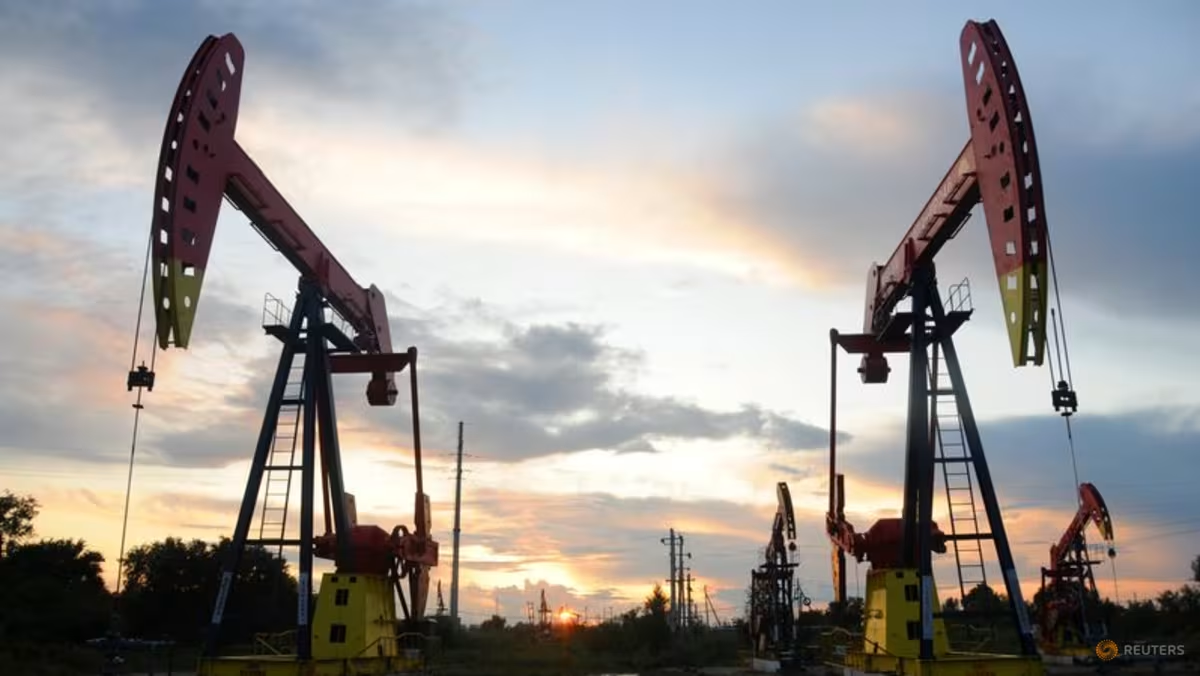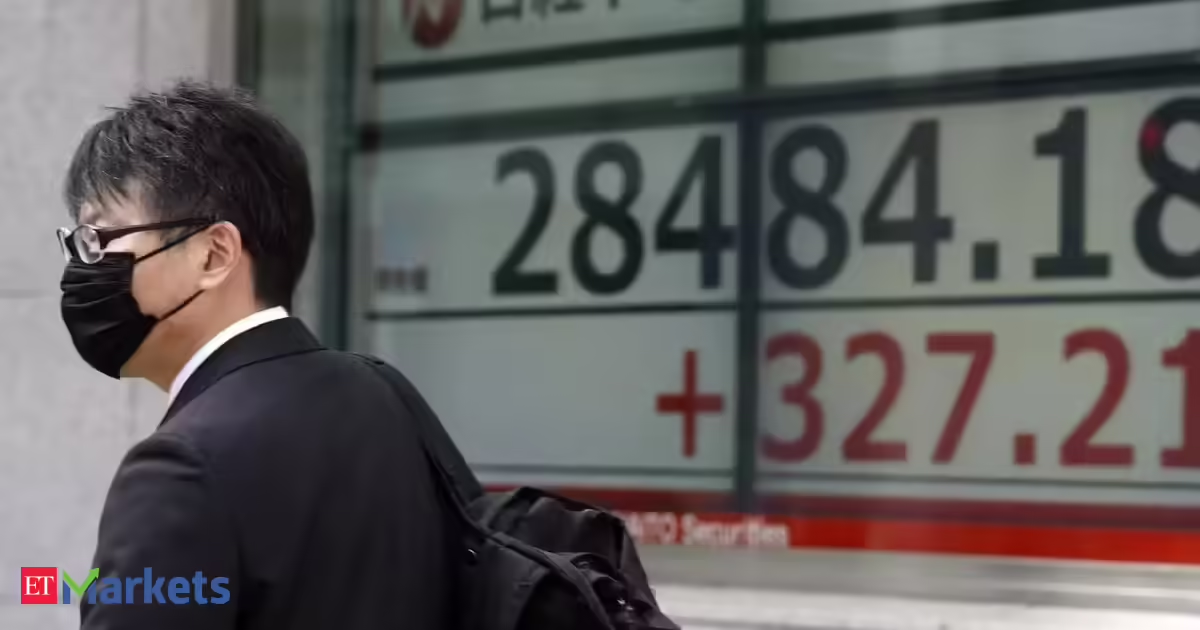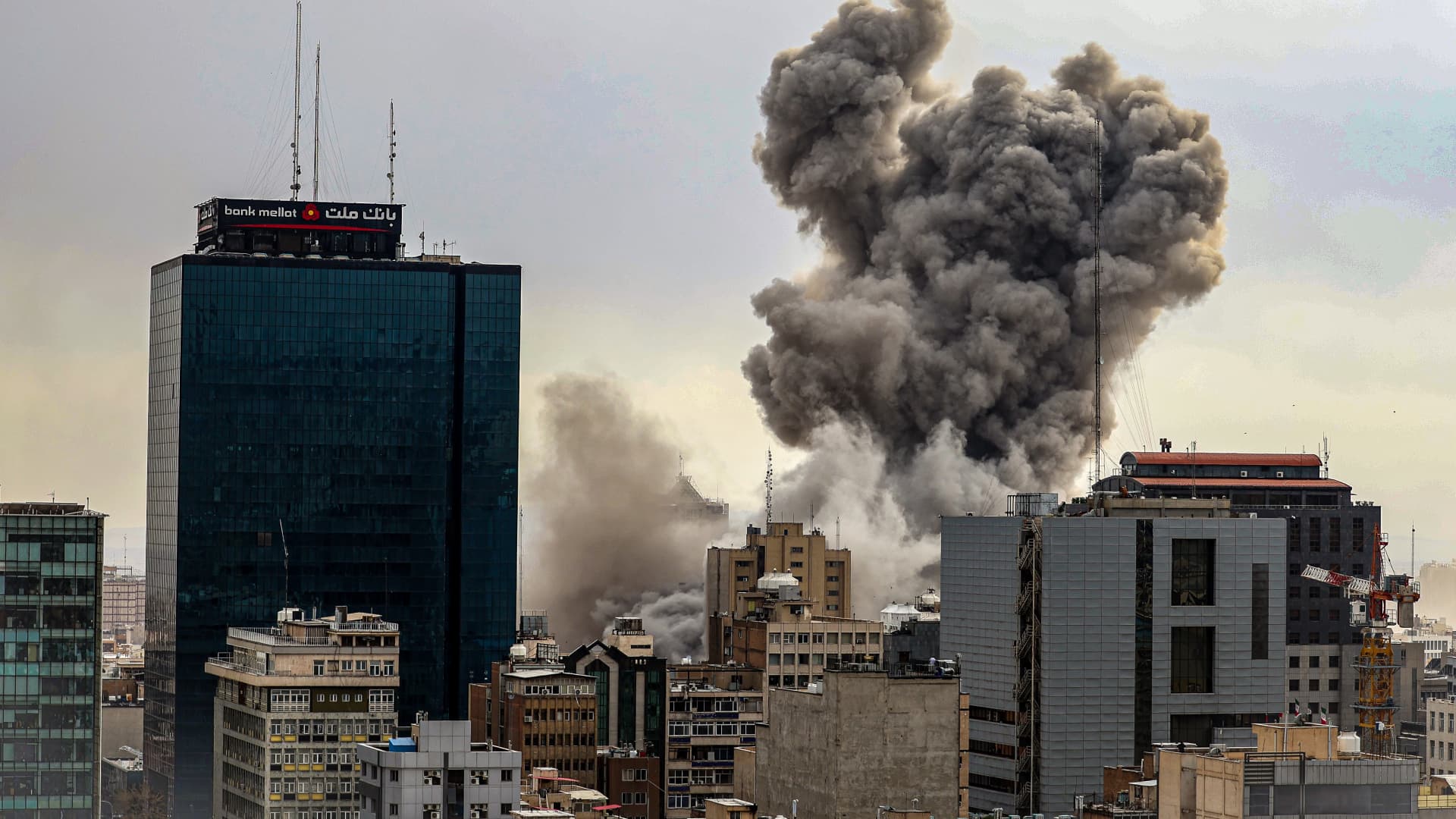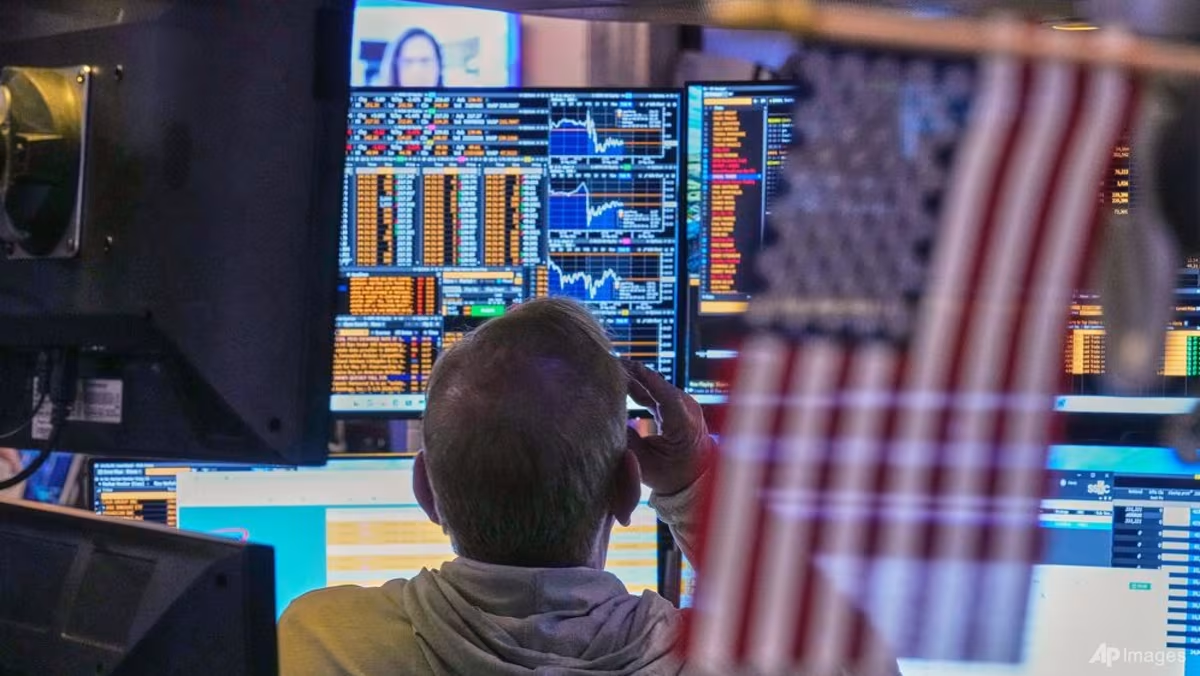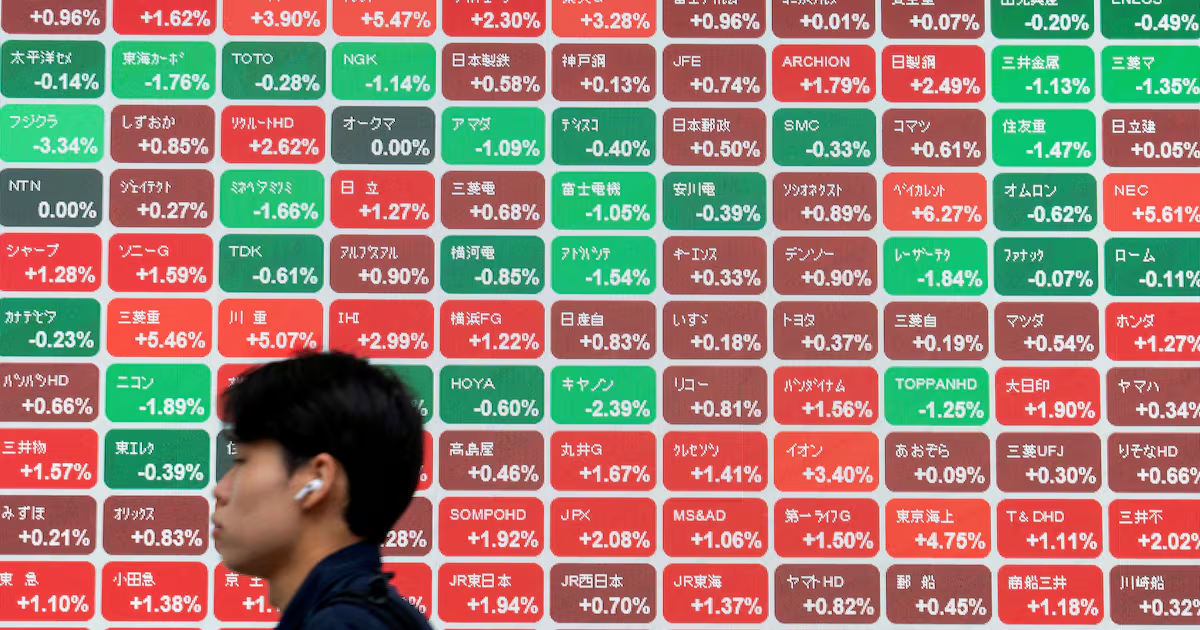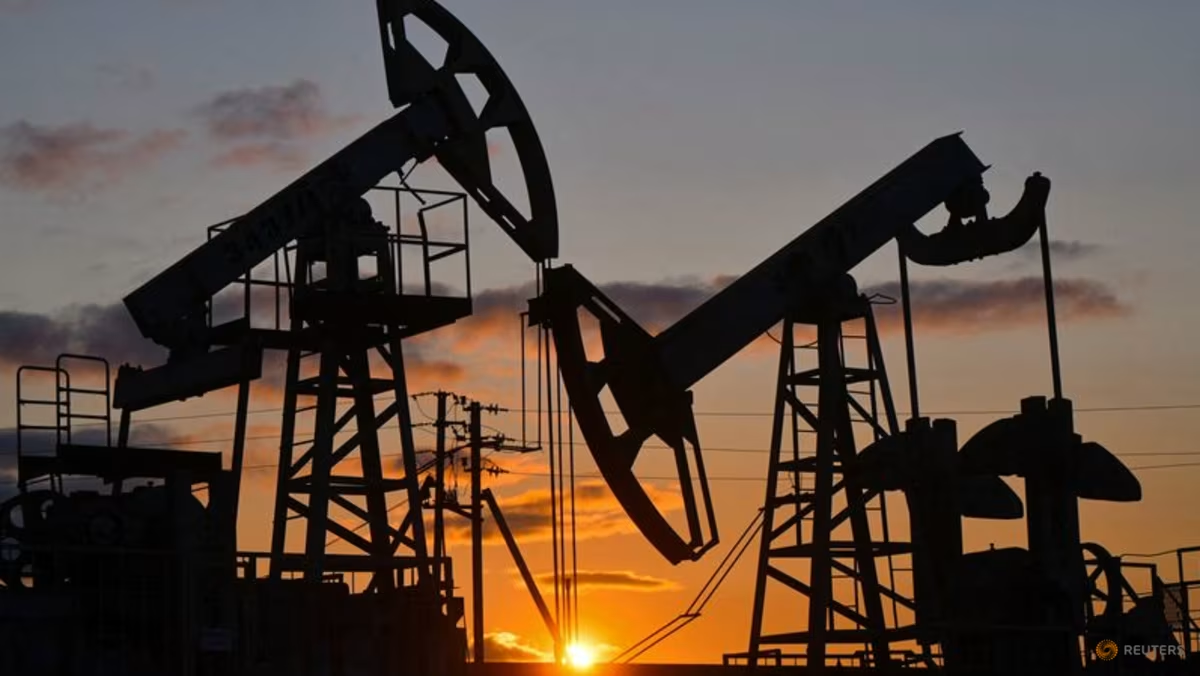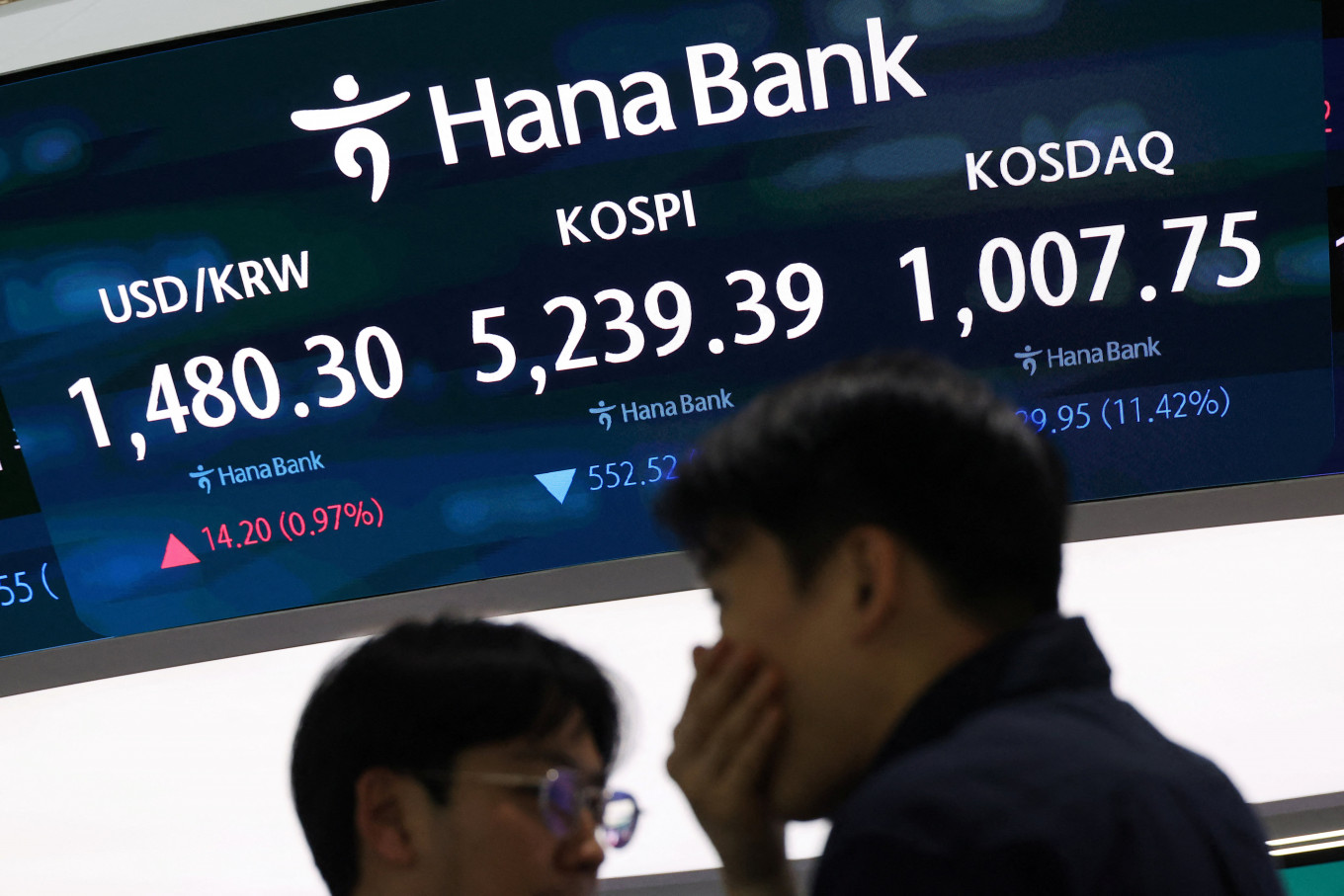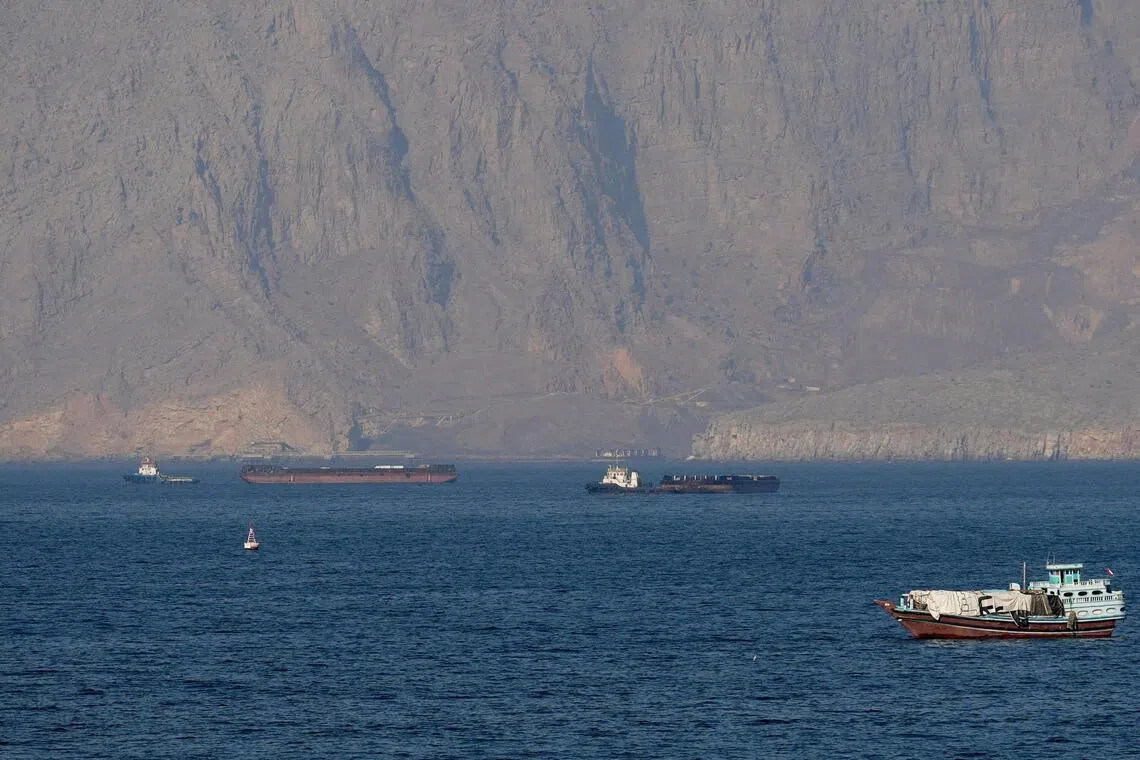
Asian shares on July 9 erased their earlier gains as a rally in semiconductor stocks lost momentum. Oil climbed after the US struck Iran for a second day.The MSCI Asia Pacific Index fell 0.2 per cent, after earlier gaining as much as 1 per cent. South Korea’s tech-heavy Kospi gauge dropped 1.5 per cent, while futures for Wall Street indexes also edged lower.The chip sector remained in focus after SK Hynix’s US listing was more than seven times oversubscribed, sending its Seoul-listed shares up as much as 9.3 per cent, before paring gains. Meanwhile, Bain Capital sold its entire stake in flash memory chipmaker Kioxia Holdings, whose shares have risen more than 650 per cent in 2026.Brent rallied for a third day, climbing above US$79 a barrel as the latest US strikes stoked concerns the Middle East conflict will disrupt shipping through the Strait of Hormuz.Government bonds in Australia and New Zealand slipped following a sell-off in global debt on July 8 as traders increased bets the Federal Reserve will raise interest rates. Treasuries were little changed in Asia. Non interest-bearing gold steadied after three days of losses to trade around US$4,075 an ounce.The flare-up in Middle East tensions and surge in oil prices have reignited inflation concerns, prompting money markets on July 8 to bring forward bets on the next Fed rate increase to October from December. Investors nonetheless returned to chipmakers as optimism over AI spending offset some of the broader macro concerns.“While the development in the Middle East remains a concern, the market does not appear to view it as a time to retreat completely from equities,” said Takashi Ito, a senior strategist at Nomura Securities. “The prevailing logic is that investors can continue to invest in AI and chip stocks, where high long-term returns are expected.”Investors are also focused on the bond market after the slump on July 8.The two-year Treasury yield, which is sensitive to expectations for Fed policy, rose as much as five basis points during the US session to 4.23 per cent, within a basis point of June’s high. The 10-year yield climbed as much as four basis points to its highest since late May.A few Fed officials in their most recent policy meeting said there was a case for raising rates, though they ultimately supported the decision to leave borrowing costs on hold. More generally, minutes of their June gathering reflected growing concern over inflation just as worries over the labour market slightly receded.Meanwhile, veteran strategist Ed Yardeni said the rupture in the ceasefire between the US and Iran risks sparking a fresh acceleration in price growth, which in turn could compel the Fed to raise rates.The additional strikes were launched “to further degrade their ability to threaten freedom of navigation in the Strait of Hormuz”, the US Central Command said in a social media post.“The immediate message is clear,” said Hebe Chen, a market analyst at Vantage Global Prime. “Chaos trade is back on the table, with oil, gold and safe havens suddenly pulled back into focus by one word the market was not positioned for.” BLOOMBERG
Asian shares lose momentum, oil gains as Gulf hostilities resume
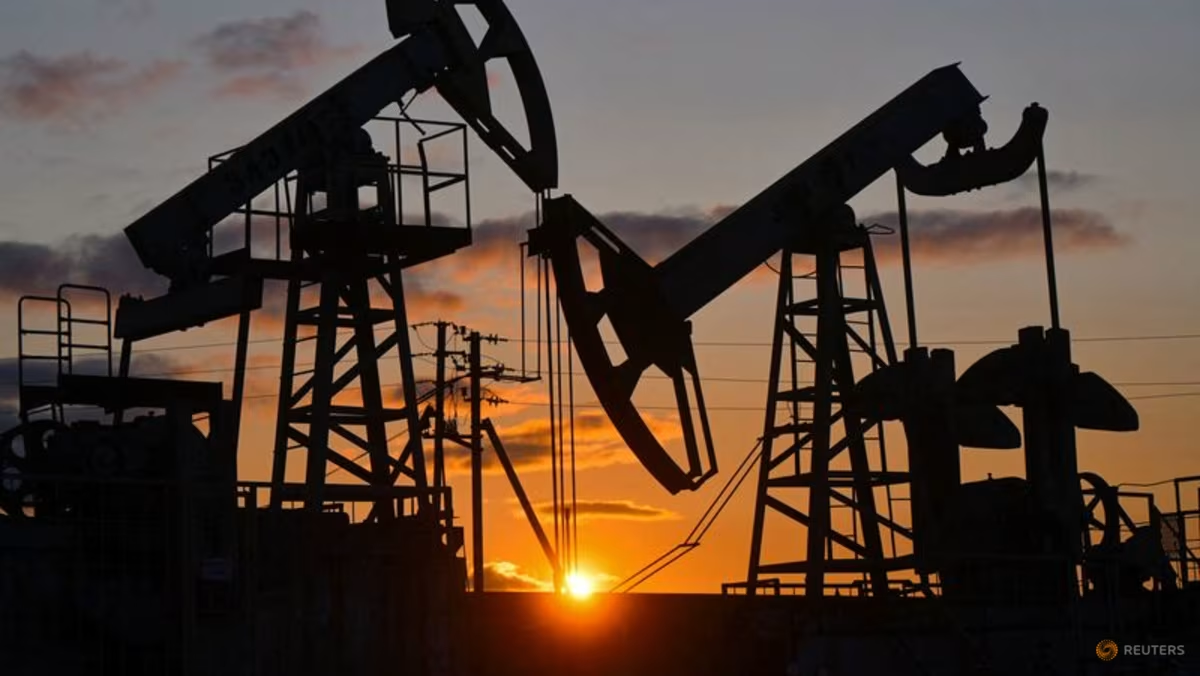
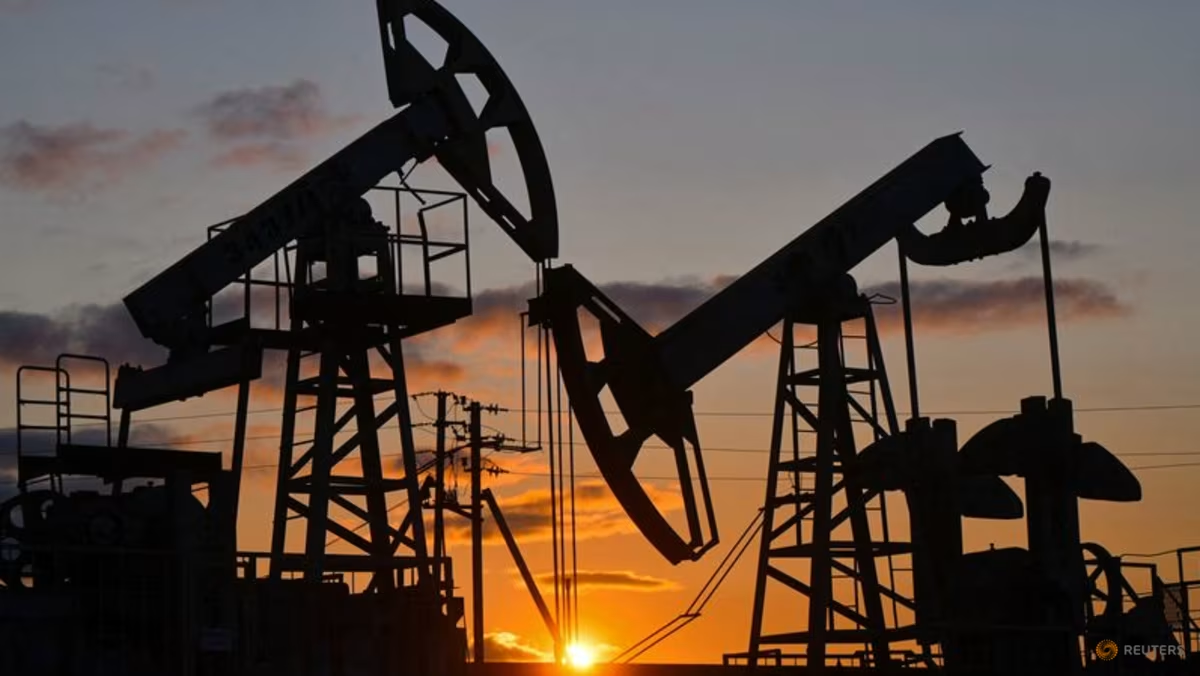
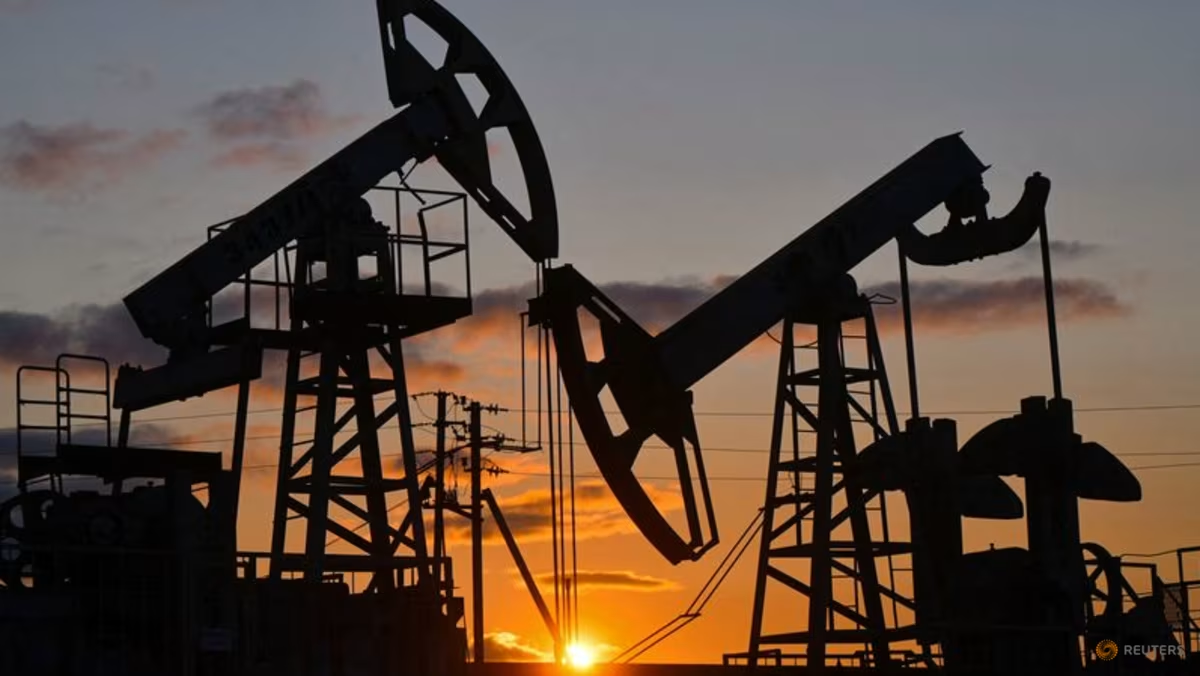
Oil prices have risen above US$79 a barrel due to conflict fears disrupting shipping through the Strait of Hormuz. Read more at straitstimes.com. Read more at straitstimes.com.
516 words~2 min read