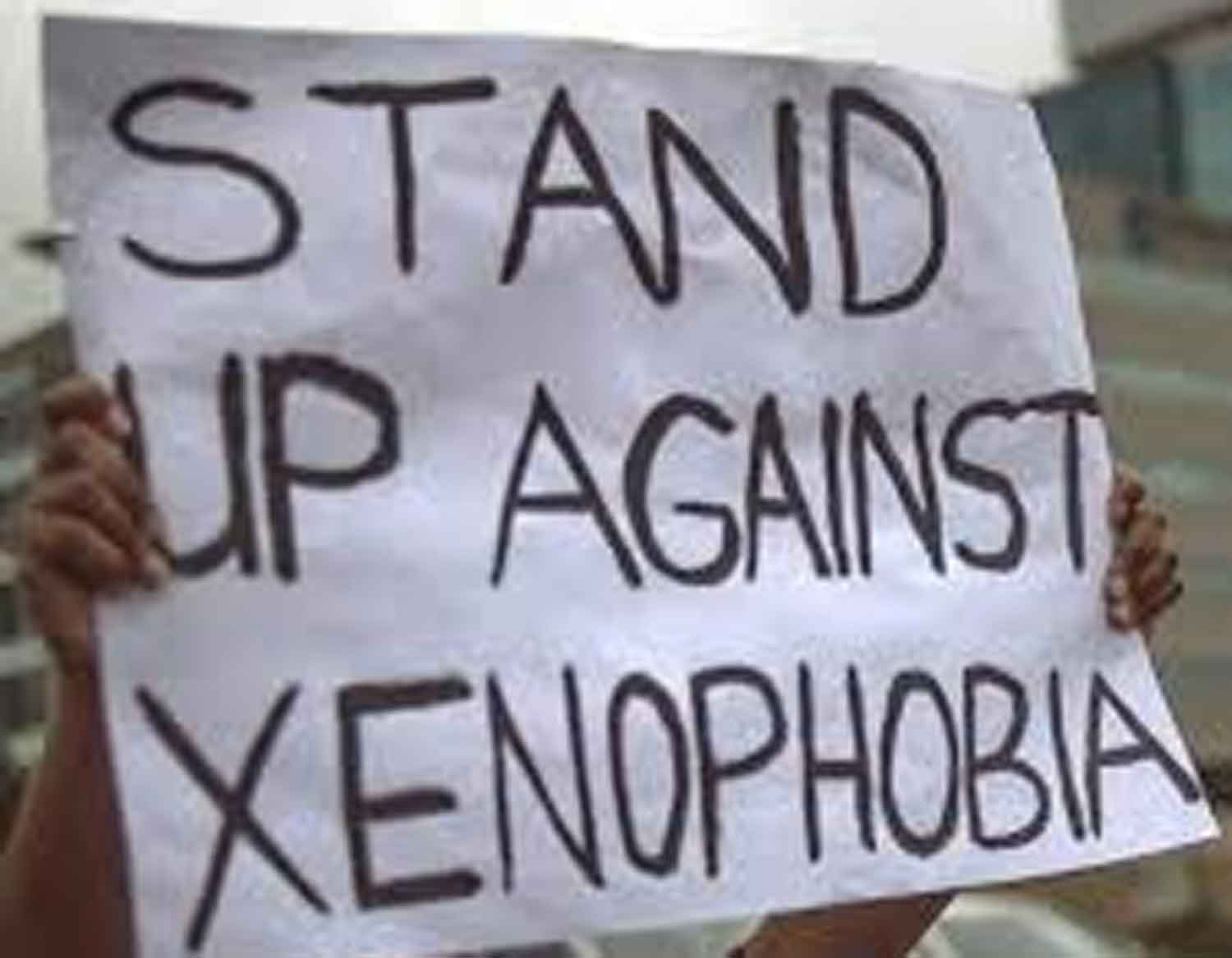
Explore the persistent issue of xenophobia in South Africa and its devastating economic impact, as revealed through a study of violence against foreign-owned spaza shops.
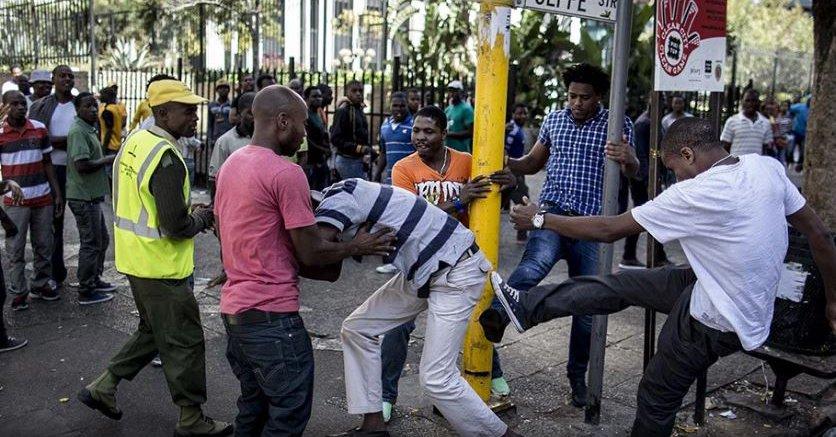
When I completed my master’s dissertation in 2019 on violence against foreign-owned spaza shops in Soweto, one uncomfortable conclusion stayed with me long after the research was complete: South Africa had not solved xenophobia.
My study was prompted by a longer history of xenophobic violence in the country, particularly the 2008 attacks that drew national and international attention, followed by further outbreaks in 2015 and 2018.
What concerned me was that violence against foreign spaza shop owners remained under-examined, especially from the perspective of local residents who had witnessed these attacks but were not necessarily direct perpetrators or victims.
The violence of 30 June 2026, which saw businesses close, foreign nationals flee their homes, communities gripped by fear and police deployed across several provinces, confirms precisely that.