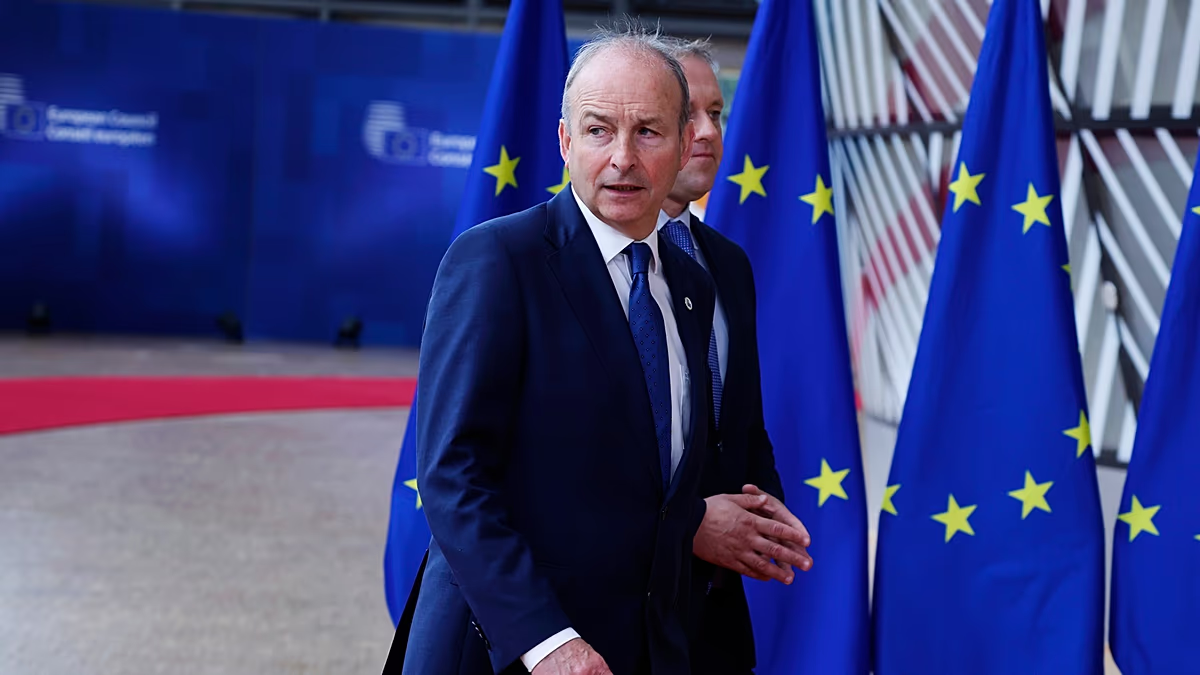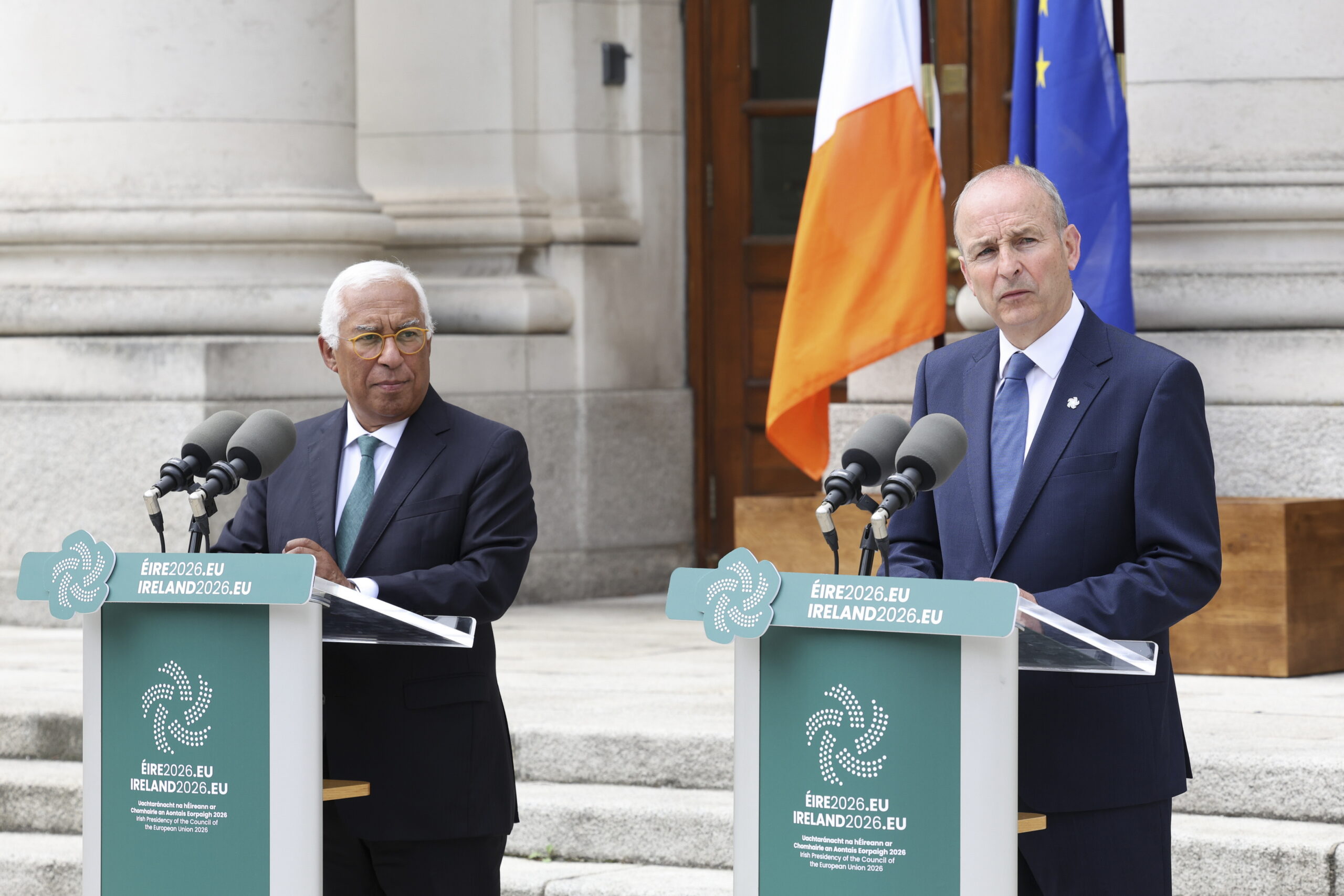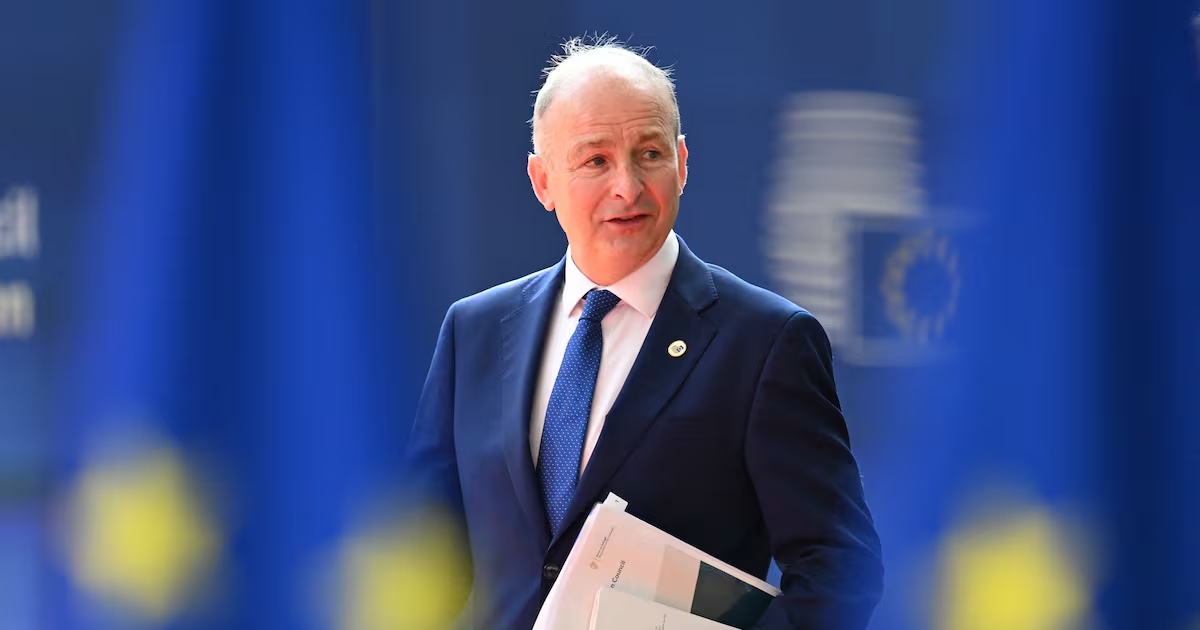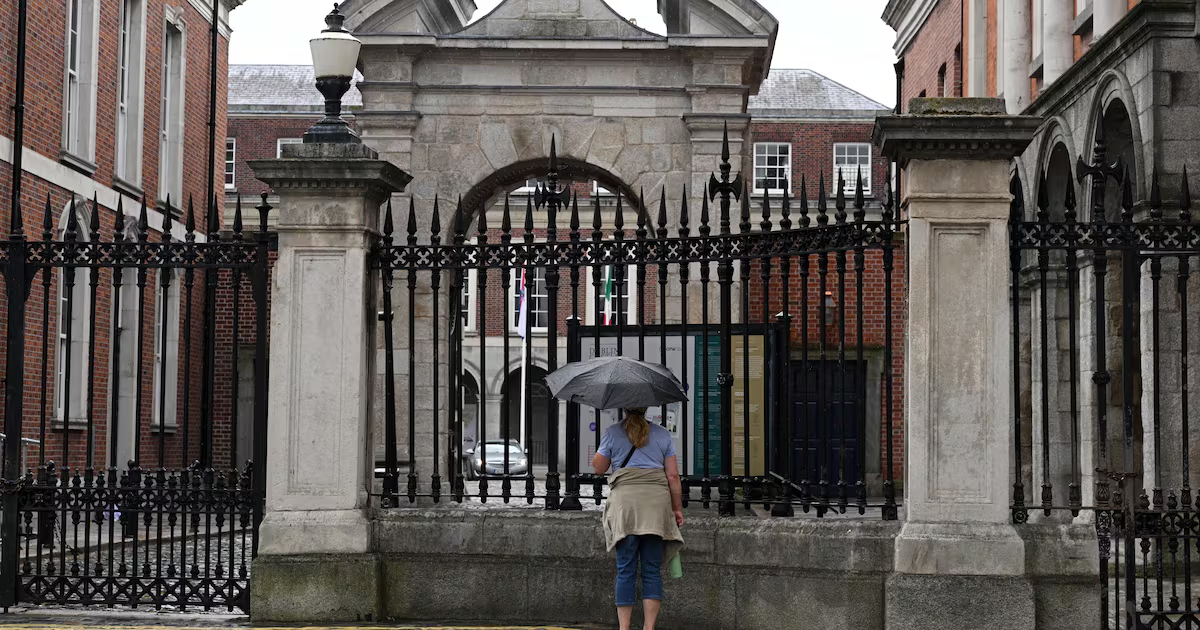
The story a government tries to tell about itself during its six-months of spotlight on the European stage can be revealing. I was back in Ireland last week for several days of shindiggery kicking off Ireland’s Council of the EU presidency. I should have kept a log tracking the amount of times someone from Government mentioned how the role would involve becoming an “honest broker” in the EU policymaking system. A close runner-up would have been the phrase ní neart go cur le chéile (there’s no strength without unity), the official slogan of Ireland’s presidency. It can be difficult for the backroom goings-on of EU affairs to cut through at home, beyond an engaged bubble of civil servants, diplomats (serving and retired), politicos and civil society heads. A successfully run EU presidency may win no votes. Maybe more interesting than any domestic messaging from a government is the outward image it looks to project during its time in the deal-making role.I got a flavour of how the Irish Government hoped to position itself while travelling among a group of about 60 journalists from the Brussels press corps brought to Dublin and Cork, to mark the start of the EU presidency. It’s a tradition that the country assuming the council presidency arranges a press trip, which is usually a mix of briefings, press conferences and some cultural shtick. The Council of the EU is the institution where the 27 national governments have their say on the laws and regulations being crafted in Brussels. The presidency rotates between member states every six months, so it falls to Ireland to chair discussions and keep the agenda ticking until the end of this year. There will be 22 minister-level EU meetings hosted in Ireland, a summit of European leaders, scores of lower-level working group meetings and conferences on housing and AI. This is the eighth time Ireland has held the presidency since joining the European Economic Community (a forerunner to the EU) in 1973. It’s a rule of thumb that newer member states make a bigger effort to impress during a presidency than more established countries in the union. Ole Ryborg, a Danish broadcaster who has reported from Brussels since 1988, recalls a trip to Ireland in the 1990s. The visiting journalists were each handed a whole side of smoked salmon, a bottle of whiskey, and a CD of traditional Irish music to take back home. You wouldn’t get that kind of carry-on past the Department of Public Expenditure these days. It’s an anecdote Ryborg fondly wheels out three decades later, so maybe there was value for money in whatever all that salmon and booze set the government of the day back. There was no such bounty for the group of journalists brought to Ireland last week. They were gifted a tote bag with an EU presidency branded notebook and pen. Taoiseach Micheál Martin spent a good deal of time over the three days fielding questions from the visiting correspondents about Aughinish Alumina’s role exporting raw materials to Russia. The controversy will continue to dog the Government in Brussels and at home. What else were the politicians saying? There were lots of references to Ireland’s transformative experience of EU membership. The Government would love the symbolism of being able to nudge forward the next phase of enlargement during its presidency. Denmark and Poland used their time in the role to talk about Europe’s security and defence. Cyprus, which held the presidency before Ireland, underlined the Mediterranean island’s position as an important bridge between the Continent and the Middle East. The Irish programme arranged for the European press corps highlighted work being done on maritime security and the protection of undersea internet data cables, perhaps in an effort to rebut the criticism that Ireland remains the weakest link in Europe’s security chain. There was a visit to the Tyndall Institute’s semiconductor research lab in Cork and the Guinness Storehouse in Dublin. These days the Department of Foreign Affairs is cautious about leaning too heavily on the crutch of the craic and the drink when playing host, but sometimes you have to give the people what they want. The European media particularly enjoyed a performance of Irish dancers in the Guinness Storehouse. “You can also do it?”, one curious Spanish journalist asked about my own high-kicking abilities. “Ehh, no”, came my response. The sight of myself and RTÉ’s Tony Connelly suddenly springing up from our seats to join the line of Irish dancers in perfect step would surely have delivered a bit of wow factor. The budget overrun from putting the pair of us through intensive Irish dancing lessons would have been exorbitant though. Cheaper to go with whiskey and some smoked salmon, or failing that a sturdy tote bag.
Irish dancing and undersea cables: EU presidency is a chance to tell a story
Europe Letter: Newer EU member states feel keen pressure to impress when playing host
794 words~4 min read