We must tell ourselves uncomfortable truths about insecurity and those who enable it, argues TOLULOPE OGUNMUKO
I am by no means a security expert. My expertise lies elsewhere: in understanding how the human body works – including how it defends itself against threats. Doctors spend years studying what happens when protective systems fail. Once the body’s defence mechanism begins to break down, trouble is rarely far behind.
The body’s security can be compromised by external or internal factors. External invaders such as bacteria, viruses and parasites are relatively easy to understand. Internal threats are often more complicated. Many medics would agree that severe autoimmune diseases can be among the most difficult conditions to treat. In those situations, the body essentially attacks itself.
Ironically, HIV, once considered a death sentence, can now be controlled remarkably well with modern medicine. Yet severe autoimmune diseases still leave specialists scratching their heads. No amount of rice, protein shakes, herbal mixtures, prayers, or wishful thinking can correct a malfunctioning immune system. What is required is targeted treatment.
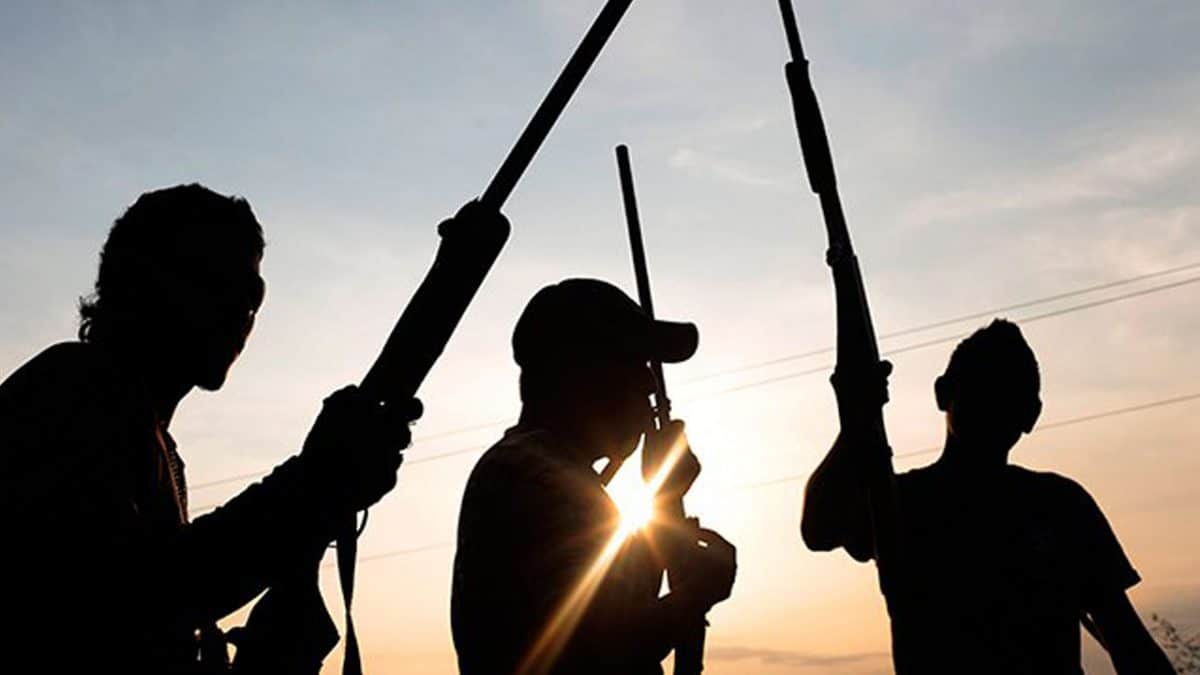
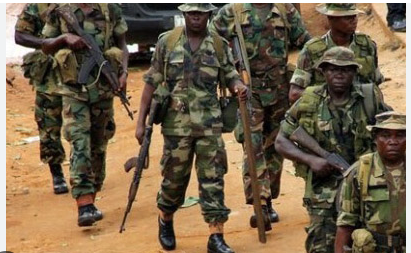
As I reflect on Nigeria’s security situation, I cannot help but think of autoimmune diseases. Nigeria’s security architecture has been breached repeatedly over the years. Yet it is only now, with insecurity spreading into North-Central and Western Nigeria, that many people seem to appreciate the scale of the problem. The reality, however, is that this disease has been festering for a long time. We simply did not appreciate how sick the patient had become.