Support CleanTechnica's work through a Substack subscription or on Stripe.
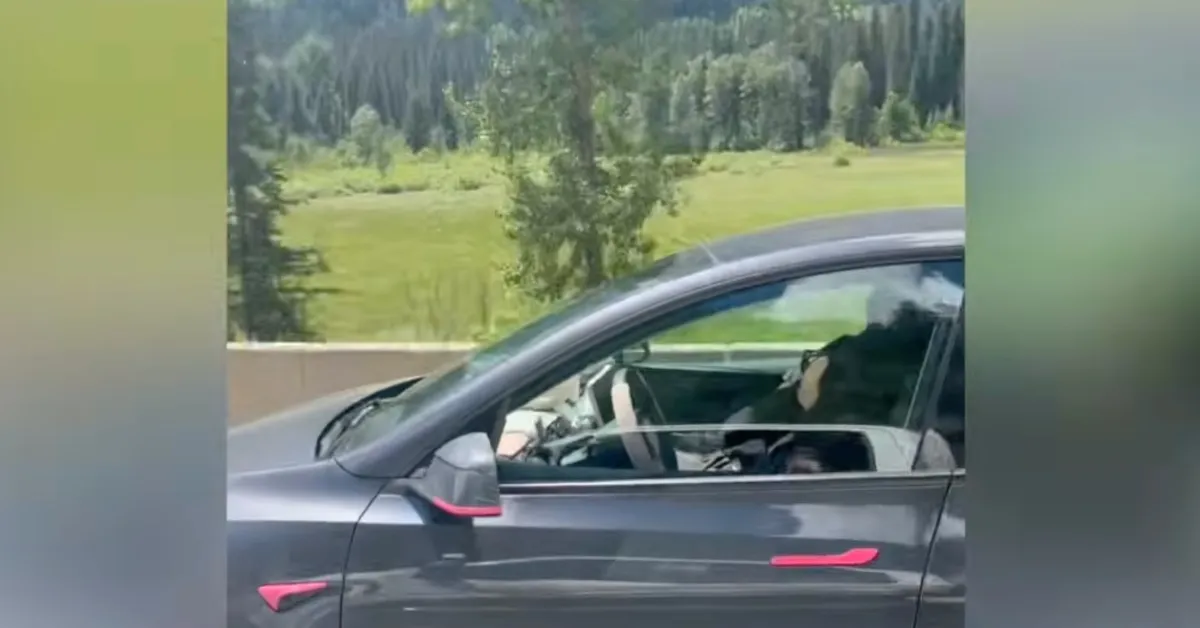
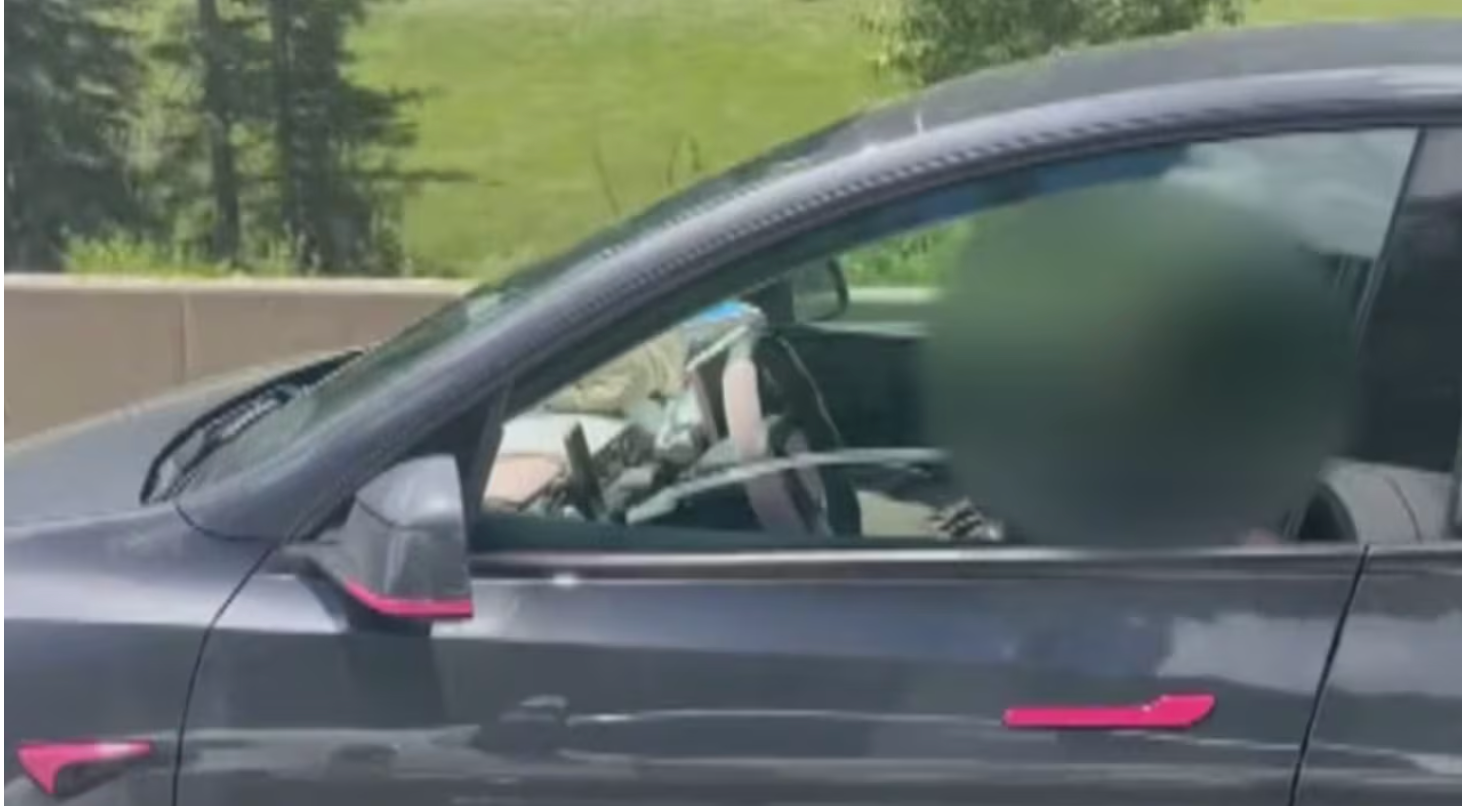
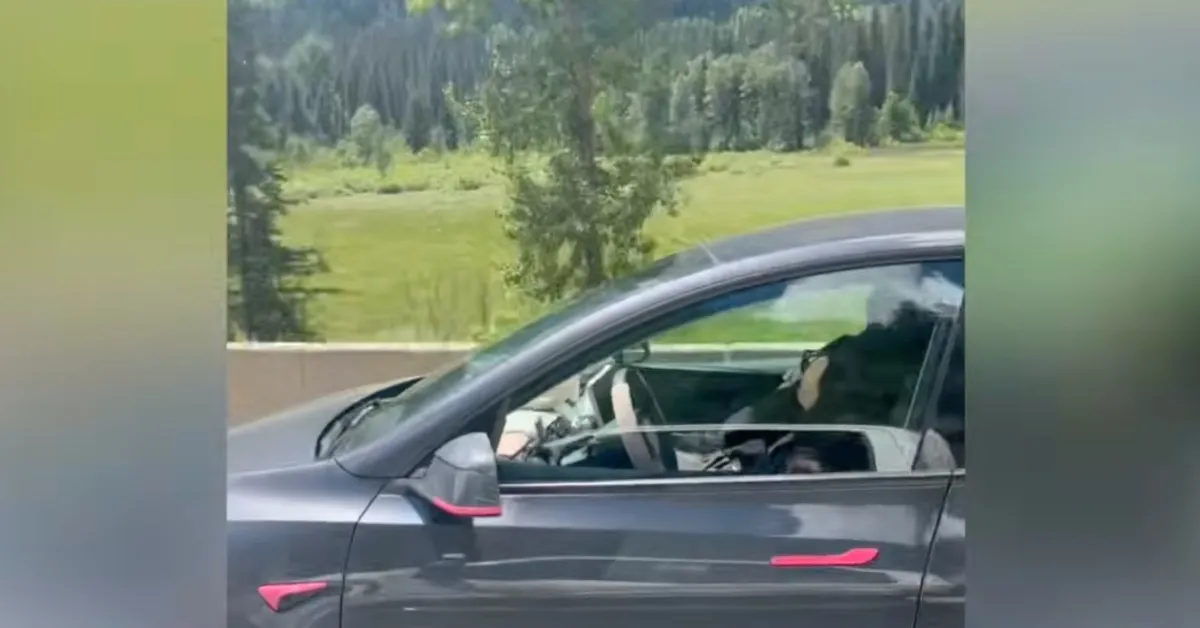
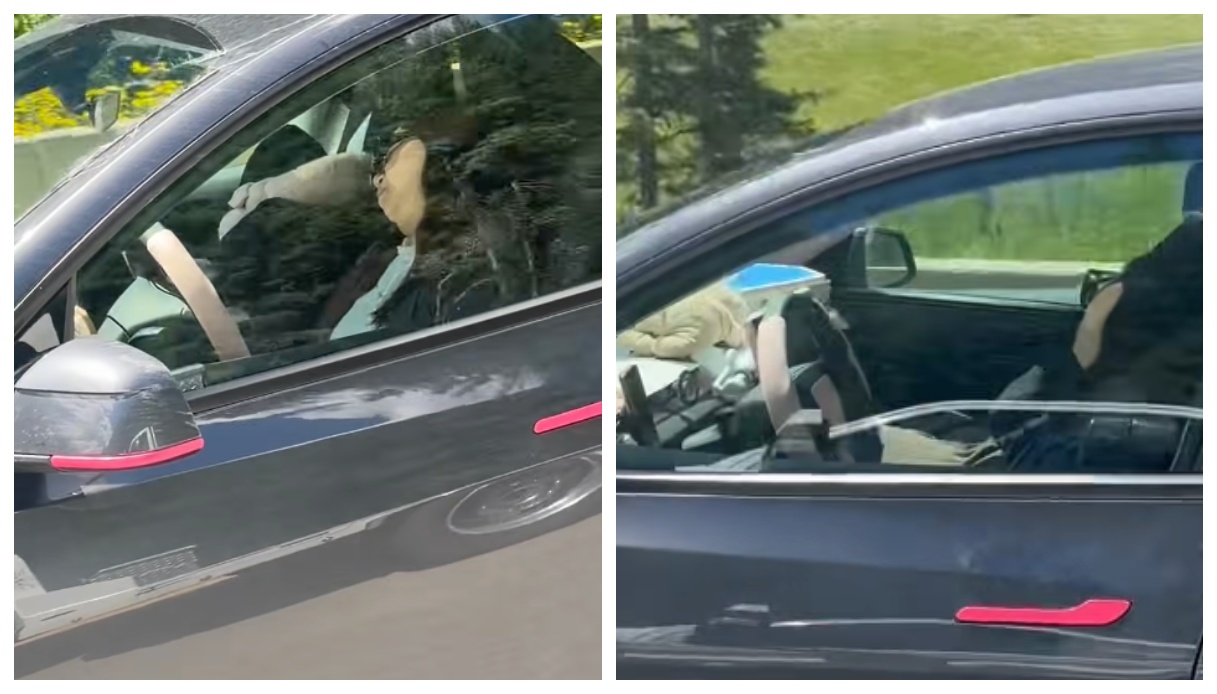
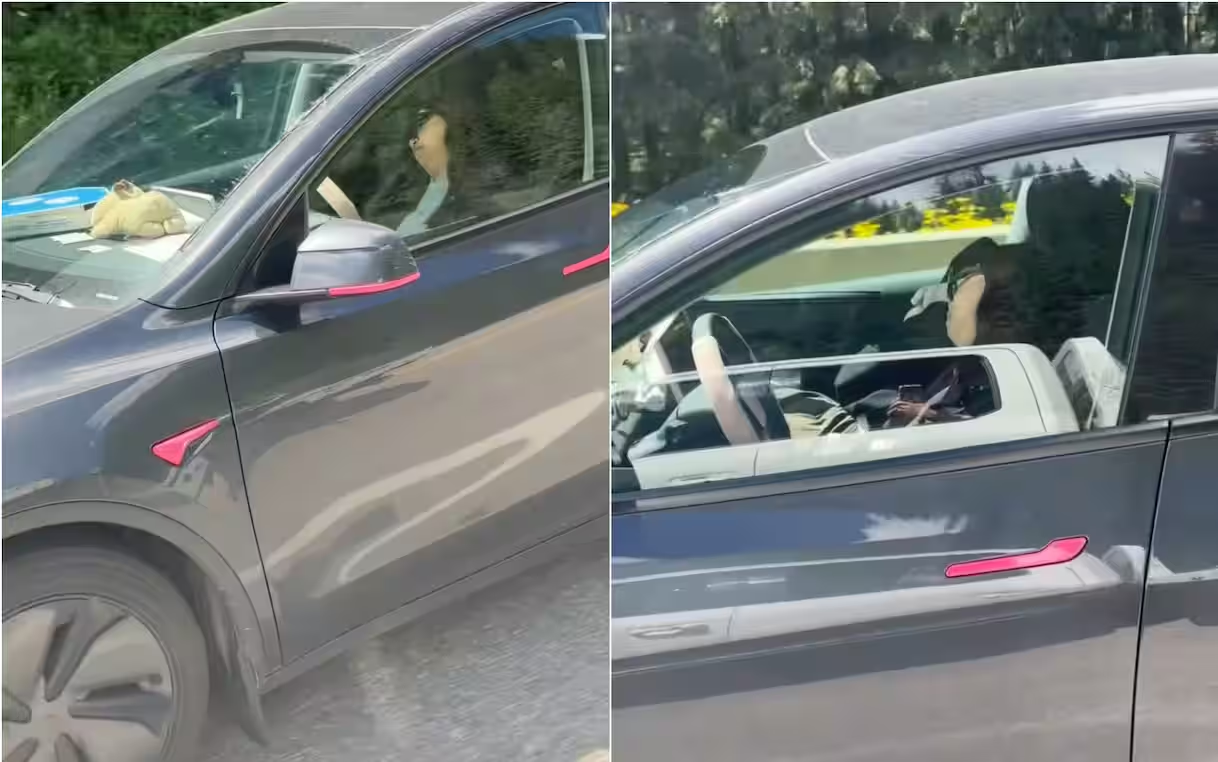
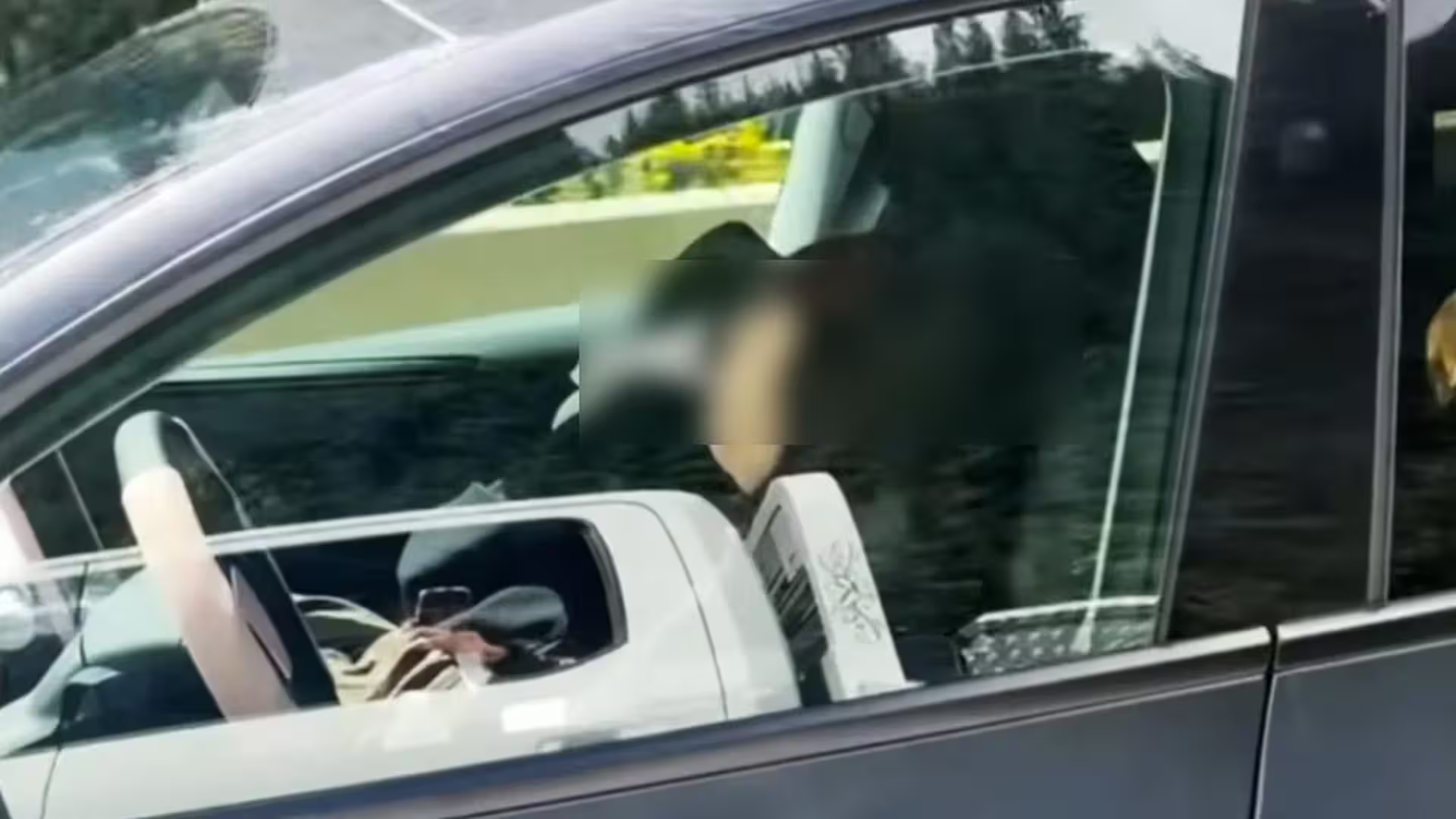
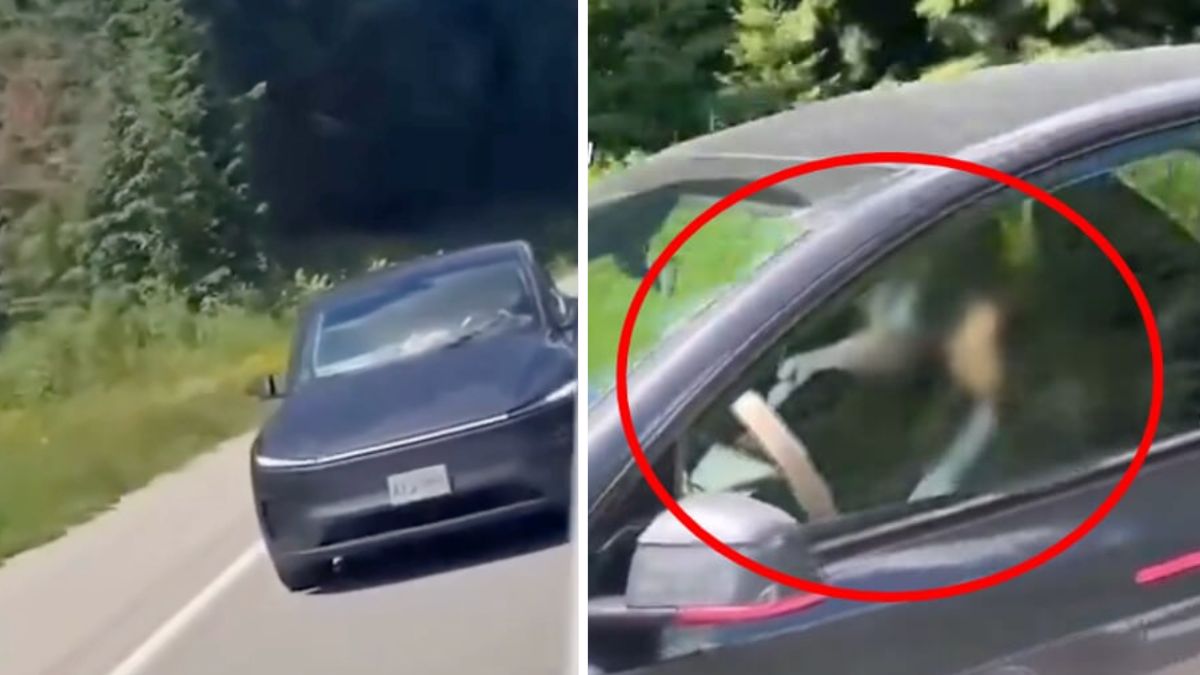
The video above has been making the rounds on the internet. Supposedly, the incident occurred in Canada and shows a Tesla driving while using Full Self Driving (Supervised) at around 100 km/h on a two-lane road while the driver is soundly asleep behind the wheel. It quickly went viral on social media.
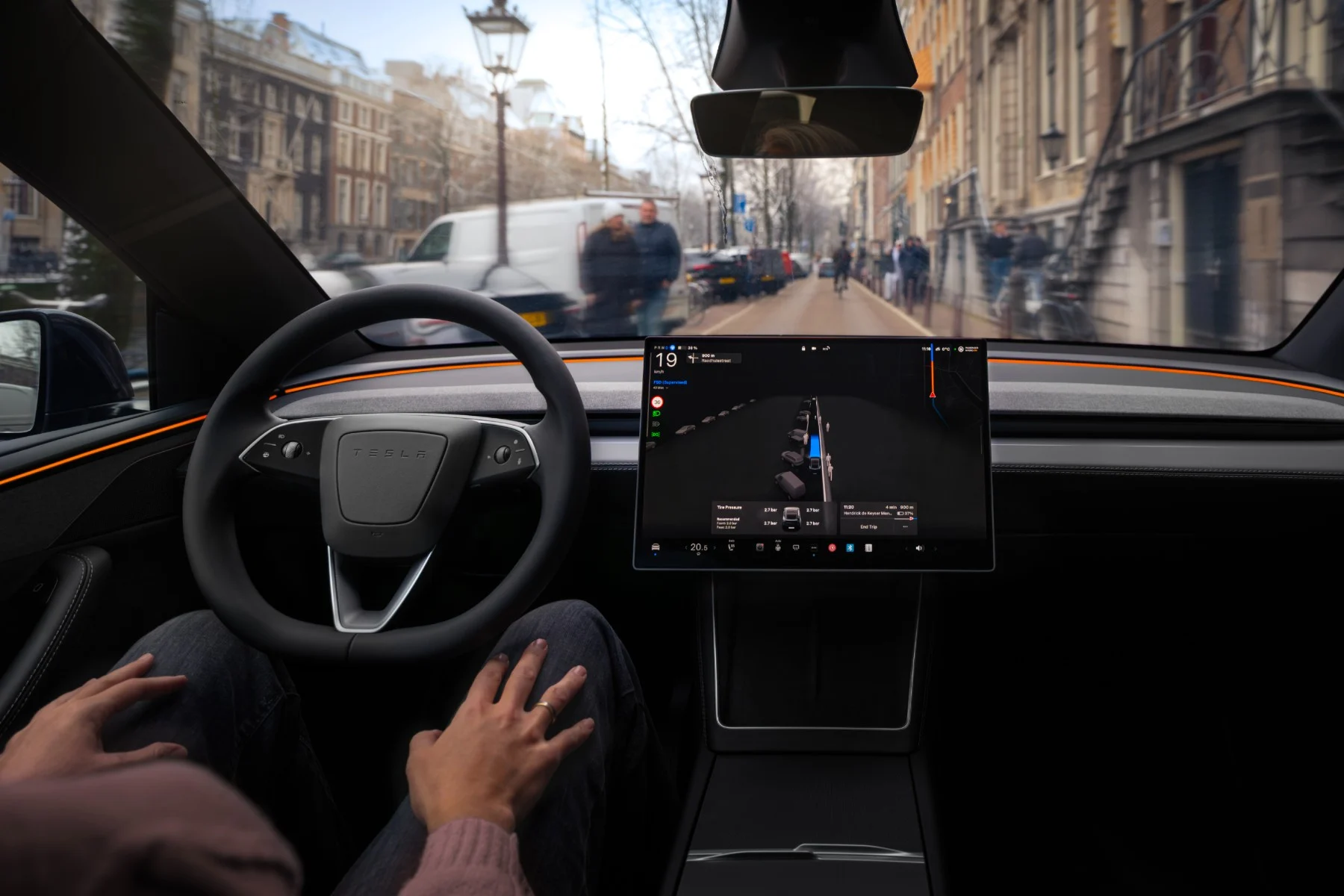
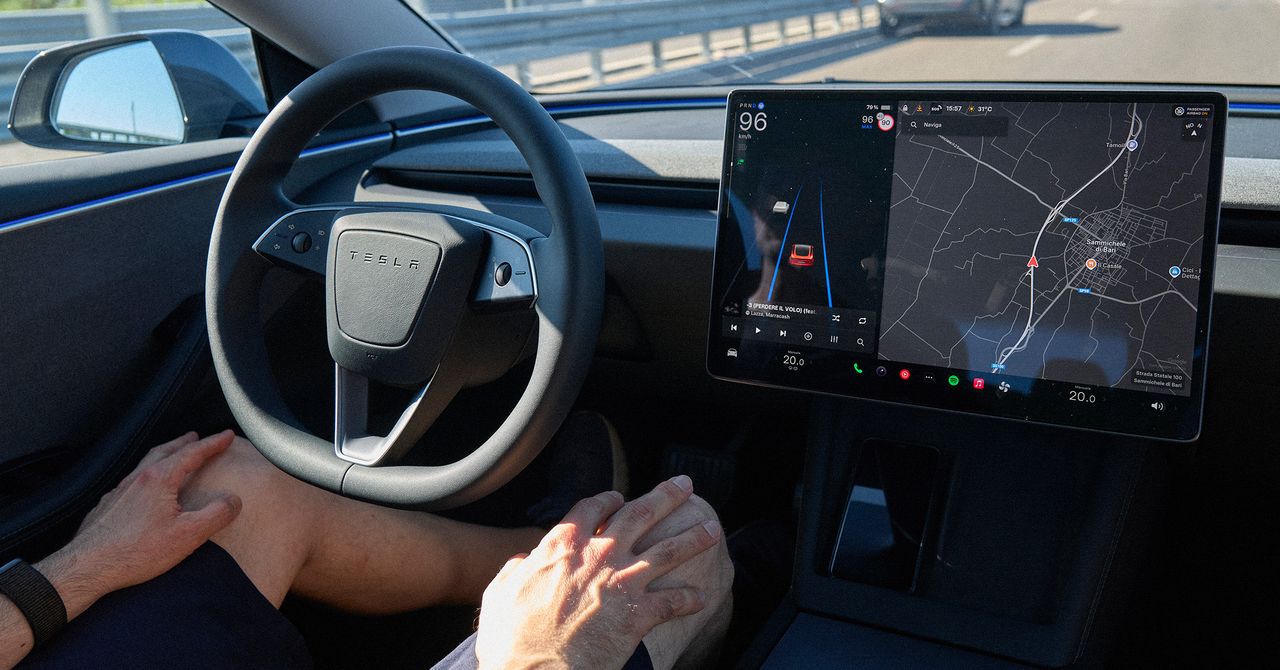
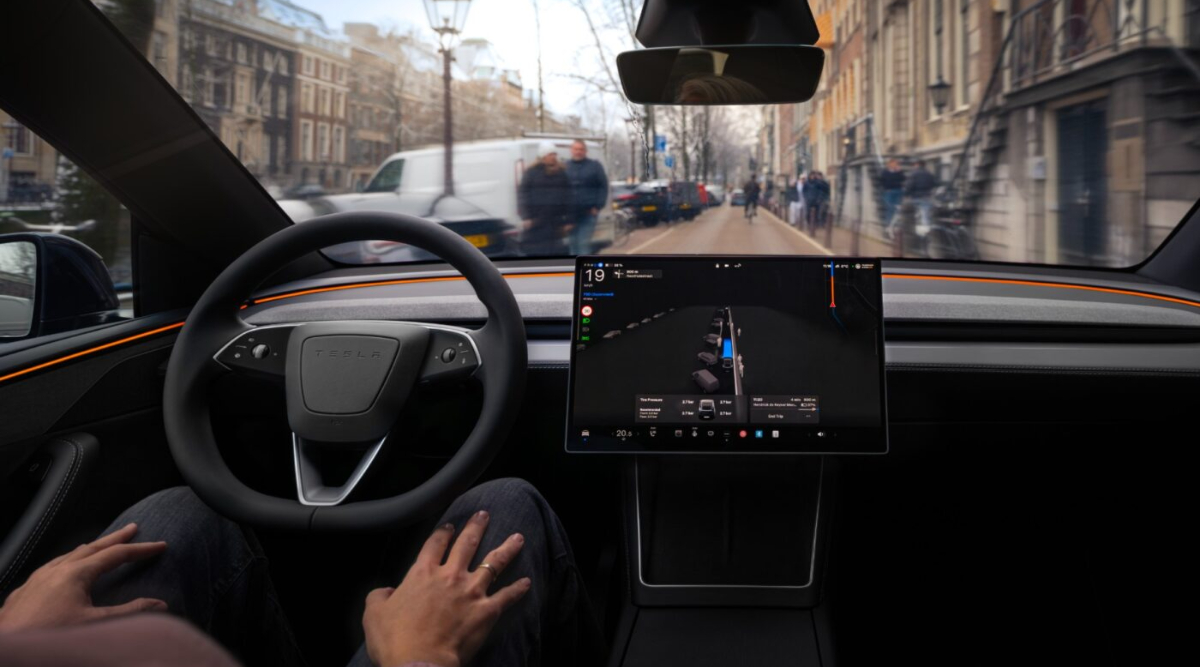
“One thing is clear: Tesla’s Full Self-Driving (FSD), despite its name, is not an autonomous driving system. Even in regions where FSD (Supervised) is now approved (such as the Netherlands, Lithuania, or Estonia), it remains a driver-assistance system classified as SAE Level 2. Responsibility therefore always lies with the person behind the wheel. They must monitor traffic and be prepared to intervene at any time. Why the Tesla continued driving in this incident cannot be determined from the video,” Electrive writes.
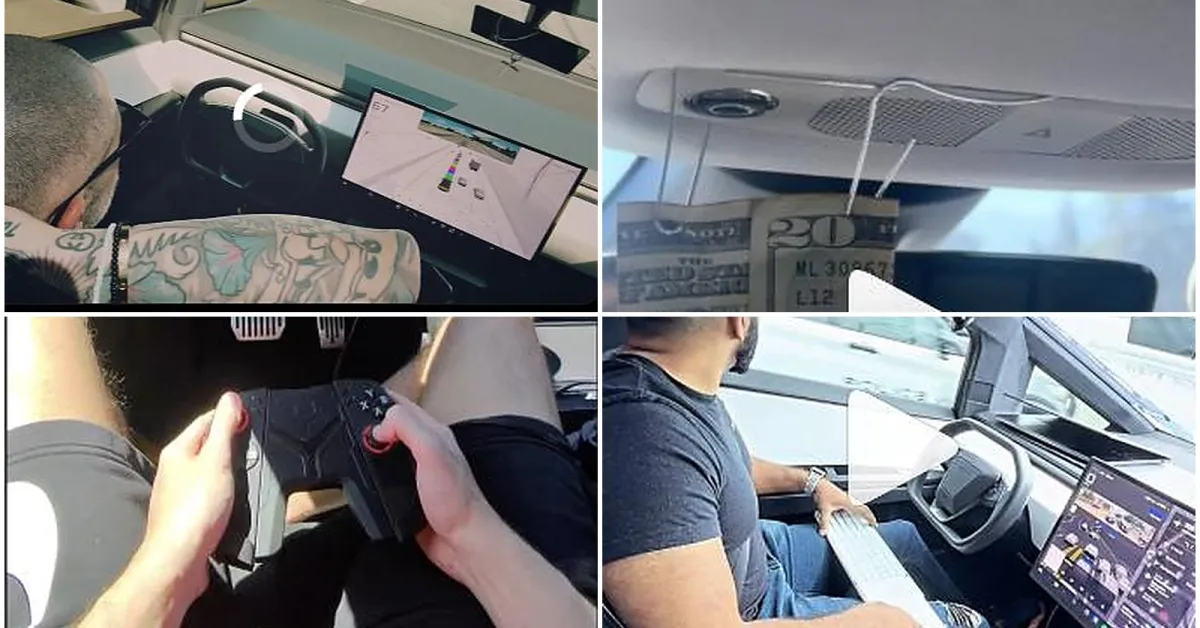
“Whether the driver monitoring system failed, was bypassed, or the footage only captures a brief moment remains unclear. What is certain, however, is that the incident once again underscores the limitations of today’s assistance systems. This is precisely why a clear distinction between driver assistance and autonomous driving matters. Modern systems can support drivers in many situations, but they cannot replace them. While today’s technology achieves remarkable feats, sleeping at the wheel remains firmly off the list of recommended driving practices.”