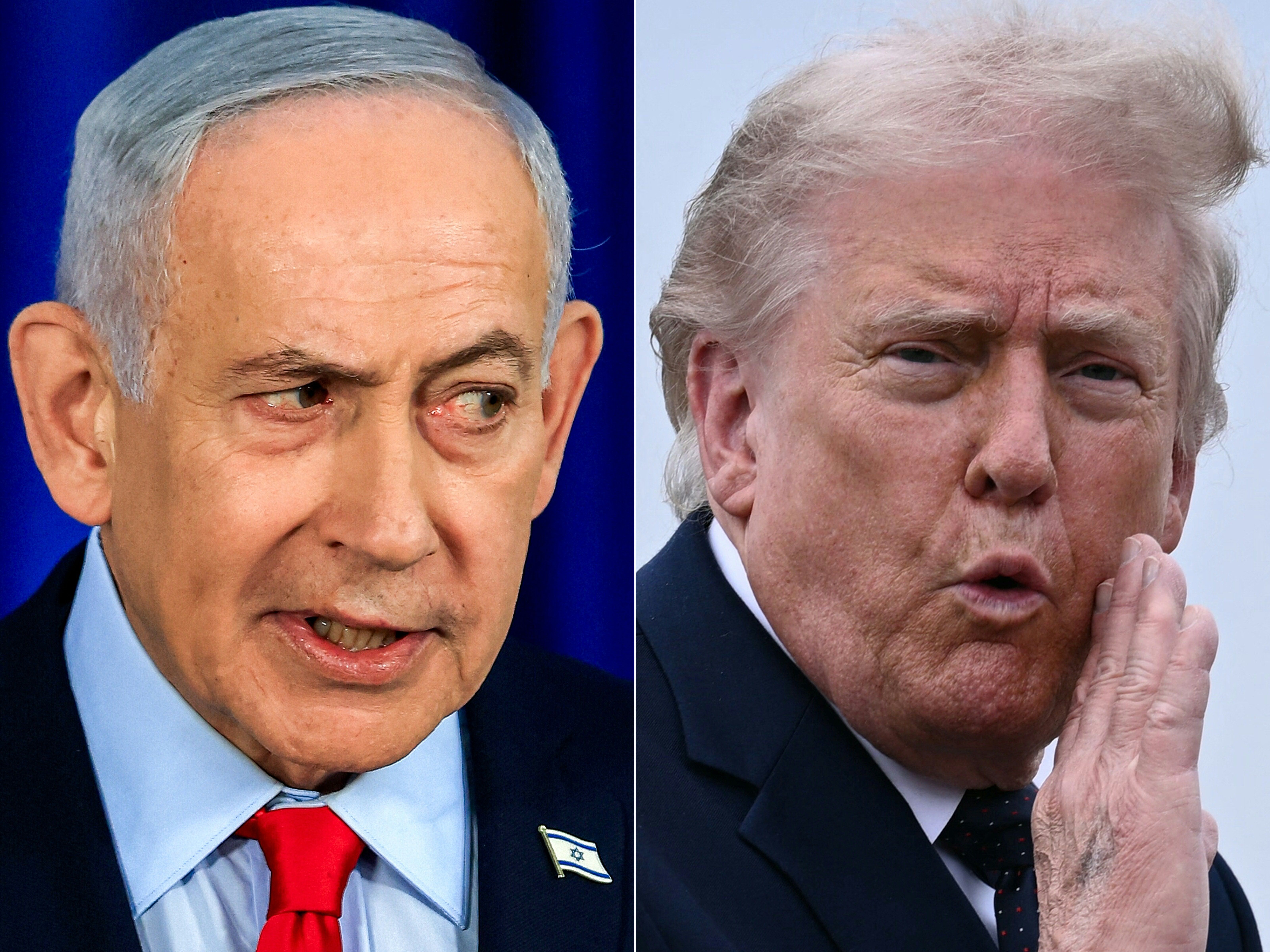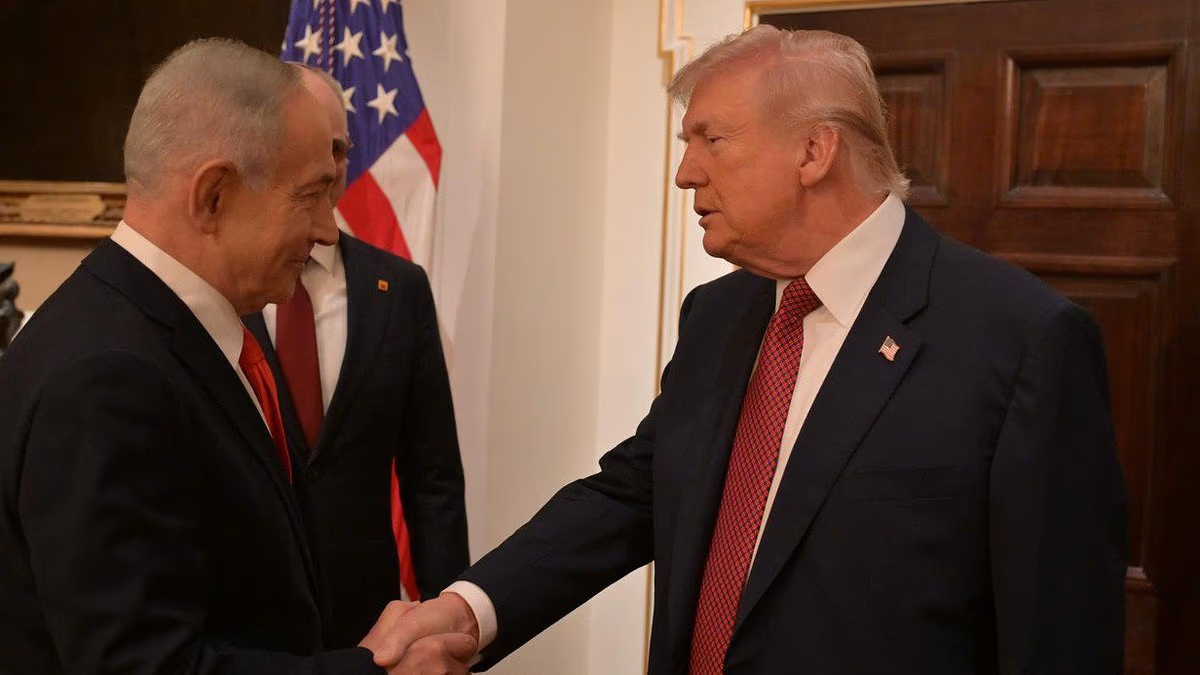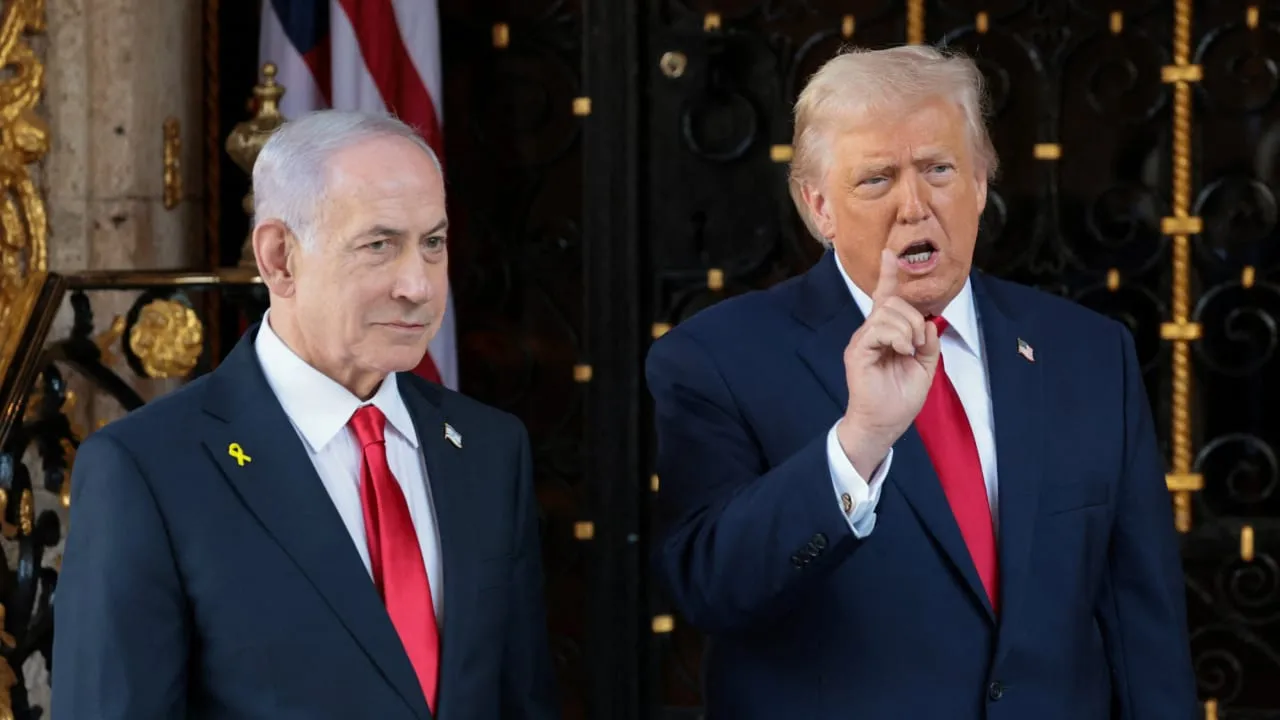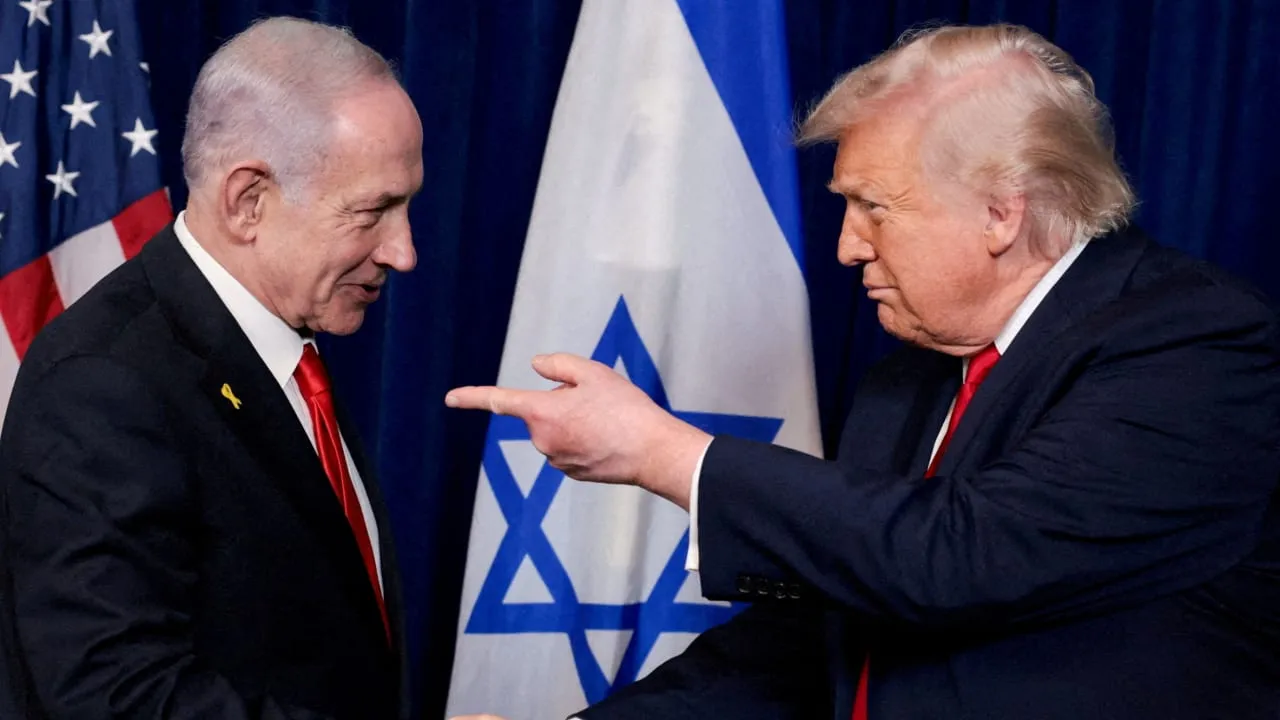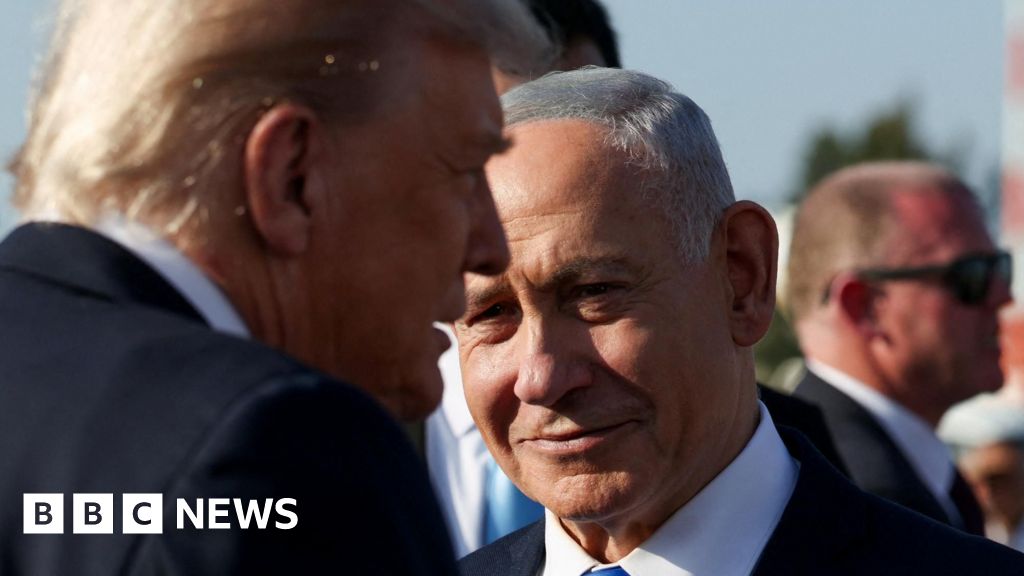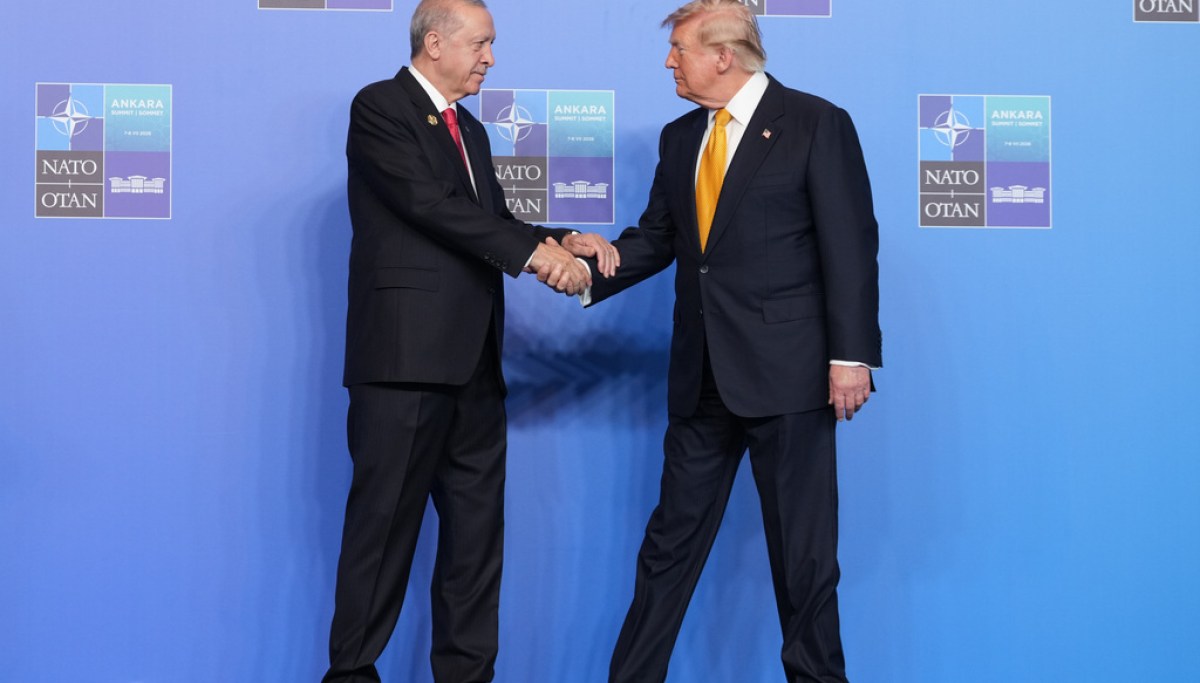
As daylight appears between Israeli Prime Minister Benjamin Netanyahu and President Donald Trump, the latter has bolstered his relationships with other regional allies to boost the U.S. stance in the region.Trump’s foreign policy in his second term has been characterized by his shoring up of relationships with Muslim partners in the Middle East, often over the objections of Israel. This pattern has been supercharged after the beginning of the war with Iran, especially after Washington’s public objectives began publicly diverging from those of Jerusalem. Trump has continued his boosting of ties with states against Israeli interests, such as Turkey, Syria, and Qatar, at the expense of Israel.Trump’s increased preference for relying on these powers has been illustrated over the past few weeks, as he’s openly rewarded them for perceived loyalty.
Some analysts caution that his recent moves may not necessarily constitute a planned strategy to diversify the U.S.’s Middle East strategy away from Israel. Danielle Pletka, a distinguished senior fellow in foreign and defense policy studies at the American Enterprise Institute, told the Washington Examiner that she doesn’t see Trump’s recent overtures toward Turkey, Syria, and other regional powers as part of a power-balancing act in the region at all.“I think this is very consistent with his behavior,” she said. “Now, that doesn’t mean he’s not mad at Netanyahu because, of course, he is mad at Netanyahu. I don’t think he thinks that way.”“He’s not a guy who … is shoring up alliances and figuring out how to play,” Pletka said. “He’s marching forward based on his instincts and the instincts of the people who he, for good or ill, trusts.”HOW TURKEY CAME TO POSITION ITSELF AS A DOMINANT POWER IN THE MIDDLE EAST AND BEYONDTurkey