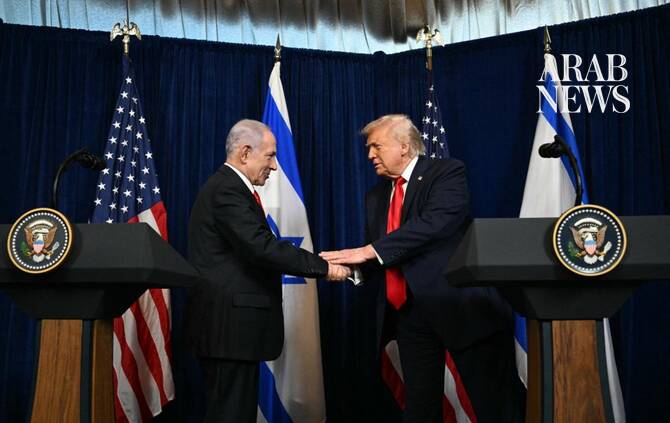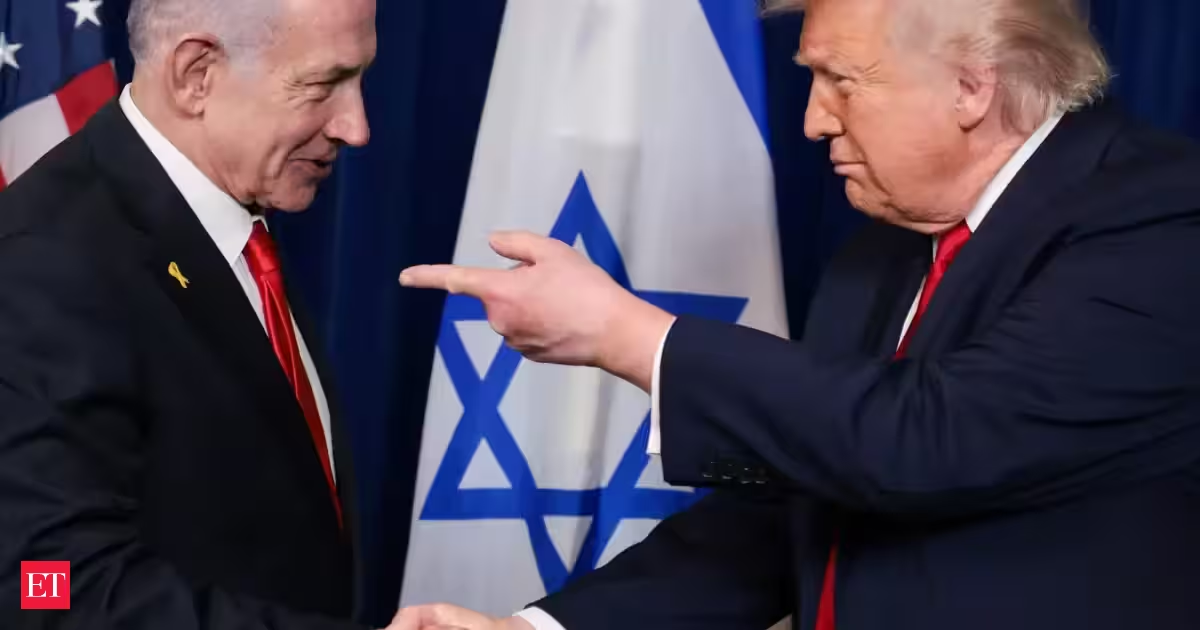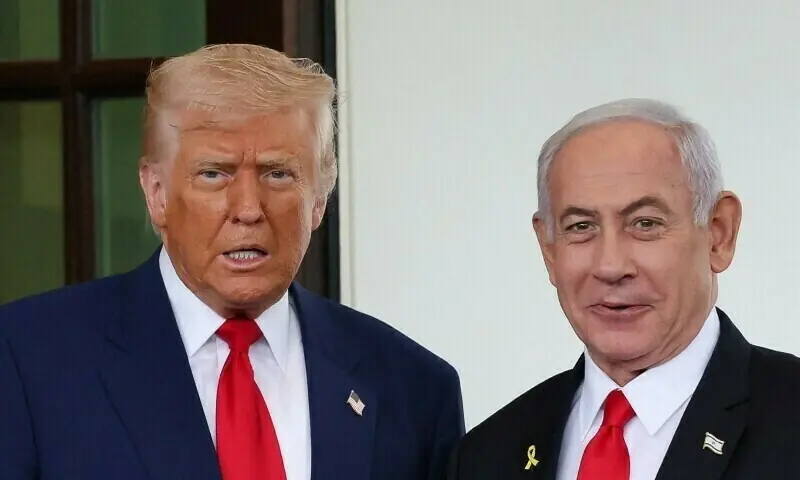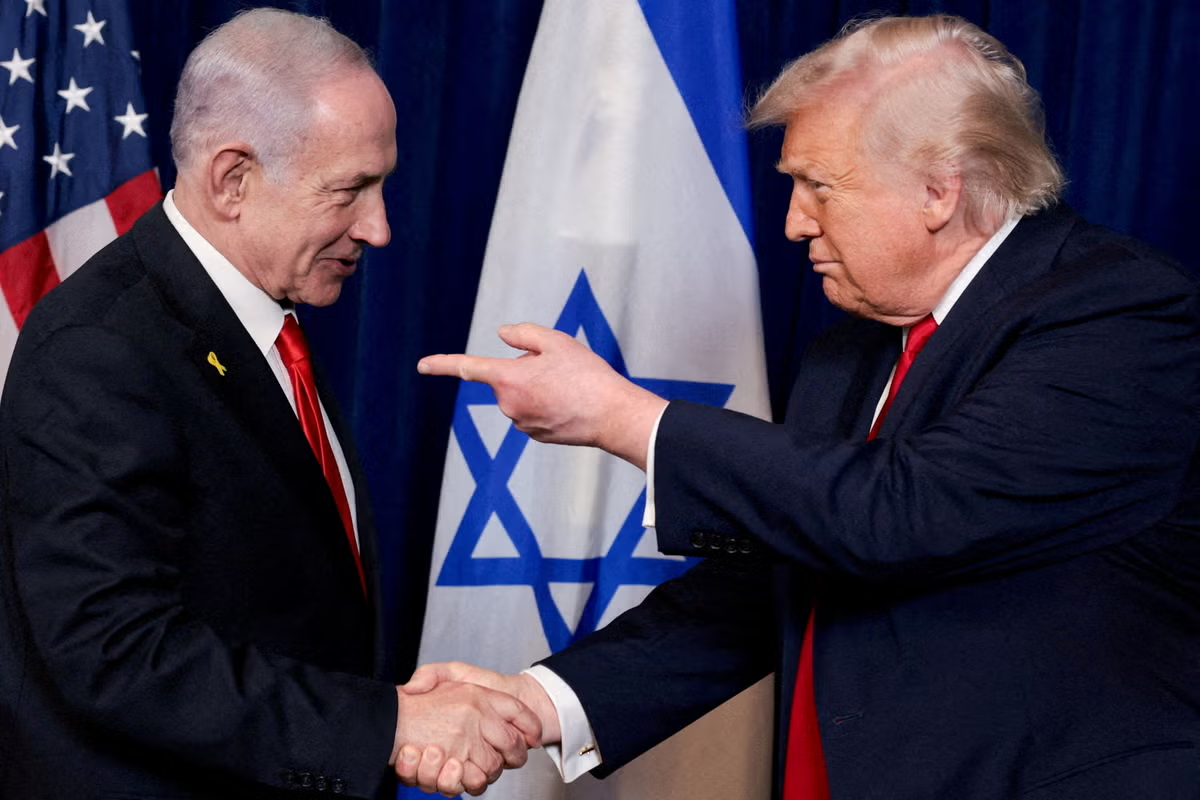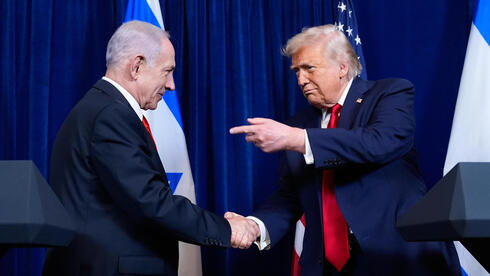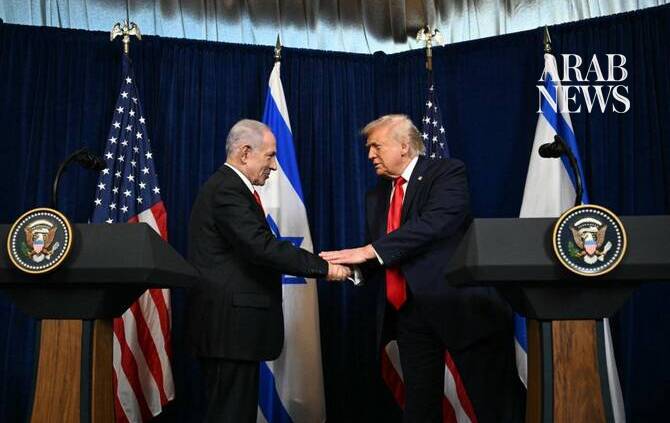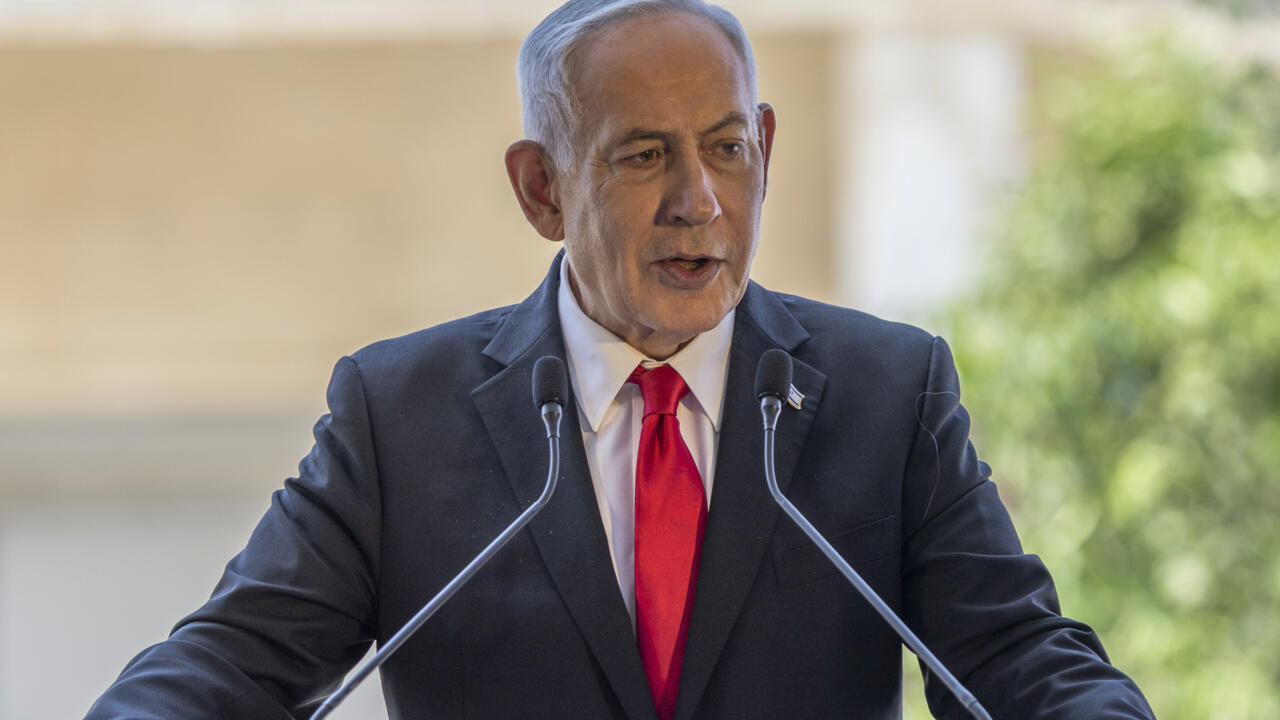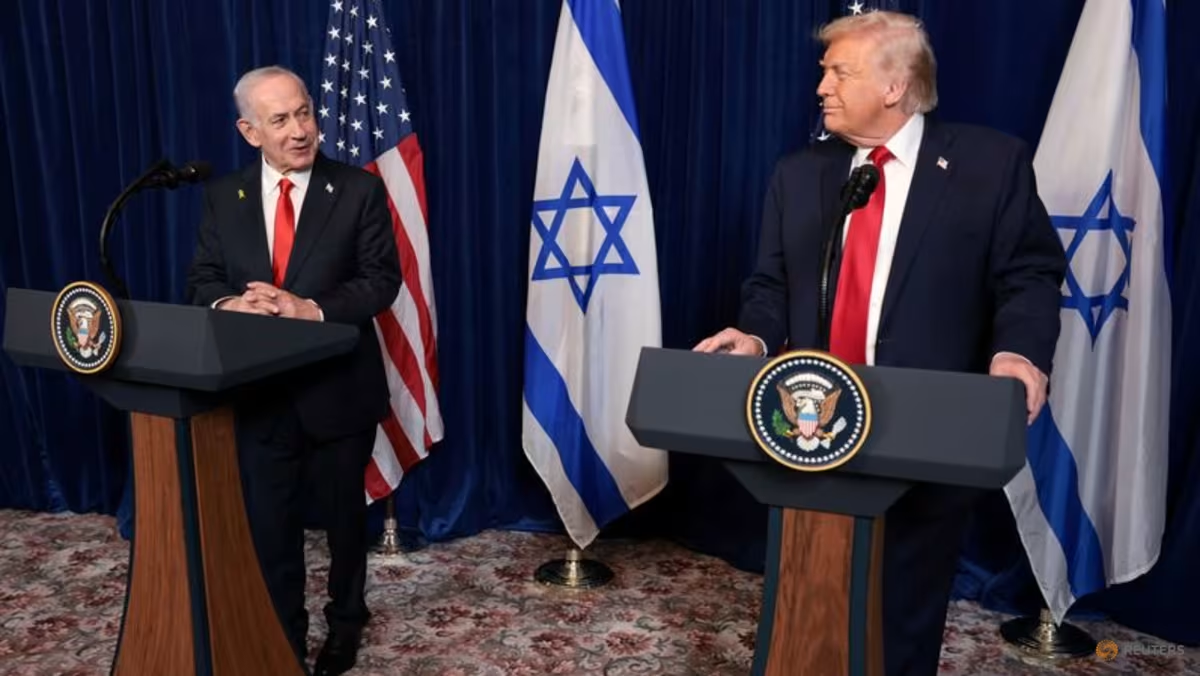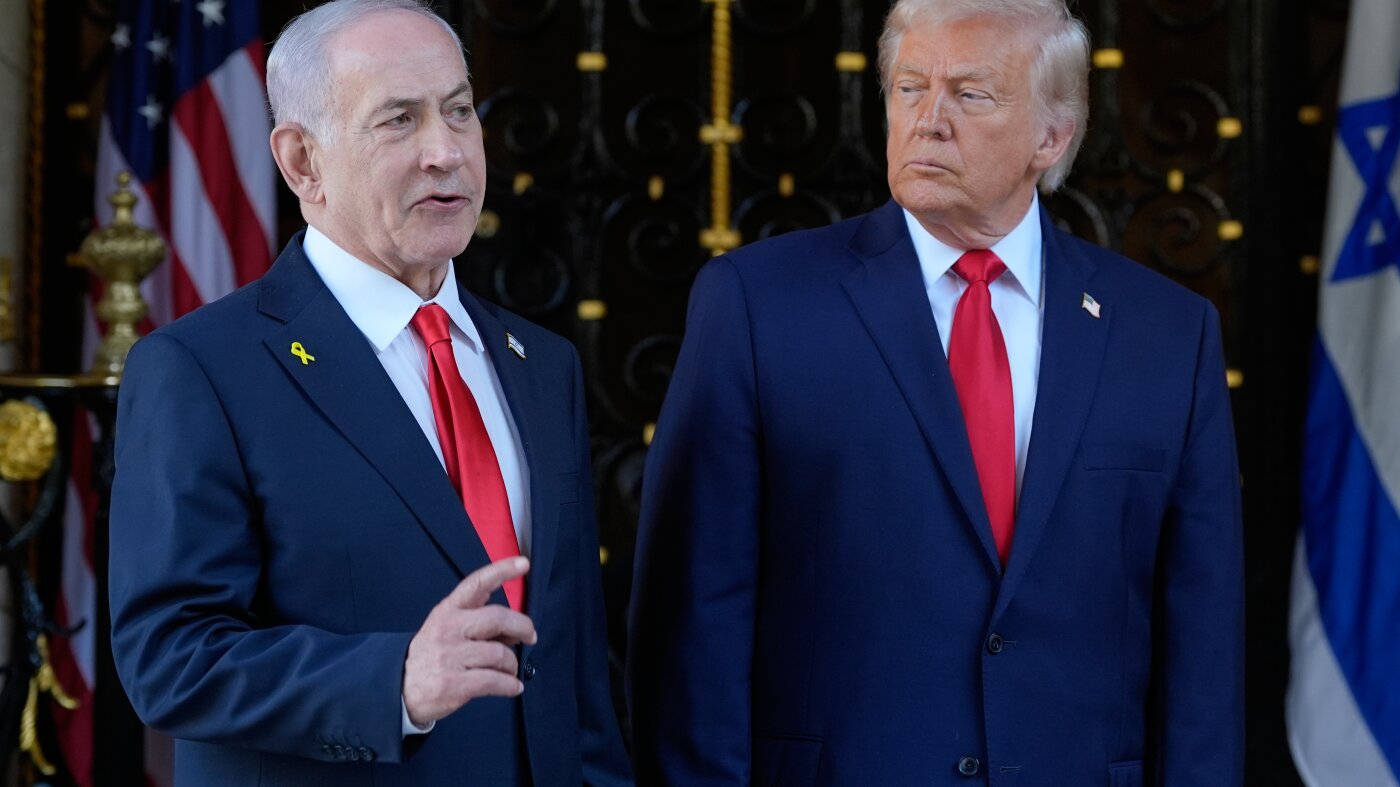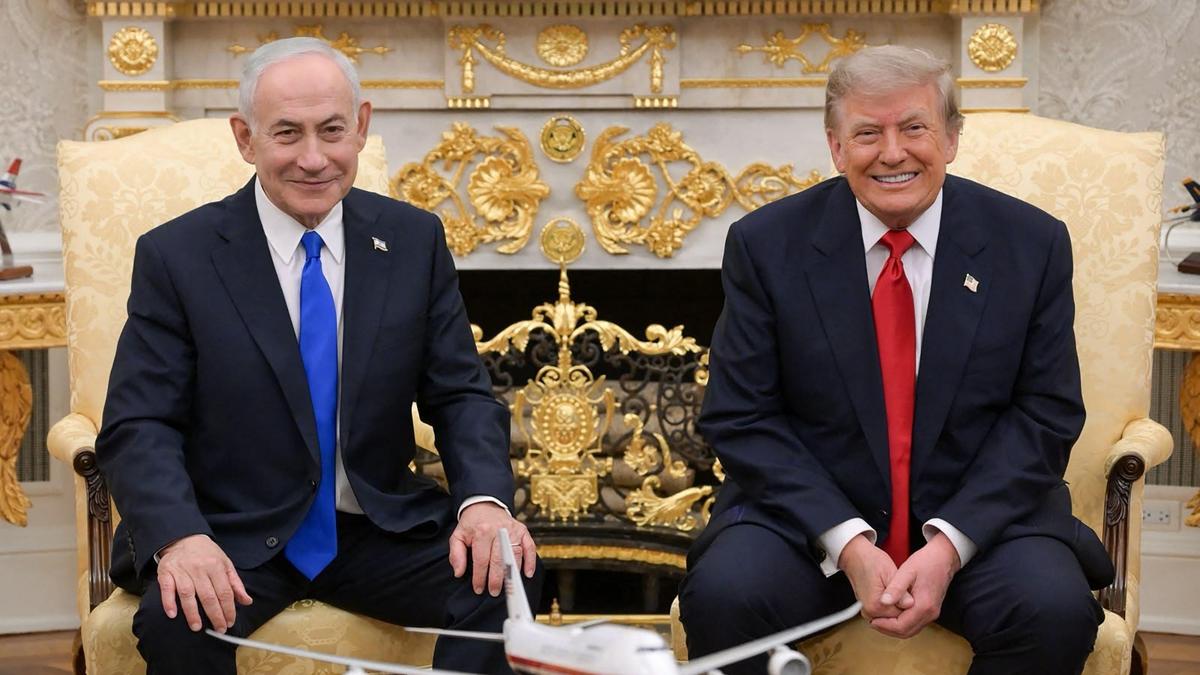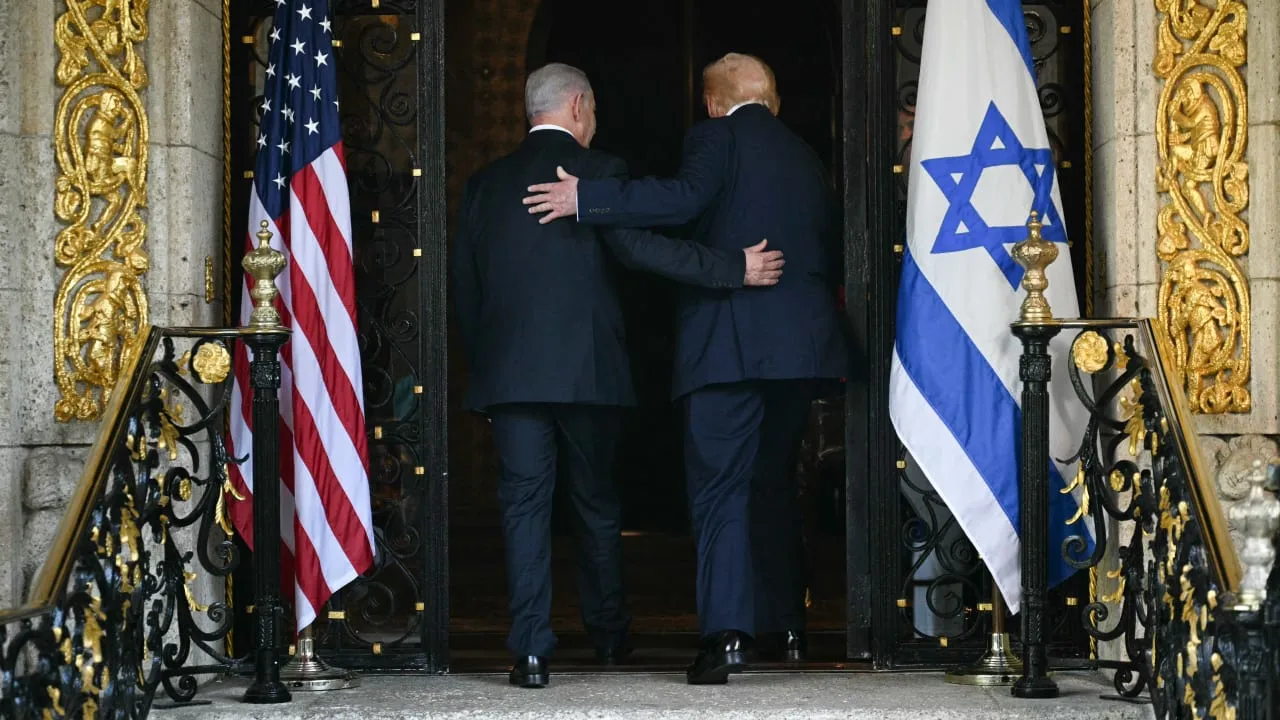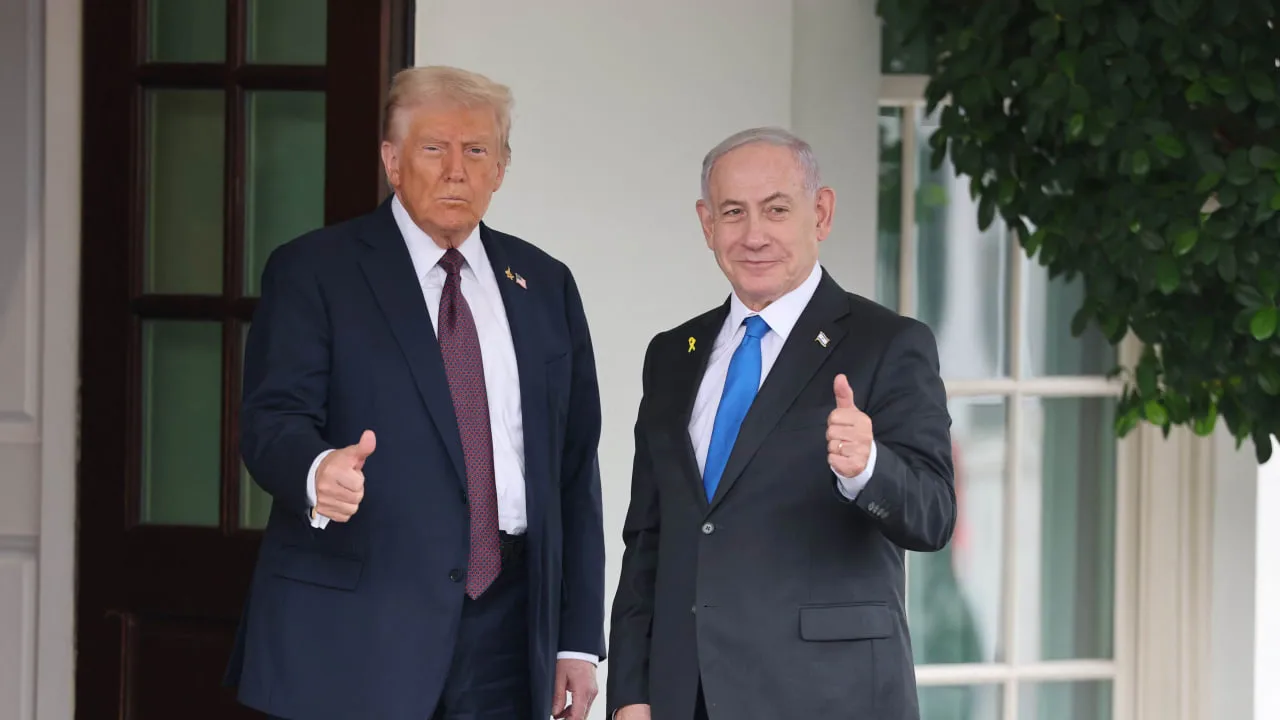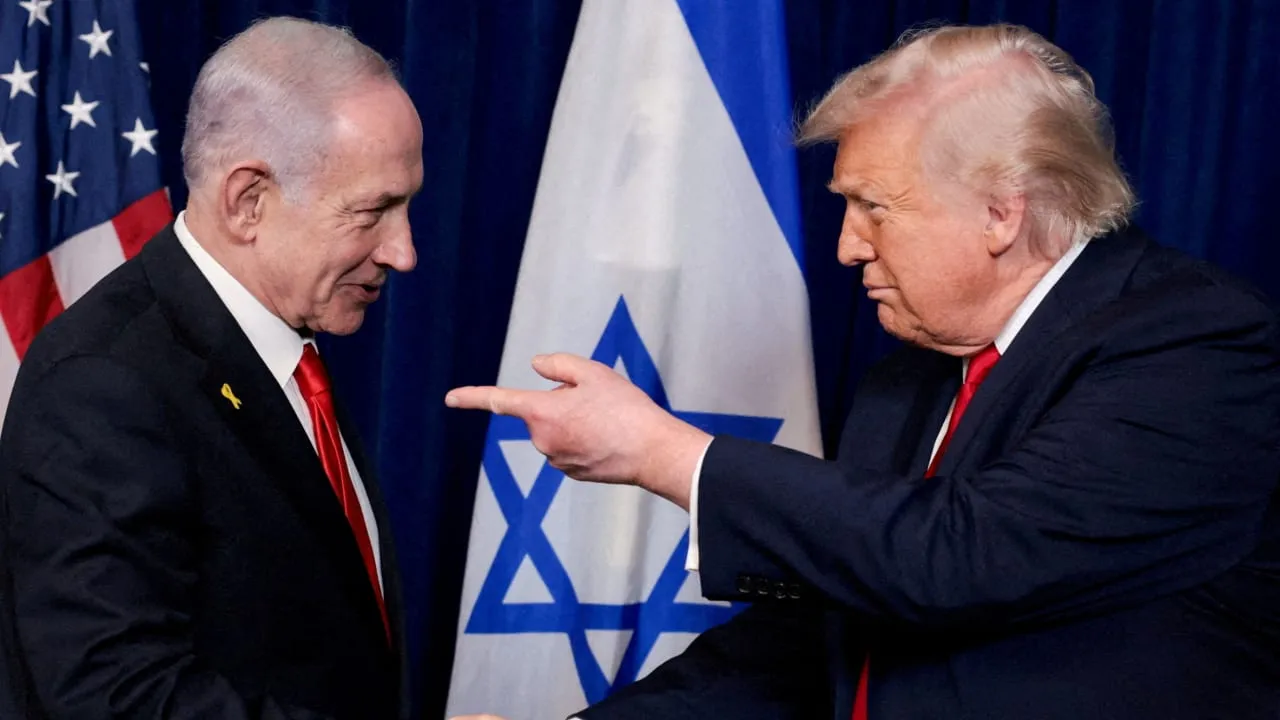
ByHERB KEINONJULY 26, 2026 19:41In the first 13 months of US President Donald Trump’s second term in office, Prime Minister Benjamin Netanyahu racked up a hefty amount of miles flying the Tel Aviv-Washington route.During this period, Netanyahu met Trump no less than six times in the US, an average of a meeting every 2.5 months. By comparison, he met then-president Joe Biden face-to-face only three times during Biden’s four years in office.On Monday, the prime minister is set to fly to Washington, where he will meet Trump on Tuesday and participate in a memorial ceremony for staunch Israel supporter Lindsey Graham. This time, however, Netanyahu’s arrival will come after the longest gap between their meetings since Trump returned to office: five-and-a-half months.And what a five-and-a-half months it has been.When Netanyahu last walked into the White House on February 11, the issue at hand was Iran. Tehran had just carried out a bloody crackdown on nationwide protests, with estimates of the death toll running into the tens of thousands, and was moving with great speed to rebuild its ballistic missile program.US fighter jet with Rafael's Litening targeting pod carrying strikes over Iran (credit: CENTCOM, US military)Trump has been perceived as Netanyahu's 'puppet' as war started immediatley after meeting with NetanyahuJust over two weeks after that meeting, on February 28, the US and Israel jointly attacked Iran, igniting a war that has continued ever since without a clear and decisive US victory and that has extracted a high political cost from the president.The proximity of that February meeting to the start of the war triggered speculation that it was Netanyahu who talked Trump into taking military action, leading Trump to push back against the narrative that he is somehow a puppet at the end of Netanyahu’s string. His comment that Netanyahu “knows who is boss” can be seen, at least in part, as an attempt to push back against that narrative.Nevertheless, this meeting comes amid heightened tensions once again with Iran and uncertainty, fueled by Trump’s often contradictory comments, over whether the US will launch another major offensive against Iran to open the Strait of Hormuz, or whether the current low-intensity warfare is what to expect for the immediate future; one that could last weeks or even months.If Trump does indeed take intensive military action shortly after meeting Netanyahu, one can already hear the pundits saying, once again, that it is all because of Israel. That is reportedly one reason there was some difficulty setting up the meeting in the first place.But the meeting is going ahead nonetheless, and Netanyahu has several issues he needs to clarify.First, what, in Trump’s eyes, does victory look like? What is the president’s endgame, and how much war is he willing to undertake to achieve it?Second, Netanyahu needs to clarify what, in Trump’s mind, Israel’s part in all this should be. Does the president expect or want Israel to join in at some point? And if he does, Netanyahu will be looking for assurances that this time the president will not call off the war before Israel has been able to attain its objectives.In other words, Israel is not necessarily looking for a green light. Rather, it wants to know where the red light will come once another green light is given.The nightmare scenario for Israel is to begin another campaign, expose itself again to Iranian missiles, achieve only part of its objectives, and then have Trump say after four or five days: “Enough, I’ve got a deal.”How will the Israel-Syria-Lebanon diplomatic issue be addressed in the meeting?And then there are Lebanon and Syria.In the five-and-a-half months since their last meeting, Israeli policy in Lebanon has been among the most contentious issues the two countries have had to navigate.Trump’s original MoU with Iran, the one that has recently gone up in the smoke of nightly US raids followed by Iranian retaliation the next day, tied a ceasefire in Iran to an Israeli ceasefire in Lebanon, something very much not in Israel’s interest.Trump demanded an end to offensive Israeli action, and Israel begrudgingly acquiesced, unable to say no to this president. While events on the ground in Iran have overturned that understanding, Lebanon will definitely be high on the agenda: What does Trump now envision there?It is worth noting that Netanyahu’s meeting comes after Trump met last week with Lebanese President Joseph Aoun and earlier this month with Iraqi Prime Minister Ali al-Zaidi. Trump also met Syrian President Ahmed al-Sharaa on the sidelines of the NATO summit in Ankara on July 8.Taken together, these meetings point to an American attempt to build a new post-war regional architecture, with those countries as instrumental players.Netanyahu will want to have a say in what that architecture should look like.And then two other issues recently burst onto the scene, both also having to do with the shape of a new post-war Middle East.The first is Trump’s signal of intent to sell F-35s to Turkey, despite that country’s stridently anti-Israel policy. This much-hyped sale, however, is no fait accompli, as a letter the State Department sent last week indicates. That letter stated that the Turks still do not meet the legal requirements necessary to receive delivery of the F-35s.Indeed, one source of recent friction between Jerusalem and Washington has been this proposed sale, with Netanyahu essentially going over Trump’s head and making appeals in the US media against the weapons deal, even though Trump has indicated a preference to go through with it.And the other issue is one that burst onto the news cycle last week seemingly out of the blue: the US-Saudi civilian nuclear agreement, including the question of whether Riyadh would eventually be allowed to enrich uranium and whether normalization with Israel would be a precondition.Trump himself weighed in after the agreement was signed, saying the Saudis will not have the right to enrich uranium and that the deal will go through only if they join the Abraham Accords. In other words, the terms of the deal are still being discussed, and Netanyahu will want input on that deal’s final contours.Taken together, Lebanon, Syria, Turkey, and Saudi Arabia, these issues point to something larger than a series of individual disagreements between Jerusalem and Washington. They are all pieces of an emerging post-war regional order that Washington is trying to shape.Netanyahu’s concern will be to ensure that in Trump’s eagerness to turn battlefield developments into a new Middle East architecture, Israel’s security interests are not sacrificed along the way.What will be with Gaza - dismantling Hamas and reconstruction?And then, of course, there is Gaza.While Gaza was the main topic of conversation in the first five meetings between the two leaders, it has since dropped in priority because of the war with Iran. Gone from center stage, perhaps, but hardly out of sight.The two leaders are expected to discuss the stymied efforts to dismantle Hamas, a precondition for moving forward with the president’s 20-point plan for Gaza. And here, too, the underlying question is similar: How does Trump envision getting from the current military reality to the political arrangement he wants to put in its place?Finally, there is the domestic political element.This visit is coming just three months before the October 27 election. Netanyahu will want to use it to signal closeness with Washington, especially as his opponents will be highlighting polls showing that Israel’s position in the US, at least among the public, has never been worse.Trump, too, has domestic considerations. He will want to use the meeting to project control over Middle East developments, reinforce the “I am the boss” narrative, and present himself as the indispensable broker around whom the region revolves.And, by the way, this is unlikely to be the last meeting between Trump and Netanyahu before the elections.Netanyahu is expected to attend the UN General Assembly meeting in New York in September, and he will likely meet Trump again on that trip, either on the sidelines of the gathering or in Washington.A meeting in New York could be a special election gift, especially in the face of the fierce opposition from New York City Mayor Zohran Mamdani and his calls for protests. Few things can help Netanyahu’s campaign more than being portrayed as hounded by, and standing firmly up to, those obsessively anti-Israel.But that is September.First comes Tuesday, and a meeting between two leaders who have seen each other extraordinarily often, but who have not sat down together in five-and-a-half months – five-and-a-half months during which their actions dramatically changed the Middle East they discussed at their last meeting.The question hovering over their upcoming meeting is a simple one: Now what?Follow us on Google
Benjamin Netanyahu, Donald Trump to discuss Iran and postwar Middle East order | The Jerusalem Post
After five months apart, Netanyahu and Trump meet with Iran, Gaza, Lebanon, Syria, Turkey and Saudi Arabia, shaping talks over the region’s postwar order.
1,437 words~7 min read