If you’ve ever placed a trade on a decentralized exchange and noticed the price mysteriously moved against you right before execution, congratulations: you’ve been MEV’d. Miner extractable value, or MEV, is the blockchain equivalent of someone cutting in front of you at the deli counter, except they also somehow make you pay more for your sandwich.
Injective, a Layer 1 blockchain built on the Cosmos SDK, has positioned itself as the first and only L1 to natively resist these attacks on mainnet. The protocol’s core defense mechanism is something called Frequent Batch Auctions, and it fundamentally changes how transaction ordering works.
How Injective actually blocks MEV
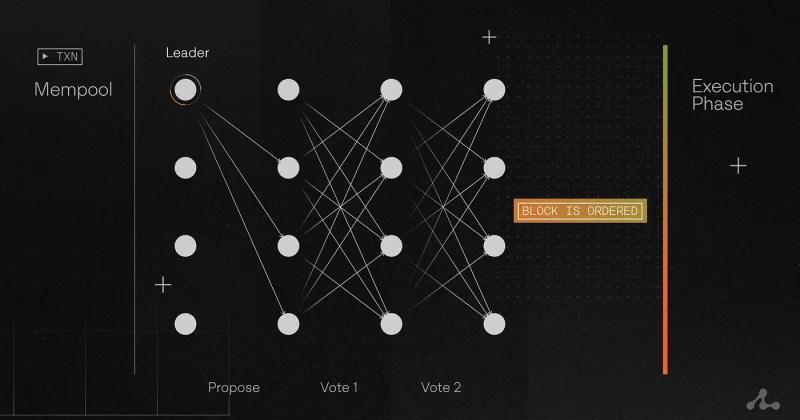
Injective’s approach attacks this problem at the infrastructure level. Instead of processing transactions one by one in the order they arrive, the protocol batches them together at fixed intervals. Think of it less like a first-come-first-served line and more like a sealed-bid auction where everyone submits their orders simultaneously.
The system uses a threshold-encrypted mempool, which means pending transactions are encrypted and invisible to would-be extractors until they’re processed. Combined with an on-chain order book, this architecture removes the informational advantage that MEV actors typically enjoy.