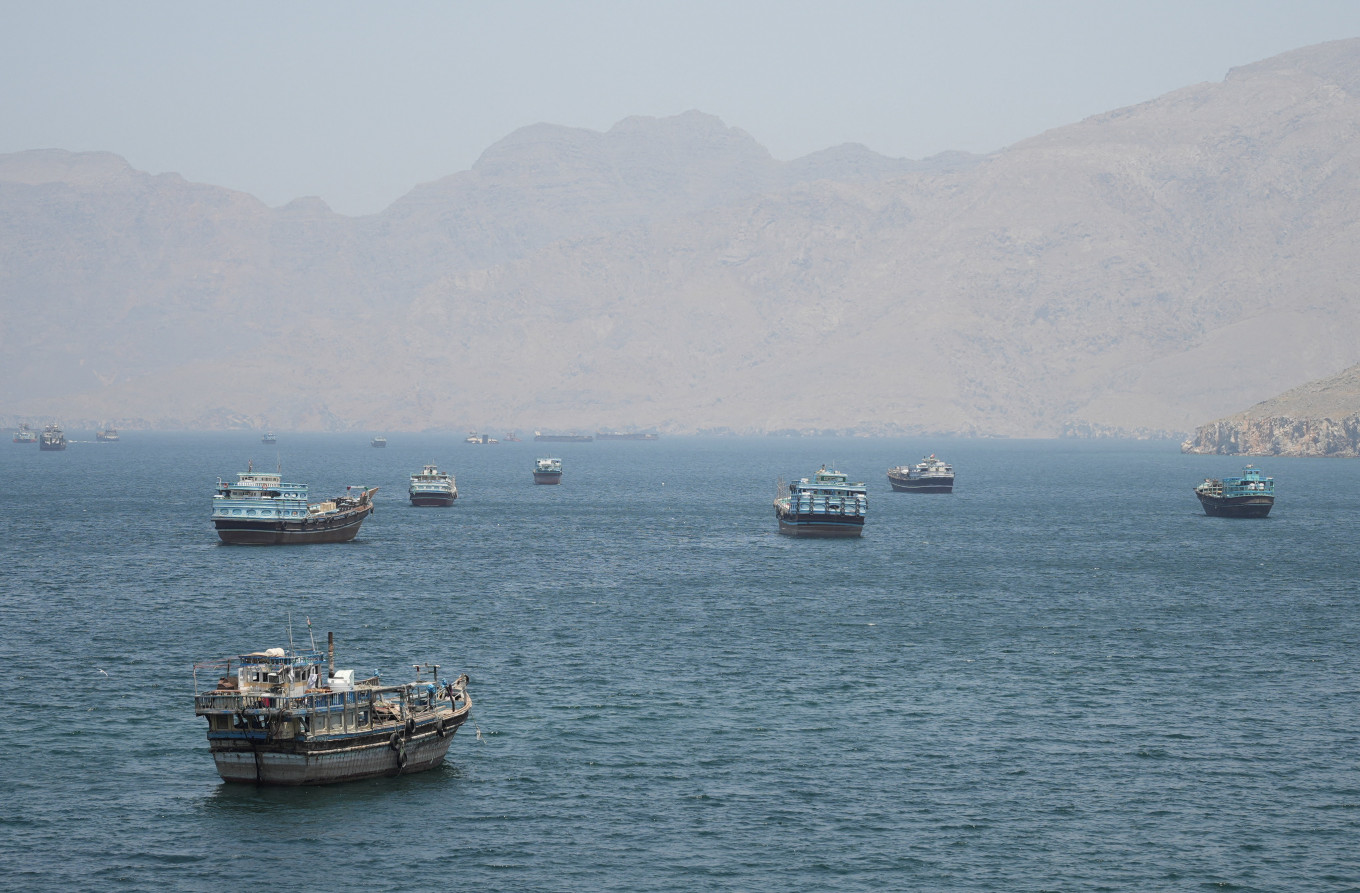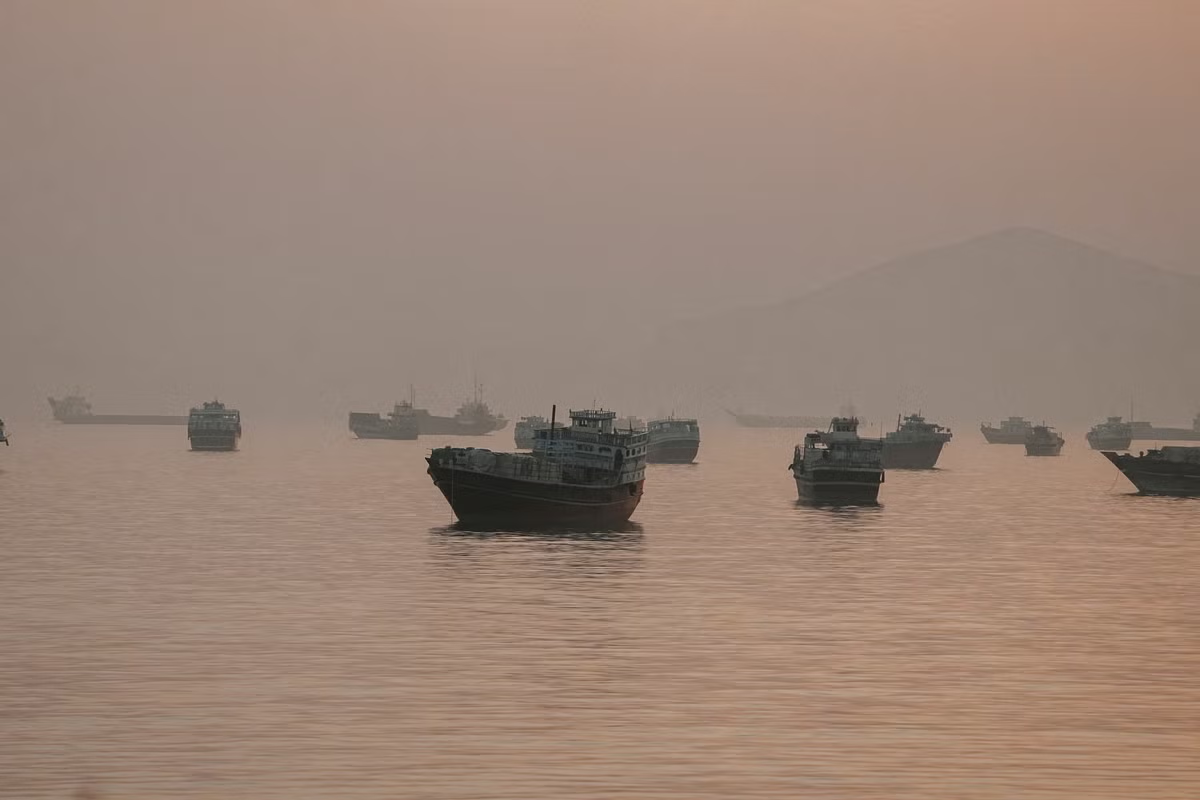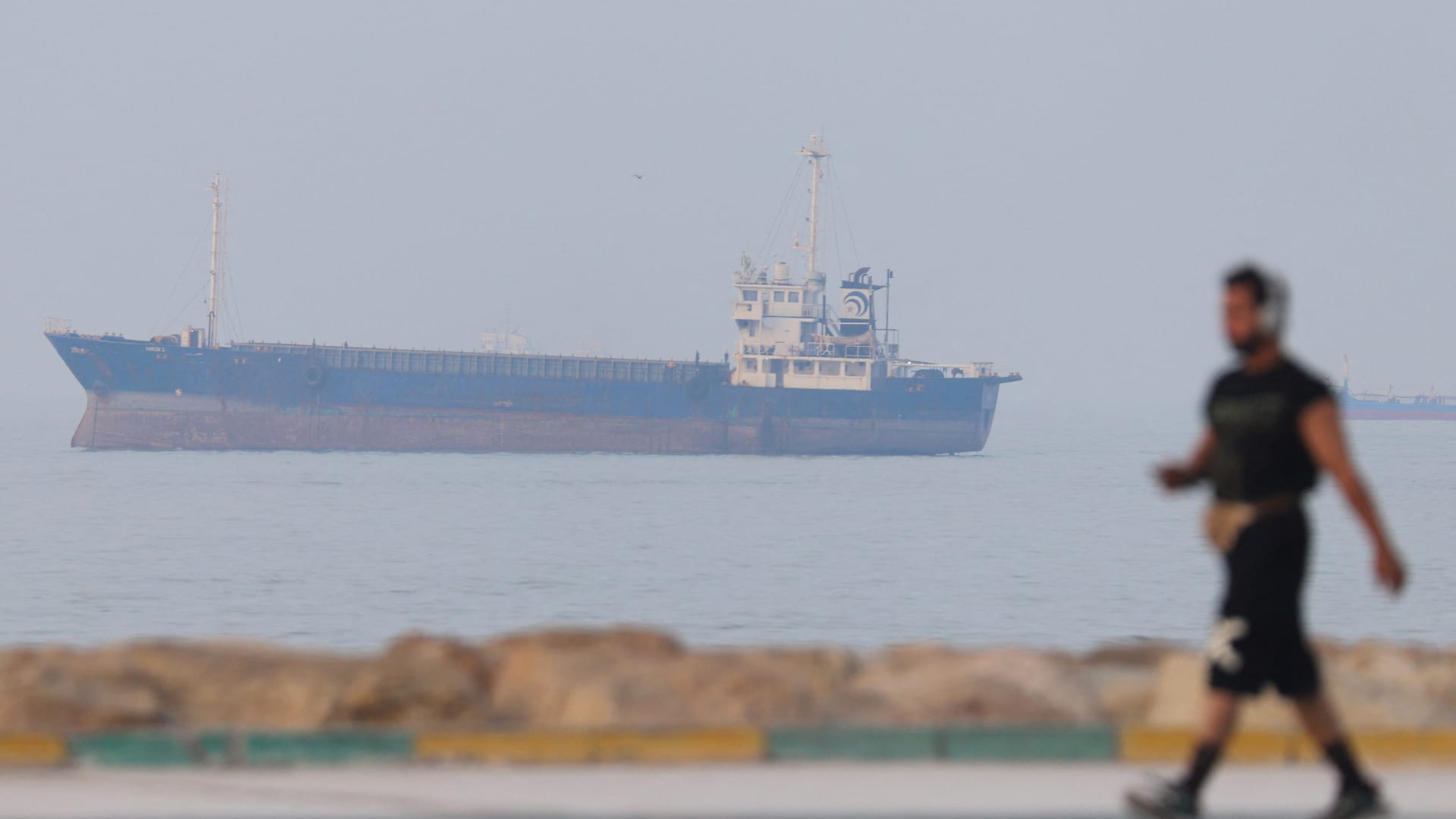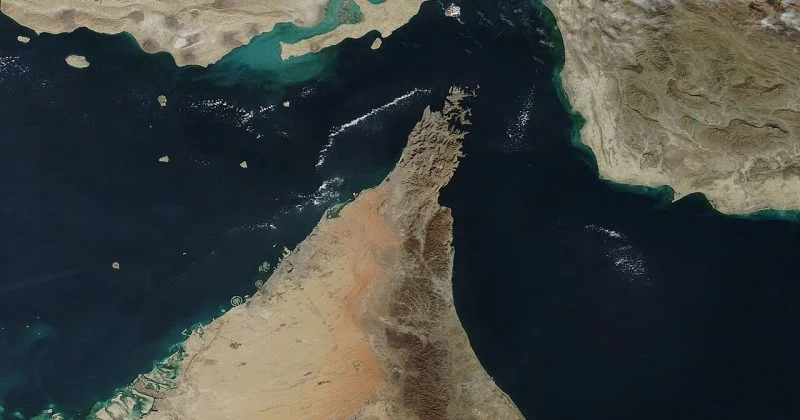
Some war risk underwriters have advised shipping companies to temporarily halt transits through the Strait of Hormuz following attacks on vessels in the waterway.
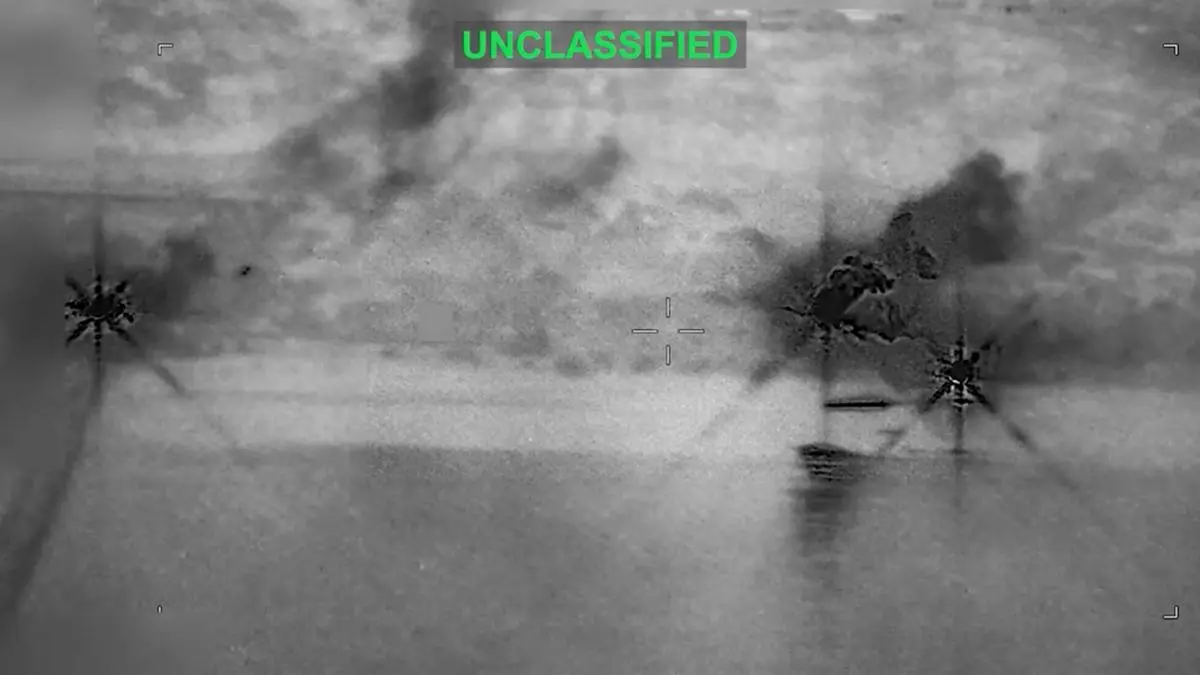
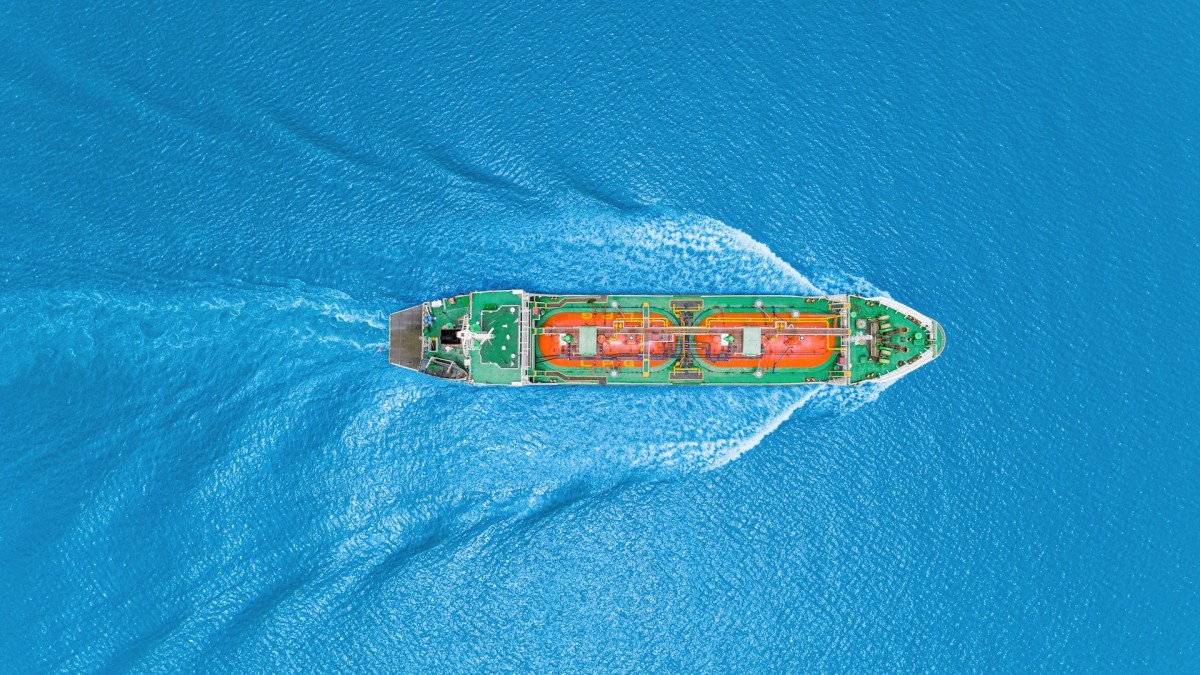
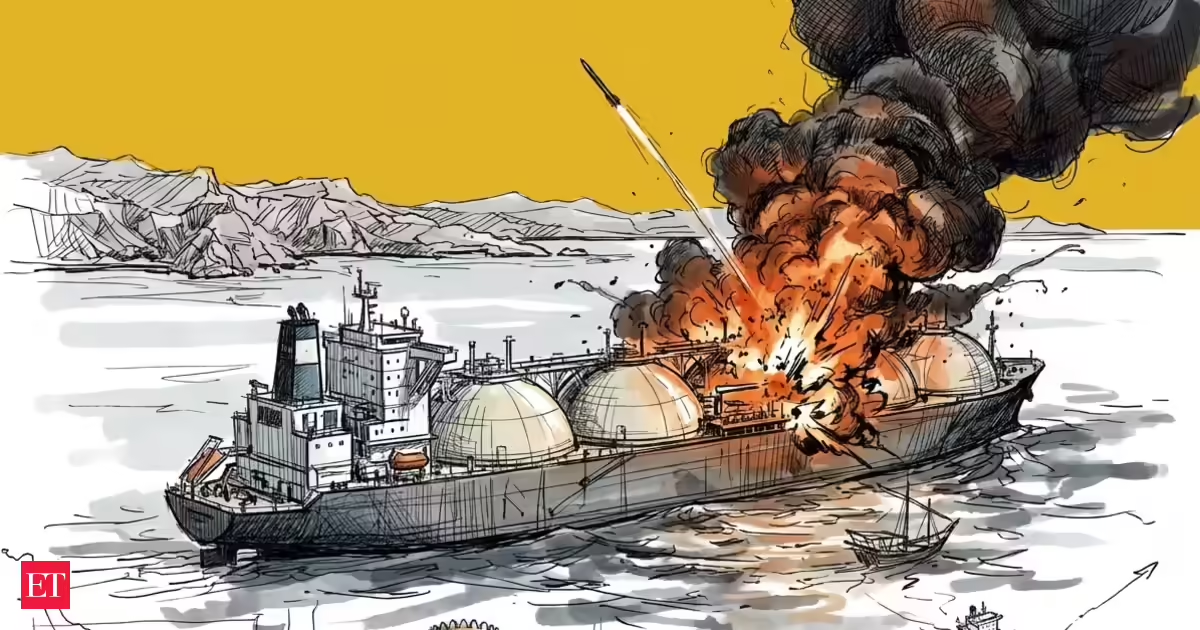
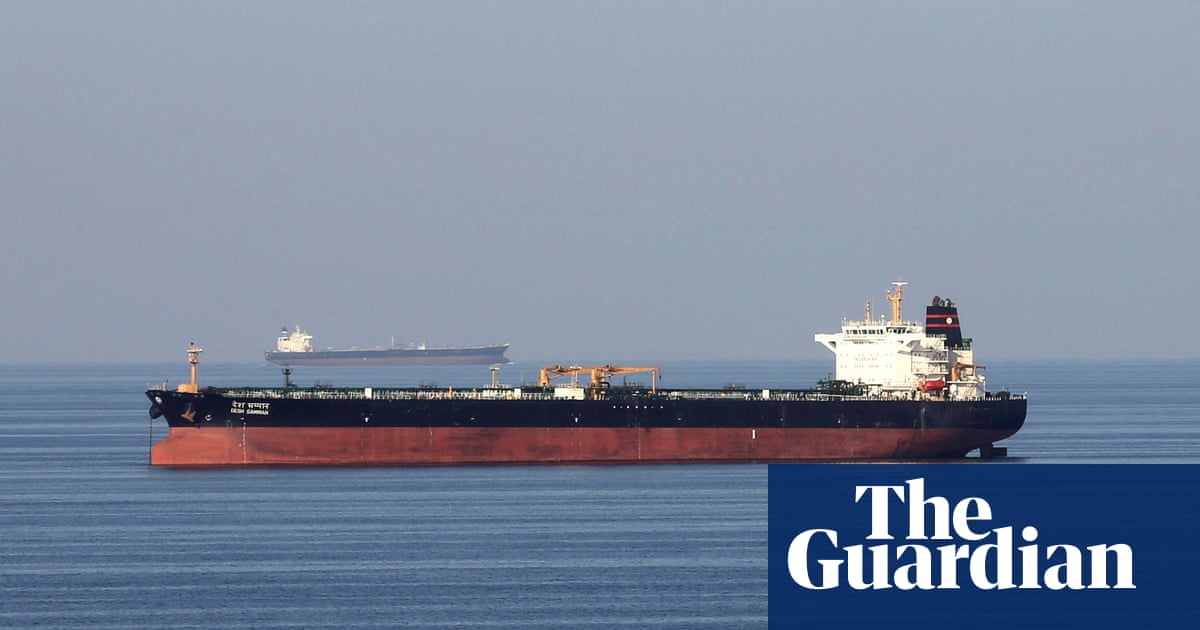
The advisory, issued on July 8, came after both a Qatari LNG tanker and a Saudi-flagged crude oil tanker sustained damage in separate incidents. At least four tankers, including LNG carriers Al Ghariya, Duhail, and Al Ruwais, reversed course rather than push through the strait. Maritime authorities have since elevated the threat level for the waterway to “severe.”
The chokepoint that matters most
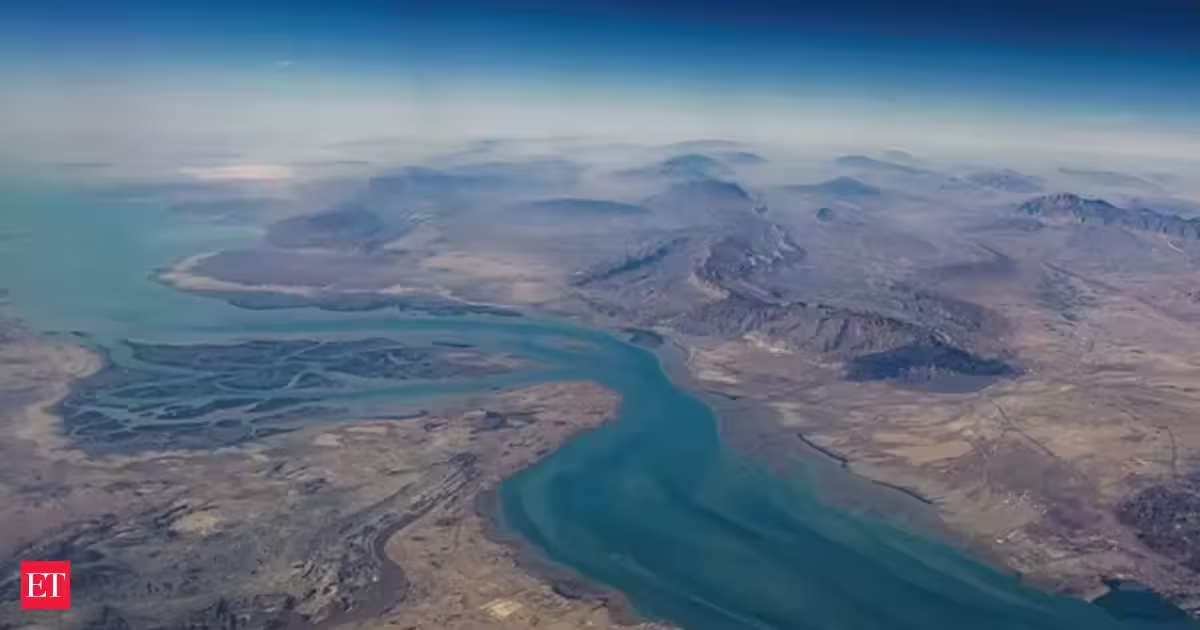
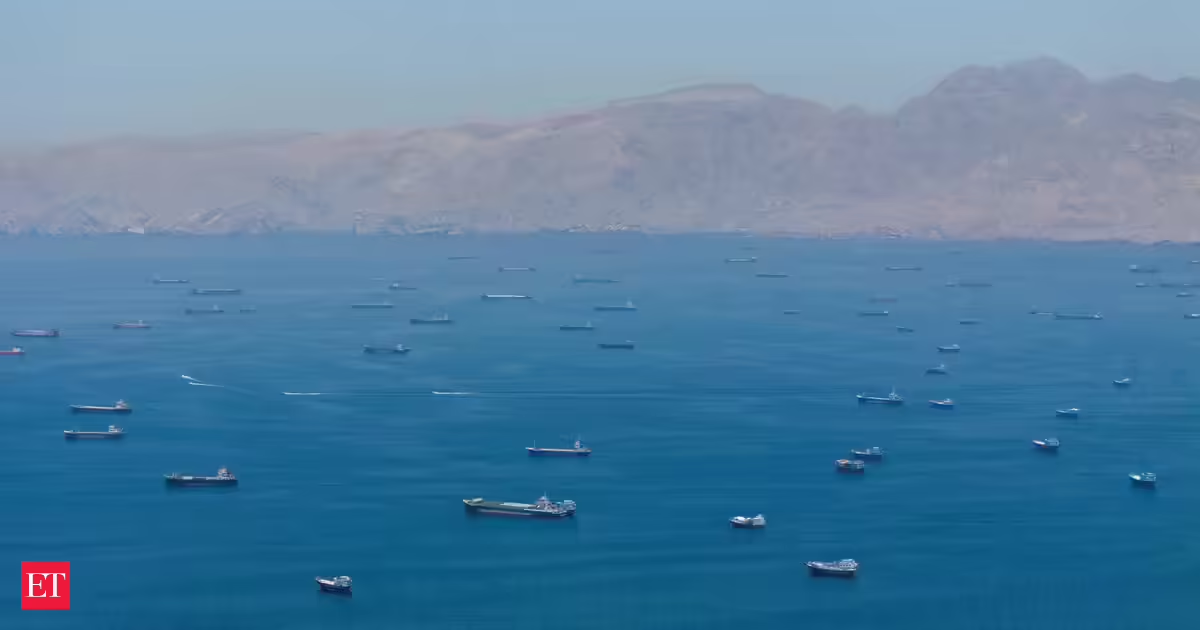
The Strait of Hormuz is a narrow passage between Iran and Oman. It is the single most important bottleneck for global energy transport. When this waterway gets disrupted, the alternative route means sending tankers around the southern tip of Africa, adding weeks to delivery times and enormous costs to every barrel.
Tanker traffic through the Strait of Hormuz has already been reduced by over 80% in 2026 due to heightened threats.