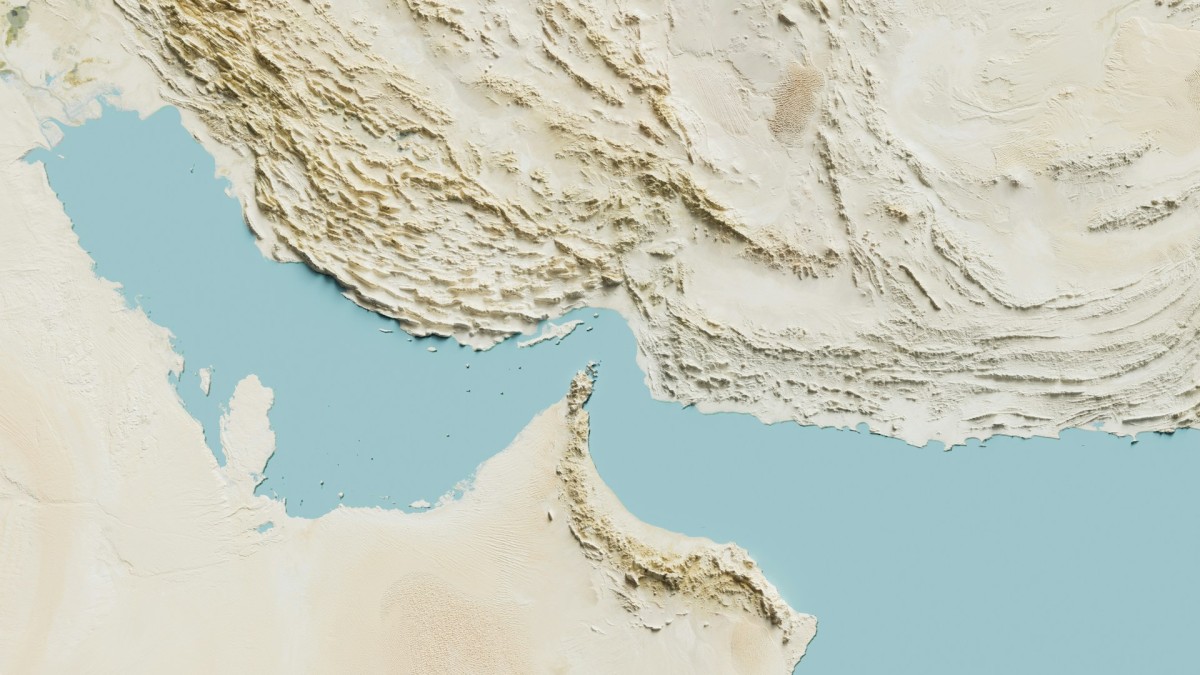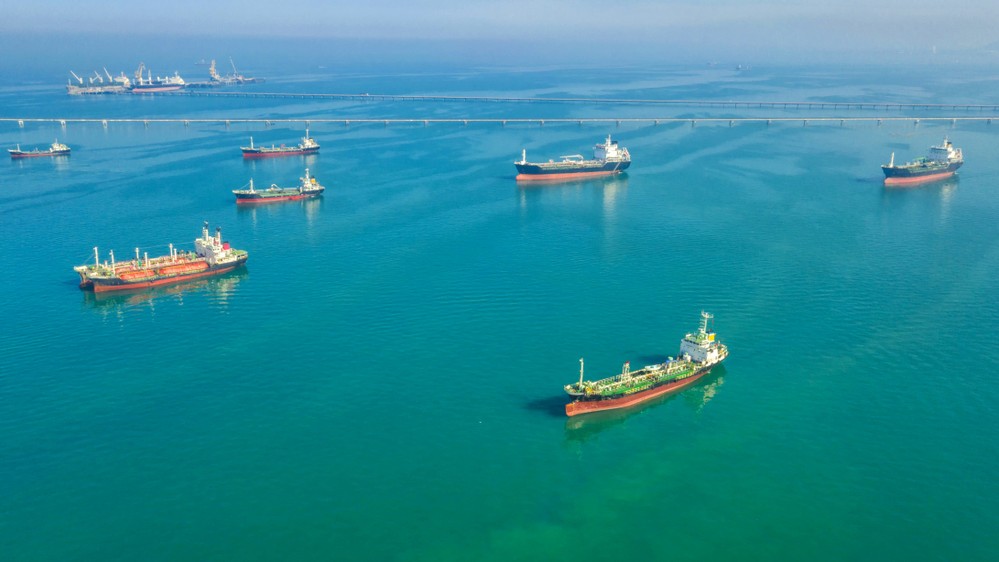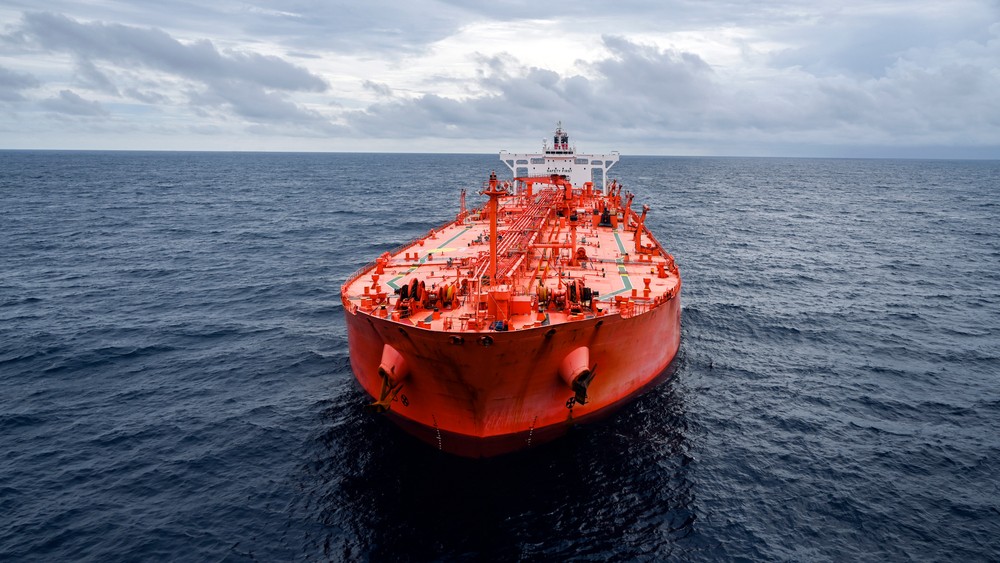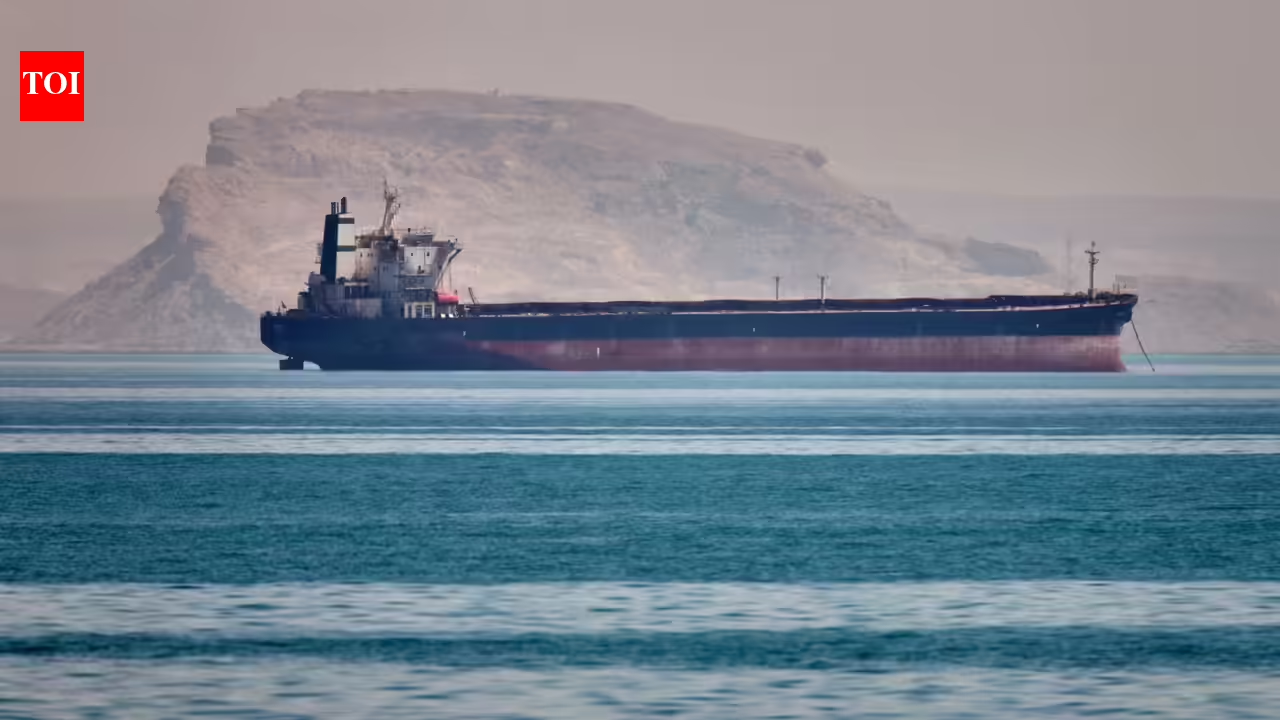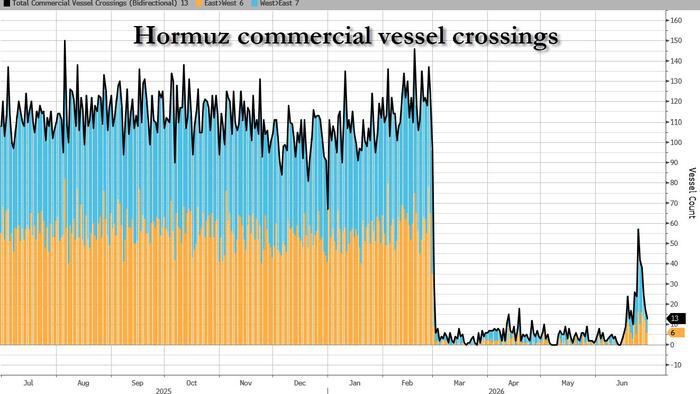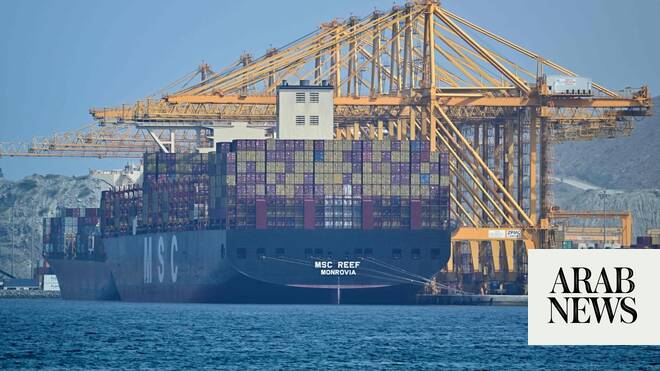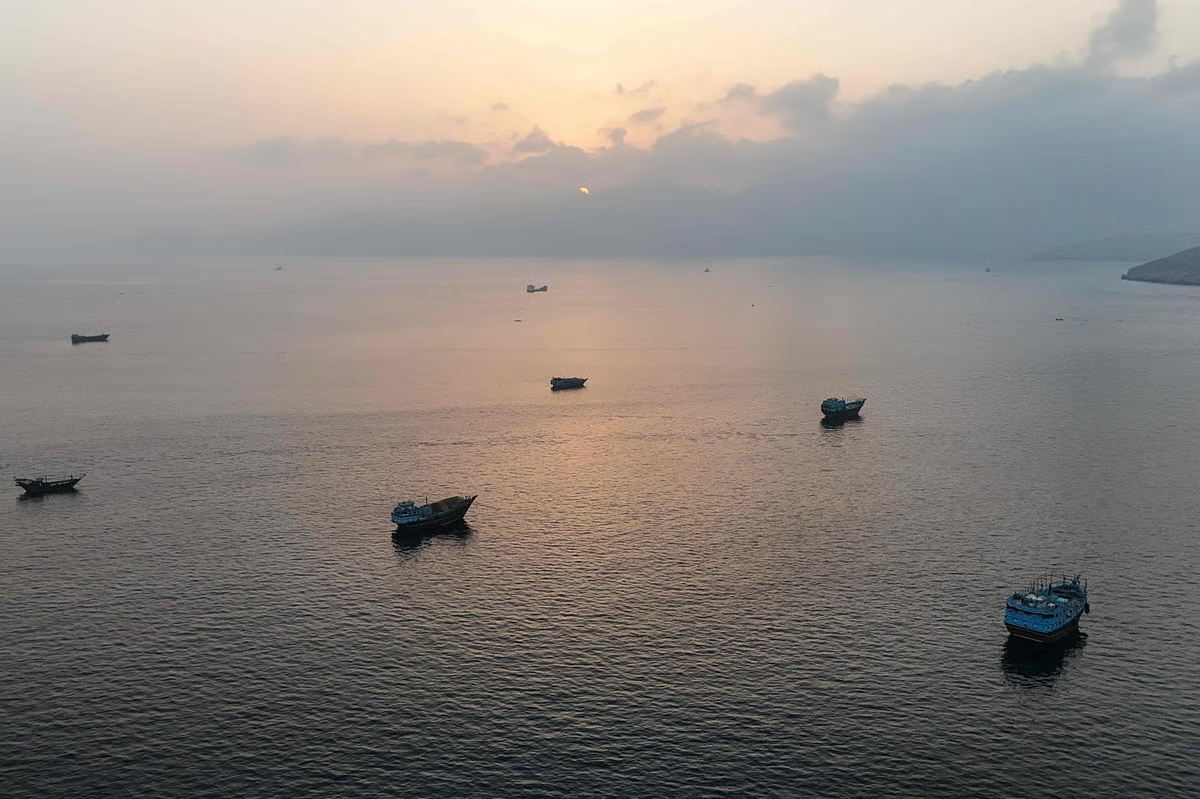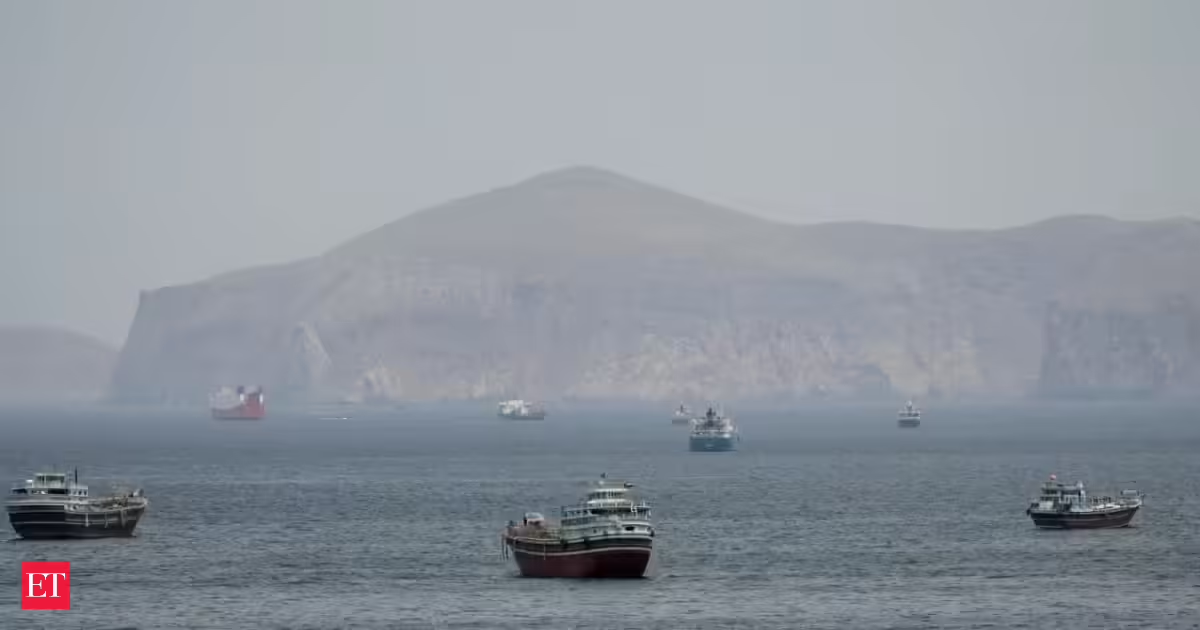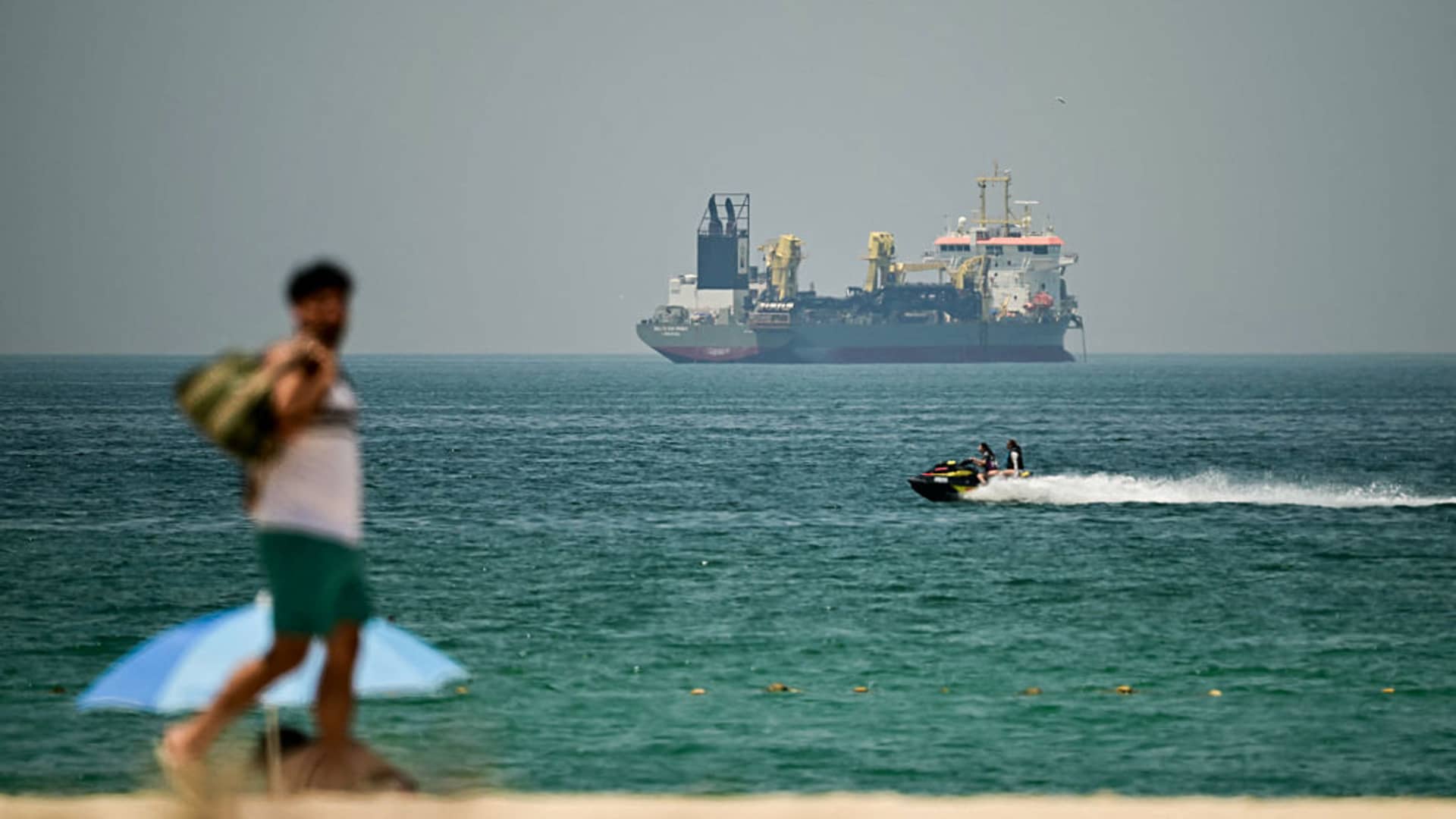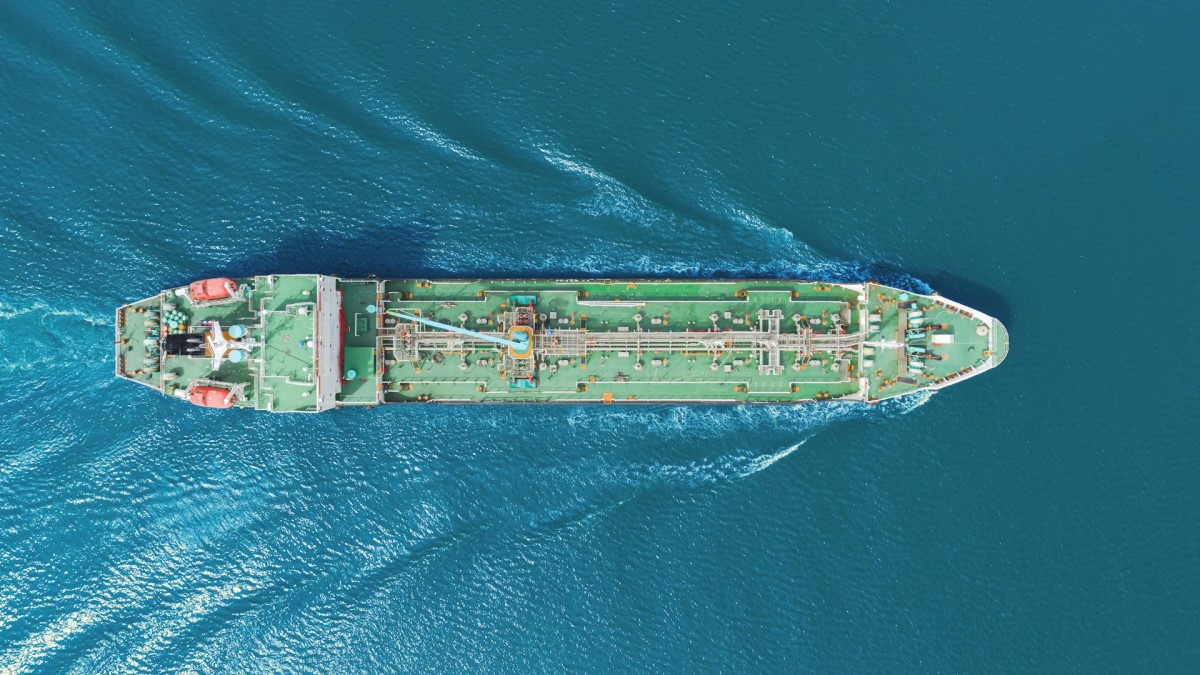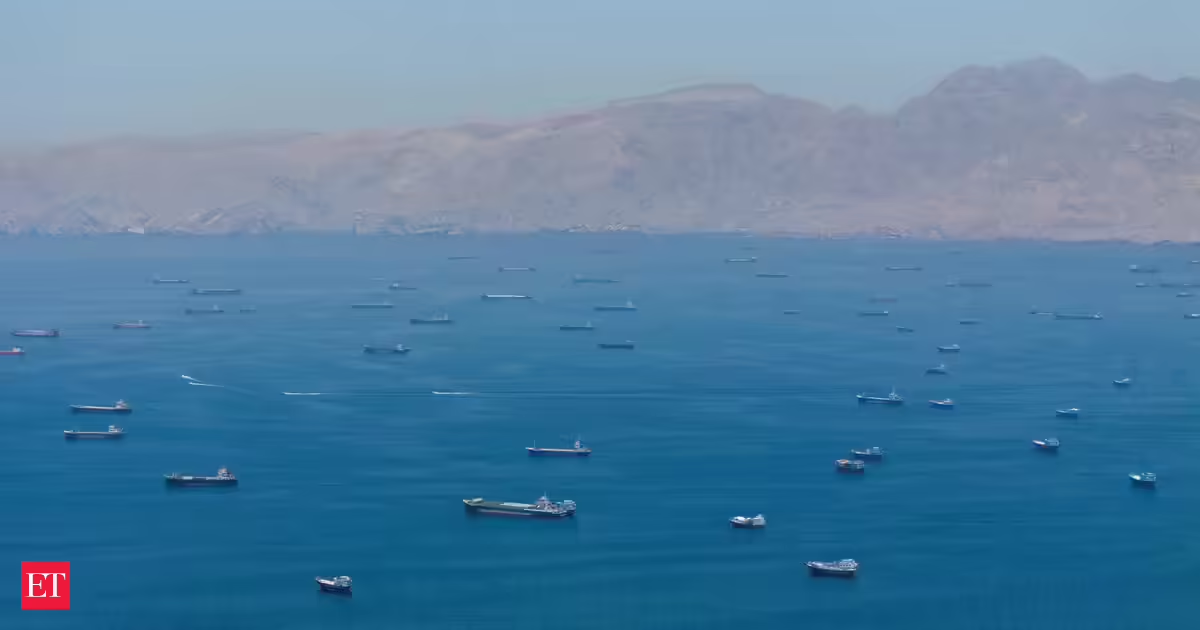
SynopsisVessel traffic through the Strait of Hormuz saw a dip as some shipping companies expressed reduced confidence following weekend attacks on two vessels. While US-assisted navigation continues, a Saudi supertanker and other carriers were tracked with transponders off, suggesting a cautious approach. The situation highlights the critical role of tanker company risk assessment in stabilizing the global oil market amidst ongoing peace talks.ReutersHormuz oil transits continue though attacks make owners waryShips continued to cross the Strait of Hormuz Monday, though the number broadcasting their passage dropped, as some companies said vessel attacks over the weekend had made them less confident about navigation. The US said that Iran attacked an oil tanker on Saturday, just a few days after a container ship was struck by a projectile. The incidents happened in a stretch of water near Oman’s coast through which American forces have been coordinating transits. A military liaison with shipping said Sunday that there had been no interruption in US-assisted navigation, even if traffic dipped “slightly.”Also read: Why India stayed resilient through the Hormuz crisisThe risk tolerance of tanker companies and their crews is critical to returning the global oil market to normal and unlocking millions of barrels of supply. Speaking privately, officials from five owners said they deemed transit as less safe following the two recent attacks — although others said there had been no material change in their analysis.The US and Iran also agreed to stop attacking each other while peace negotiations are going on, offering hope that vessels could be safe too. The drop in traffic is in visible flows where vessels have their transponders turned on, showing where they are. But one Saudi Arabian supertanker and three of the nation’s bulk commodity carriers popped up in the Gulf of Oman early on Monday, an indication that they went through Hormuz with their signals off in recent hours, vessel-tracking data show. Over the weekend, a handful of vessels made open transits, including two empty supertankers entering the Persian Gulf and a French-flagged container ship. That included some that went through after the latest tanker attack. Even with the decline in signals, visible traffic is still higher than for most of the US-Iran war. BloombergVessels continued to push through the Strait of Hormuz despite an attack on a laden supertanker over the weekendTwo transit routes have emerged since the interim peace deal came into effect — one in Iranian waters, and the other near the coast of Oman that’s recommended by western navies. Around 80 mines are currently present in the main transit corridor that vessels would normally use, the International Maritime Organization said on Friday.Iran has repeatedly said that ships can’t transit without its permission and the country’s media said ships violating Tehran’s terms would be dealt with more strongly than before.US assistance in transiting Hormuz has meant that more shipowners have been willing to pass, including millions of barrels a day of oil before the interim peace deal came into effect. That accelerated after the agreement came into effect, and some owners that hadn’t previously transited did so even after last week’s attack on a container ship.Also read: Hormuz traffic eases; Iran revives crude supply pitch to IndiaThe departure of the Saudi supertanker marks the first shipment that loaded at the giant Ras Tanura terminal since the ceasefire came into effect. The kingdom has three other vessels currently moored, or just departed from, the export installation’s facilities.Bigger ThreatFollowing the recent attacks, the Joint Maritime Information Center — which liaises between navies and merchant shipping — raised its threat level in the region to “substantial,” having only recently lowered it to “moderate.” It said that traffic dipped slightly but hasn’t been interrupted.Some vessels that recently abandoned crossings, including two laden VLCCs and an inbound Qatar-owned gas carrier, have not made fresh attempts following the attacks.BloombergHormuz traffic eases after fresh attacks on ships Another key market detail is inbound traffic. That’s because the ability to get empty tankers via Hormuz into the Persian Gulf will be crucial for regional energy producers as they seek to restart output after months of shut-ins. Aside from the two inbound VLCCs, a Norwegian-flagged products tanker, a US-sanctioned tanker and a liquefied-petroleum-gas carrier made their way into the gulf after the attack on Kiku. In the other direction, meanwhile, in addition to the three vessels, a products tanker and a US-sanctioned crude tanker sailed through. Some inbound vessels haven’t been signaling until they arrive at their loading terminal, another example of how it has become harder to track the true scale of traffic flowing through. Read More News on
Hormuz oil transits continue though attacks make owners wary
Vessel traffic through the Strait of Hormuz saw a dip as some shipping companies expressed reduced confidence following weekend attacks on two vessels. While US-assisted navigation continues, a Saudi supertanker and other carriers were tracked with transponders off, suggesting a cautious approach. The situation highlights the critical role of tanker company risk assessment in stabilizing the global oil market amidst ongoing peace talks.
766 words~3 min read