view more
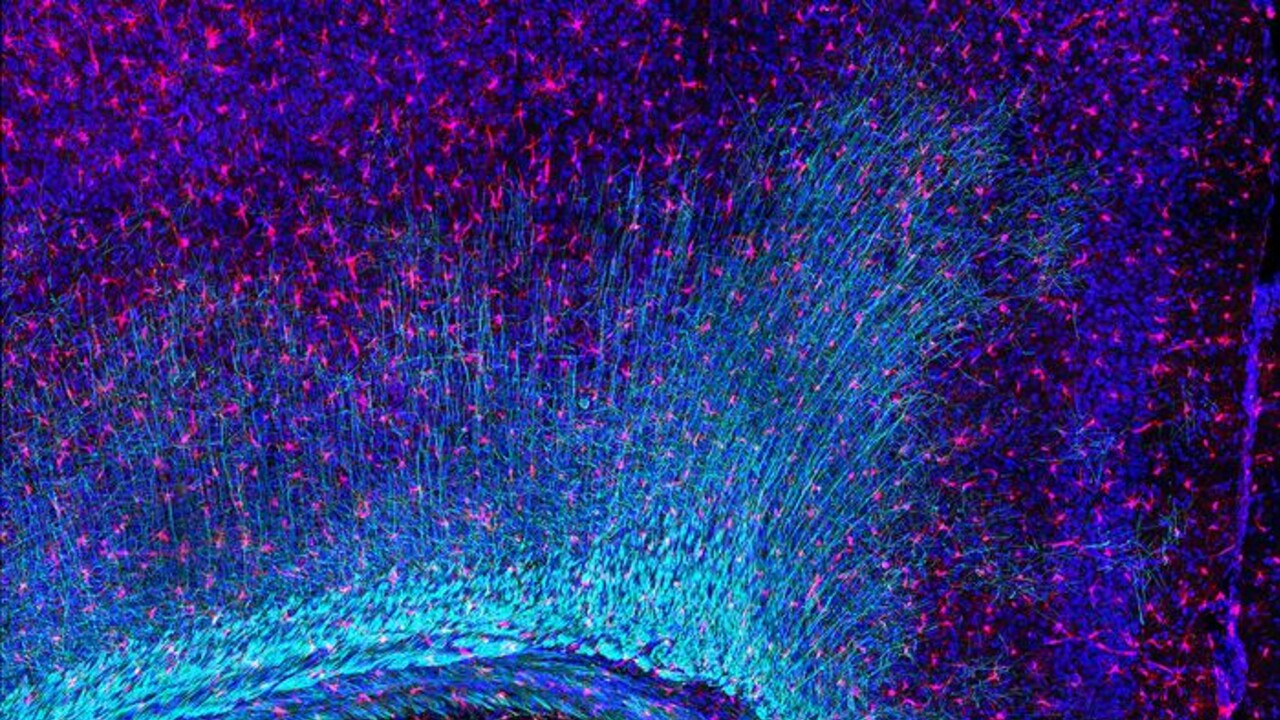
Rosa Chiara Paolicelli’s team at the Department of Biomedical Sciences of Unil uncovered a new role for the TDP-43 protein in controlling the function of microglia, the immune cells of the brain. Their study shows how the loss of this protein in microglia may contribute to the development of neurological diseases. The findings have been published in Nature Neuroscience.
The biology of microglia lies at the heart of the research conducted by Rosa Chiara Paolicelli’s group, Associate Professor in the Department of Biomedical Sciences at the Faculty of Biology and Medicine of the University of Lausanne (Unil). While microglia are considered the primary defense of the central nervous system, they are also involved in various neurodegenerative diseases. In their latest study, the Lausanne-based team demonstrated how dysfunctional microglia can disrupt brain function and lead to motor deficits. The study was published in the 8 July 2026 issue of Nature Neuroscience.
The Brain’s “Guardians”
Microglia are small cells belonging to the glial cell family that reside in the central nervous system (the brain, spinal cord, and retina). They are the principal immune cells of the brain, often referred to as its “guardians.” In addition to destroying pathogenic foreign agents and fighting infections, they are also responsible for clearing dead cells and other cellular debris.