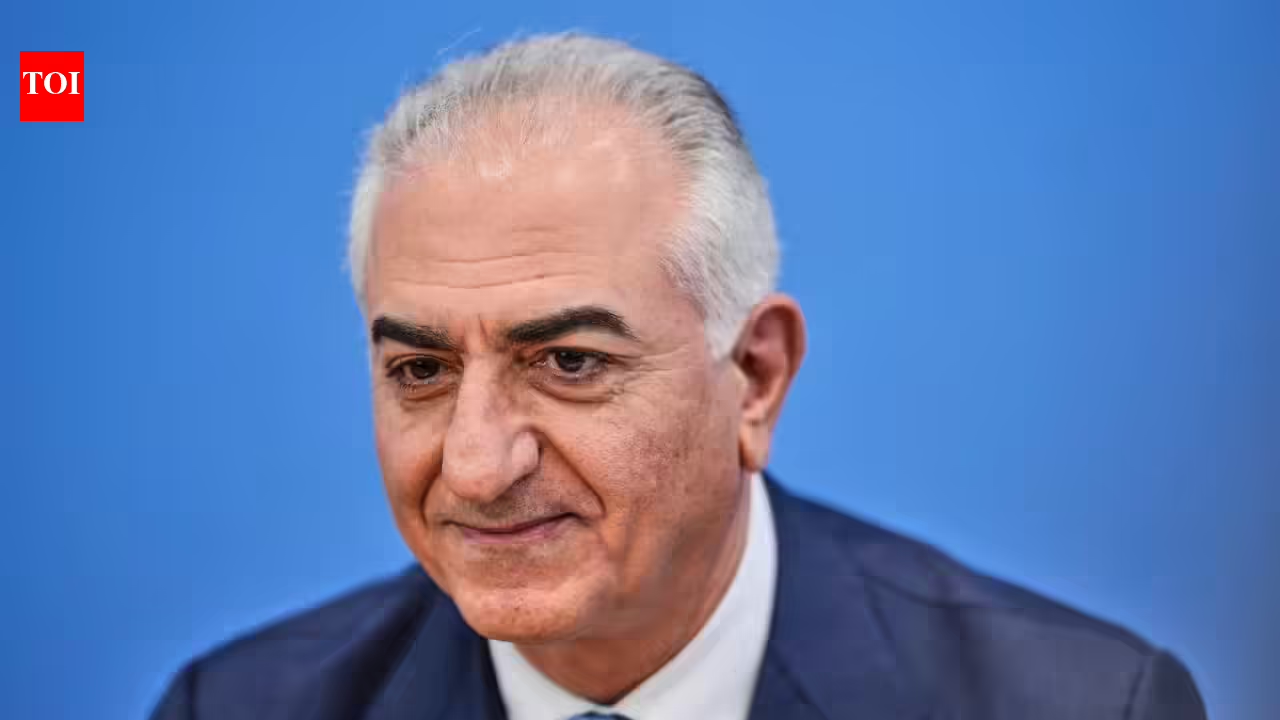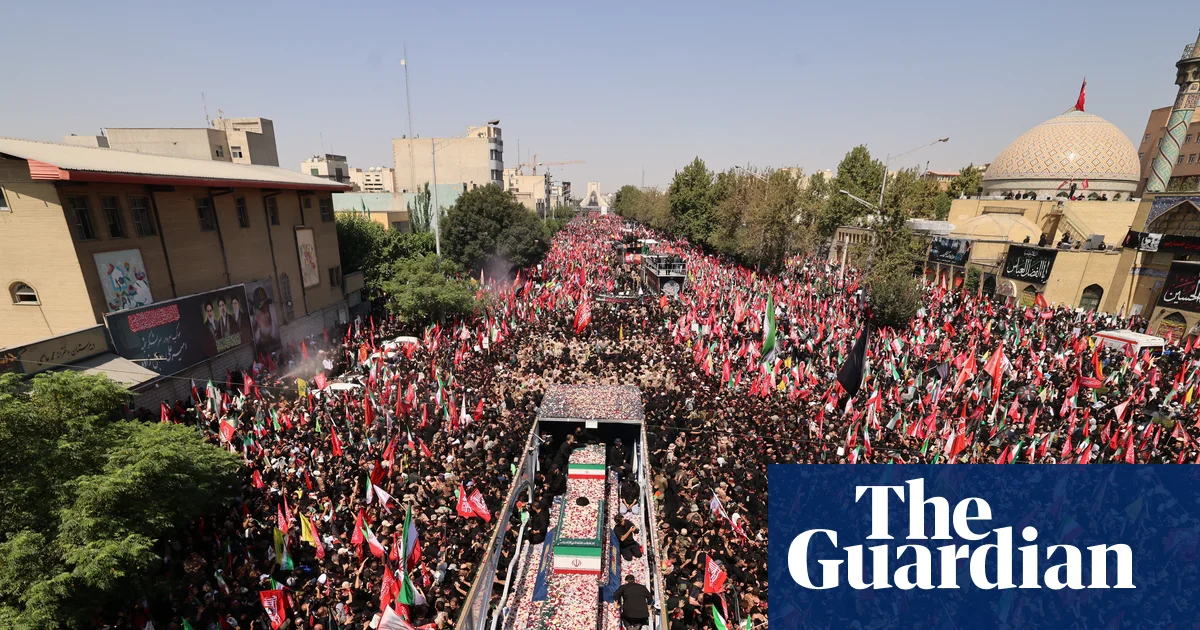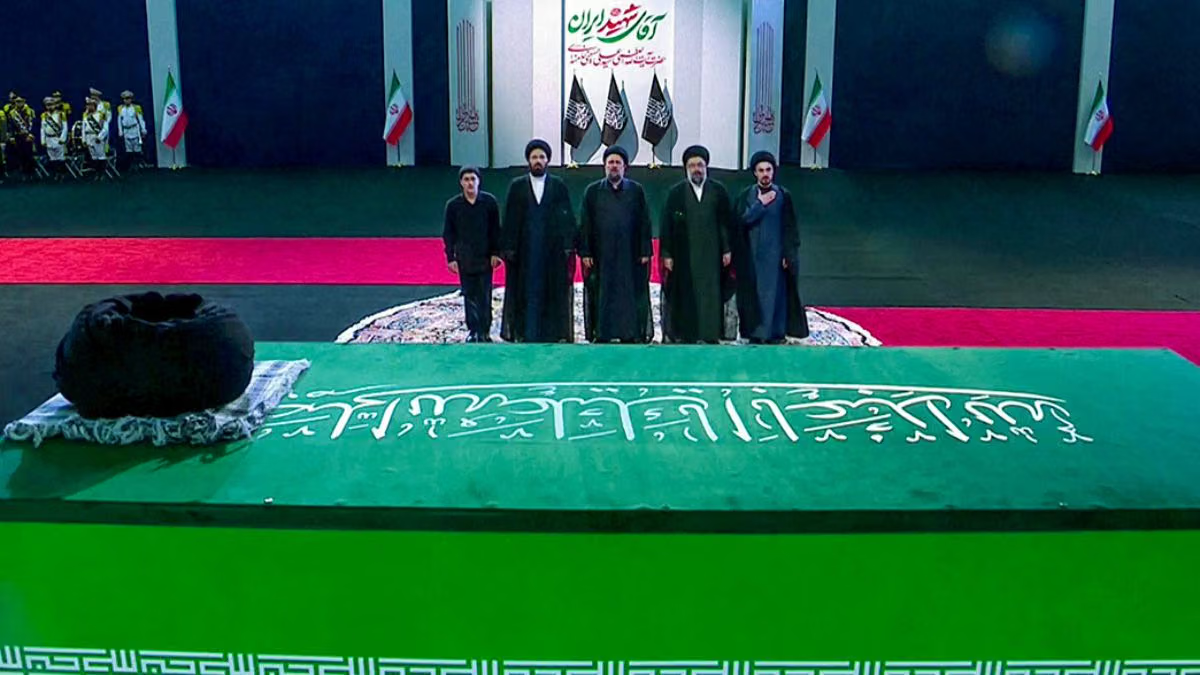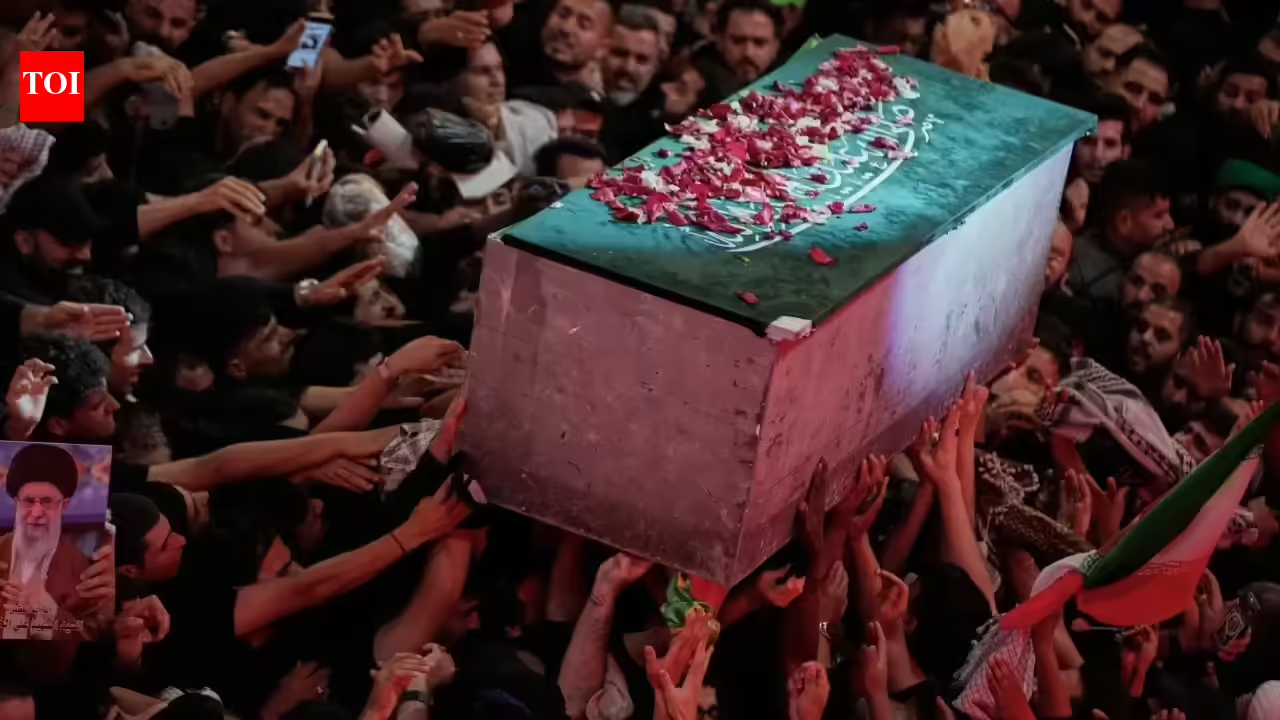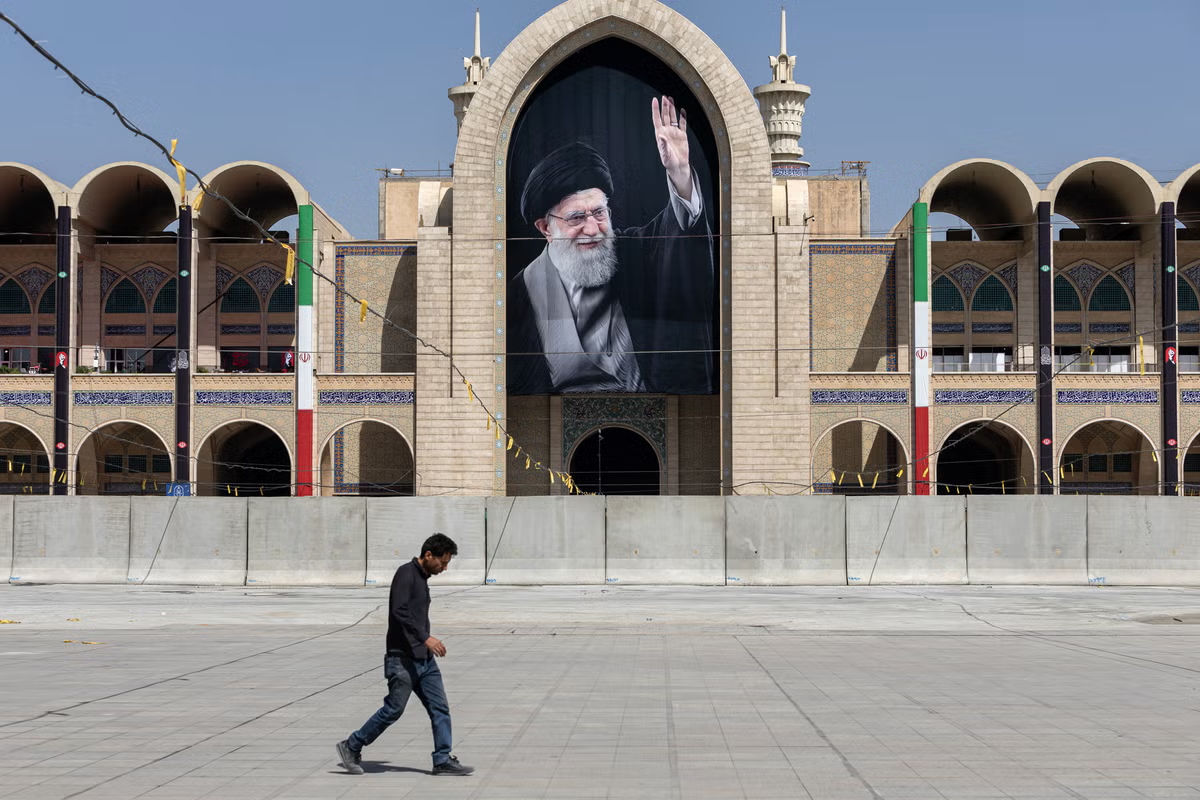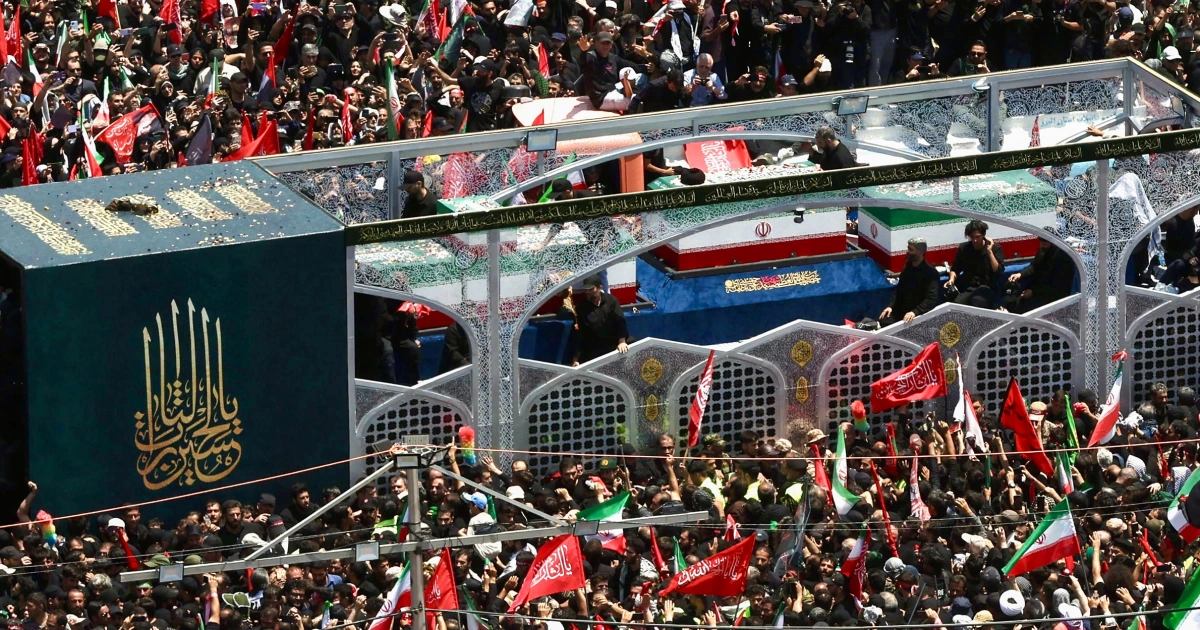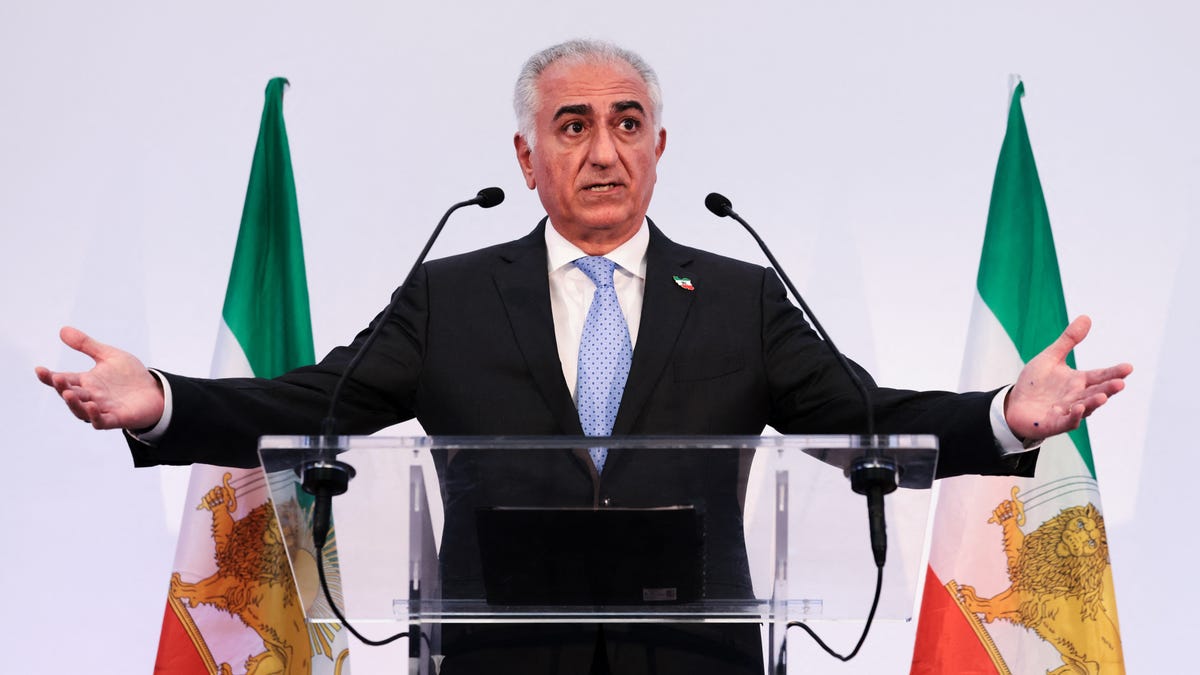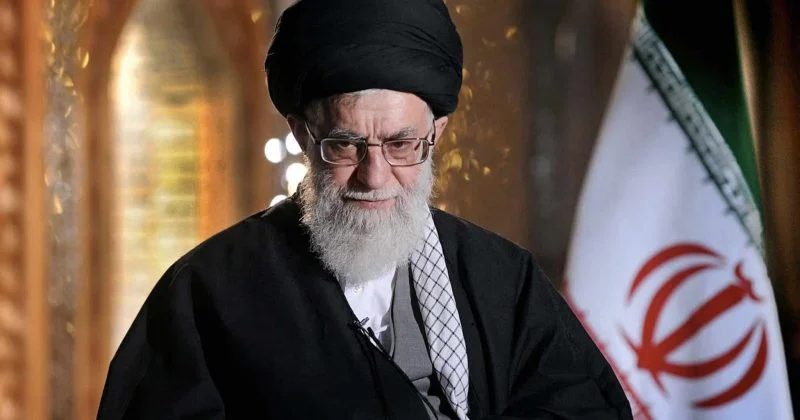
Iran’s exiled Prince Reza Pahlavi has accused the Islamic Republic of leveraging the state funeral of former Supreme Leader Ali Khamenei to bolster its legitimacy. The funeral ceremonies, spanning multiple days and featuring processions in key Iranian and Iraqi cities, are seen by Pahlavi as an attempt to overshadow the dissenting voices of the Iranian populace. This comes amidst escalating tensions in the region following Khamenei’s assassination and ongoing U.S.-Israeli military engagements with Iran. Pahlavi’s comments highlight the deep political divisions within Iran and raise questions about the regime’s stability during this leadership transition period.
The leadership transition has prompted speculation about potential changes in Iran’s governance. Markets are reflecting a slight increase in the perceived probability of a leadership change by the end of 2026, although the absence of direct evidence for imminent shifts tempers expectations. The ongoing geopolitical strife and internal political discord could play significant roles in shaping the future of Iran’s leadership.
In prediction markets, the likelihood of a leadership change in Iran by December 31, 2026, has experienced minor fluctuations. As of now, the probability stands at 16.5% for a change by the end of the year, showing a modest increase from previous assessments. This movement suggests that market participants are weighing Pahlavi’s accusations and the broader geopolitical context as factors potentially influencing Iran’s political landscape.