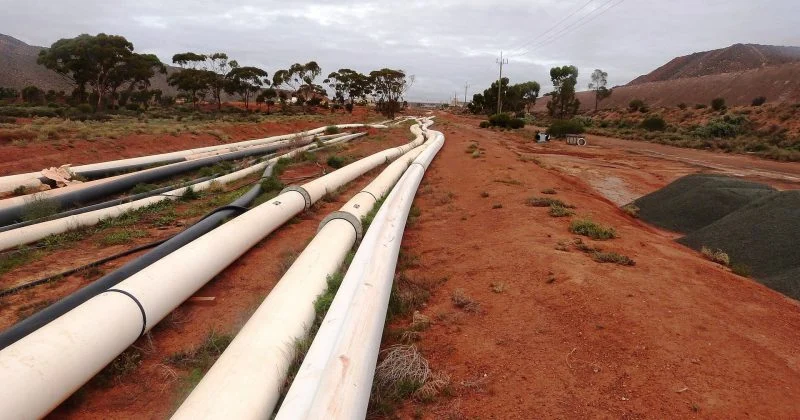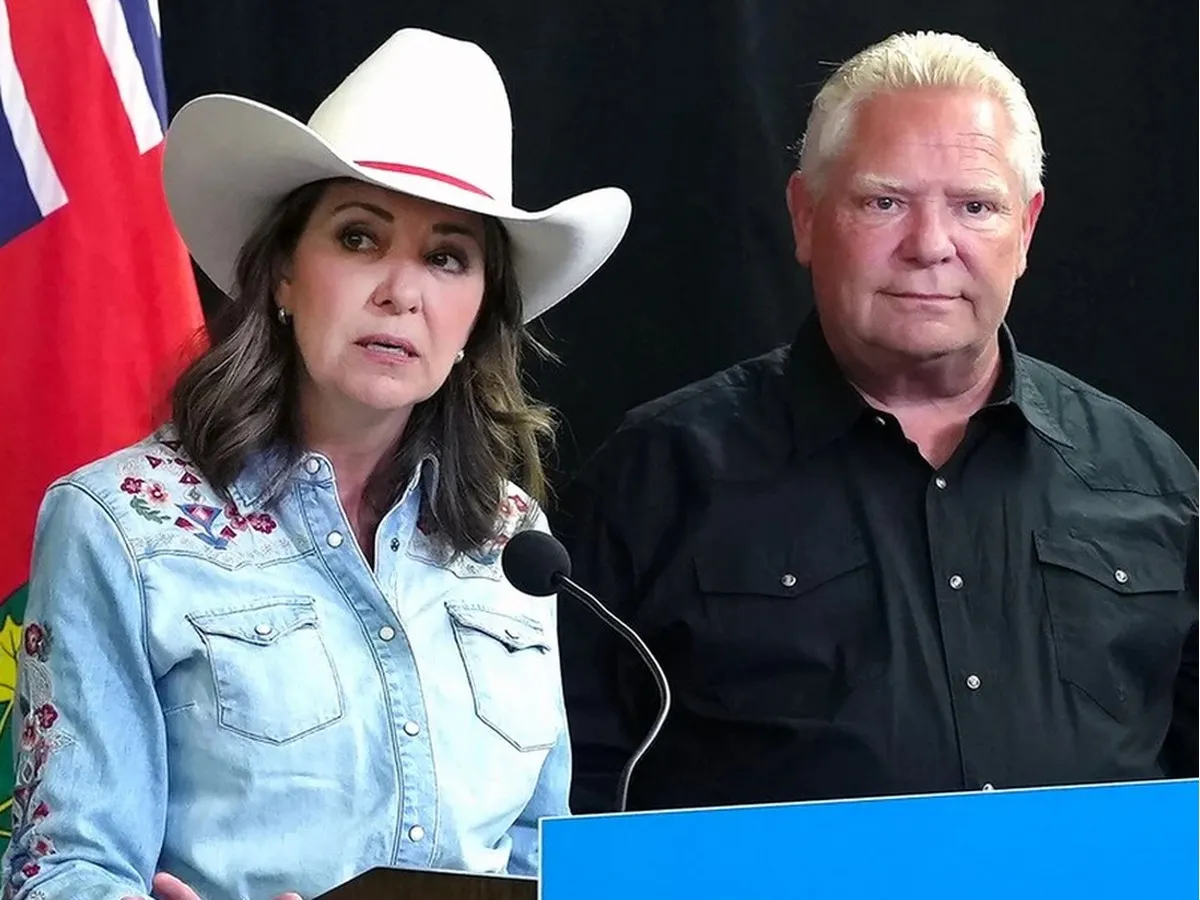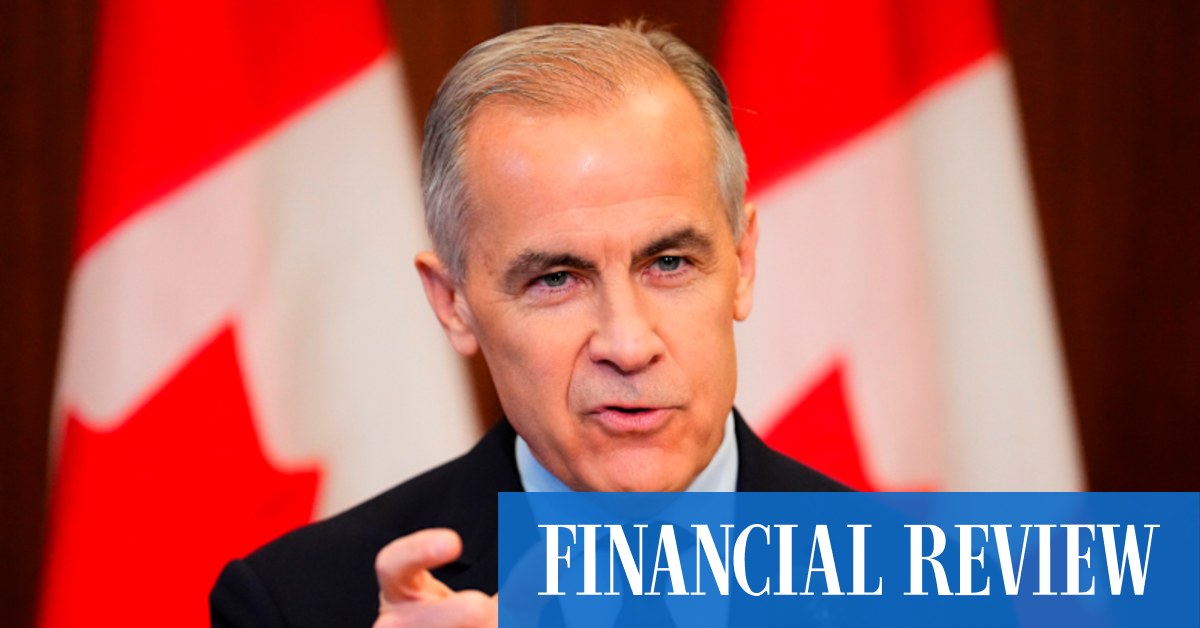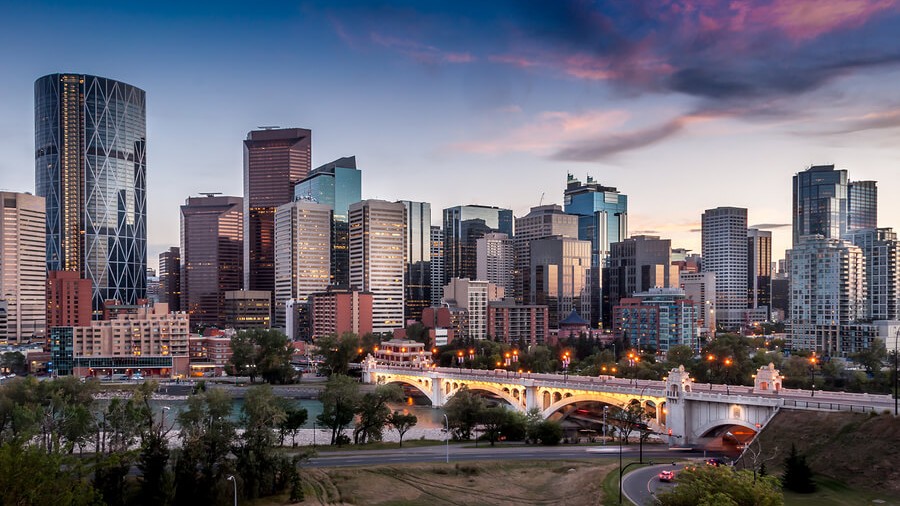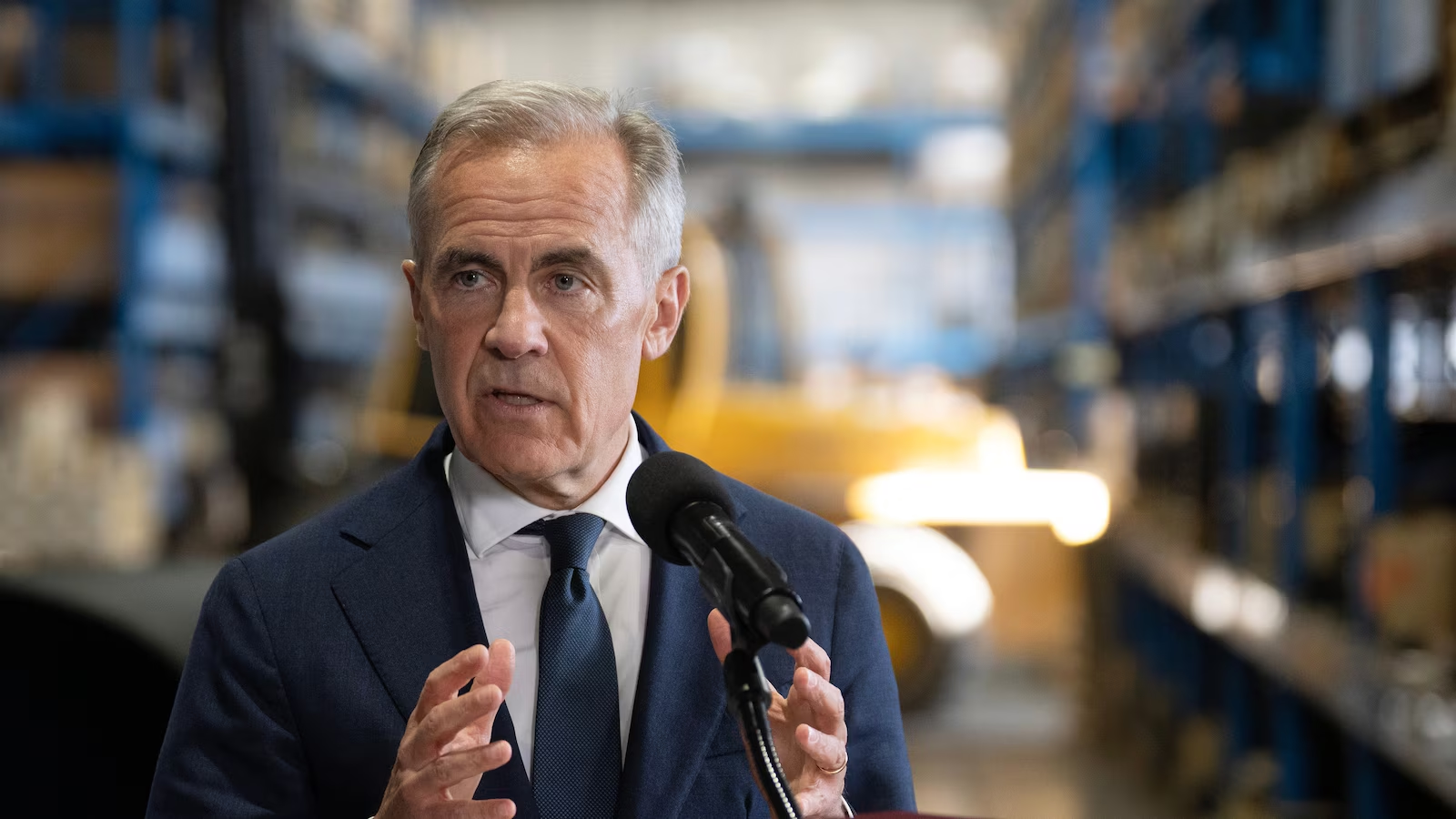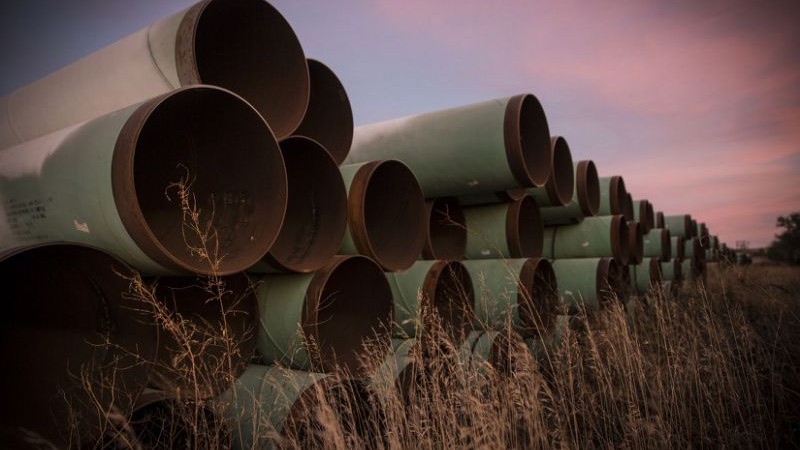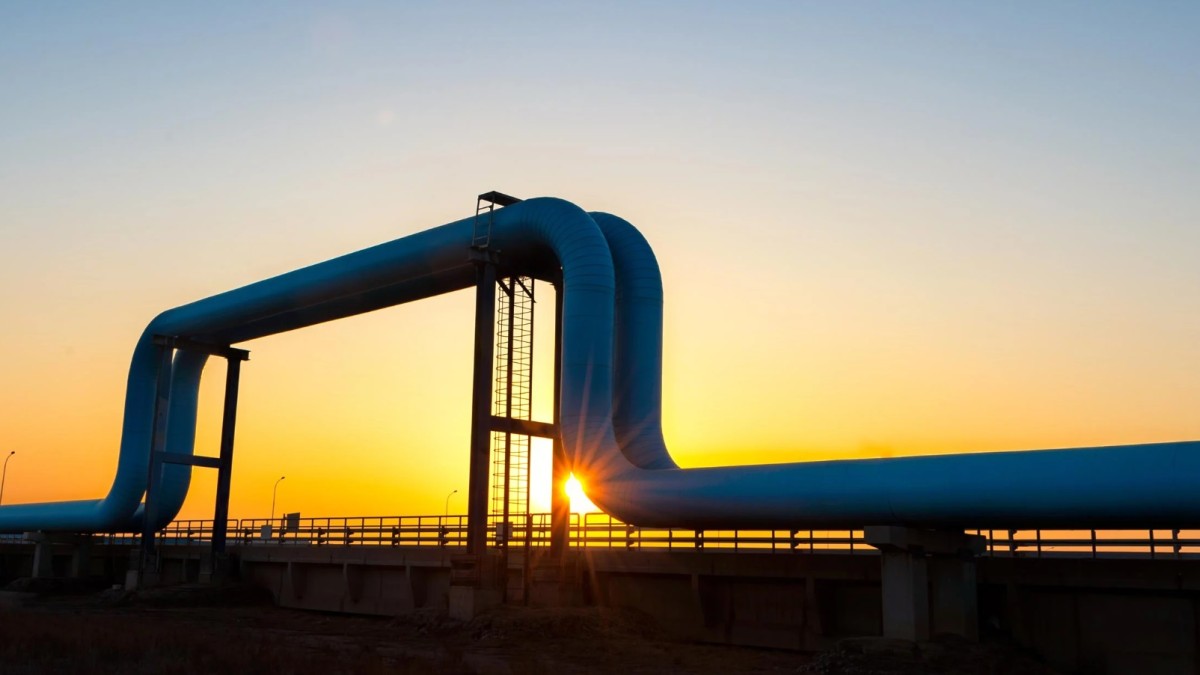
The governments of Canada and Alberta signed a Memorandum of Understanding (MOU) on a West Coast oil pipeline on Nov. 27, 2025.The landmark MOU declared the proposed oil pipeline to Asian markets as a potential project of national interest. Prime Minister Mark Carney and Premier Danielle Smith signed a subsequent Implementation Agreement on May 15, 2026, which outlines specific timelines to push for construction approval as early as September 2027.On July 2, the pair announced the new pipeline from Alberta to British Columbia will be built as a private-public partnership.Crucially, the line would take the “southern route”, following the corridor of the existing Trans Mountain pipeline, which is federally owned and runs from Edmonton to a terminal in Burnaby, BC, an eastern suburb of Vancouver.The terminus is expected to be Roberts Bank near Tsawwassen on the southwest BC coast. The site already houses a coal port and container shipping facility. According to a project summary, the Roberts Bank Delivery Terminal would encompass about 260 hectares and would include two berths able to accommodate large ocean-going crude oil tankers. Each ship can carry about two million barrels of oil.By dodging the northern route, the 1,200-km pipeline avoids crossing through lands owned by First Nations, which have adamantly opposed any such project running through their territories. (Indigenous groups effectively put the kibosh on the Enbridge Northern Gateway pipeline. The Federal Court of Appeal overturned its approval in 2016, citing that the federal government failed to adequately consult with affected first nations.)Also, a federal tanker ban exists on the northern BC coast. British Columbia Premier David Eby had refused to back a pipeline that would put the ban on oil tanker traffic in jeopardy.Even with a more palatable route and partners announced — Trans Mountain Corporation will plan and construction the million-barrels-a-day pipeline working closely with Pembina Pipeline Corporation (TSX:PPL) — the project still faces questions over cost.Critics note the cost of the Trans Mountain pipeline ballooned from $4.5 billion, when the federal government bought it from Kinder Morgan (NYSE:KMI) in 2018, to more than $35B by the time it started operating in May 2024.The province of BC estimates the new pipeline to the West Coast could run between $35 billion and $43 billion by the time it’s completed between 2032 and 2034.In an interview with CBC News, Energy Minister Tim Hodgson said that any public dollars spent on the pipeline would generate a substantial return, citing the revenues generated by Trans Mountain.“The Trans Mountain pipeline is a money maker. It's one of the best assets that this the country has,” Hodgson said. “It is generating oodles of cash.”Less than a week following the West Coast pipeline announcement, the Alberta premier was again in the news, this time with Ontario Premier Doug Ford, pushing the idea of a new 3,300-km pipeline that would run from Hardisty, Alberta to Sarnia, Ontario.Global News reported on July 6 that the plan follows an agreement signed between Ontario, Alberta and Saskatchewan to explore an east-west energy corridor and railway.Ford said Monday that the pipeline would be known as the Northern Shield Energy Corridor and was designed to take advantage of oil-refining capacity in Sarnia.A feasibility study is currently underway involving various consulting groups…The Ontario government estimated the pipeline would move 500,000 barrels of oil per day for domestic use.Building new pipelines is a significant departure from the previous Liberal government led by Justin Trudeau, who preferred to focus on social programs and the environment.Under the current Prime Minister, Mark Carney, Trudeau-era environmental policies have been rolled back, including canceling the consumer carbon tax and pausing the electric vehicle mandate.Carney has also shown to be significantly more pro-resource development than Trudeau by accelerating regulatory approvals and fast-tracking pipeline infrastructure.In August 2025, Carney launched the Major Project Office to fast-track nation-building infrastructure, energy and critical mineral projects. The MPO was partly a response to anti-Canada policies being implemented by the United States under President Trump, including damaging tariffs on aluminum and steel, threats to make Canada “the 51st state”, and to demote its prime minister to the status of “governor”.Canadians have also responded to Trump’s rhetoric by refusing to buy products made in America and by canceling trips state-side.By Andrew Topf for Oilprice.comMore Top Reads From Oilprice.comTrump Targets California Again In SpaceX FeudColombia's Oil and Gas Reserves Keep ShrinkingLargest Data Center Project Ever Proposed Is Officially Dead
Canada Eyes Two New Oil Pipelines | OilPrice.com
Canada is fast-tracking a new West Coast oil pipeline from Alberta to British Columbia as a public-private partnership, aiming to boost crude exports to Asia via a southern route that avoids major Indigenous and regulatory obstacles.
728 words~3 min read