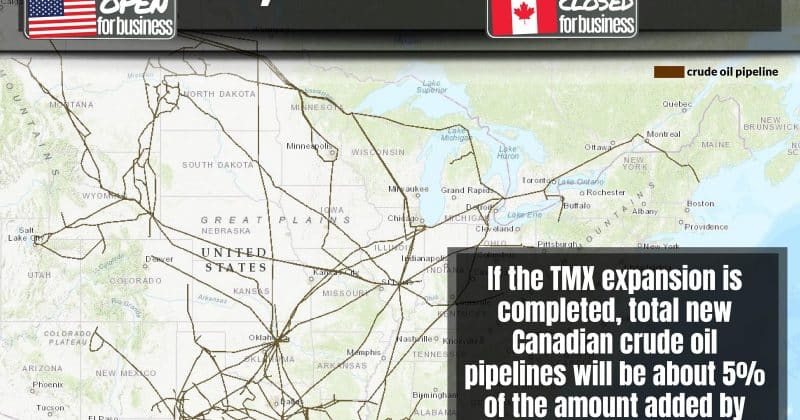
Alberta and Ontario have proposed a major crude oil pipeline and energy corridor across Canada to reduce reliance on the U.S. market, with the intention of enabling exports to Asian markets. The plan includes a 1-million-barrel-per-day pipeline to the west coast, passing through British Columbia. This initiative, with a significant $35 billion estimated cost, follows an Implementation Agreement finalized earlier this year and a recent submission to the federal Major Projects Office. Construction could commence as early as September 2027, contingent upon Indigenous consultations and necessary approvals. This strategic move aims to diversify Canada’s oil export destinations, as nearly 90% of its current crude exports are to the U.S.
Key Takeaways
The proposal for a cross-Canada pipeline suggests a strategic effort to diversify oil export markets, reducing U.S. dependency.
Market pricing indicates a slight increase in expectation for crude oil to reach a new all-time high by year-end, with current odds at 8% for December.
The initiative could influence broader oil market dynamics, potentially affecting global crude oil pricing and supply chains.