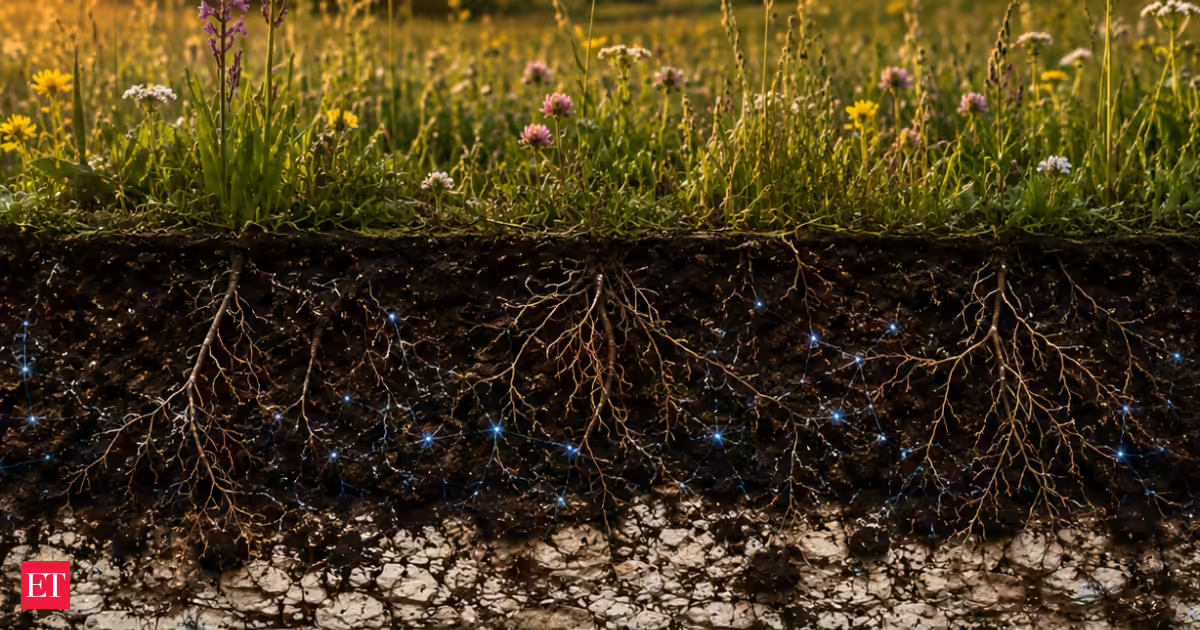
Researchers from the University of São Paulo and the Brazilian Agricultural Research Corporation showed in a study that the ancient organic-rich soil known as Amazonian dark earth (ADE) boosted seedling growth under real field conditions.The investigation suggests ADE could work as a “biological engineer” by reshaping the soil’s microbiome, increasing beneficial fungal diversity and reducing pathogenic microbes that hinder tree growth.With conservation in mind, scientists are now working to isolate these micro-organisms to develop bioinputs for forest restoration without disturbing the original Amazonian dark-earth deposits.
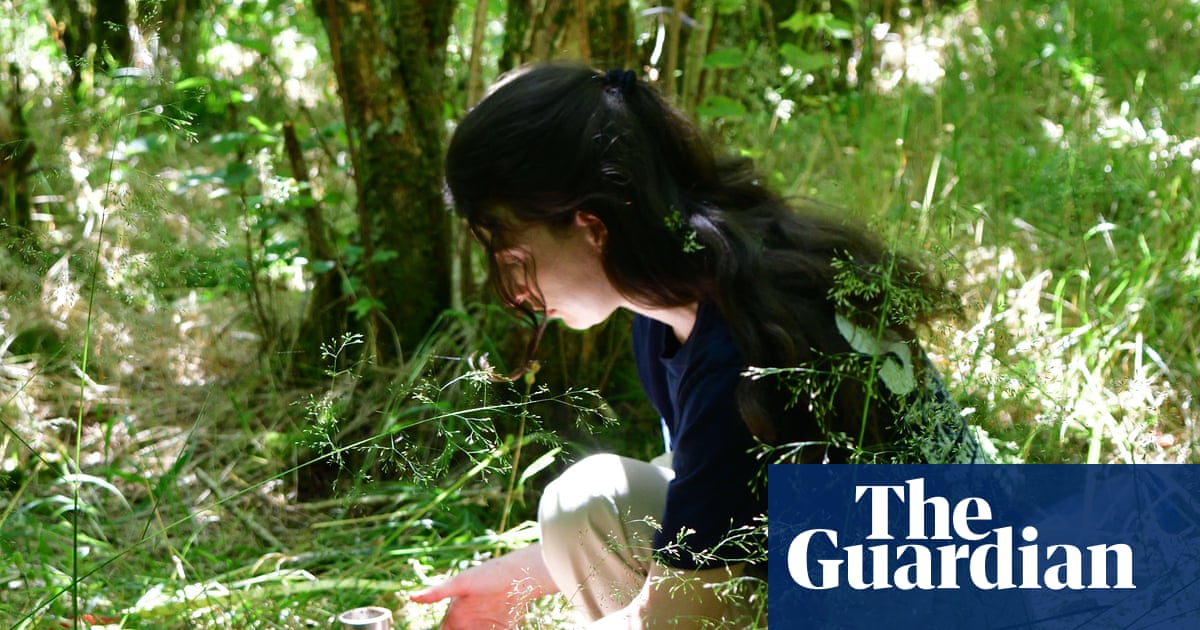
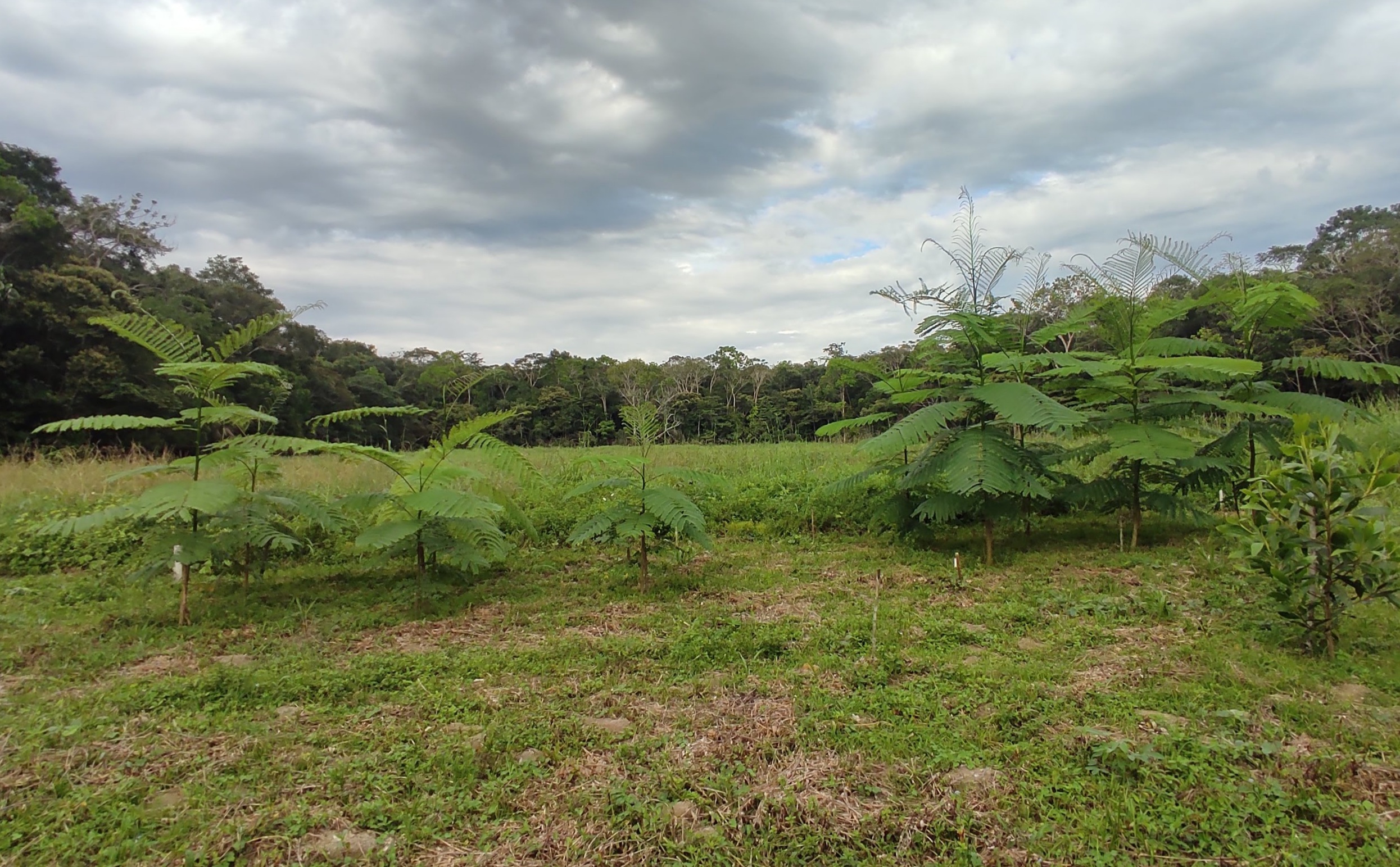
Soil created centuries ago by Indigenous peoples in the Amazon could help speed up recovery of degraded lands, changing the way ecological restoration is approached in Brazil. A study conducted by researchers from the University of São Paulo’s Center for Nuclear Energy in Agriculture (CENA-USP), Brazilian Agricultural Research Corporation (Embrapa) Western Amazon, and the National Institute of Amazonian Research (INPA) found that small amounts of Amazonian dark earth (ADE) significantly increased native tree growth under real field conditions.
The results, published in January 2026 in the academic journal Springer Nature, caught experts’ attention especially regarding Handroanthus avellanedae, locally known as pink ipê, a species found in both the Amazon and the Atlantic Forest. After just 180 days, seedlings grown with modest amounts of ADE were up to 55% taller and 88% larger in stem diameter than those grown without the anthropogenic soil — that is, soil resulting from human action, the study found.