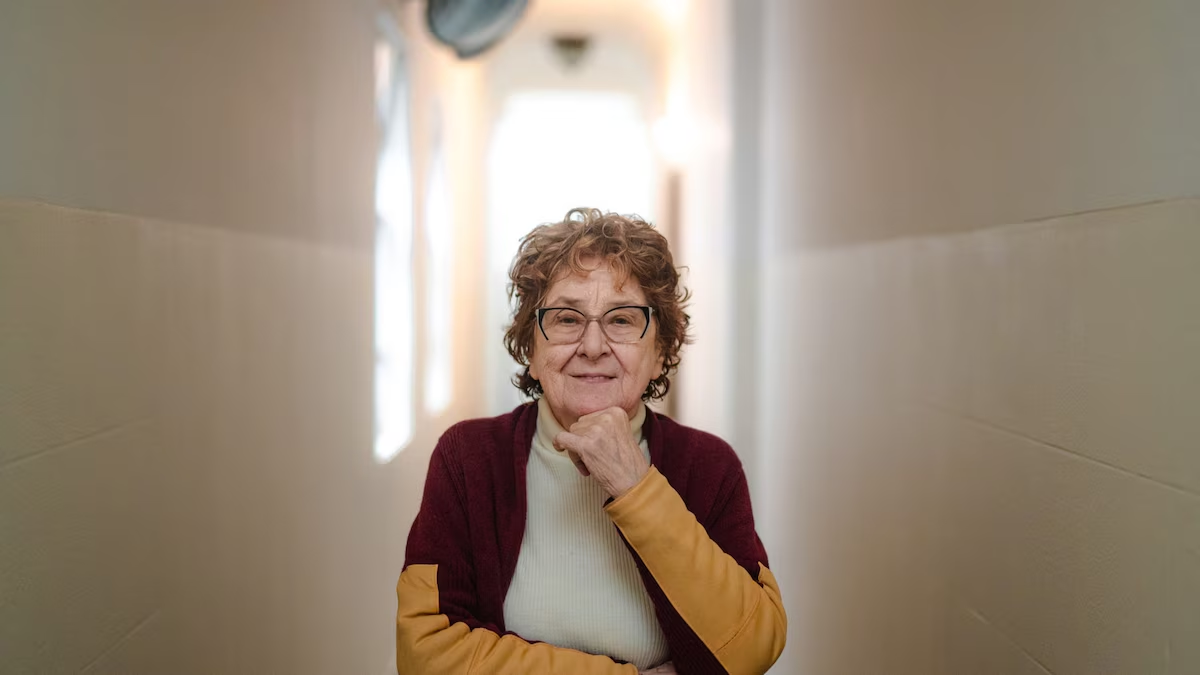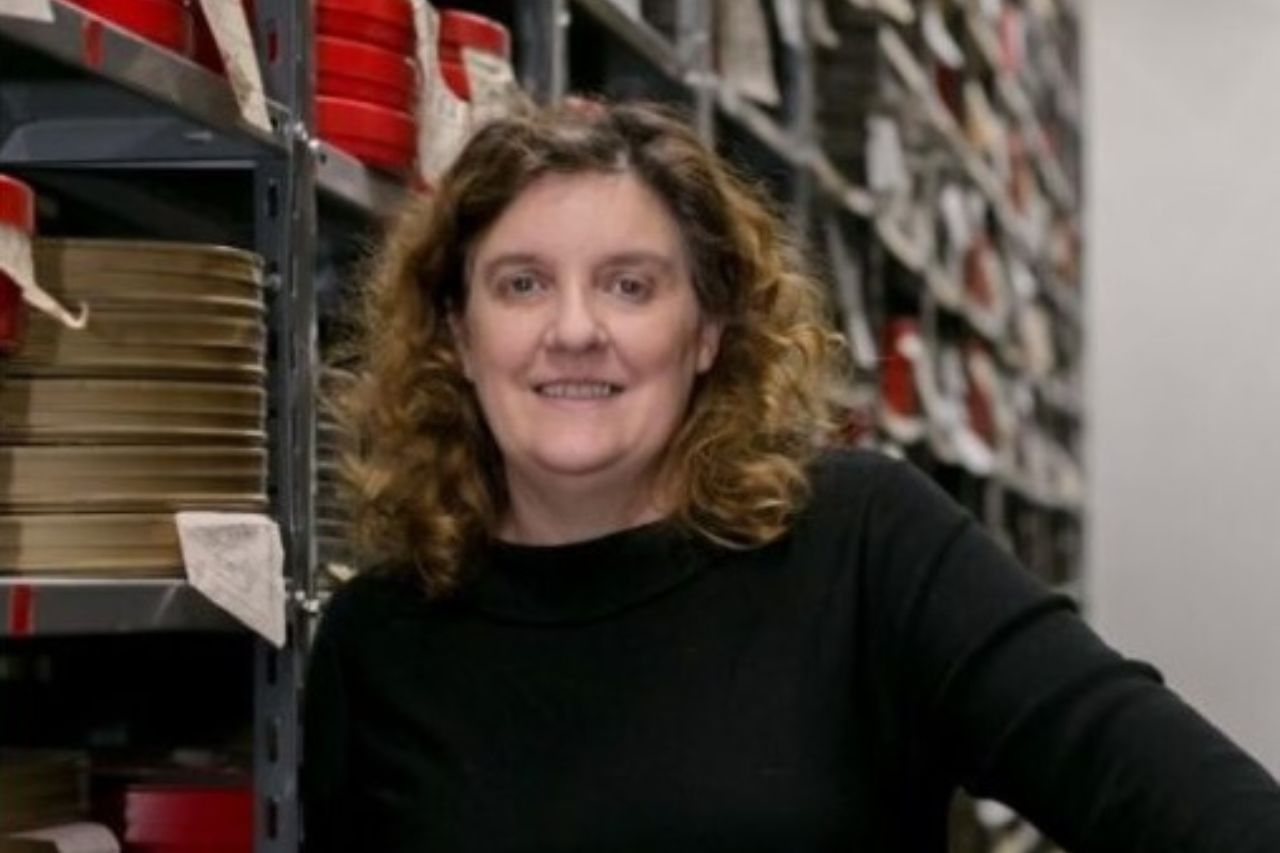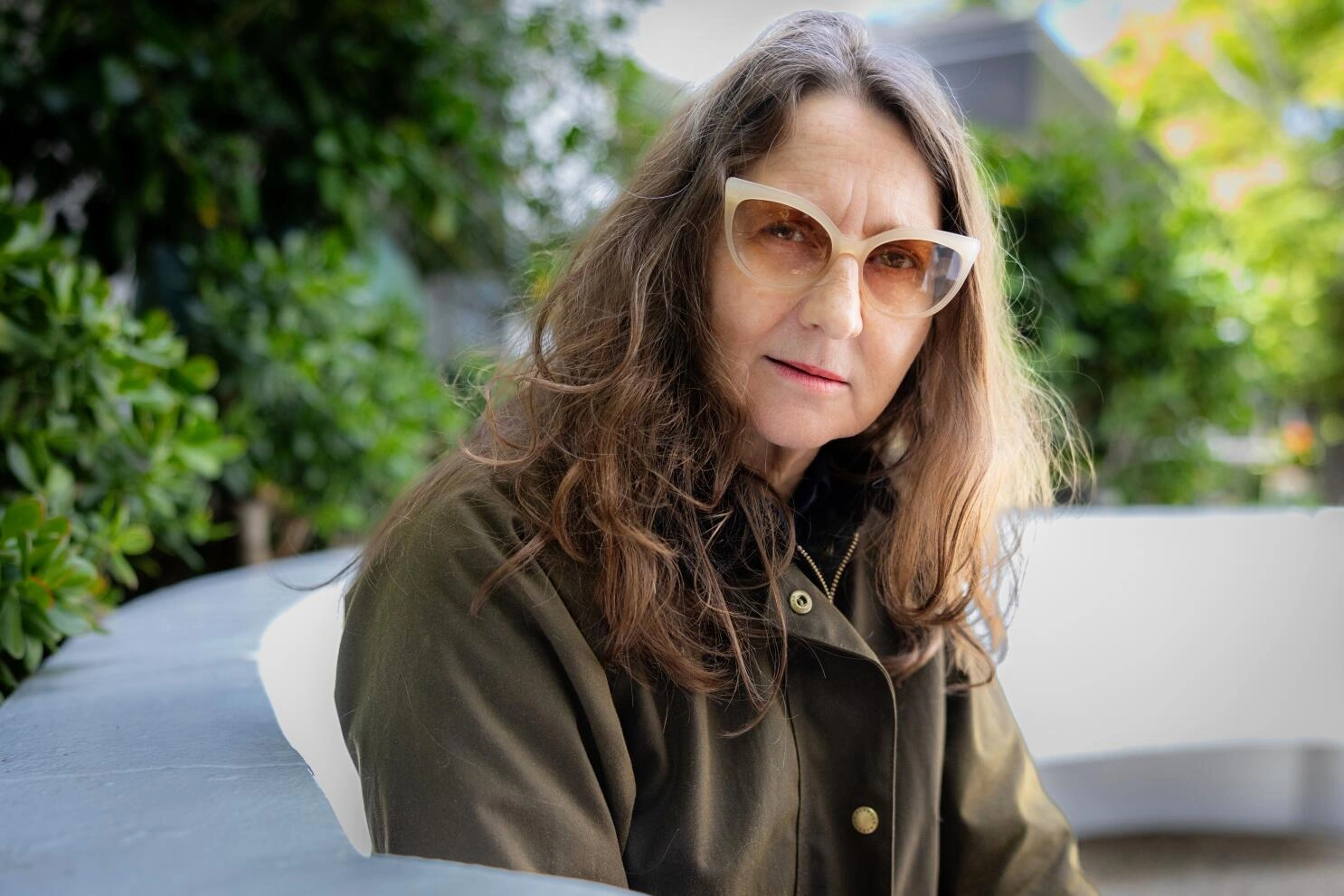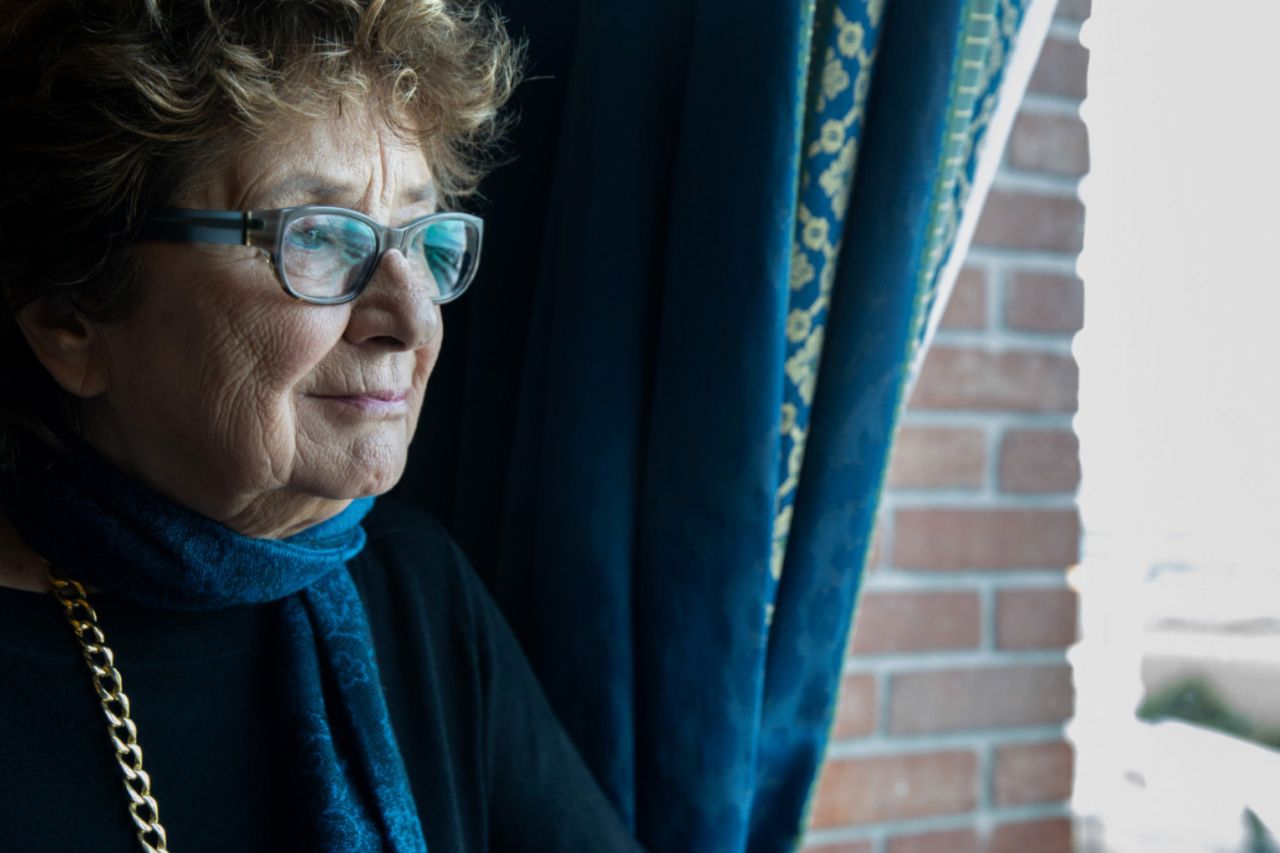
Lita Stantic directed only one film but managed to change Argentine cinema forever.
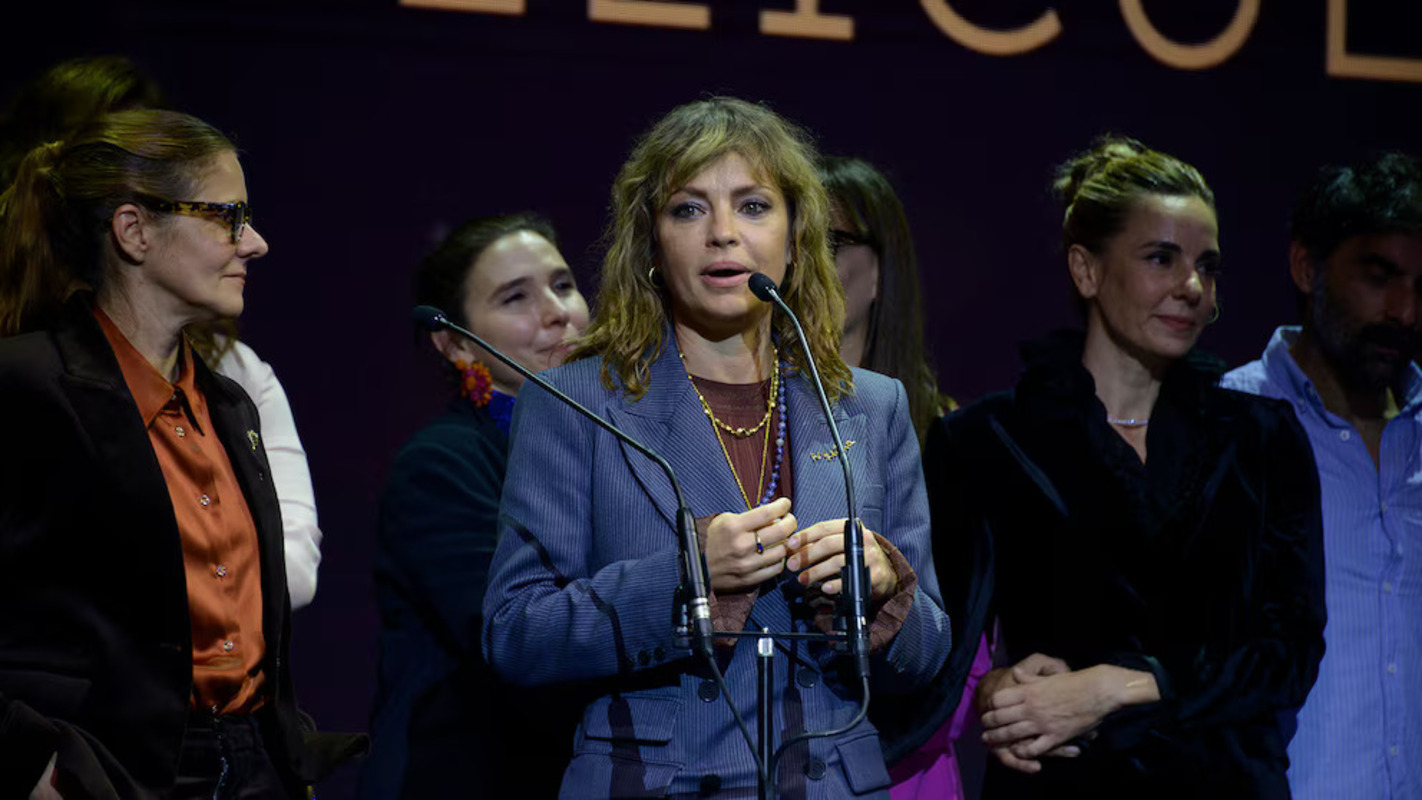
The 85-year-old producer, whose decades-long work is the object of a month-long special program at the Buenos Aires Latin American Art Museum (MALBA) in July, fostered some of Argentina’s most daring directors, like feminist maverick María Luisa Bemberg in the 1980s. Years later, in the early 2000s, she supported and forwarded the new generation of filmmakers that drove New Argentine Cinema, including Lucrecia Martel and Pablo Trapero.
Born in 1941 in Buenos Aires City, Stantic started in the filmmaking world in the 1960s, co-directing short films with her partner Pablo Szir, father of her only daughter Alejandra, as well as filming in the advertising industry.
Szir, who was also a Montoneros guerrilla officer during the military dictatorship that took over the country in 1976, was kidnapped by military forces in October of that year, and is disappeared since then. Although they had separated in 1973, Szir still managed to communicate with Stantic while captive, and was last seen in the clandestine detention center known as Sheraton in the Buenos Aires province.
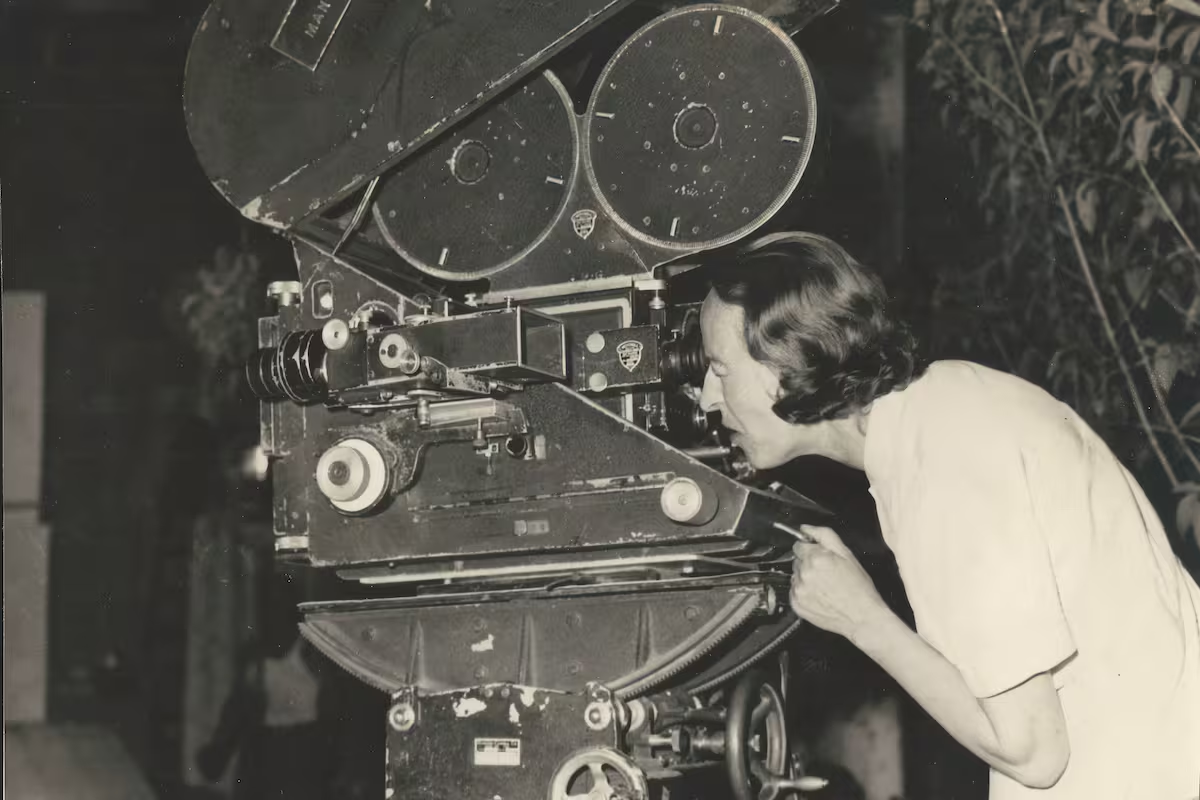
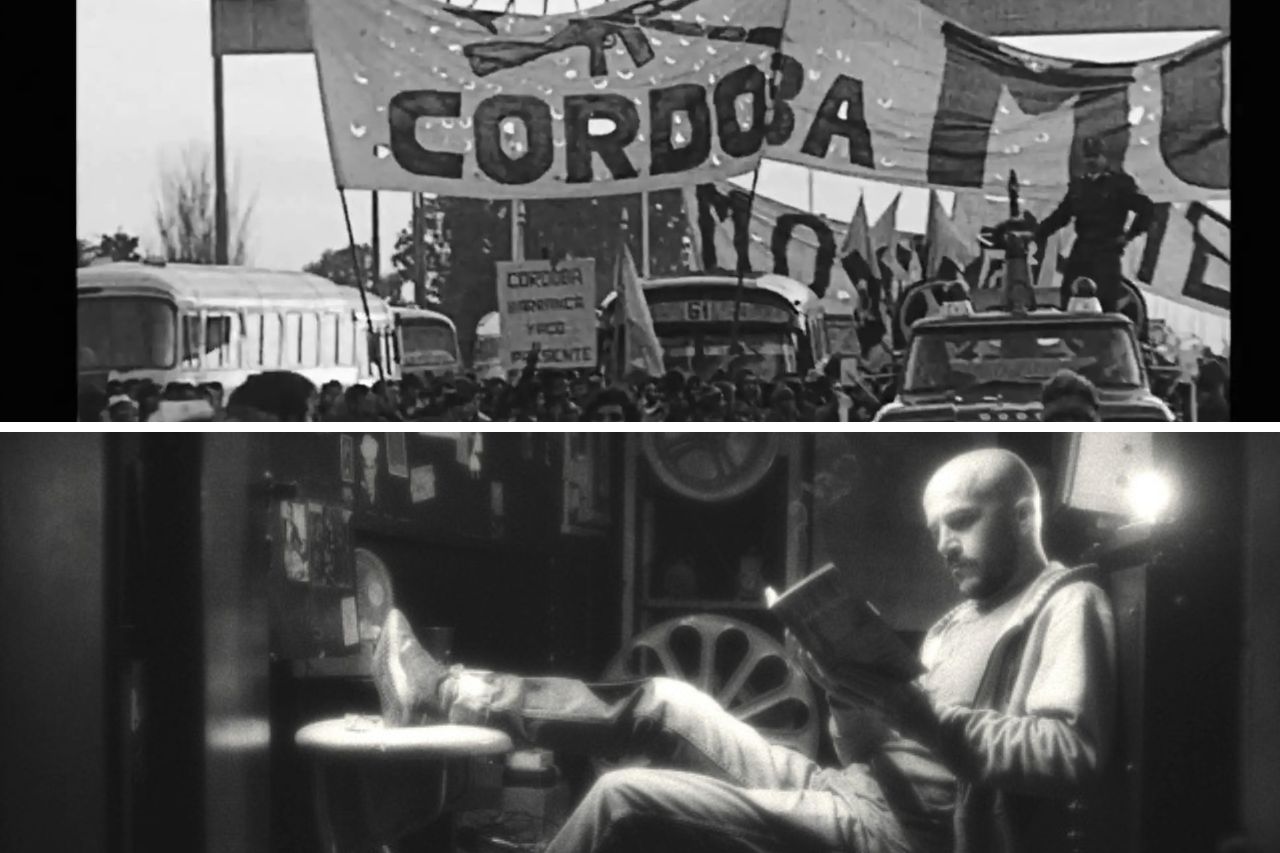
In the 1970s male-dominated film industry, Stantic managed to climb up the ladder and worked as a chief of production for ten years. She was involved in landmark Argentine films like Lautaro Murúa’s La Raulito, Adolfo Aristarain’s La parte del león and the early films of pioneering feminist director María Luisa Bemberg, with whom she founded a production company in 1978, a rarity for two women at the time.