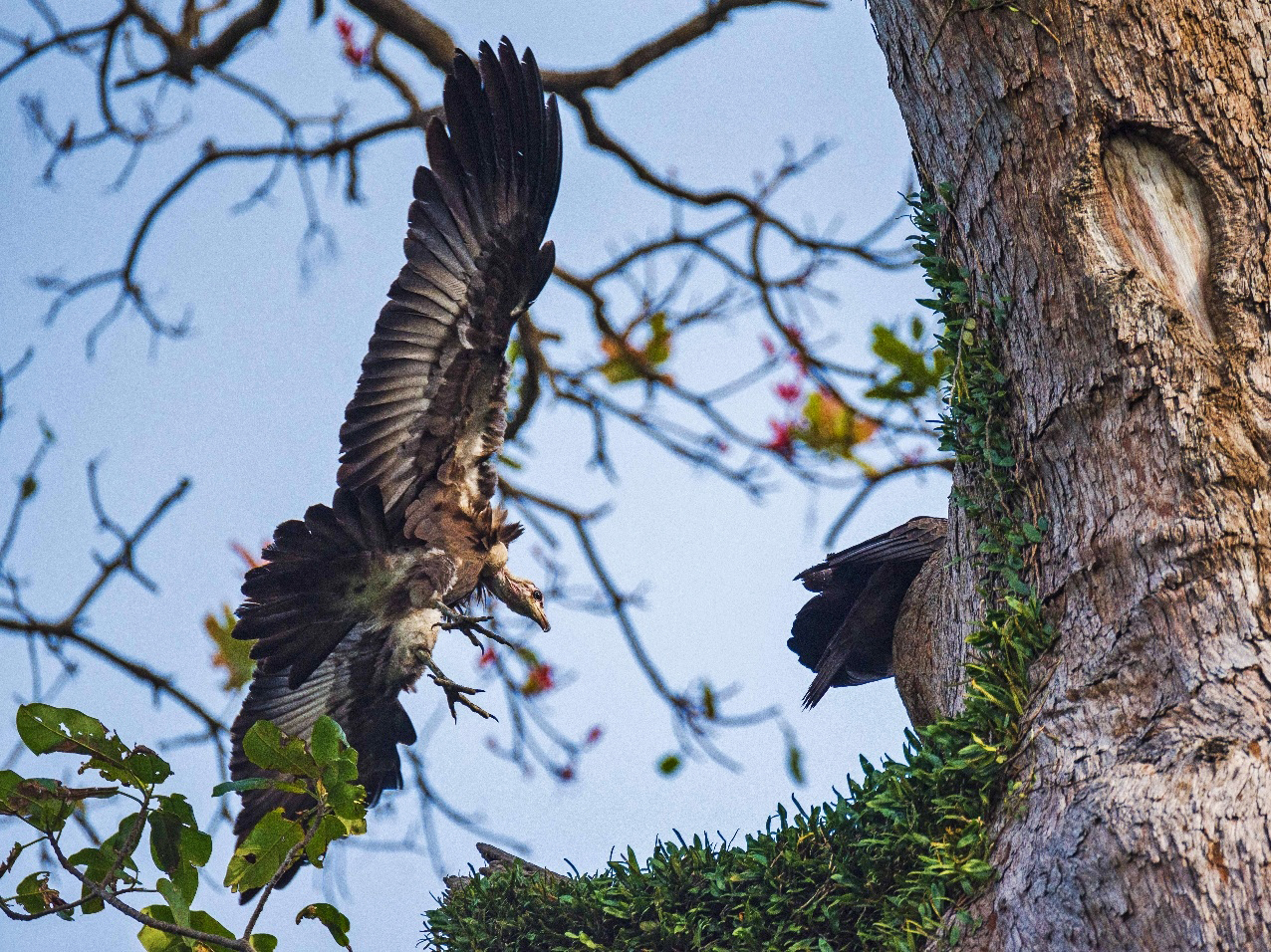
Michael Manja Williams, an ornithologist and wildlife researcher, has traversed 18 states across Nigeria, studying how cultural practices have spurred a rapid decline in Nigeria’s vulture numbers.Williams cites negative public perceptions about vultures as a significant challenge and trains what he calls Vulture Guardians to counteract these beliefs.With an increasing number of younger Nigerians lending support to conservation, he is hopeful about the future of vultures in Nigeria.Williams recently spoke to Mongabay about his foray into vulture conservation and the challenges thus far.
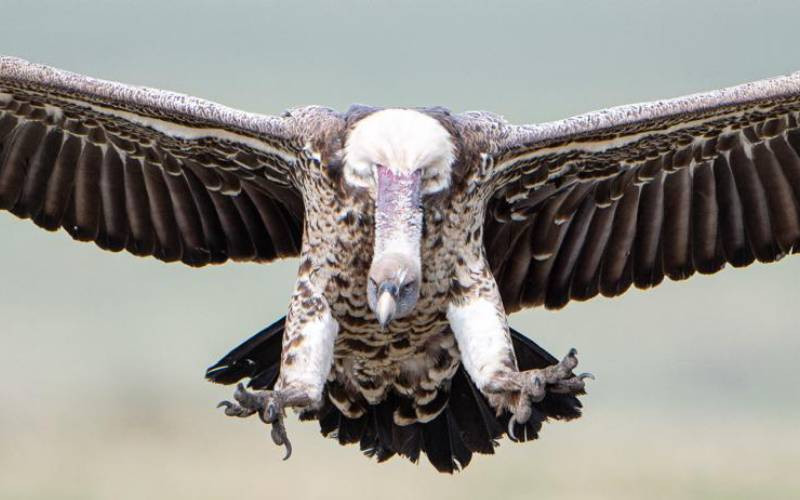
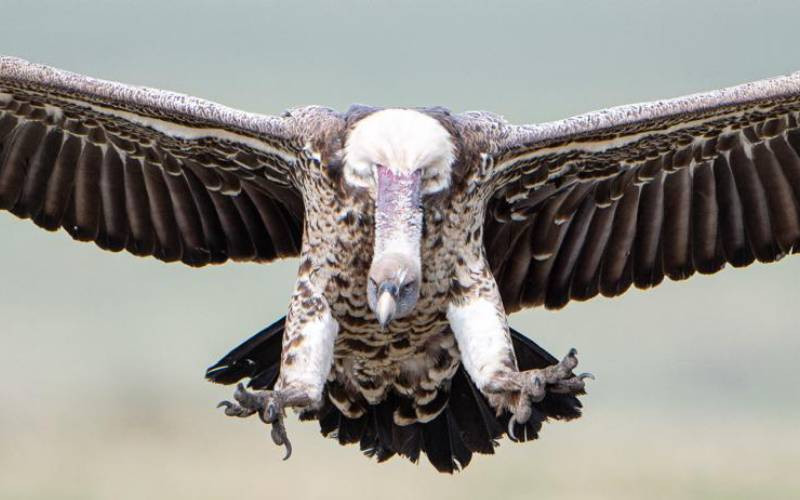
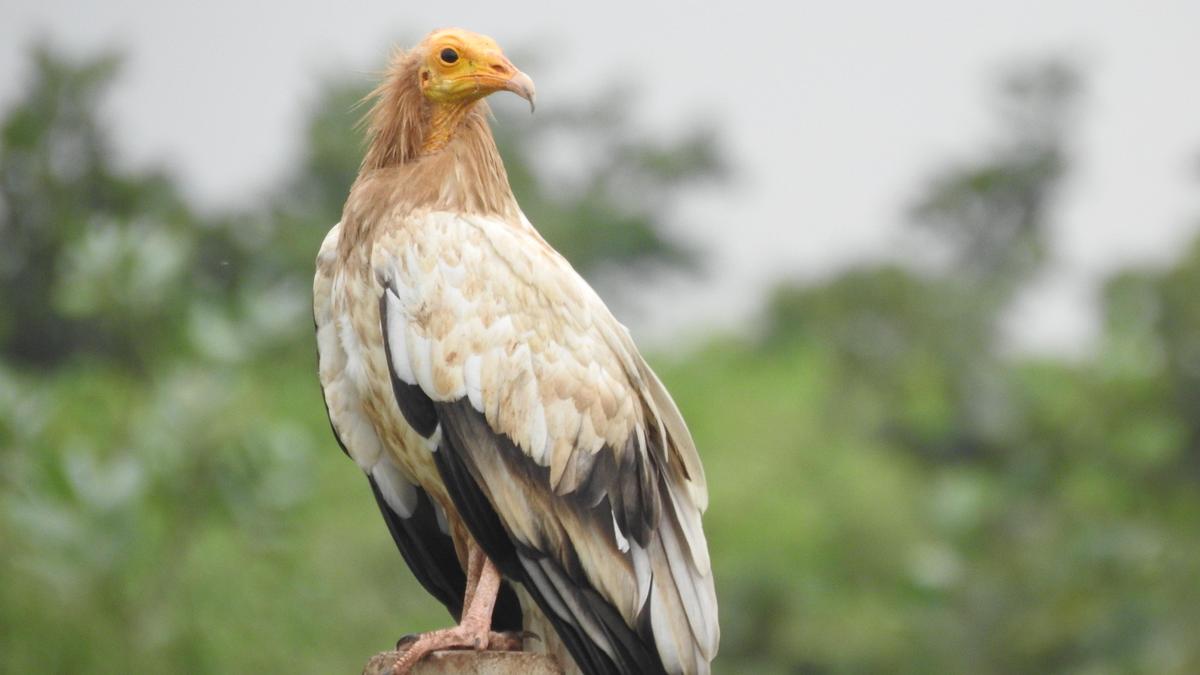
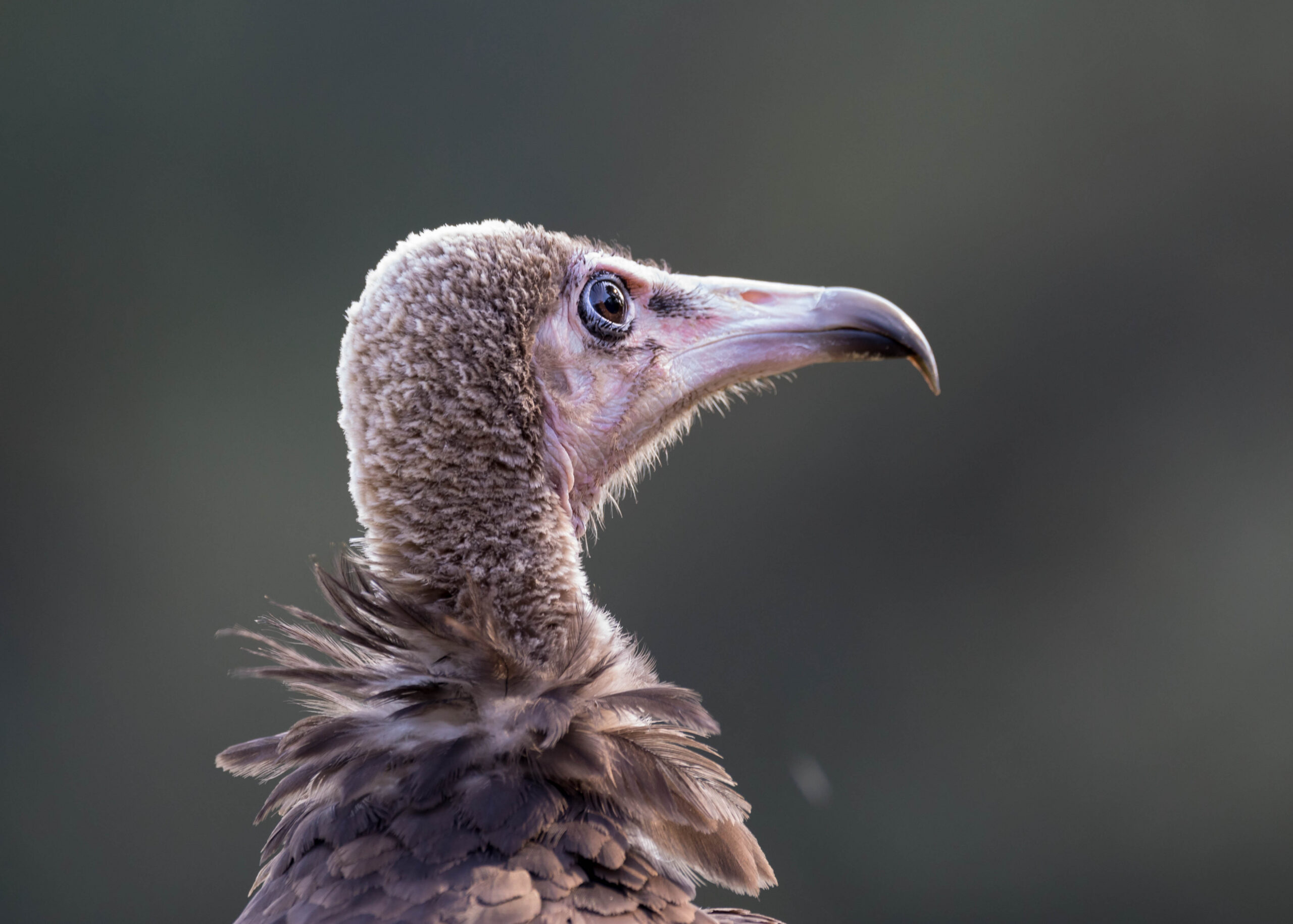
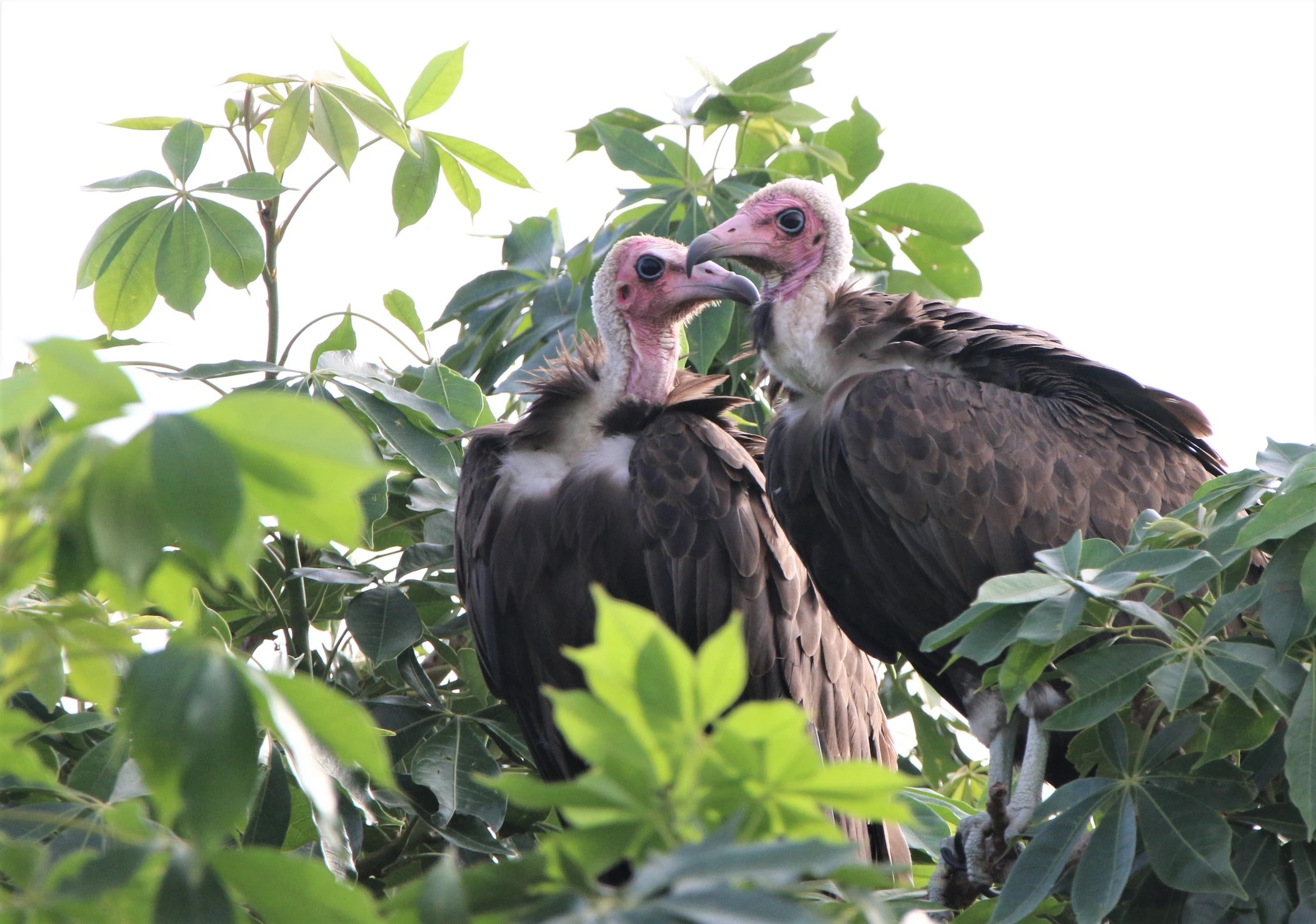
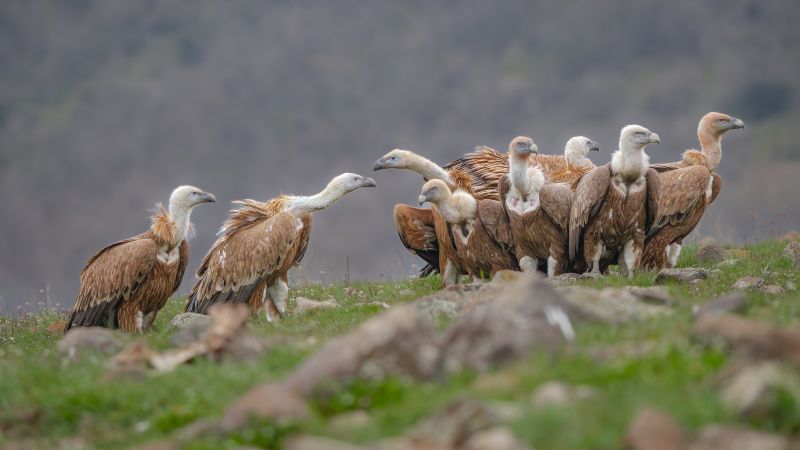
Known for their unique ability to polish off animal carcasses and minimize the potential for disease outbreaks, vultures are one of the most endangered bird groups on the planet today. Around many parts of West Africa, especially Nigeria, their populations have plummeted, thanks largely to commercial poaching and traditional beliefs that prize vulture parts as vital ingredients for traditional medicine. Most of the historic resident species have been locally extirpated — and those remaining are declining sharply too.
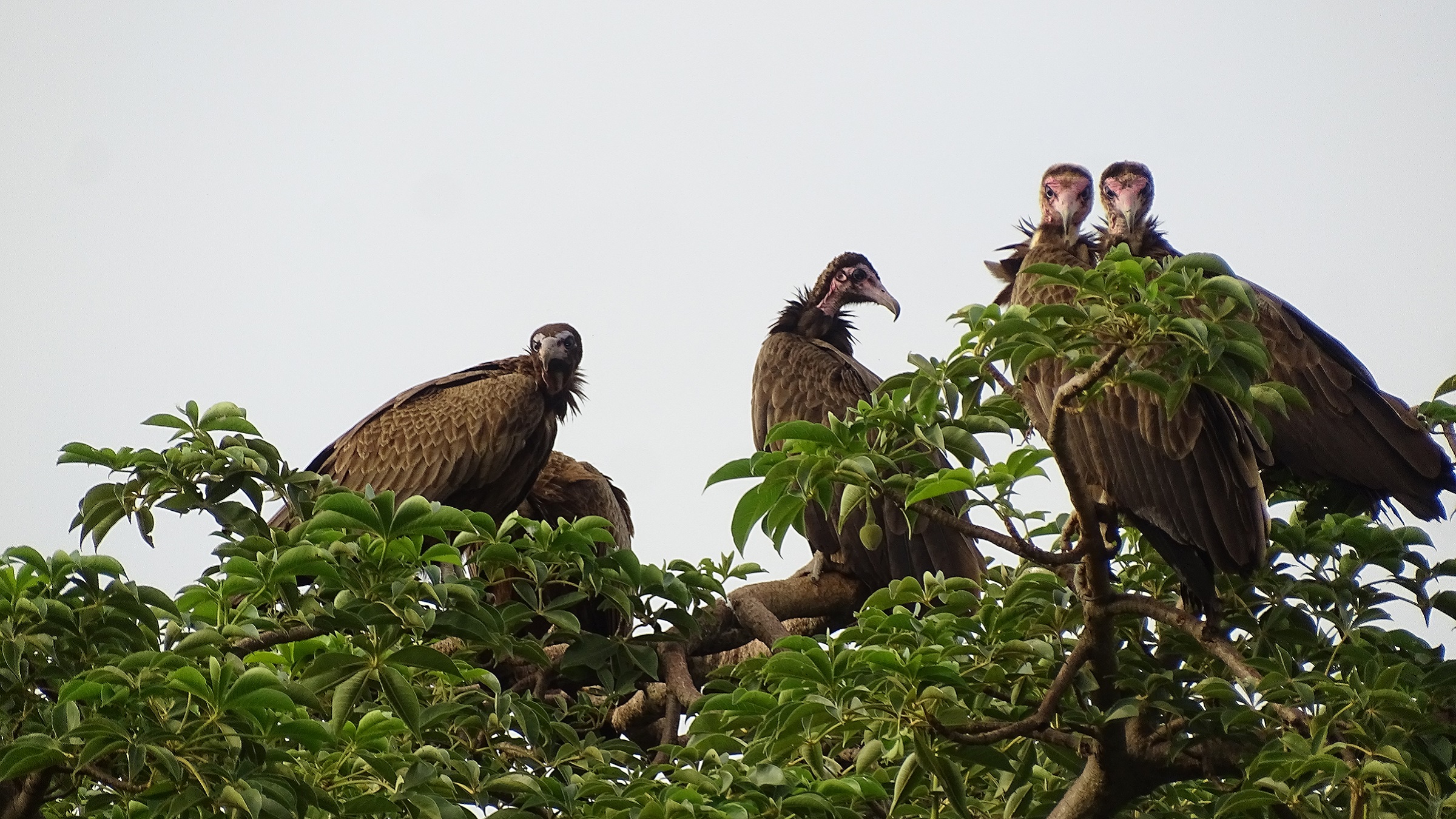
Ornithologist Michael Manja Williams is no stranger to this decline in Nigeria’s wild vulture population. Growing up in Plateau State, Middle Belt Nigeria, Williams typically saw committees of vultures perched on rooftops in his community. “All of a sudden, we no longer saw them again,” he said. This disappearance would pique his curiosity, leading him on to many different research surveys across Nigerian states and eventually inspiring a lifelong career in vulture conservation.