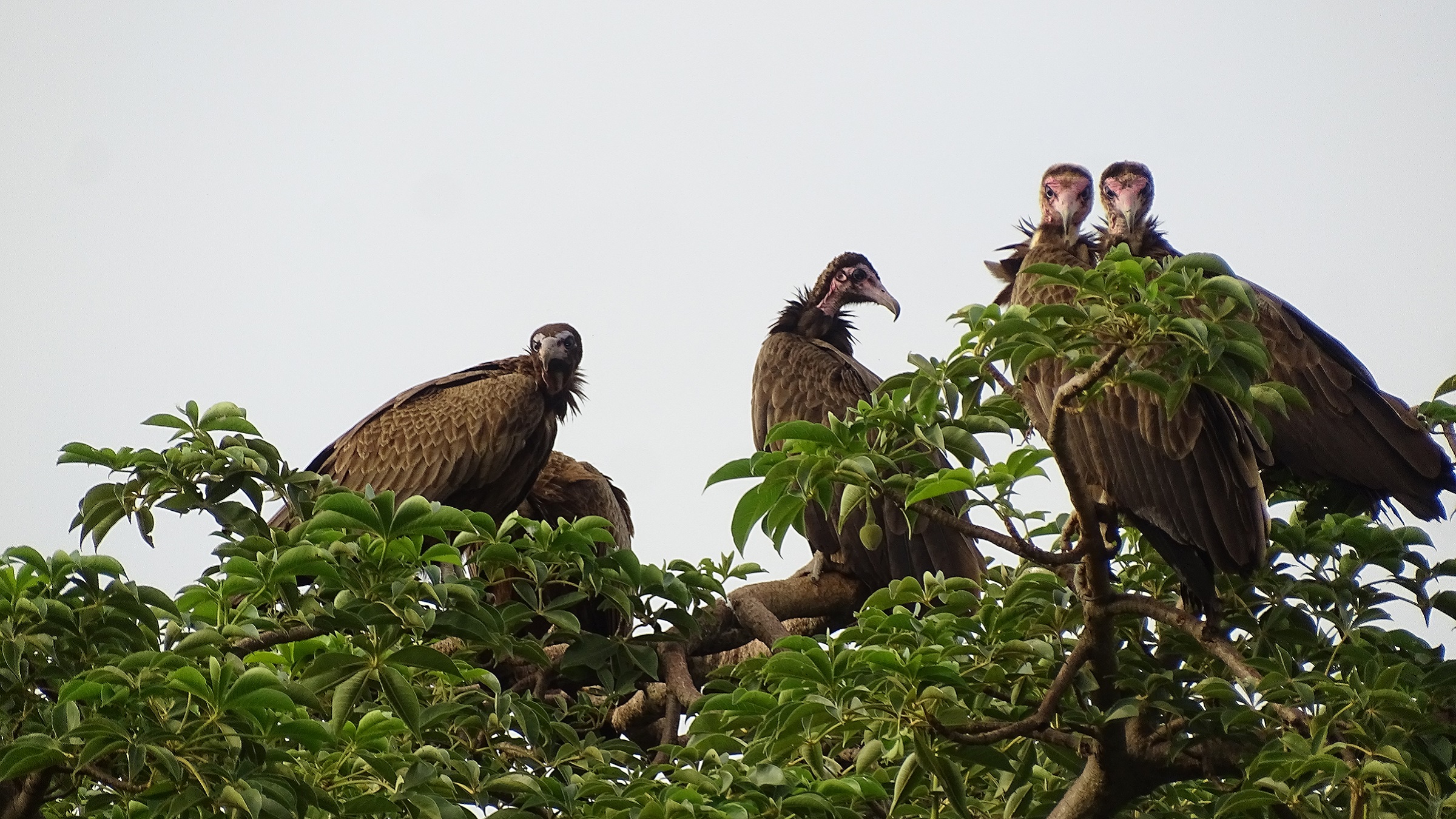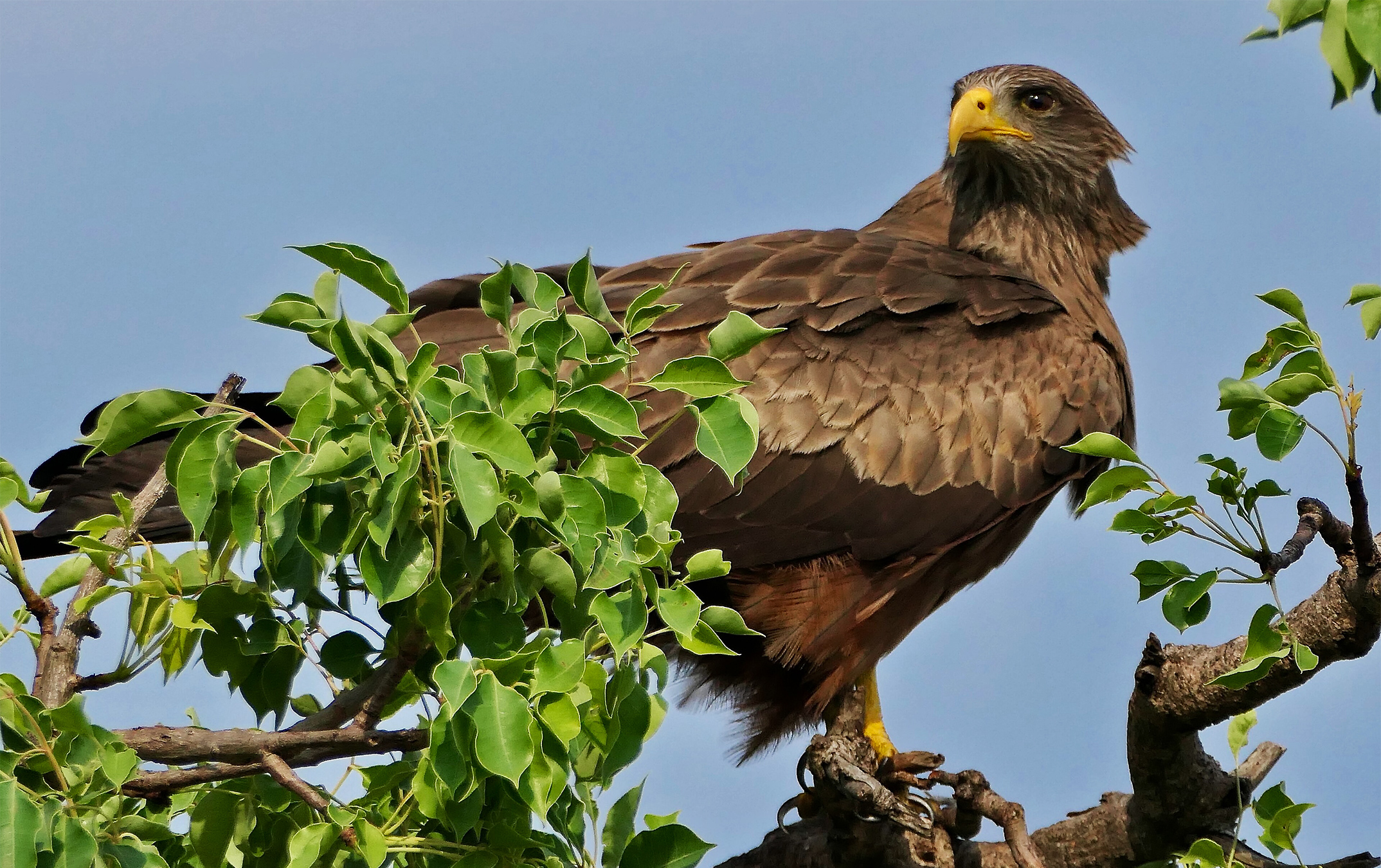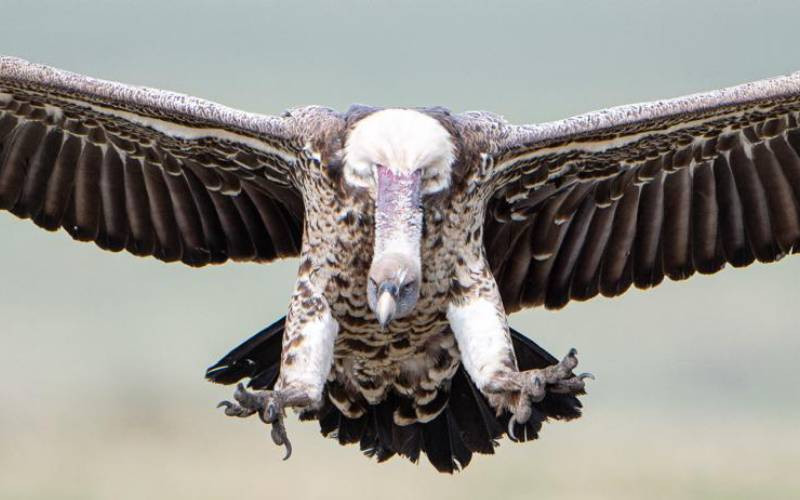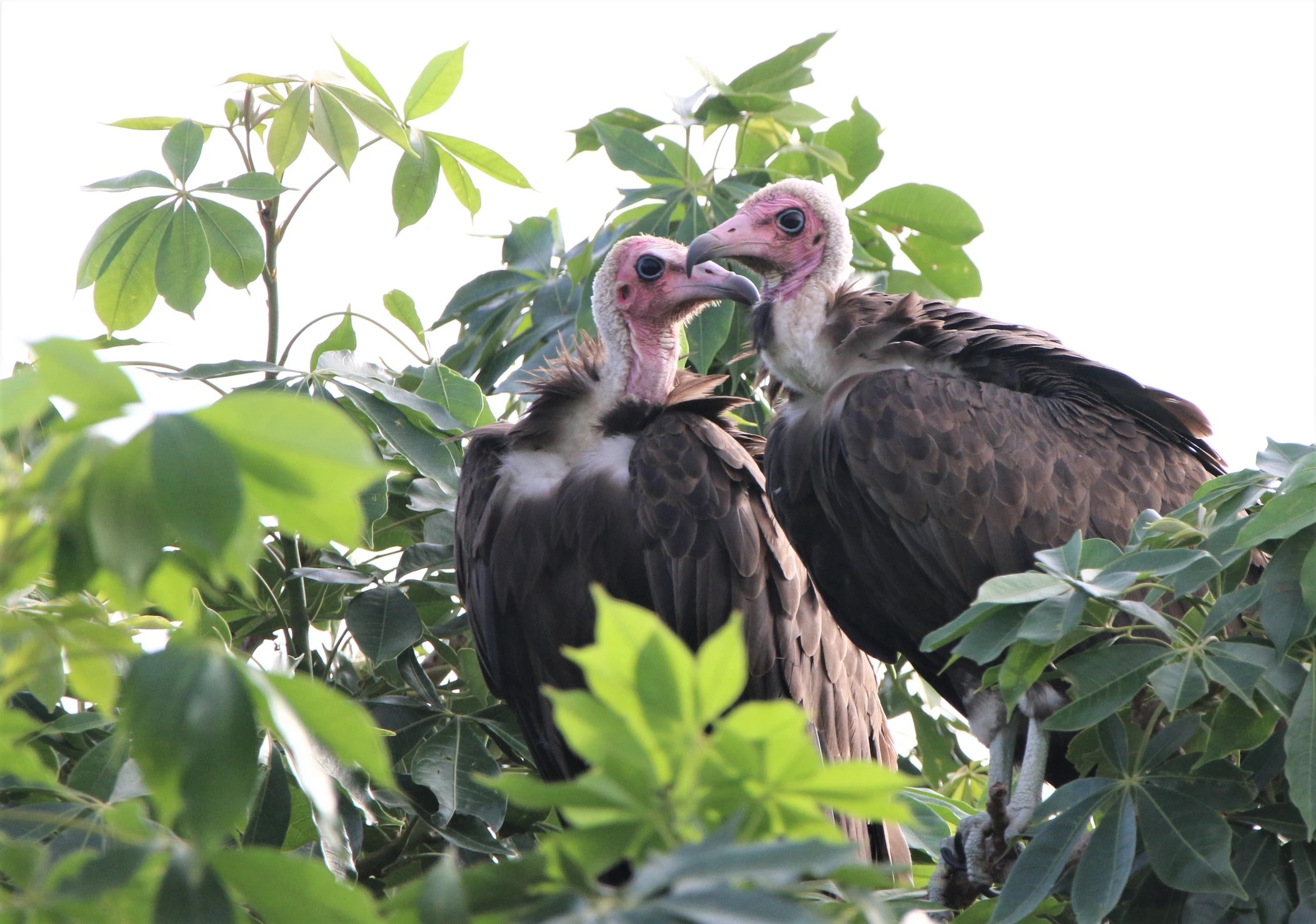
Conservationists warn that vulture populations in central African countries like Chad are increasingly at risk due to belief-based use in Nigeria and Benin.
Abiola Sylvestre Chaffra, a research fellow at the International Bird Conservation Partnership, told Mongabay he was out in Chad, photographing vultures, when a man offered to help him capture the birds. Vultures love donkey meat, the man said. All Chaffra had to do was buy a donkey and leave its poisoned carcass in the open. The man told Chaffra he had helped many people catch vultures this way.
In West African countries like Nigeria and Benin, vultures are poached both alive and dead for beliefs that they bring luck, success or protection against witchcraft. Vulture parts, including head and feet, eggs and nests, are also used. This demand is now reaching vulture populations in Central Africa.
A juvenile hooded vulture for sale at a market in Benin. Image courtesy of Abiola Sylvestre Chaffra.
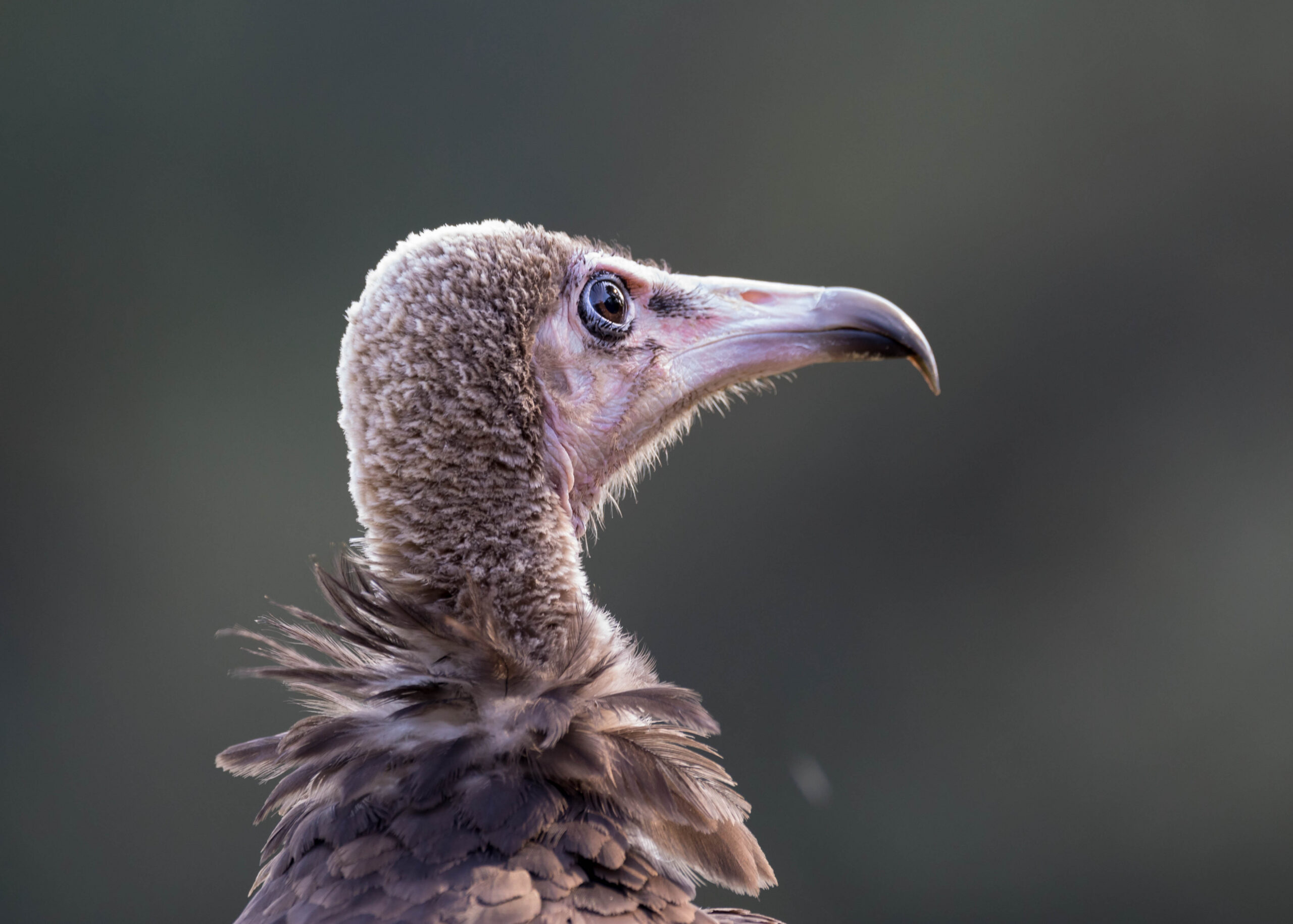
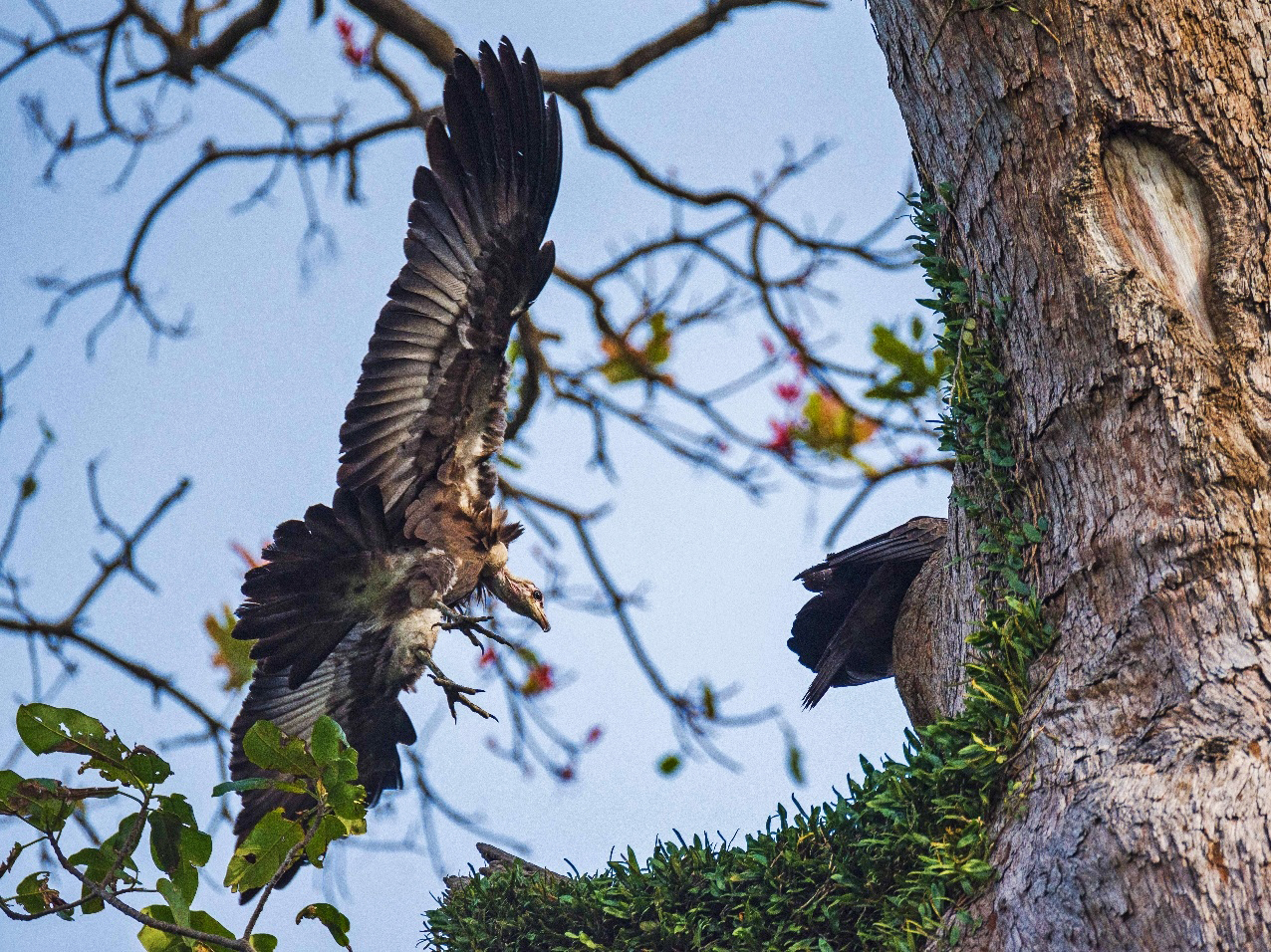
In a recent paper, researchers detailed how critically endangered hooded vultures (Necrosyrtes monachus) were absent around most slaughterhouses and landfill sites they visited near N’Djamena, Chad’s capital.