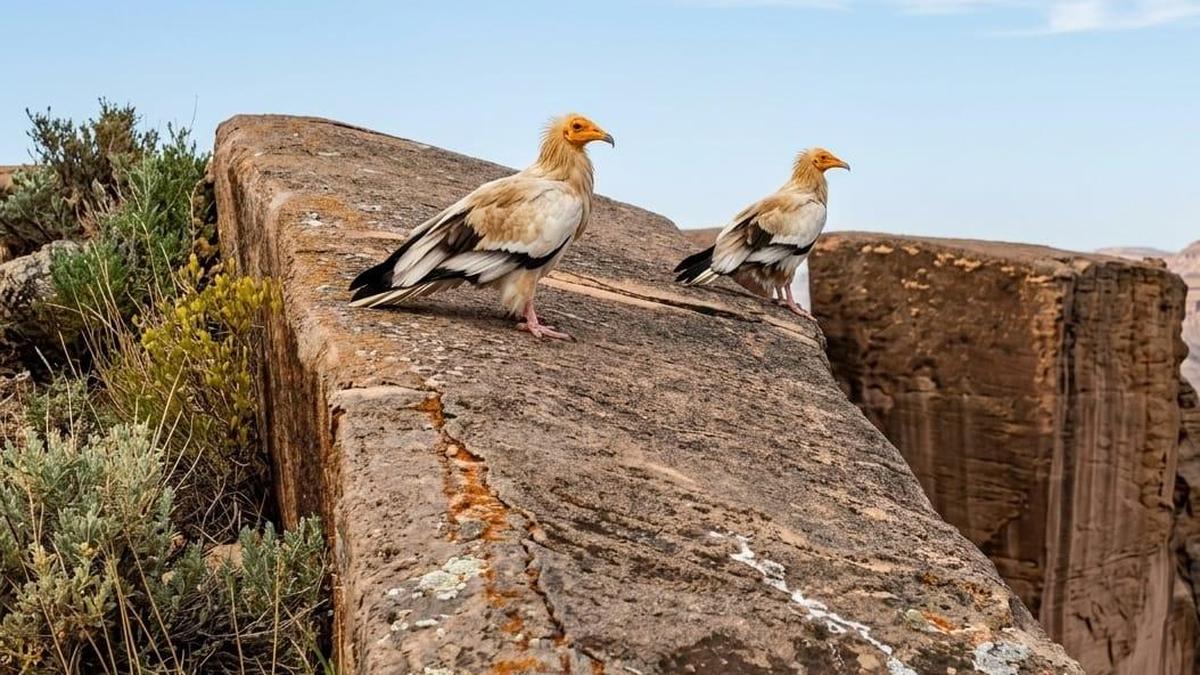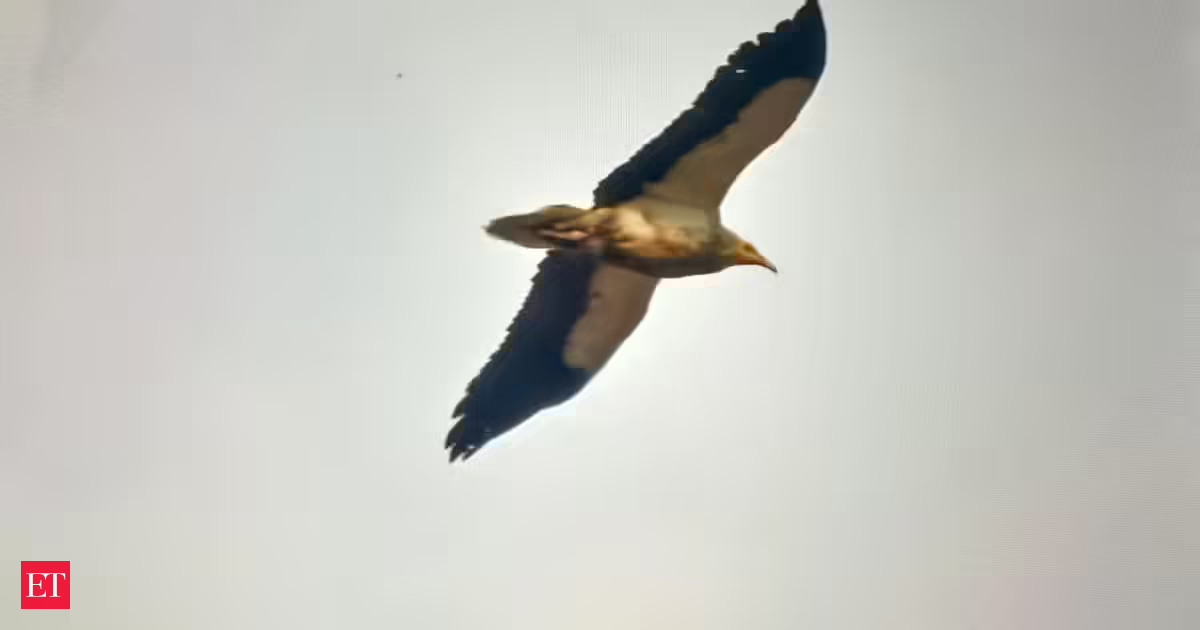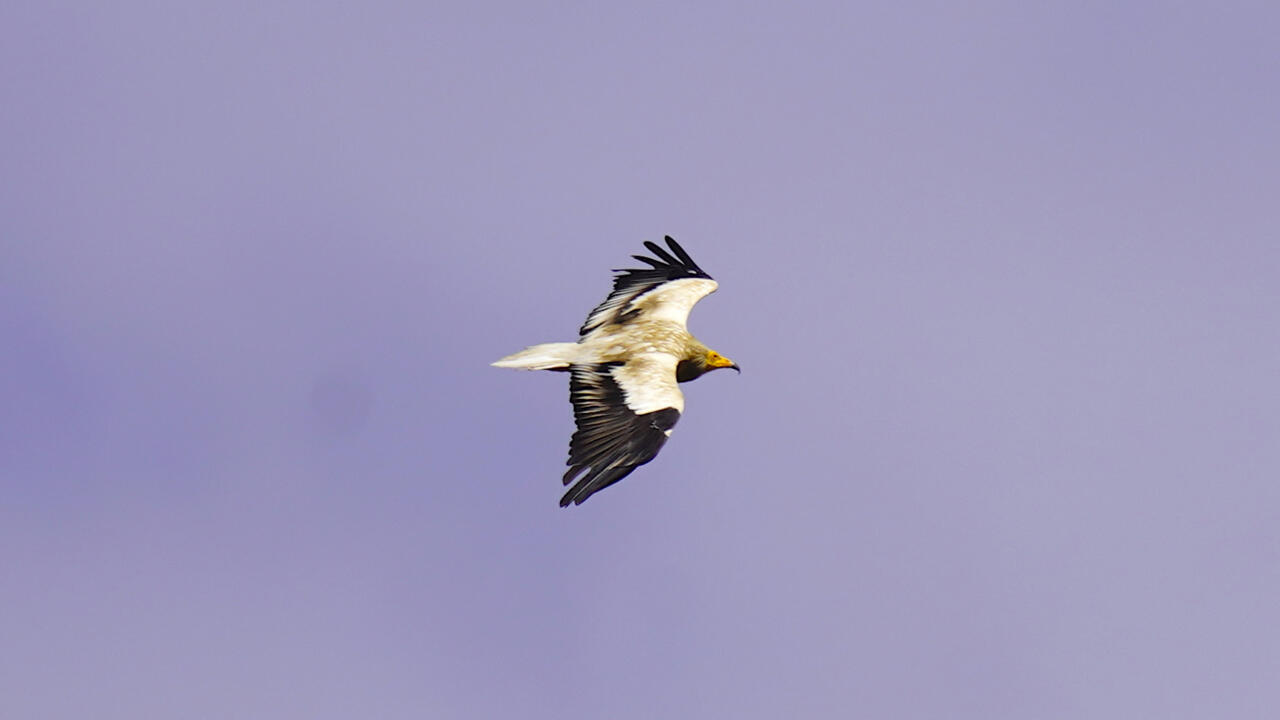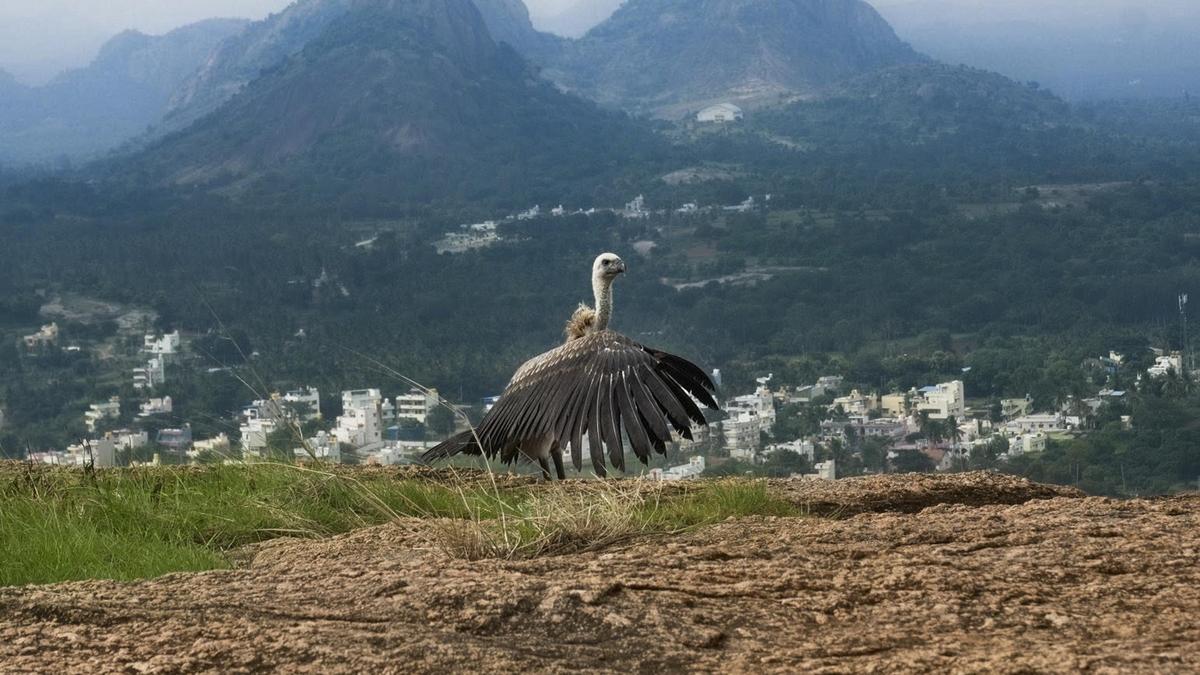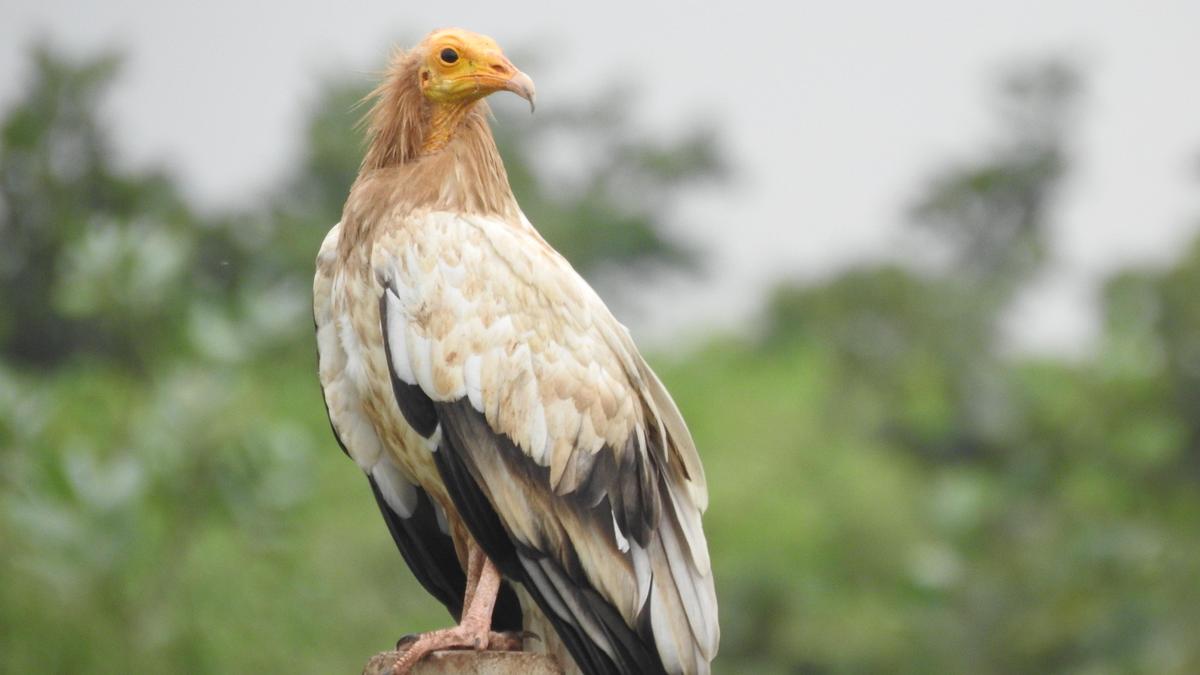
Once familiar in villages, temple towns, grazing lands and rocky cliffs across south India, the Egyptian Vulture (Neophron percnopterus) has almost disappeared from much of its range. In less than a century, the species has become locally extinct in The Nilgiris and no longer breeds in Tamil Nadu. Conservationists now warn the remaining resident population in south India is facing increasing pressure, highlighting the urgent need for coordinated conservation efforts including the establishment of an Egyptian Vulture Conservation Breeding Programme in the State.The Egyptian Vulture is one of the world’s smallest vultures and is globally listed as Endangered by the International Union for Conservation of Nature (IUCN). It is distributed across southern Europe, northern and central Africa, the Middle East, Central Asia and the Indian subcontinent. India is home to the resident subspecies Neophron percnopterus ginginianus, while migrant birds from Africa and the Middle East also visit the country during winter.Historically, the species played a vital ecological role by removing animal carcasses from the landscape and helping maintain healthy ecosystems, while also sharing a unique cultural association with several communities and temple traditions across peninsular India, according to vulture experts.Records reveal the species was once remarkably abundant across the Nilgiris and adjoining landscapes. British ornithologist William Ruxton Davison, states in Notes on some birds collected on the Nilghiris and in parts of Wynaad and Southern Mysore (1883) that, “This species (Egyptian Vulture) is very abundant on the Nilghiris [sic], but especially so within the station of Ootacamund and about the Badaga villages in its vicinity.” Davison also described the birds as remarkably fearless, allowing people to approach them closely while feeding.Further historical records reinforce its former abundance. Primrose (1904) documented Egyptian Vultures from the Nilgiris and Wayanad. A rare photograph taken in 1906 by Edgar Thurston, published in Ethnographic Notes in Southern India, depicts Egyptian Vultures being fed by temple priests at the Vedagiriswarar Temple at Tirukazhukundram, illustrating the bird’s long-standing cultural association with local communities.In 2008, K.V.R.K. Thirunaranan, founder of The Nature Trust, Chennai, photographed an adult Egyptian Vulture with a chick at Devarabetta, Thally, Tamil Nadu, confirming the species continued to breed in south India until relatively recently.
Understanding the disappearance of Egyptian Vulture in Tamil Nadu
Conservationists urge immediate action to protect the endangered Egyptian Vulture, highlighting its decline and need for a breeding programme in Tamil Nadu.
1,204 words~5 min read