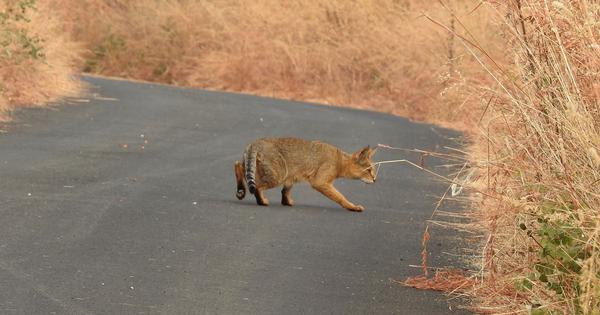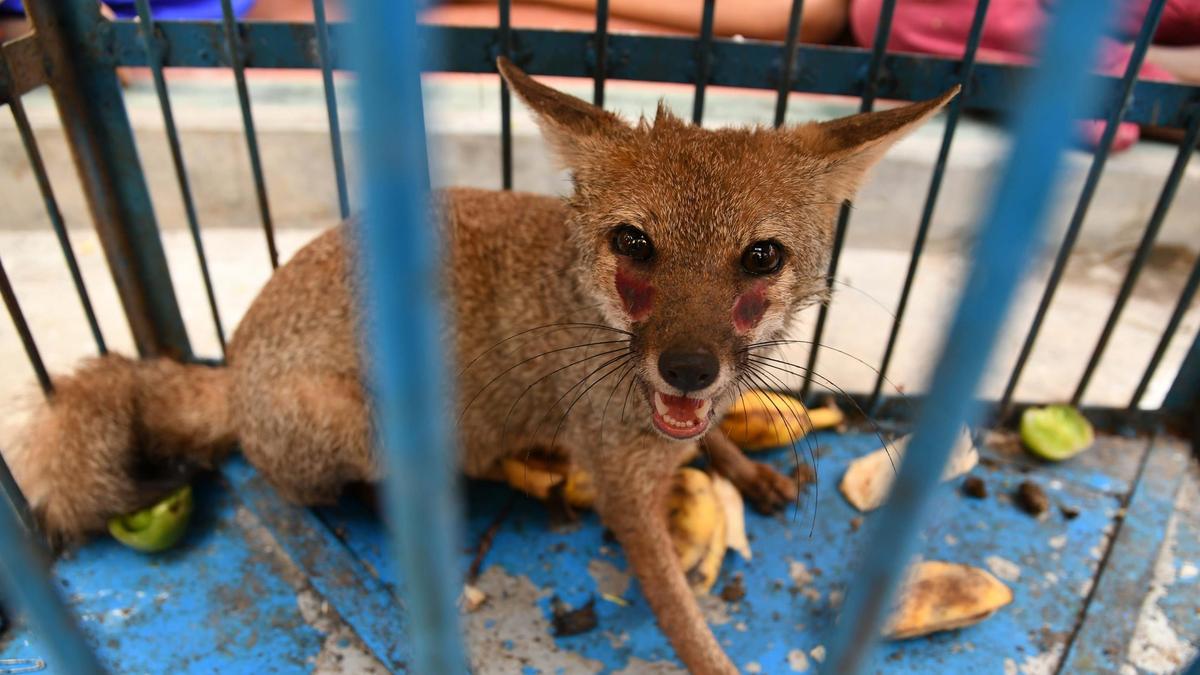
In traditional Sangam literature, references to the iconic Bengal fox (Vulpes bengalensis) speak of their ubiquity in the dry, arid grasslands of south India. However, over the years, expanding agriculture and urbanisation into the species’ traditional strongholds, coupled with hunting have resulted in the fox becoming a sort of enigma, with sightings becoming increasingly more sparse in recent years.In fact, the species is so little studied that the Tamil Nadu Forest Department itself has only a rough understanding of the species’ distribution, while there is almost no data on its population trends.Researchers and conservationists from many districts in the state, where the fox used to thrive have reported no sightings of the species in the last few years.Life threats“The Bengal fox faces a constellation of threats, most of them slow, cumulative, and poorly recorded. Habitat loss through agricultural expansion, the fragmentation of open scrubland by roads and development, direct persecution during traditional festivals, road kills on expanding rural highway networks, and the encroachment of feral dogs bringing disease into fox territories — all of these are chipping away at populations that no one has properly measured,” notes Brawin Kumar, a wildlife researcher and conservation biologist.
Tamil Nadu’s elusive Bengal foxes and their shrinking space
Explore the challenges faced by Bengal foxes in Tamil Nadu due to habitat loss, urbanisation, and discover the conservation efforts.
989 words~4 min read