Most banking backend tutorials focus on transactions your own system creates. A user taps a button, your service writes a record, and you control every part of that process from start to finish.
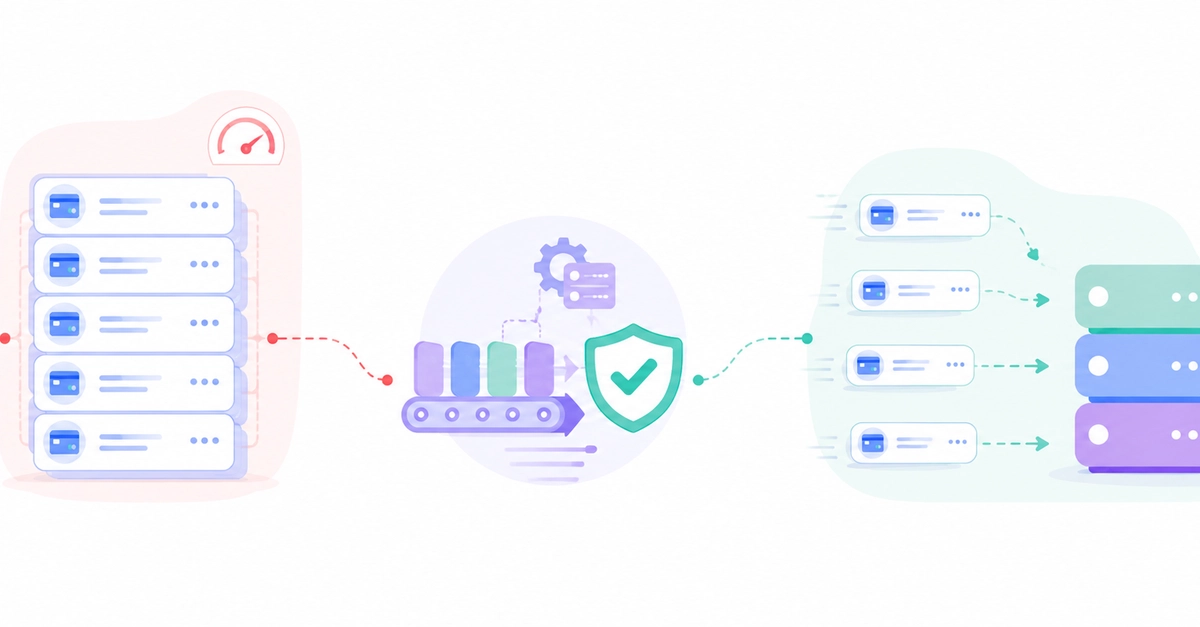
But in a real fintech product, a large portion of the transaction data your system deals with does not originate inside your system at all. It comes from the customer's actual bank, through an Open Banking style API. That data has already passed through at least one external step before it ever reaches you, so it cannot be treated with the same confidence as a transfer your own service generated.
This is where a lot of backends quietly get into trouble. They treat everything that lands in the database the same way, whether it came from their own logic or from an outside provider. NestJS gives you the structure to draw a clear line between the two, and to treat provider data with the caution it actually deserves.
Why external data is not the same as internal data
When your own service creates a transaction, you control every step of that process, so you can trust it completely by the time it reaches your database.