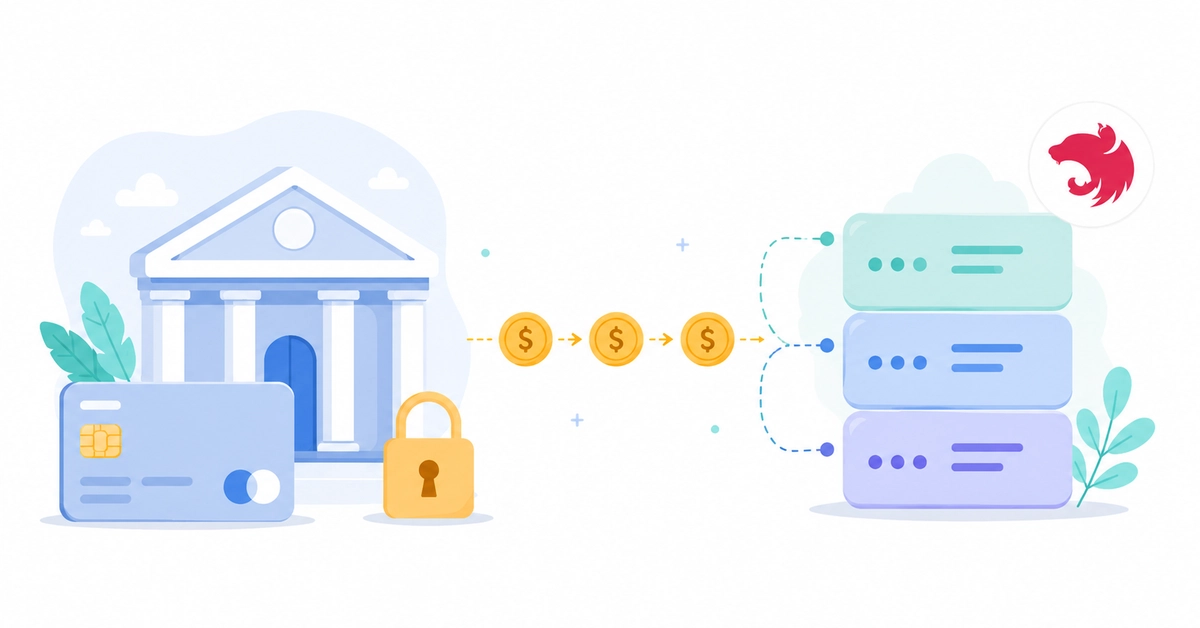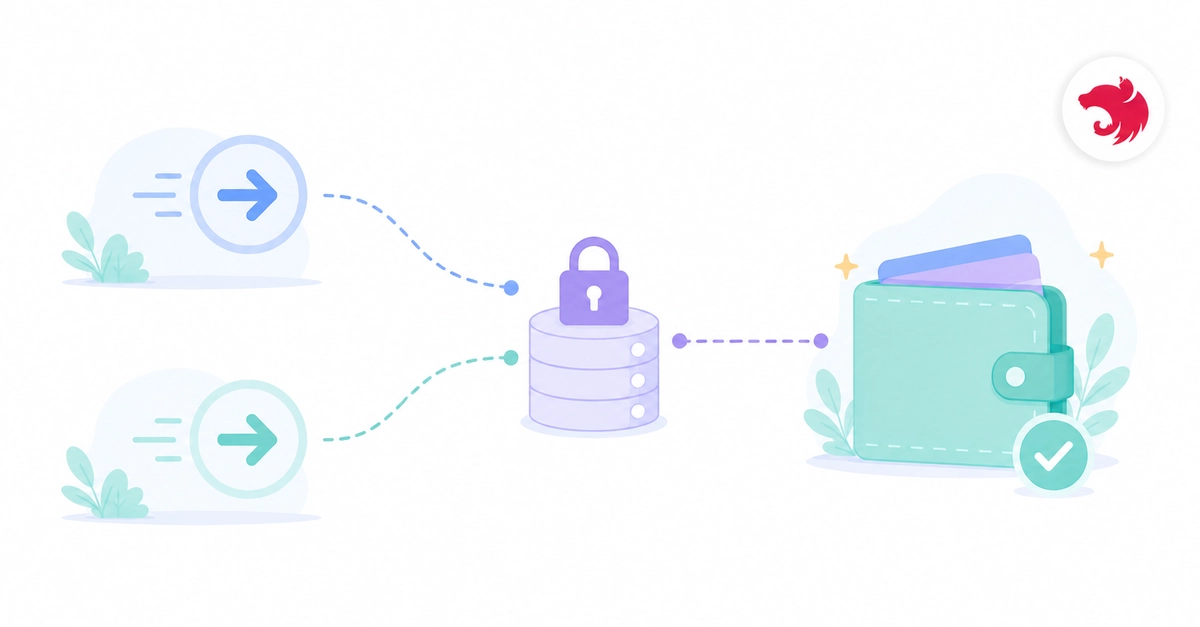
Imagine a simple money transfer scenario. John sends money to his friend Sarah. The system successfully deducts money from John's account, but before it can credit Sarah's account, the application crashes. Without proper safeguards, John's money would disappear from the system, creating inconsistent and unreliable financial records.
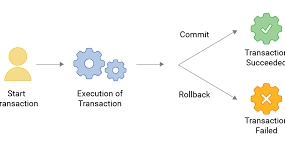
To prevent this type of problem, database transactions are used. Transactions ensure that a group of related database operations either complete successfully together or fail together. If any part of the process encounters an error, all changes are reverted, ensuring that the database remains consistent.
Transactions make database operations atomic. Atomicity means that all operations inside a transaction are treated as a single unit of work. Either every operation succeeds and is committed to the database, or all operations fail and are rolled back. Partial updates are never permanently stored.
A database transaction is a group of one or more database operations executed as a single unit. Either all operations succeed together or all operations fail together. This guarantees database consistency even if an application crashes, a network failure occurs, or an unexpected error is encountered during execution.