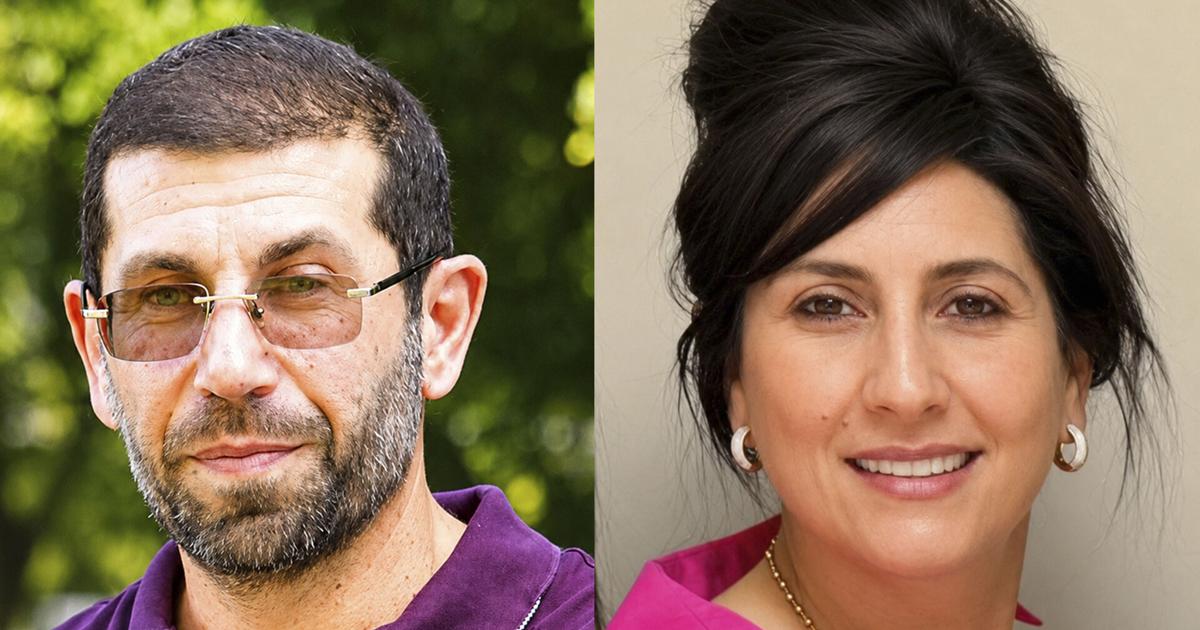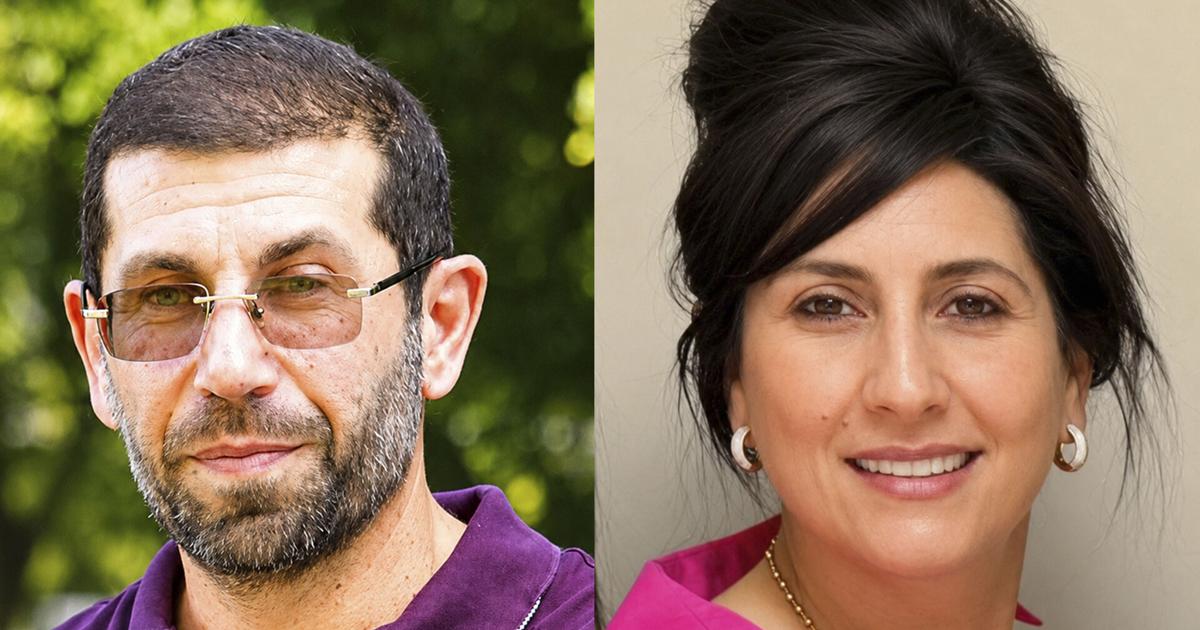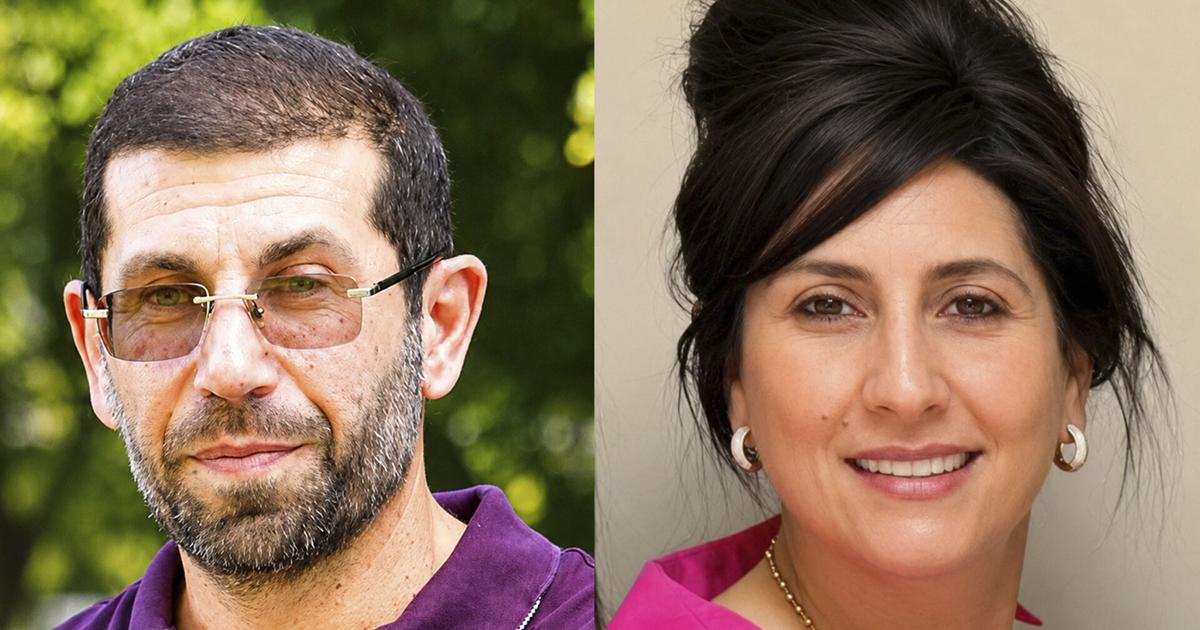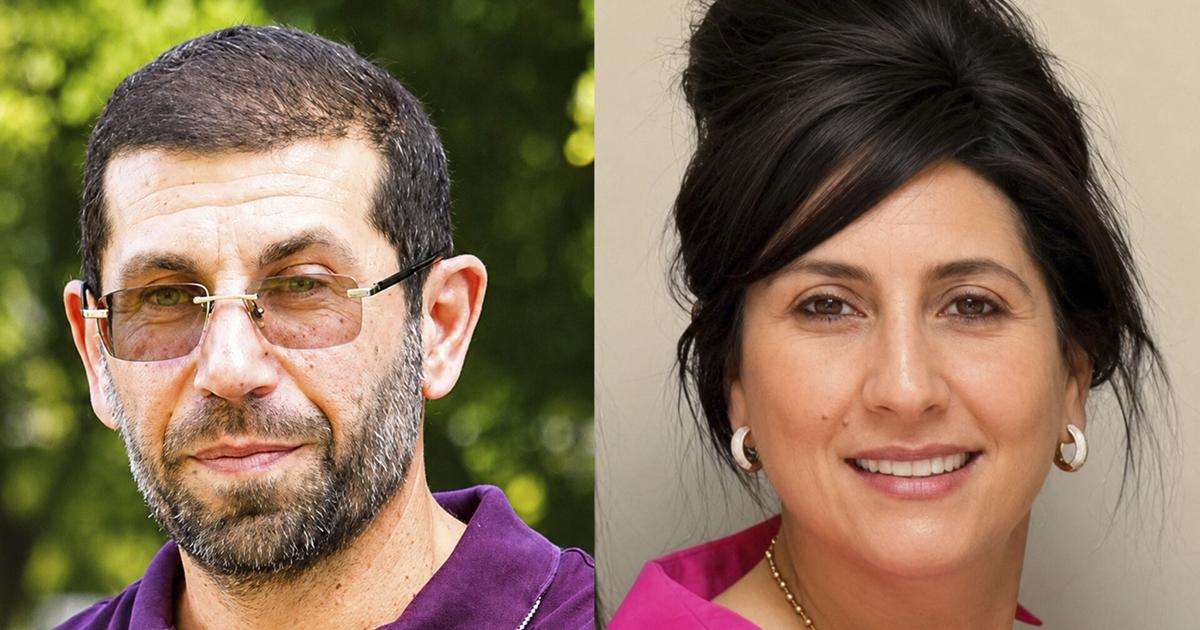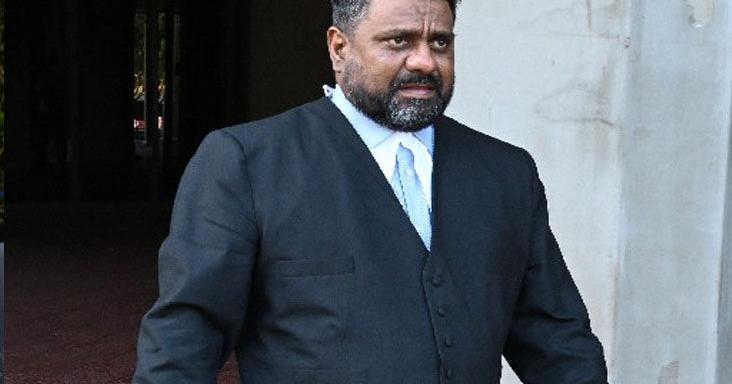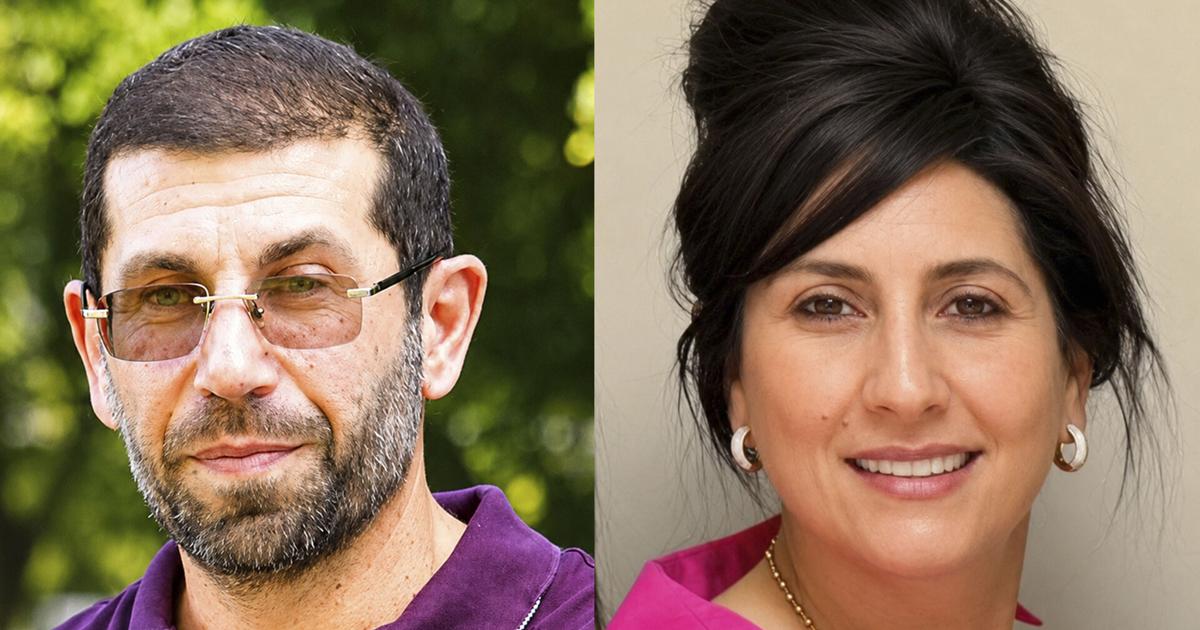
BUSINESSMAN Dominic Hadeed and his wife, Genevieve, have taken their fight to the Court of Appeal, challenging a High Court ruling that refused to order their release from detention under the state of emergency (SoE) regulations.The couple, through their attorneys, are seeking to convince the Appeal Court that Justice Frank Seepersad had erred in law by placing too much weight on untested intelligence and too little on their constitutional right to liberty.
High Court judge: Frank Seepersad
The procedural appeal, filed yesterday, challenges the judge’s June 30 decision dismissing their application for interim relief after he found it was highly likely that their arrest and continued detention under the Emergency Powers Regulations (EPR) would ultimately be found lawful.They are asking the Court of Appeal to set aside that decision and order their immediate release pending the hearing of their judicial review and constitutional challenge, which is set to come up for hearing on July 27. Alternatively, they are seeking release on conditions or detention at their Westmoorings home under police supervision.The Hadeeds were arrested on June 24 after police officers executed a search warrant at their Westmoorings residence, seeking electronic devices believed capable of providing evidence of an alleged conspiracy to murder.During the course of the habeas corpus application before Justice Seepersad, evidence was led that officers had informed the couple that intelligence suggested they had conspired with others to assassinate Prime Minister Kamla Persad-Bissessar, Attorney General John Jeremie and other members of the Government.Police also alleged they were suspects in relation to the offence of making statements prejudicial to public safety under Regulation 11 of the Emergency Powers Regulations.The couple were initially detained under Regulation 13 of the regulations, which allows police to arrest without warrant anyone suspected of acting or about to act in a manner prejudicial to public safety. Their detention was extended the following day under Regulation 13(3), which permits detention beyond 48 hours where further investigations cannot be completed within that period.Three days after their arrest, Homeland Security Minister Roger Alexander signed preventive detention orders (PDOs) under Regulation 14. The orders authorised their continued detention on the basis that intelligence suggested they were involved in an ongoing conspiracy to assassinate senior Government officials and that their continued liberty posed a threat to public safety and national security.They both remain in prison custody without being charged with any offences.In his ruling, Justice Seepersad had stated the court’s role at the interim stage was not to determine whether the intelligence relied upon by the Executive was accurate, but to decide whether there was a legal basis upon which the minister could have exercised his statutory powers.The judge also found that the balance of convenience favoured refusing interim relief because of the serious national security allegations, although he granted the Hadeeds leave to pursue their substantive judicial review claim.Hadeeds appeal challenge ► sub-head ◄In their appeal, however, the Hadeeds argue that the judge effectively decided disputed issues of fact at an interlocutory stage instead of limiting himself to determining whether there was a serious issue to be tried.They contend that he wrongly accepted that they had been lawfully arrested and detained, that they were properly informed of the reasons for their arrest, and that the notices authorising their continued detention complied with the Emergency Powers Regulations.They further argue that he erred in concluding that Alexander lawfully exercised his discretion in issuing the preventive detention orders and in finding that the challenge to those orders had little prospect of success.The appeal also challenges the judge’s conclusion that monetary compensation would be an adequate remedy if their detention is later found to be unlawful.Additionally, they are contending that liberty, once lost, cannot be restored by an award of damages and that the judge failed to give sufficient weight to the constitutional importance of personal freedom.Further to that, they complain that the judge relied upon intelligence that has never been disclosed or tested in court while giving insufficient consideration to less restrictive alternatives, including release on conditions or confinement at their home under police supervision.Another ground of appeal is that Justice Seepersad failed to take into account that the couple have never been interviewed by investigators, have not been charged with any offence, and that the station diaries disclosed no ongoing investigative activity requiring their continued detention.The notice of appeal also raises allegations that the arrests and preventive detention orders were motivated by an improper purpose.It contends that Justice Seepersad failed to properly consider evidence which, according to the Hadeeds, suggested they were targeted because they were perceived political opponents of the Government and members of an ethnic minority.The appeal also refers to allegations that station diary extracts relied upon by the State were “concocted and/or falsified”, and claims that the PDOs were issued while police still had several days available under the regulations to continue their investigations without resorting to preventive detention.The appeal is being led by Senior Counsel Douglas Mendes, Gilbert Peterson, Faris Al-Rawi and Rishi Dass, together with attorneys Chase Pegus and Carlon McLeod.A date for the hearing is yet to be set.