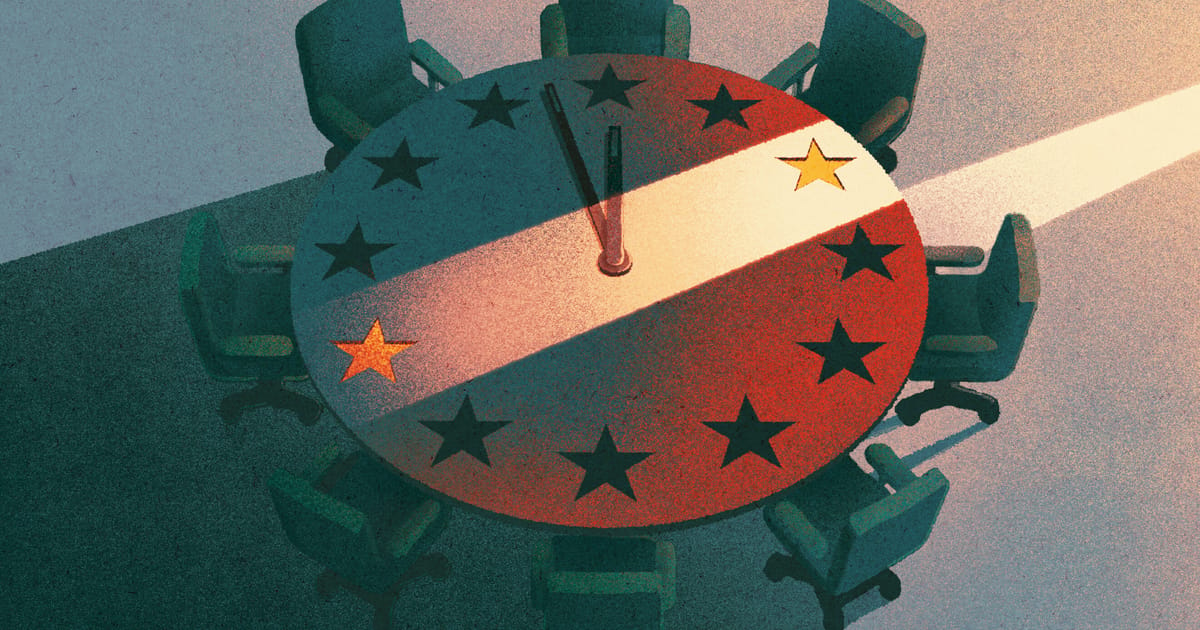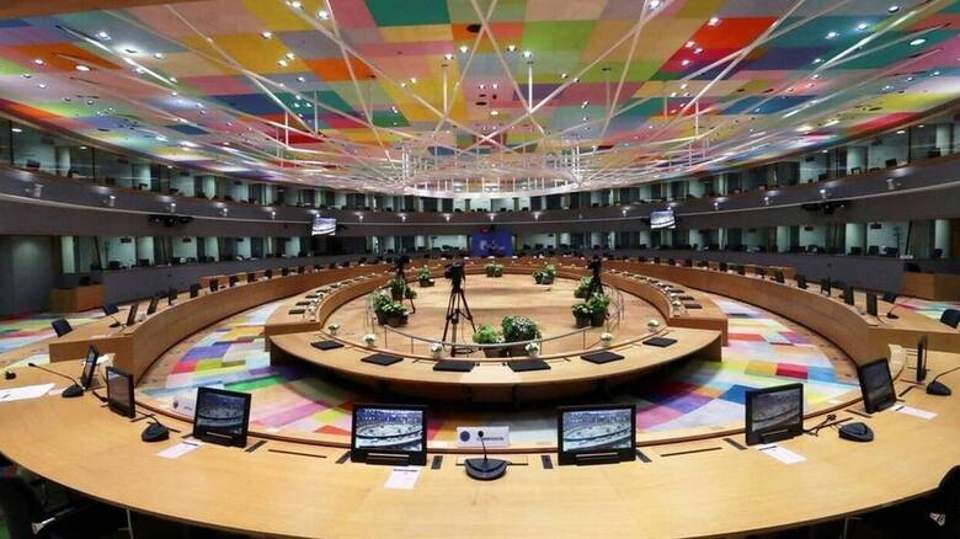
Greece is counting down to its turn at the rotating presidency of the Council of the European Union in July 2027, a role that could place it at the center of the most difficult phase of negotiations over the bloc’s next seven-year budget for 2028-2034.
While the official goal remains reaching an agreement by the end of 2026, few in Brussels believe that timetable will be met. If talks extend into 2027, the Greek presidency could inherit the most complex stage of the process and be tasked with bridging differences among member states.
Developments in the coming months are therefore being closely watched in Athens as part of preparations for the six-month presidency. Officials in Athens and Brussels still consider an agreement by the end of next year both achievable and politically desirable, noting that elections in major countries, including France, Italy, Spain and Poland, in 2027 could make compromise even harder.
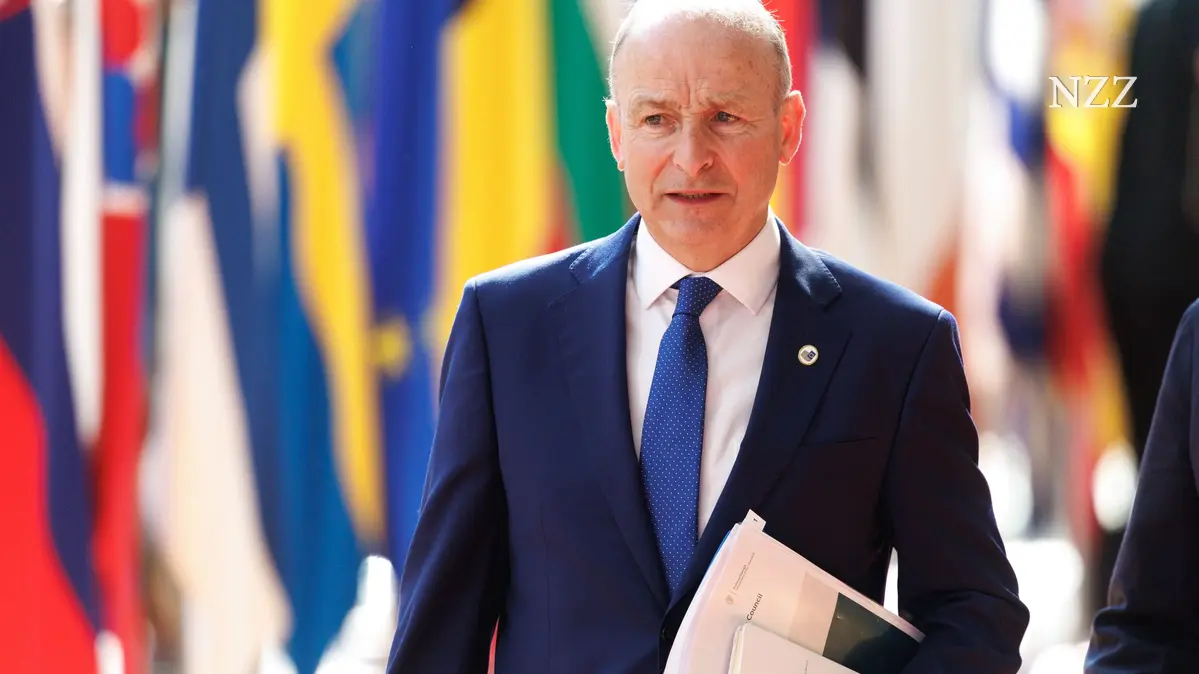
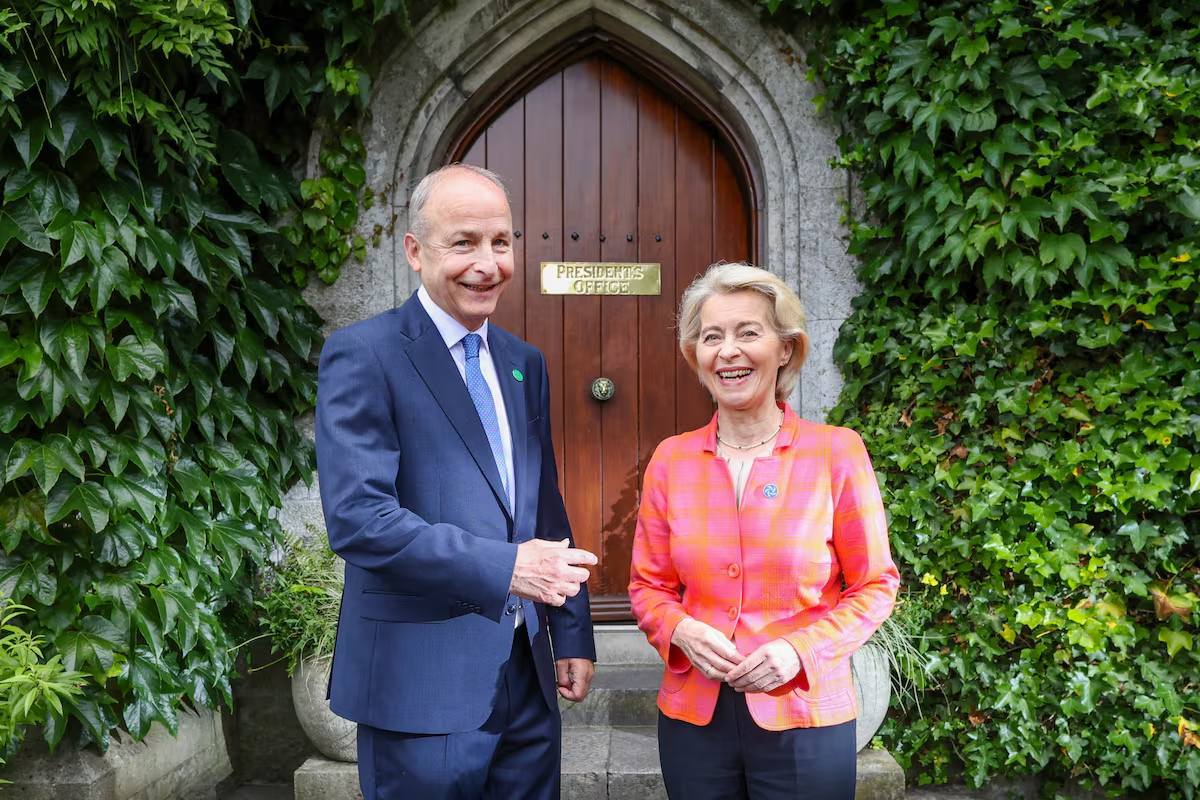
Irish Prime Minister Micheal Martin delivered a similar message while presenting the priorities of Ireland’s presidency of the EU, which began on July 1. He said a revised negotiating framework, or “nego box,” would be presented in the fall, but acknowledged that differing national positions continue to complicate efforts to reach a deal.