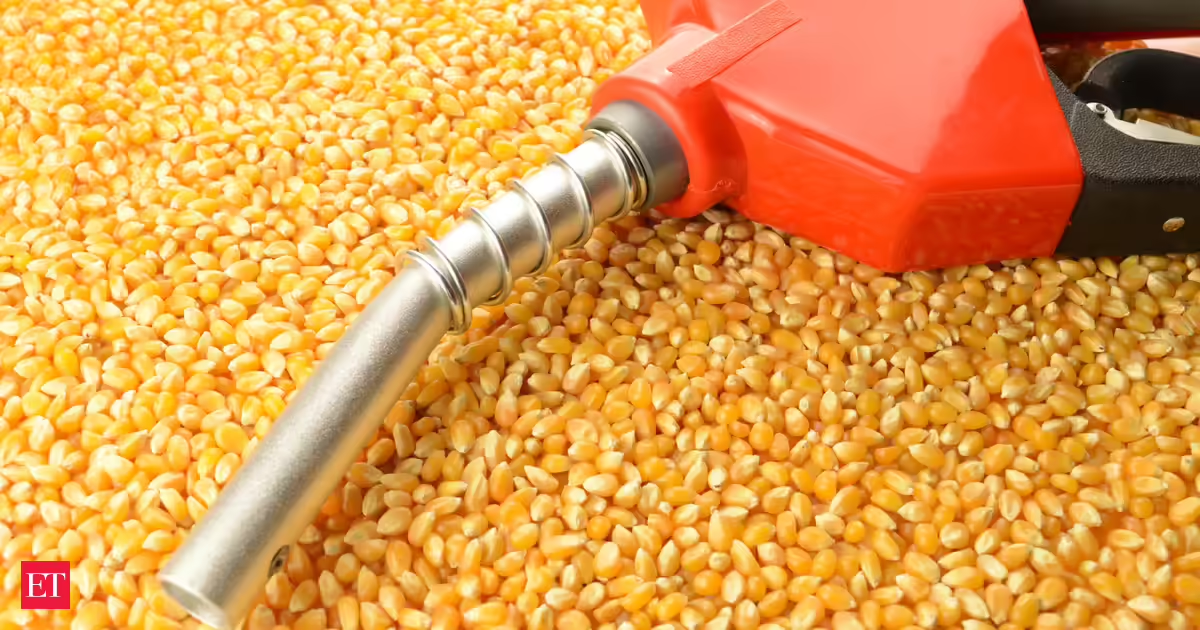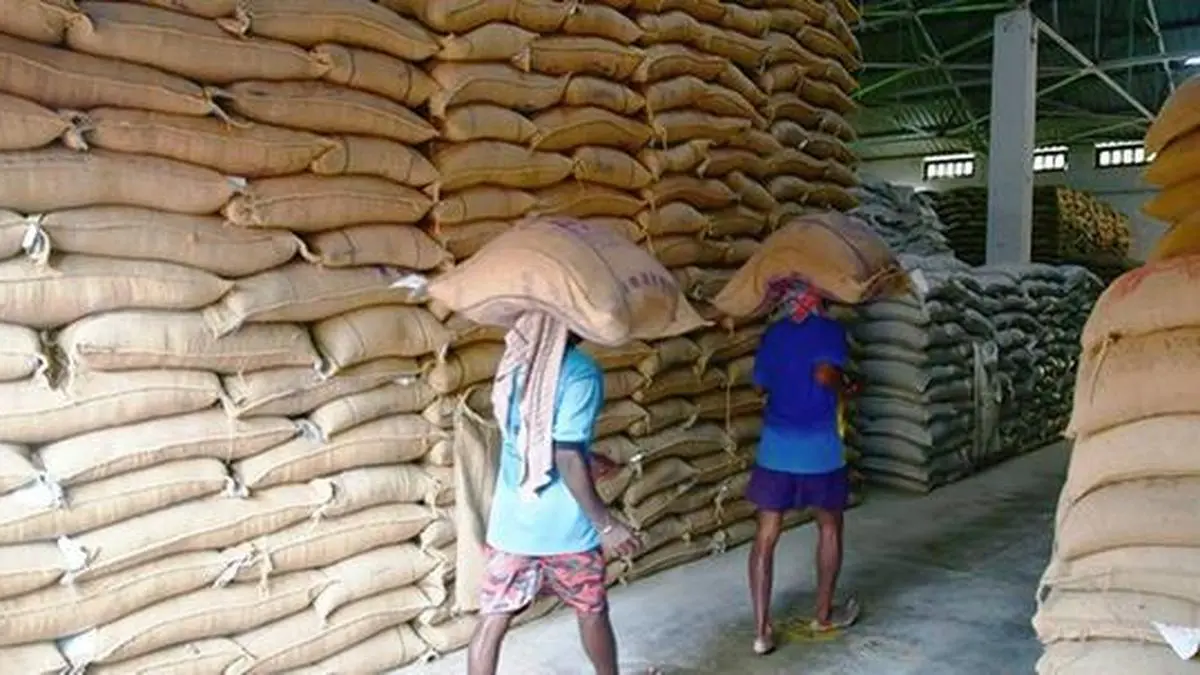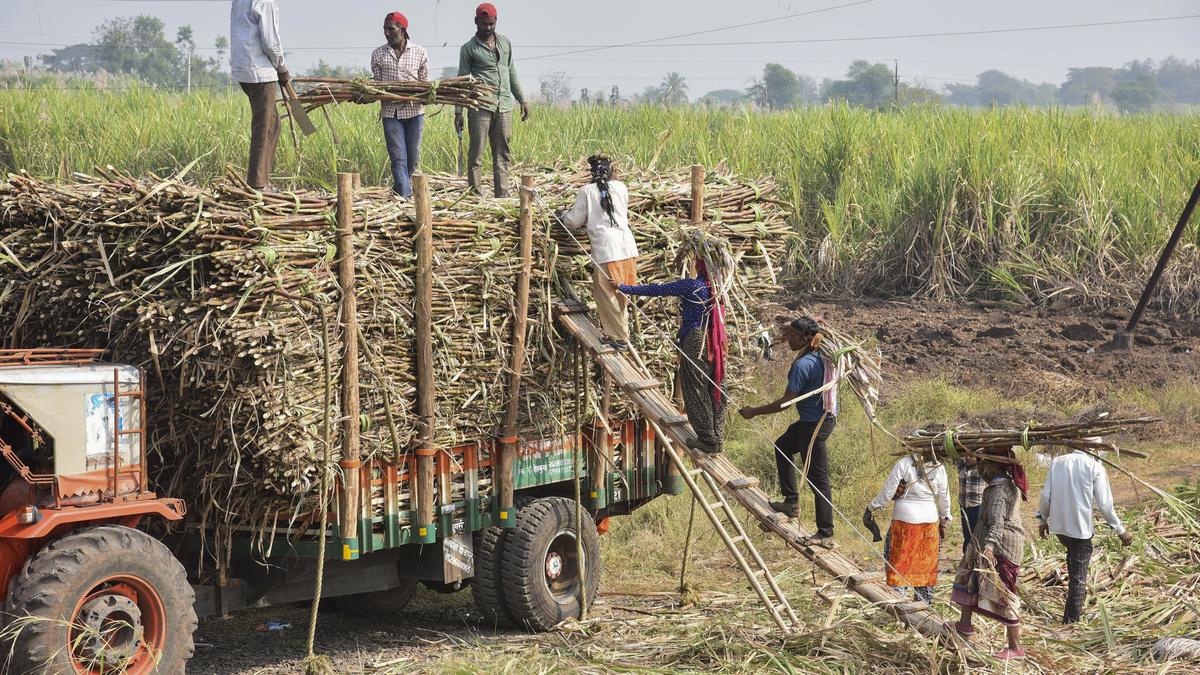
Cumulative ethanol supplies have reached 717 crore litres until June against contracted volumes of 1,048 crore litres. In the total delivered ethanol, maximum share was of maize-based biofuel at 36 per cent, followed by 25 per cent by FCI-rice and 20 per cent by sugarcane juice, according to All India Distillers’ Association (AIDA).Grain-based feedstocks continuing to dominate ethanol production while ensuring greater supply stability through a balanced mix of raw materials in the ongoing Ethanol Supply Year (November 2025-October 2026), AIDA said in a statement Wednesday. It reflects the growing maturity of India’s biofuel ecosystem, it added.As of June 2026, distilleries have already supplied 68 per cent of their contracted obligation, in which the grain-based ethanol distilleries have contributed 480 crore litres or (67 per cent) out of total ethanol supplied. The sugarcane-based feedstocks contribute 238 crore litres (33 per cent), it said.Actually, out of 1,048 crore litres contracted by the oil marketing companies (OMCs) during ESY 2025-26, the sugar-based distilleries had received only 289 crore litres or 28 per cent whereas bulk of the order of 759 crore litres or 72 per cent went to grain-based distilleries. Accordingly, the sugar-based units have fulfilled over 82 per cent of their contractual obligation whereas the grain-based units could supply only 63 per cent of their commitment.AIDA said that maize continues to be India’s single largest feedstock with 258 crore litres of ethanol supplied, the latest supply pattern reflects an increasingly diversified feedstock ecosystem. Ethanol produced from surplus FCI grains has reached 177 crore litres, while Sugarcane Juice (SCJ) has contributed 144 crore litres, B-Heavy Molasses 82 crore litres, and Damaged Food Grains 45 crore litres.“The balanced contribution from multiple feedstocks has significantly strengthened supply resilience, reduced dependence on any single agricultural crop and enabled uninterrupted ethanol availability throughout the year,” it said. The evolving feedstock mix marks another important milestone in India’s transition towards a more sustainable and secure biofuel economy, it added.“The latest ethanol supply data demonstrates that India’s biofuel programme has evolved into a robust and resilient ecosystem driven by diversified feedstocks. While maize continues to be the largest contributor, the increasing participation of surplus food grains and sugarcane-based feedstocks reflects the strength of a balanced supply chain. This diversification reduces dependence on any single crop, enhances year-round feedstock availability and strengthens India’s energy security,” said Vijendra Singh, President of AIDA.As the country moves beyond the E20 milestone, policy support for higher ethanol blends, Flex-Fuel Vehicles (FFVs), ethanol-diesel blending and next-generation biofuels will be essential to fully utilise the significant production capacity created by the industry, Singh said.Published on July 8, 2026
Distilleries supply 68% of contracted 1,048 cr ltrs ethanol in 8 months
India's distilleries have supplied 68% of contracted ethanol, highlighting the dominance of grain-based feedstocks in production.
433 words~2 min read