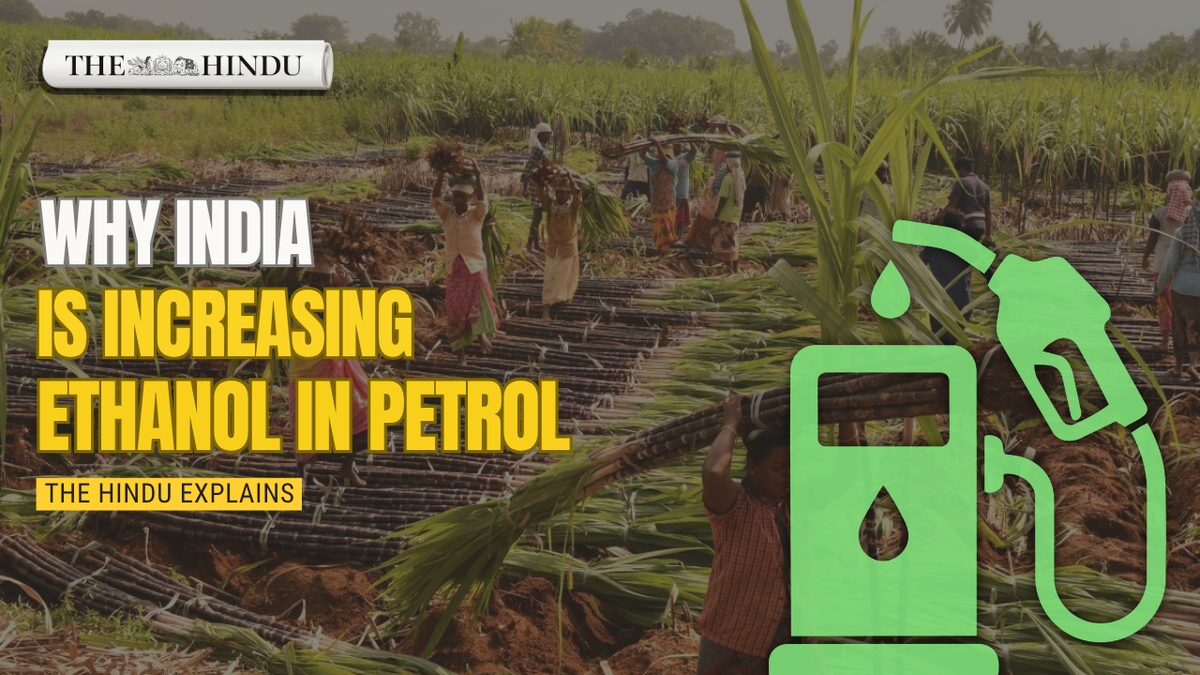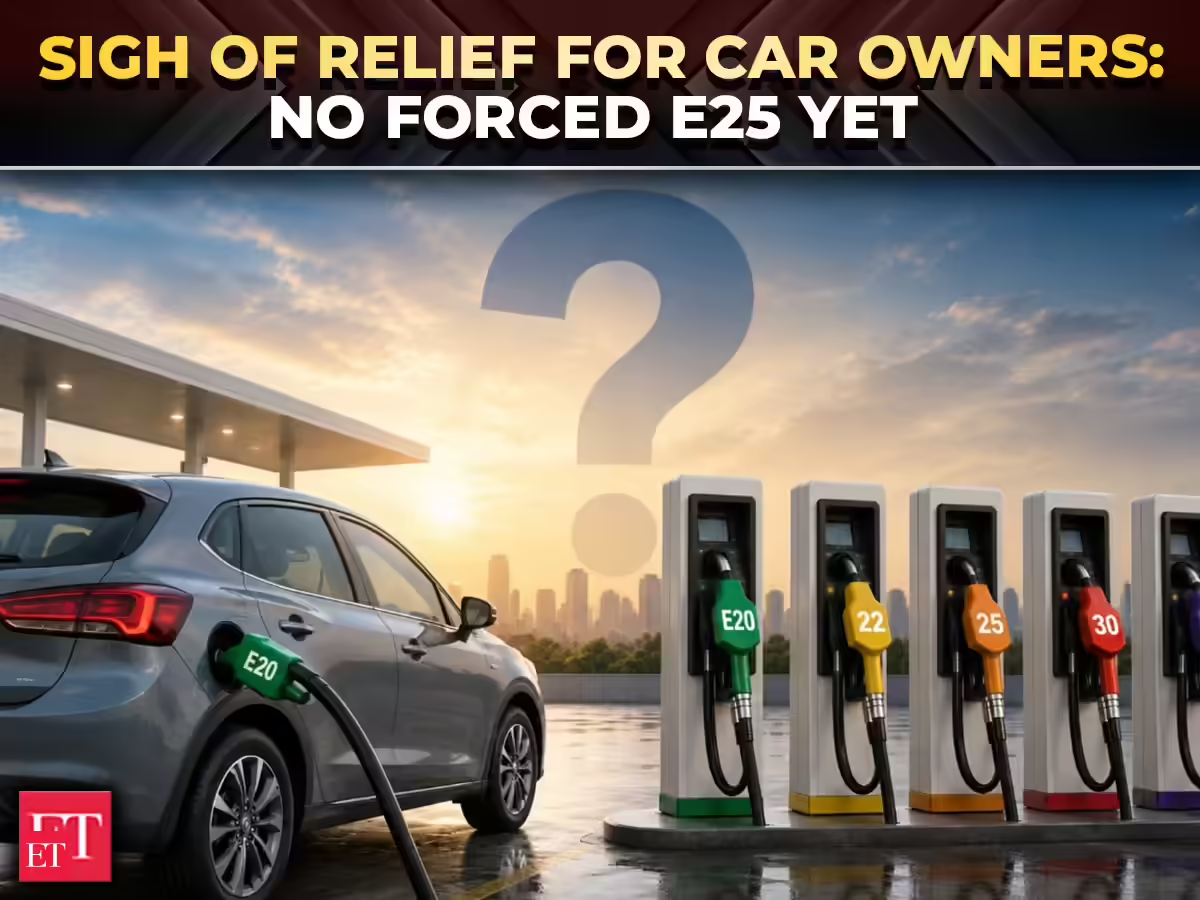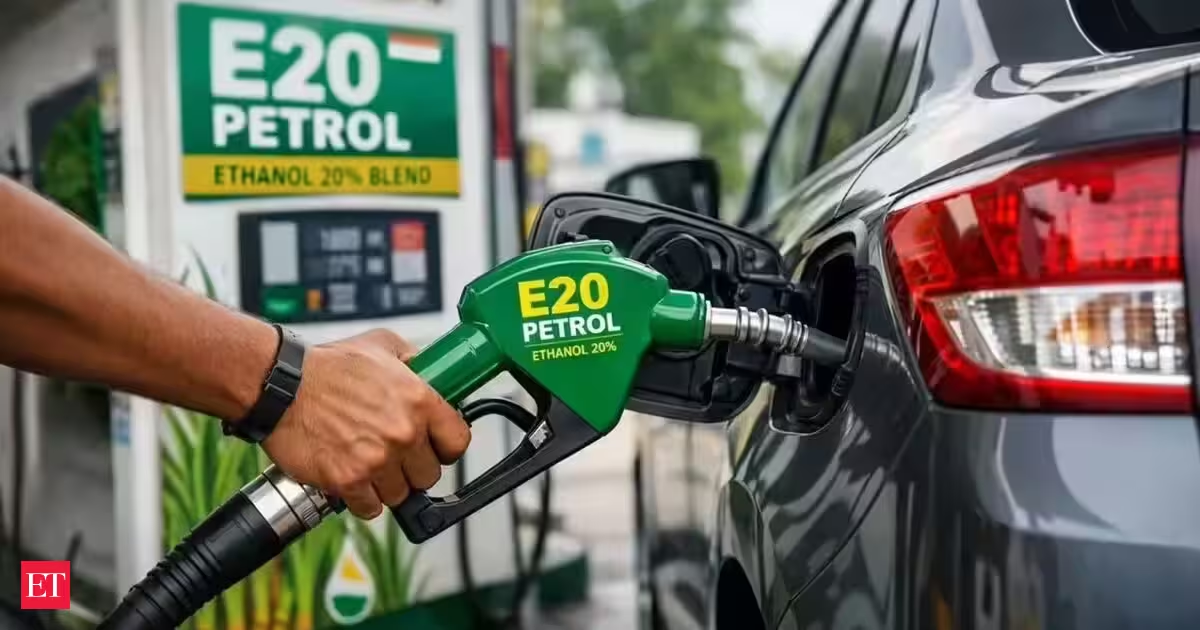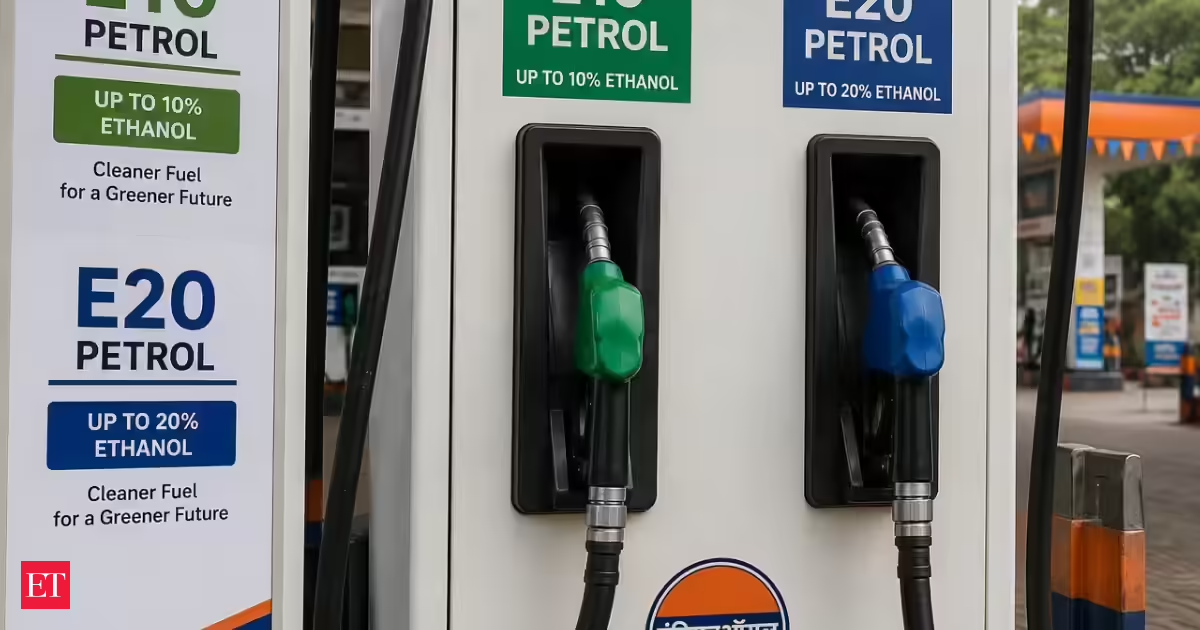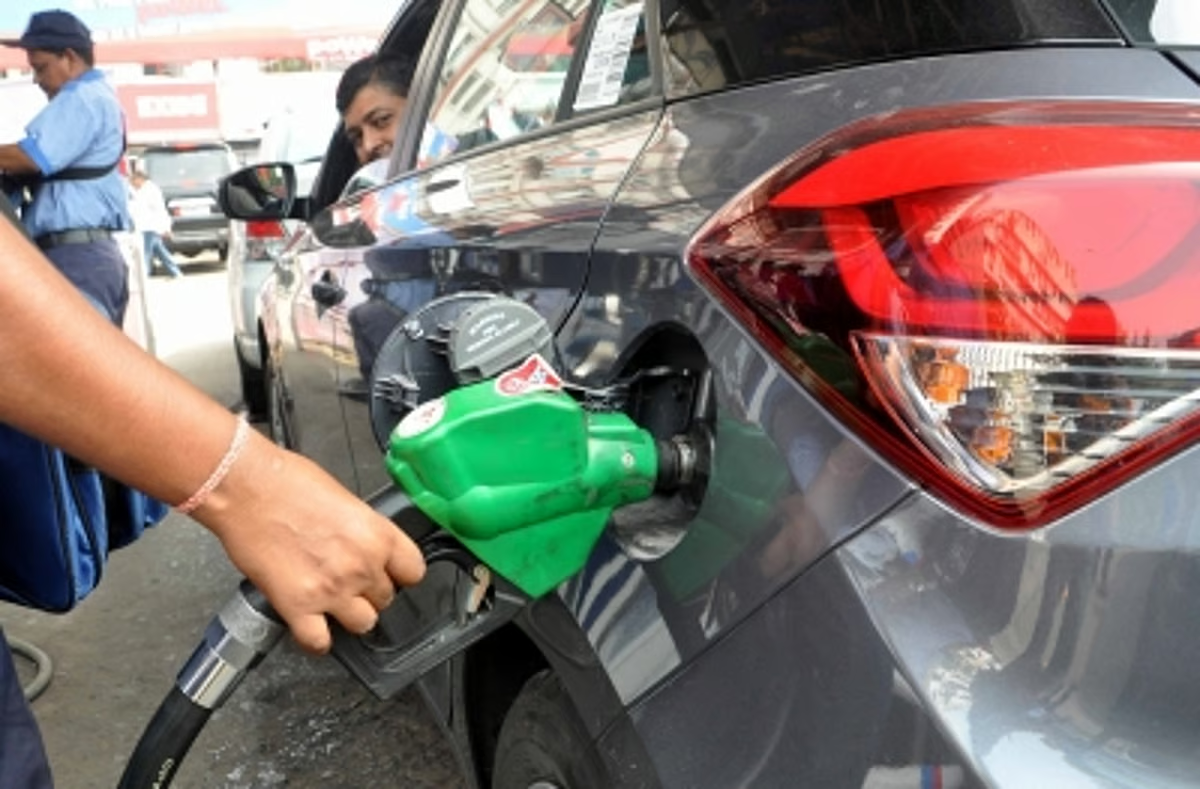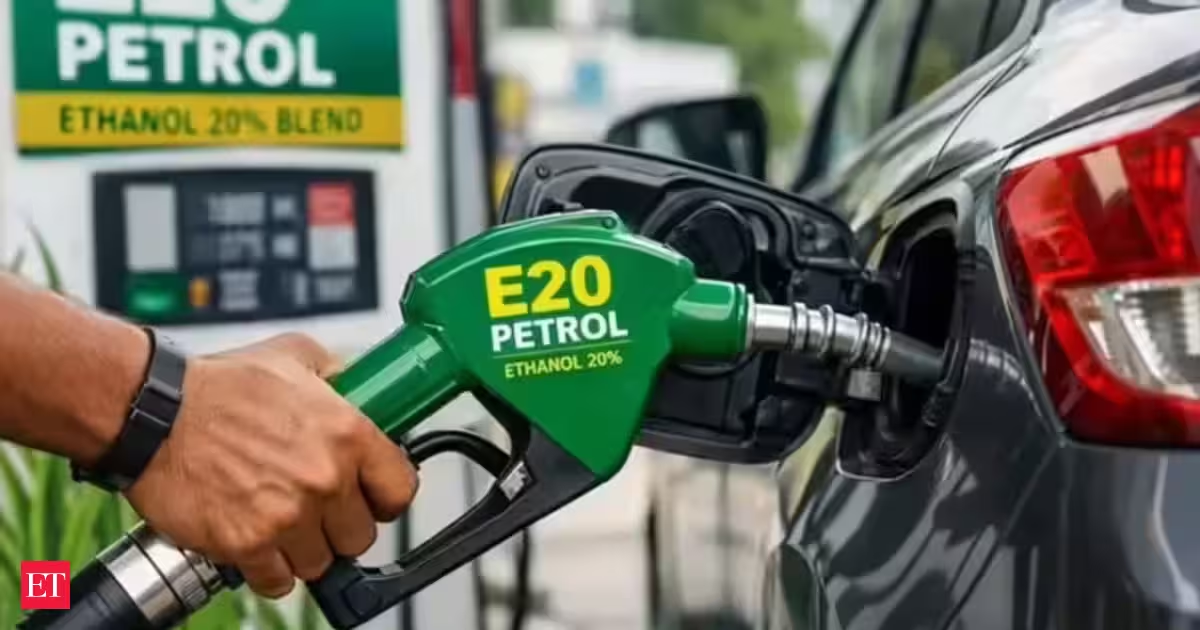
The automotive fuel landscape is undergoing a major transformation. Conventional petrol is increasingly being blended with ethanol - a renewable alcohol made from crops. While this transition is gaining momentum worldwide, countries such as Brazil, Paraguay, Thailand, Bolivia and Zimbabwe have already adopted fuel blends of E20 or higher in various forms, while the United States has built an extensive E85 network for flex-fuel vehicles. India has emerged as one of its fastest adopters.In a major milestone, India has achieved its nationwide 20% ethanol blending (E20) target, years ahead of the original 2030 deadline under the National Policy on Biofuels. E20 is now the standard petrol sold across retail fuel stations.Also Read | E20 Petrol: Why India wants ethanol blending and what are your worries? Key questions answeredThe scale of this transition is remarkable.India's ethanol blending rate has climbed from just 1.5% a little over a decade ago to 20%, while domestic ethanol production capacity has expanded nearly fivefold to meet the country's massive fuel demand.The shift is driven largely by economics.Also Read | E10 vs E20 Petrol Explained: Is India's ethanol-blended fuel safe for your vehicle?India imports nearly 88% of its crude oil, making it vulnerable to global price fluctuations and geopolitical disruptions. Replacing one-fifth of every litre of petrol with domestically produced ethanol helps reduce import dependence, save foreign exchange, support farmers and strengthen energy security.Crossing the 20% threshold, however, requires a strong agricultural supply chain and significant investment in fuel infrastructure. Only a handful of countries have successfully reached this level, making India's achievement notable on the global stage.What is ethanol-blended fuel?Ethanol-blended fuel is a mixture of petrol and ethyl alcohol. The "E" rating indicates the percentage of ethanol in the fuel. For example, E20 contains 20% ethanol and 80% petrol.Ethanol is produced by fermenting plant-based sugars and starches such as sugarcane, corn and grains. Because ethanol contains oxygen, it enables more complete combustion, reducing emissions of pollutants like carbon monoxide and particulate matter. It also has a high octane rating, which helps improve engine performance and reduce knocking.However, ethanol has about one-third lower energy density than petrol, meaning vehicles require slightly more fuel to travel the same distance. It is also hygroscopic (it absorbs moisture) and can corrode certain materials if engines are not designed for higher ethanol blends.Which countries use E20 or higher?Most European countries use lower blends such as E5 or E10, but only a few have adopted E20 or higher as mainstream fuel.Thailand offers E20 widely through tax incentives that encourage motorists to switch to higher blends. Paraguay mandates E30, taking advantage of its strong sugarcane and grain production to reduce oil imports.Here are the countries around the world that currently use fuel blends of E20 or higher as a primary or mainstream option:Brazil: The global leader in biofuels, enforcing a mandatory standard blend of E27. 5 to E30 across the country, with E100 (pure ethanol) widely available for flex-fuel vehicles. Paraguay: Mandates a baseline E30 blend to leverage its robust domestic sugarcane and grain production. India: Achieved a massive energy transition by making E20 the default standard petrol grade nationwide across retail outlets. Thailand: Actively offers and heavily subsidizes E20 and E85 as mainstream fuel choices to support local farmers. Bolivia: Implements an E25 blend option as part of its energy diversification strategy.Zimbabwe: Employs a mandatory E20 blending framework for its domestic gasoline supply.United States: While its standard nationwide fuel is E10/E15, it provides E85 (up to 85% ethanol) at thousands of stations specifically for flex-fuel vehicles. Philippines: While E10 is the national mandate, the government permits oil companies to sell E20 on a voluntary basis. Brazil's ethanol programme explainedToday, Brazil does not even sell pure petrol at regular filling stations. In fact, under the landmark "Fuel of the Future" law, the country's baseline standard petrol grade was legally raised to an aggressive E30 mandate, up from its previous E27. 5 floor.The law even establishes provisions to scale this standard up to E35 as soon as further technical feasibility is logged.The crowning achievement of the Brazilian model occurred in the early 2000s with the commercial introduction of Flex-Fuel Vehicles (FFVs).Equipped with smart sensors and modified engine control units, these vehicles can run seamlessly on any combination of petrol and ethanol, all the way up to one hundred percent hydrous ethanol (E100).If sugarcane prices drop, motorists fill up with cheap, locally grown pure ethanol; if market dynamics shift, they can switch back to blended petrol on a whim.The strategy has been so successful that Flex-Fuel Vehicles now capture over 85% of all new light-vehicle sales in the country, representing more than 80% of Brazil’s total light-vehicle fleeHow the US uses ethanol fuelThe United States approaches biofuel through a vastly different economic and agricultural lens.As the world's largest producer of ethanol, the American model is driven primarily by the Renewable Fuel Standard, a federal program created in the mid-2000s to expand the nation's renewable fuels sector.Unlike Brazil's sugarcane-reliant model, American ethanol is almost entirely derived from starch-rich yellow corn grown across the Midwestern Corn Belt.The baseline fuel sold at virtually every gas station across all fifty American states is E10. In recent years, the Environmental Protection Agency has authorized the expansion of E15, often marketed as Unleaded 88, which is certified for use in all light-duty conventional vehicles manufactured in the last quarter-century.The US also boasts a well-developed market for E85, a high-level blend containing up to eighty-five percent ethanol. While millions of flex-fuel trucks and sedans capable of running on E85 cruise American highways, the fuel is largely concentrated in major grain-producing states, operating alongside conventional petroleum networks rather than completely replacing them.What's next?India is already preparing for the next phase of its biofuel journey. Public sector oil marketing companies have begun pilot rollouts of E85 fuel stations in select cities to support the introduction of flex-fuel vehicles.As the country expands its biofuel infrastructure, it joins pioneers such as Brazil and the United States in demonstrating that the future of transport will rely not only on fossil fuels, but increasingly on renewable fuels produced from agriculture.
Which countries use E20 or higher ethanol blends? A global guide
Countries using E20 fuel: India has achieved its nationwide E20 ethanol blending target ahead of schedule. This transition significantly reduces import dependence and strengthens national energy security. Domestic ethanol production capacity has expanded substantially to meet fuel demand. While new vehicles are E20 compatible, older ones remain on the road. India now joins global leaders like Brazil in adopting renewable fuel standards.
1,013 words~5 min read