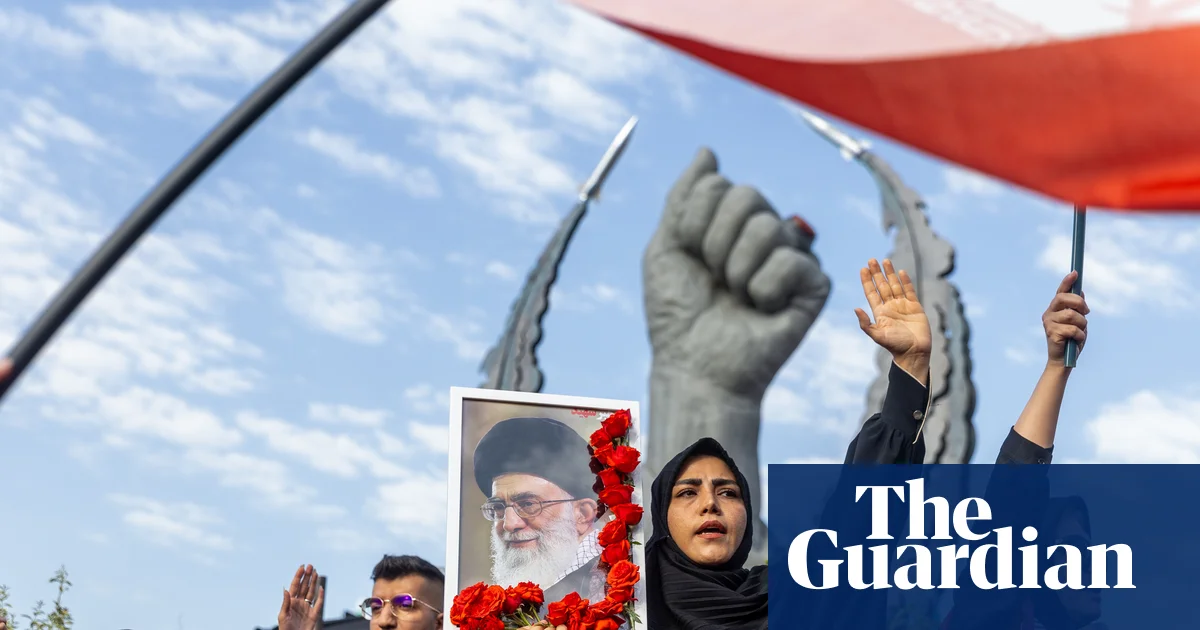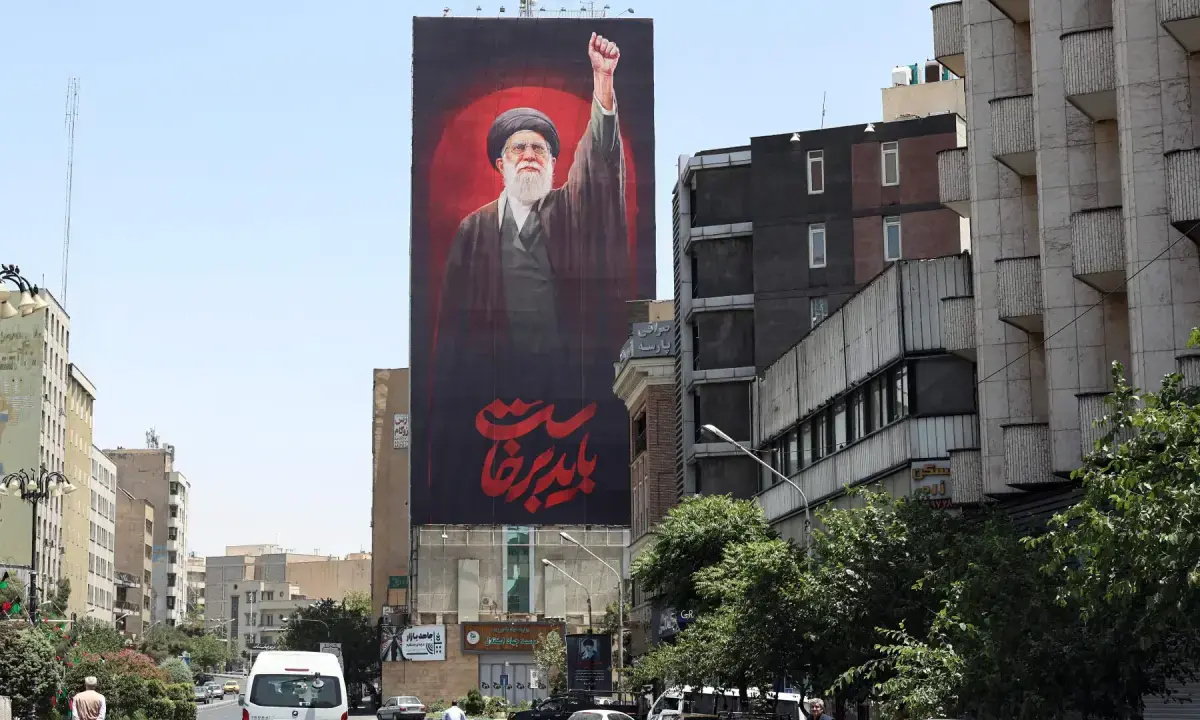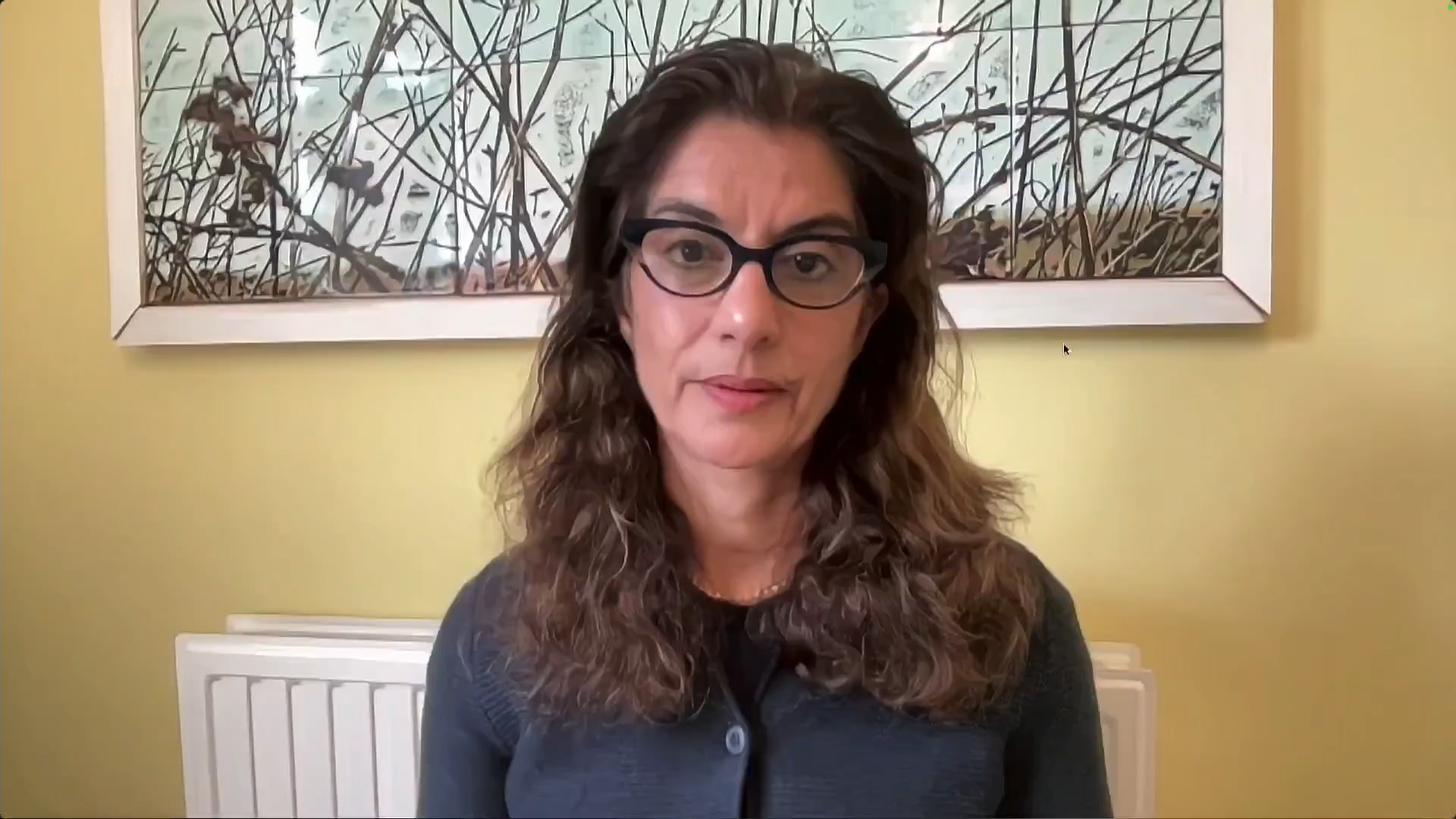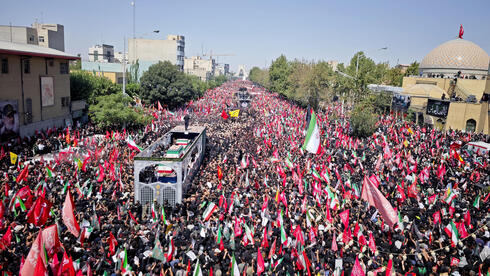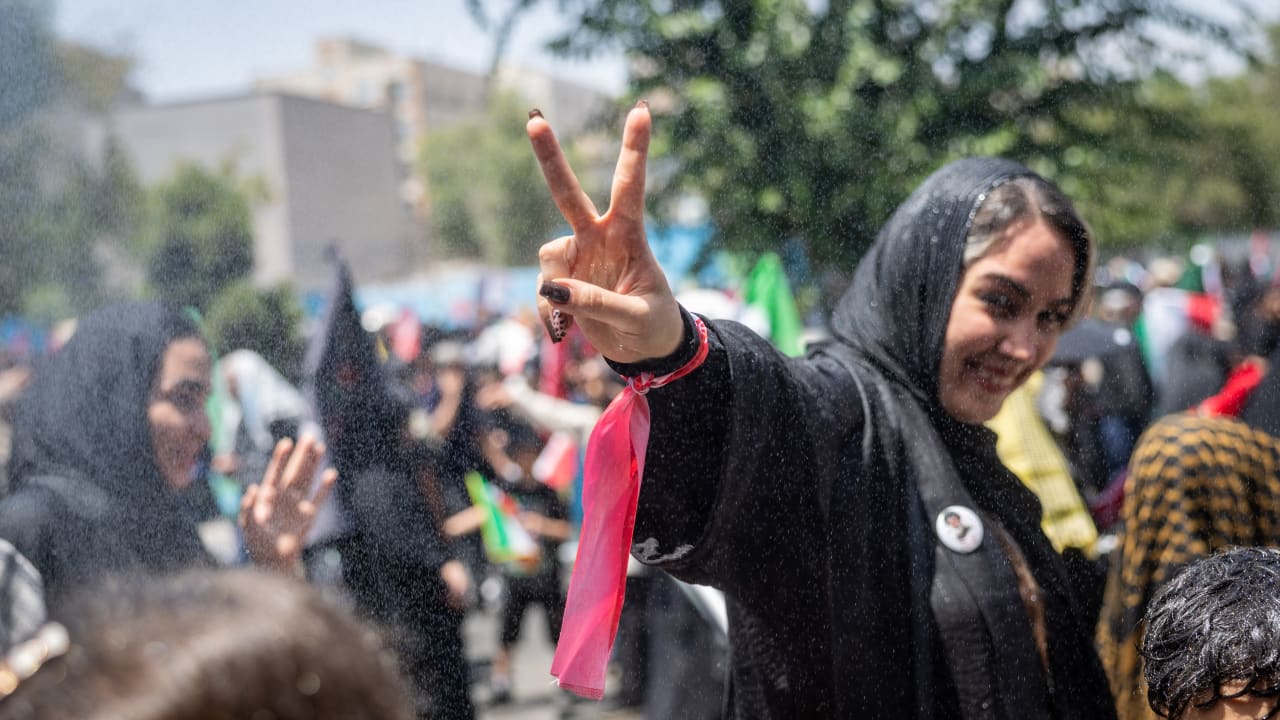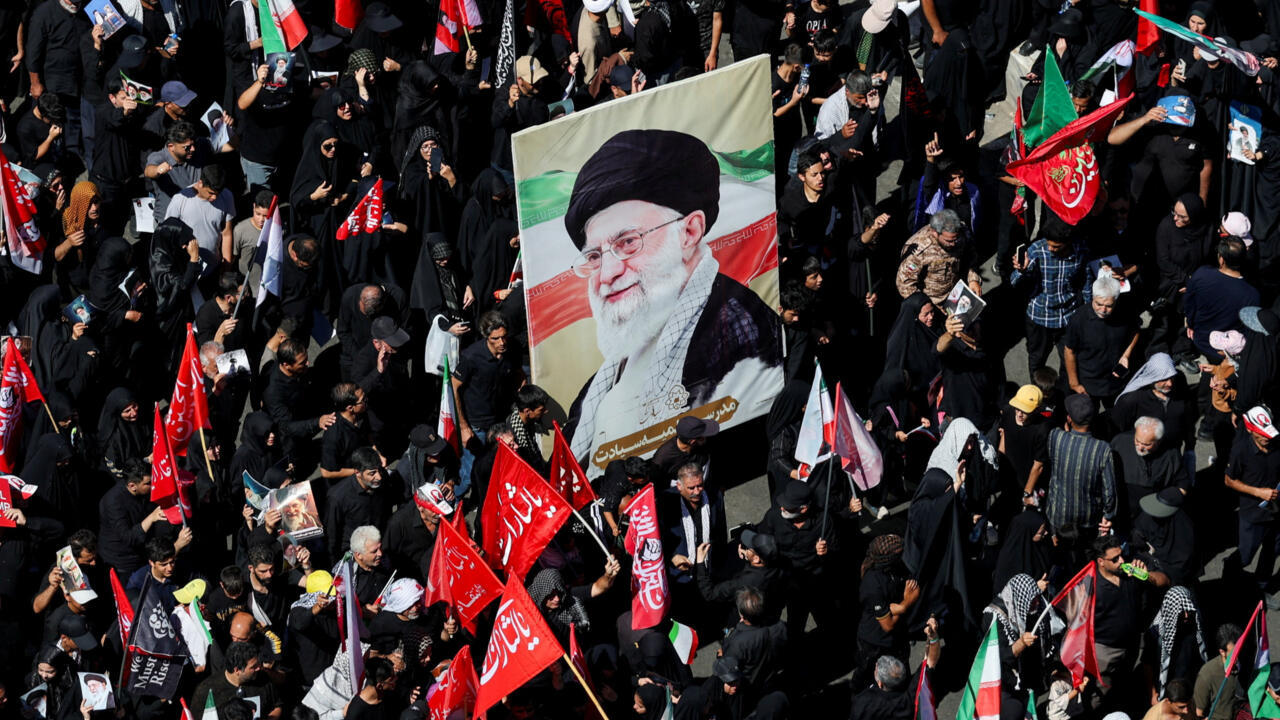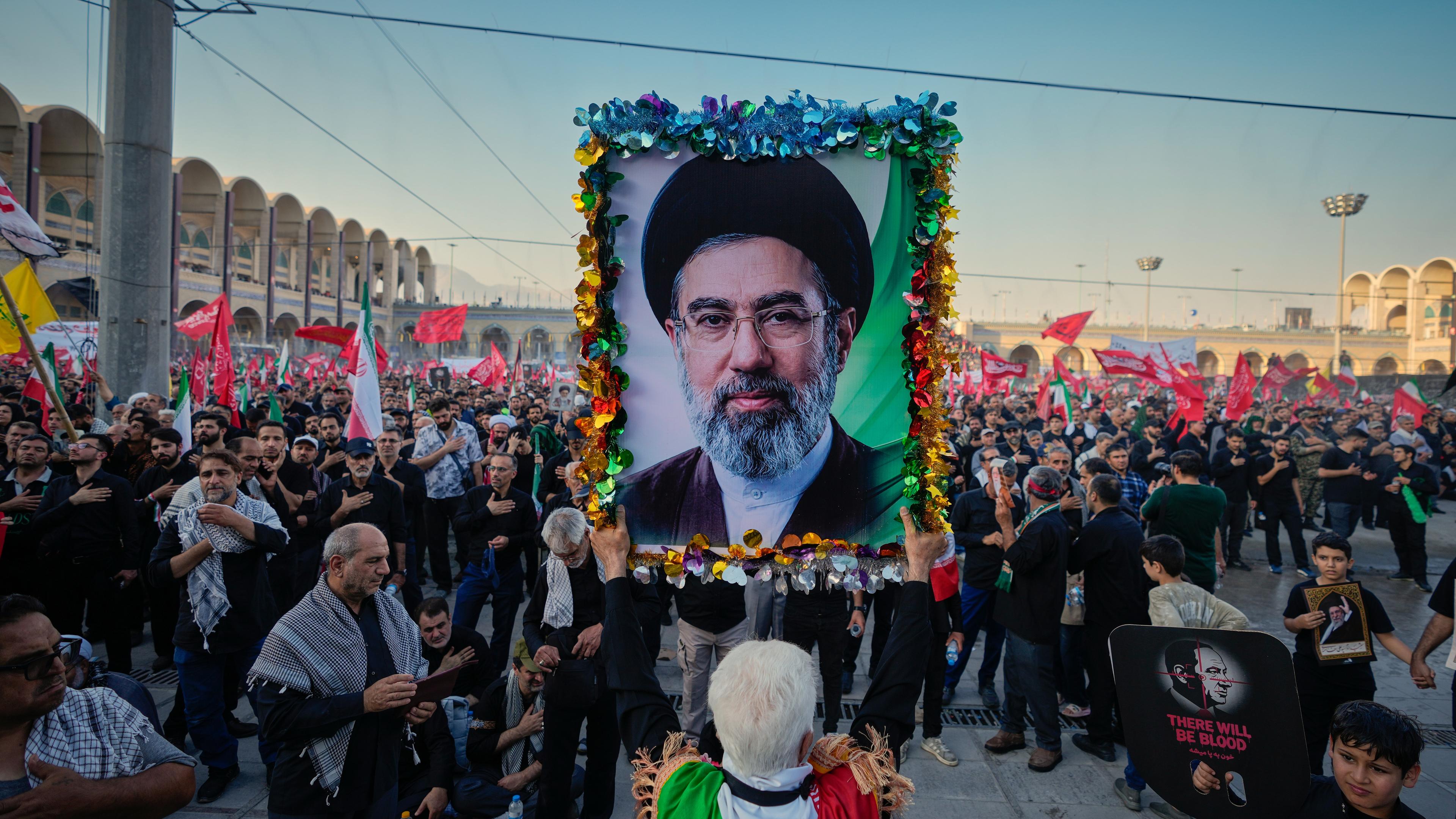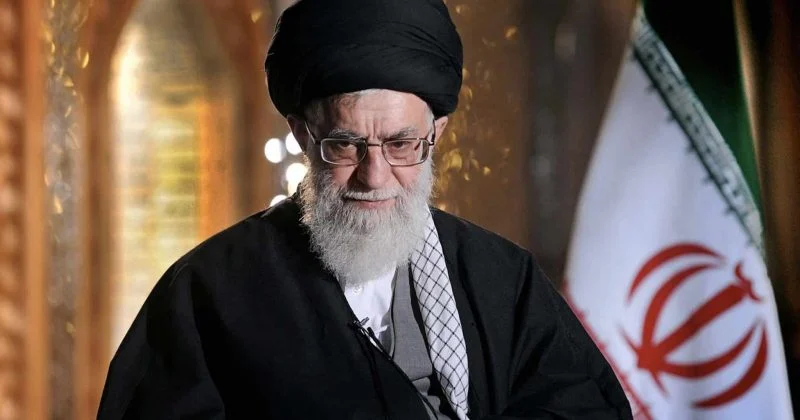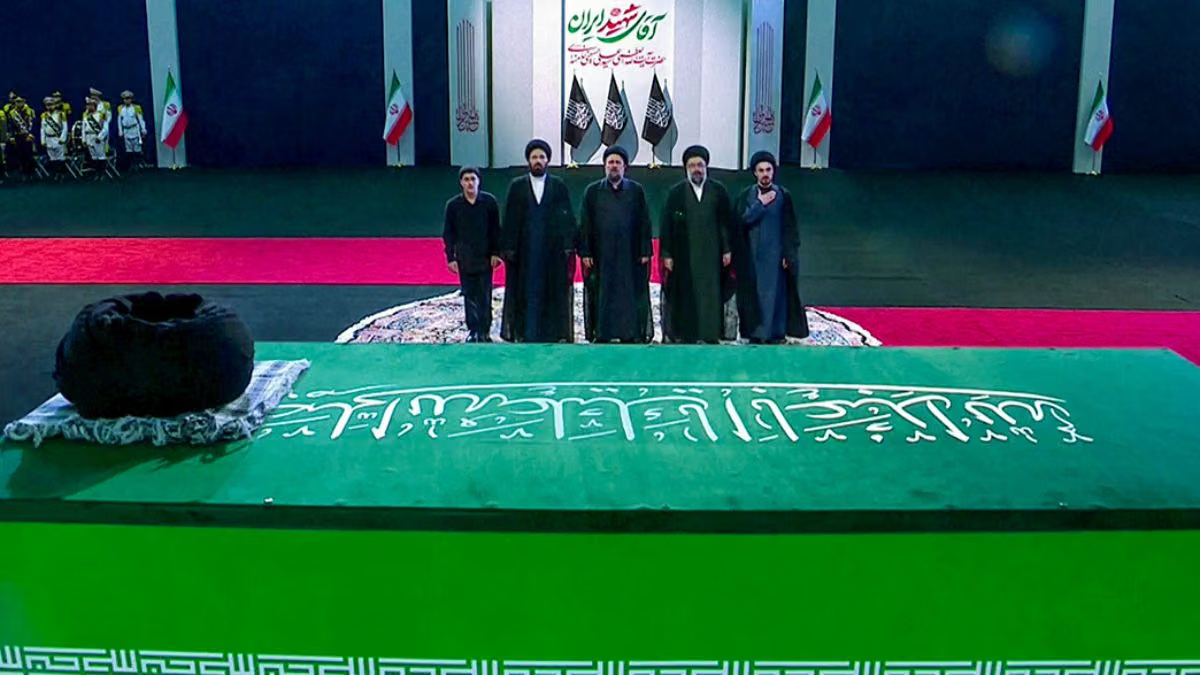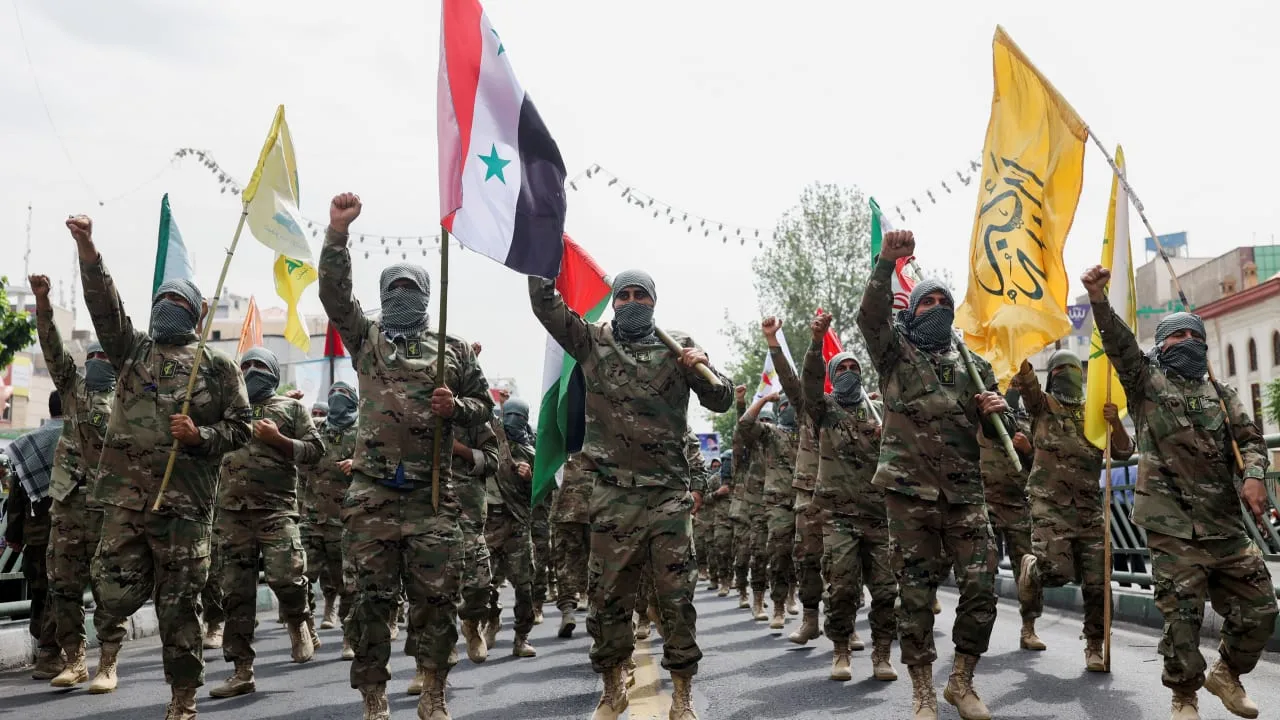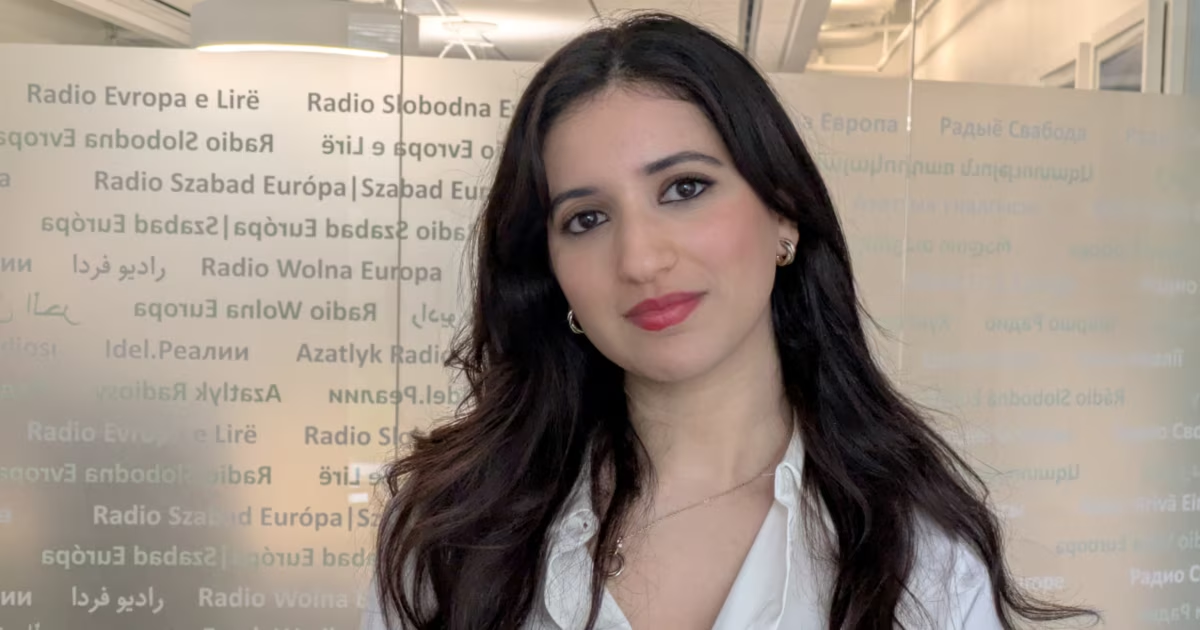
WASHINGTON -- The elaborate state funeral for Ayatollah Ali Khamenei was designed to project continuity and strength. But beneath the carefully choreographed images, questions remain about who now holds power inside Iran.RFE/RL spoke with Zineb Riboua, a research fellow with the Hudson Institute's Center for Peace and Security in the Middle East, about Iran's post-Khamenei power structure, the expanding influence of the Islamic Revolutionary Guards Core (IRGC), and why she believes growing repression reflects weakness rather than confidence.RFE/RL: We've just watched a highly choreographed funeral for Ayatollah Ali Khamenei. Was this a genuine display of regime strength, or an effort to project stability at a moment of unprecedented uncertainty?Zineb Riboua: I truly do think that they had to project some strength, some unity, especially because the survival of the Islamic republic as a project, as a revolutionary state, as a doctrine, but also as a model for the region, is necessary for them.On top of having this grandiose funeral, one of the things they've done is start ramping up condemnations, assassinations, and hangings because they correctly assess that one of the things Operation Epic Fury demonstrated was how weak the regime is, how incapable it is of projecting power.
Zineb Riboua: The Islamic Republic Is Weaker Than It Wants The World To Believe
RFE/RL spoke with Zineb Riboua, a research fellow with the Hudson Institute, about Iran's post-Khamenei power structure, the expanding influence of the Islamic Revolutionary Guards Core (IRGC), and why she believes growing repression reflects weakness rather than confidence.
1,668 words~8 min read