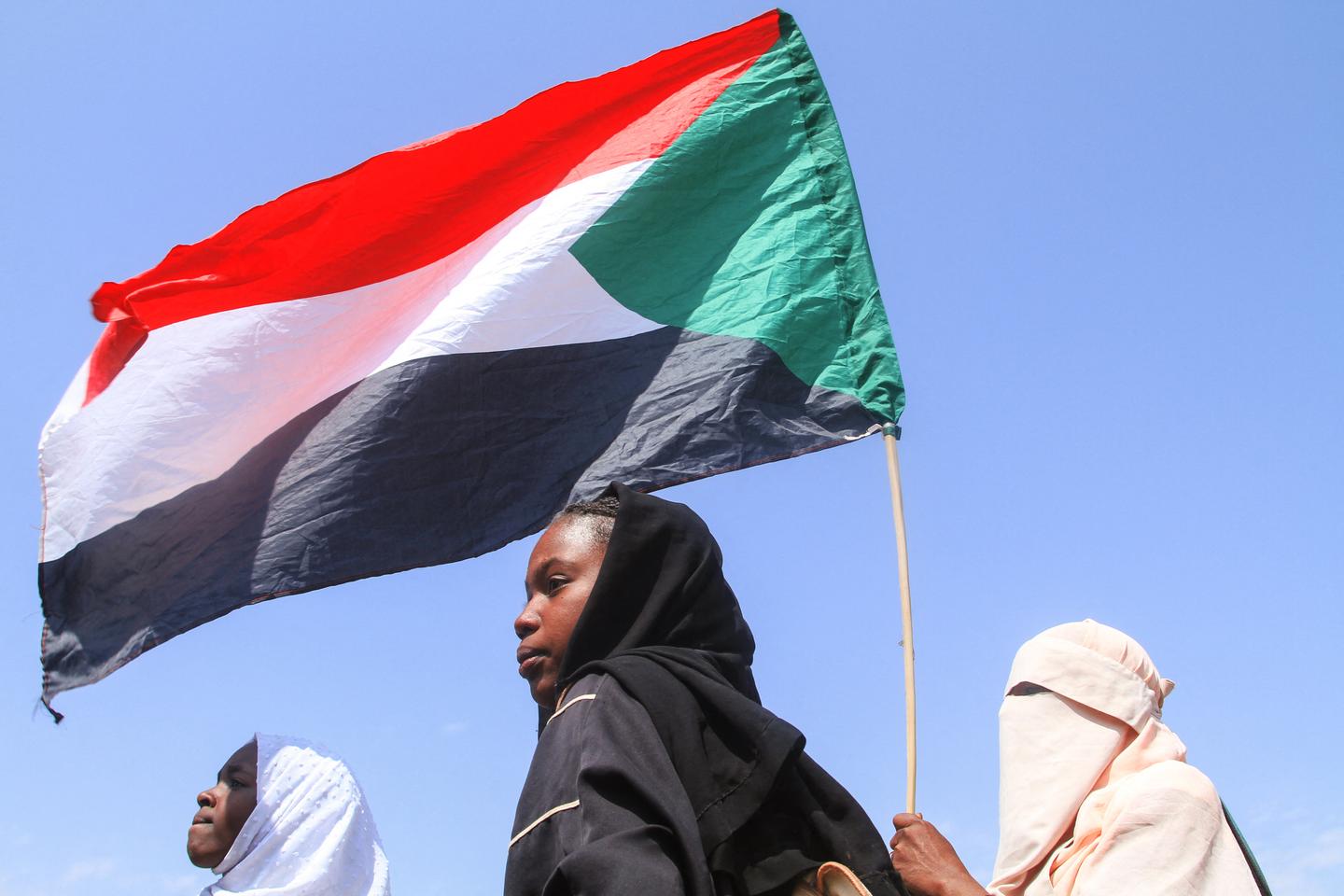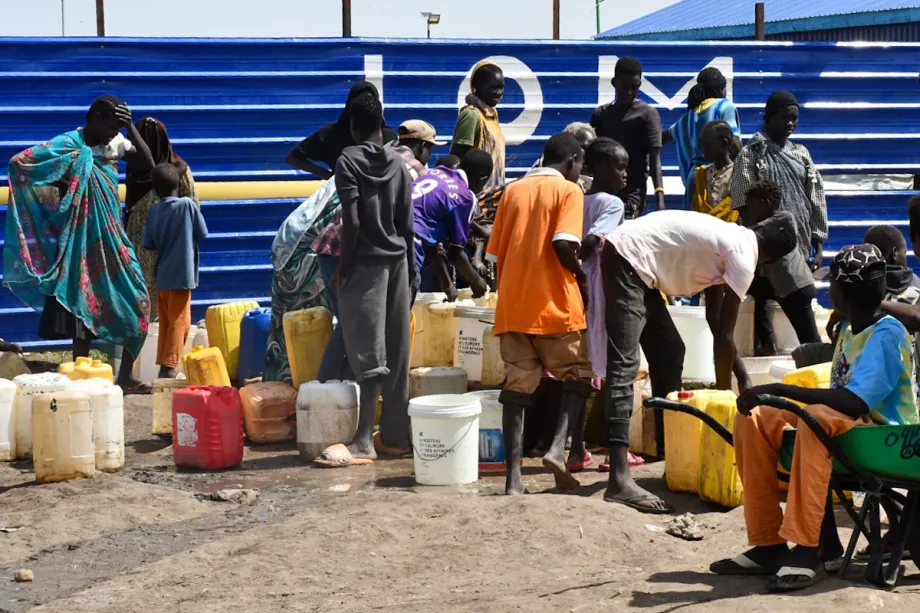
In the midst of a three-year-long civil war, Sudan has few friends. The international community has largely left – no Western country maintains an embassy within the country. The World Food Programme and the International Red Cross run limited campaigns to deliver water or medical supplies, but the United States closed its embassy in April 2023 at the outbreak of the civil war and ceased all aid in January 2025. The European Union has committed over €200 million for aid, but deliveries rarely arrive in an appropriate manner. Meanwhile, the de facto government of Sudan, General Burhan’s Sudanese Armed Forces (SAF), controlling the Eastern half of the country, is well over $56 billion in debt. Aid does little to mitigate Sudan’s debt spiral, and almost no creditors are prepared to help fund the campaign against the Rapid Support Forces (RSF) in the west. China remains one of the few who continue to negotiate with the Sudanese Army on any economic level.
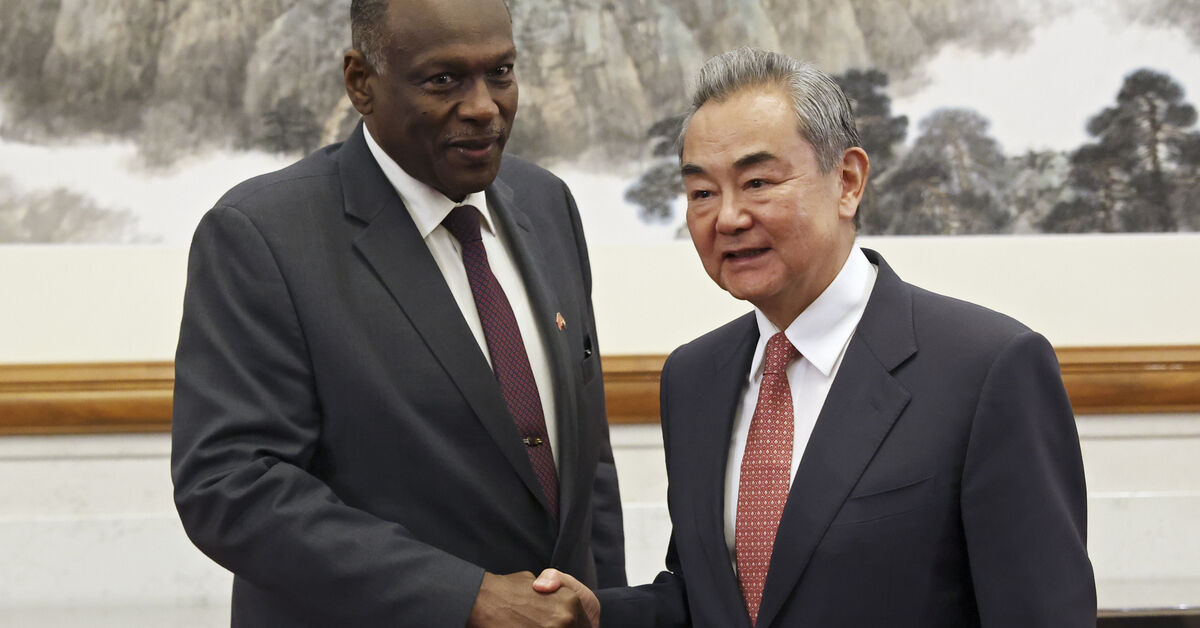
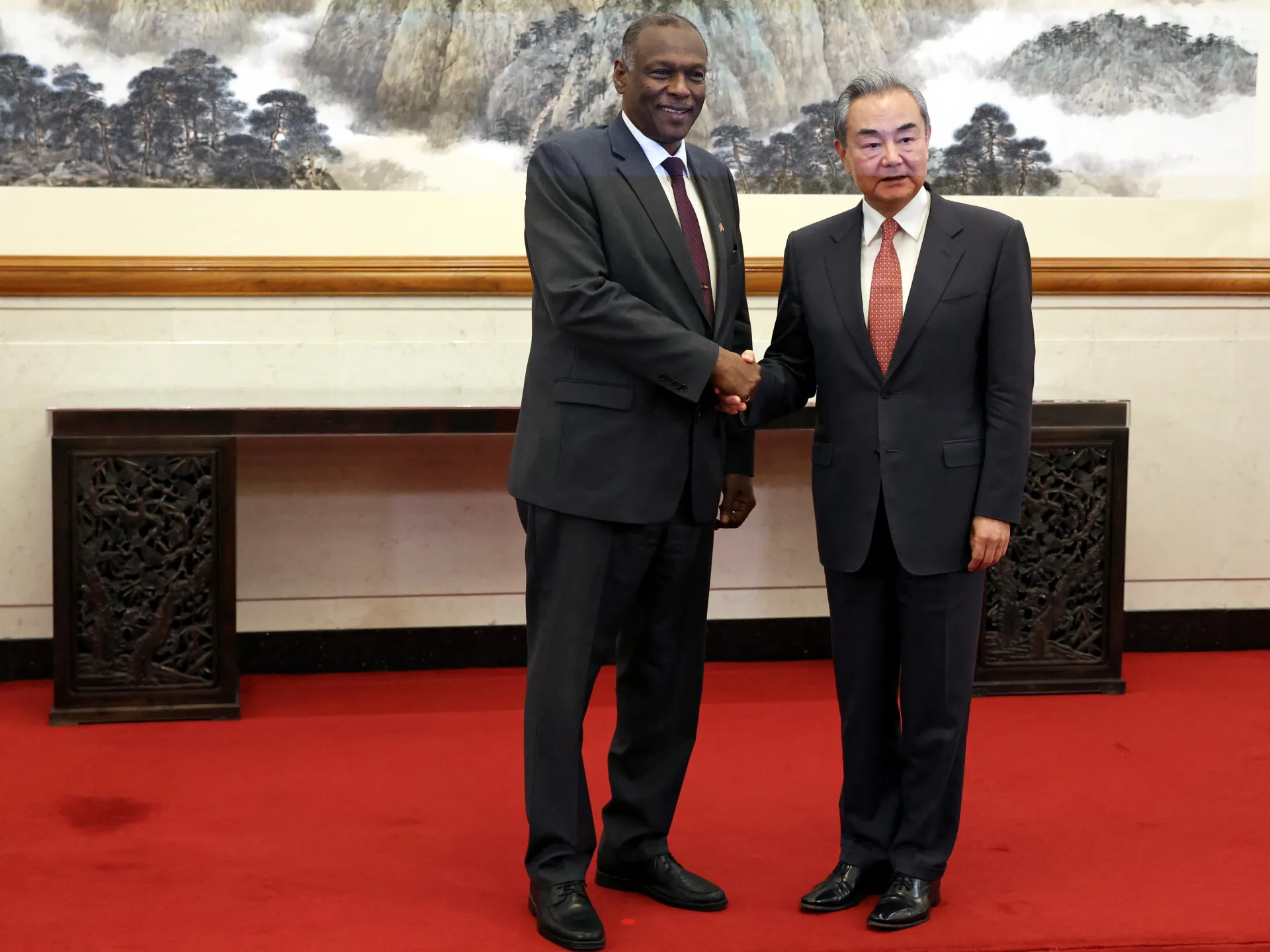
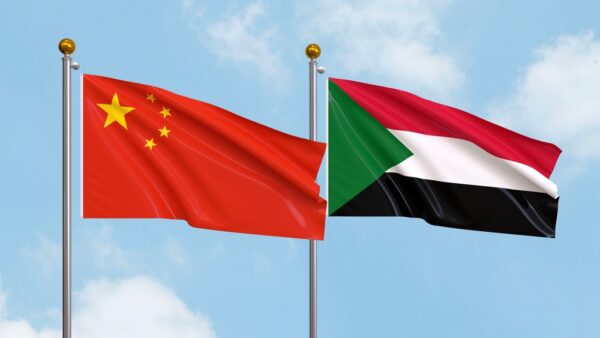
Chinese diplomats recently announced the forgiveness of four no-interest loans totaling $50 million, signaling an apparent olive branch to the faltering regime, as well as a willingness to foster diplomatic ties when no one else is. Dr. Gebreil Ibrahim, the Sudanese finance minister, praised the deal, seeing it as opportune for Chinese entry into Africa and for Sudanese skills development. He noted that the deal comes at a time when no Western country has invested into Sudan. In fact, China is actively seeking investments in Sudan, including a $300 million copper deal that would leave Sudan with 30 percent of the profits over a 30-year timeframe. This would be paid out only after debts to China were paid off. Notably, Sudan currently owes China over $5 billion in outstanding debt. The terms are quite striking and hint at a different picture than economic cooperation. China’s strategy in Sudan goes well beyond diplomatic friendship.