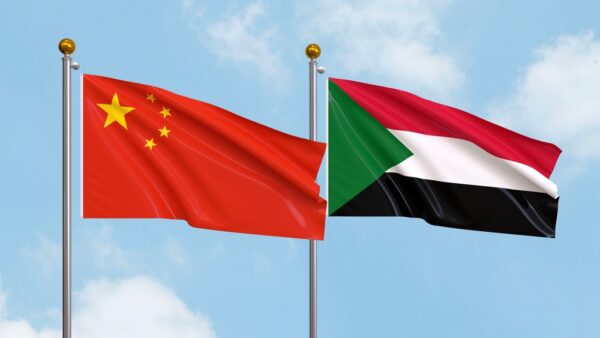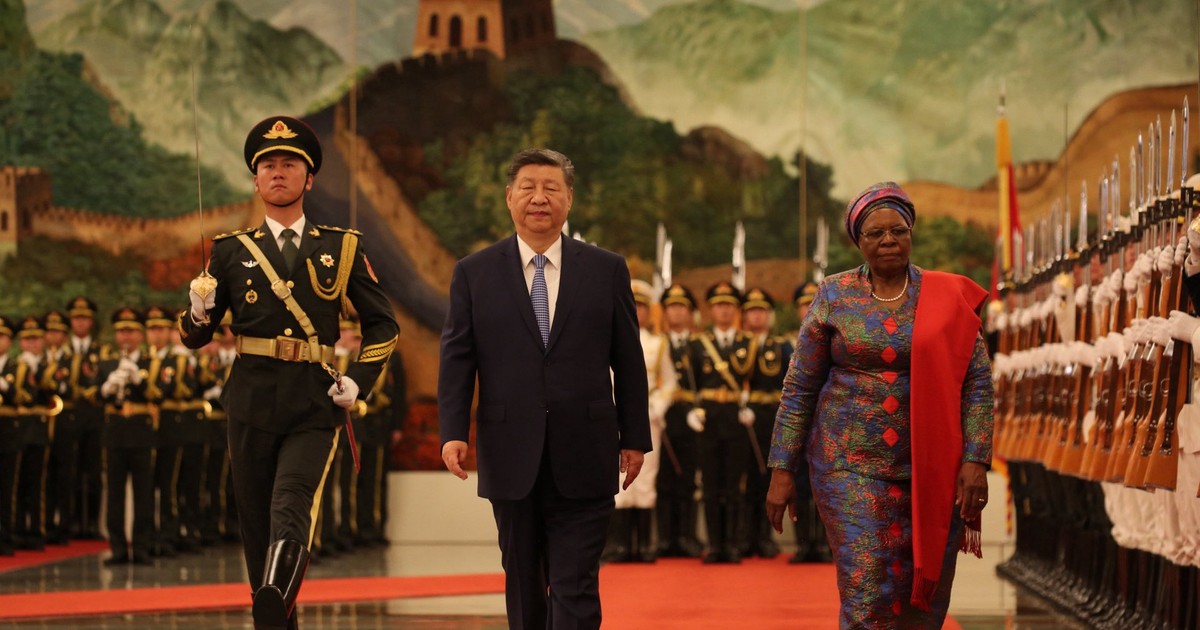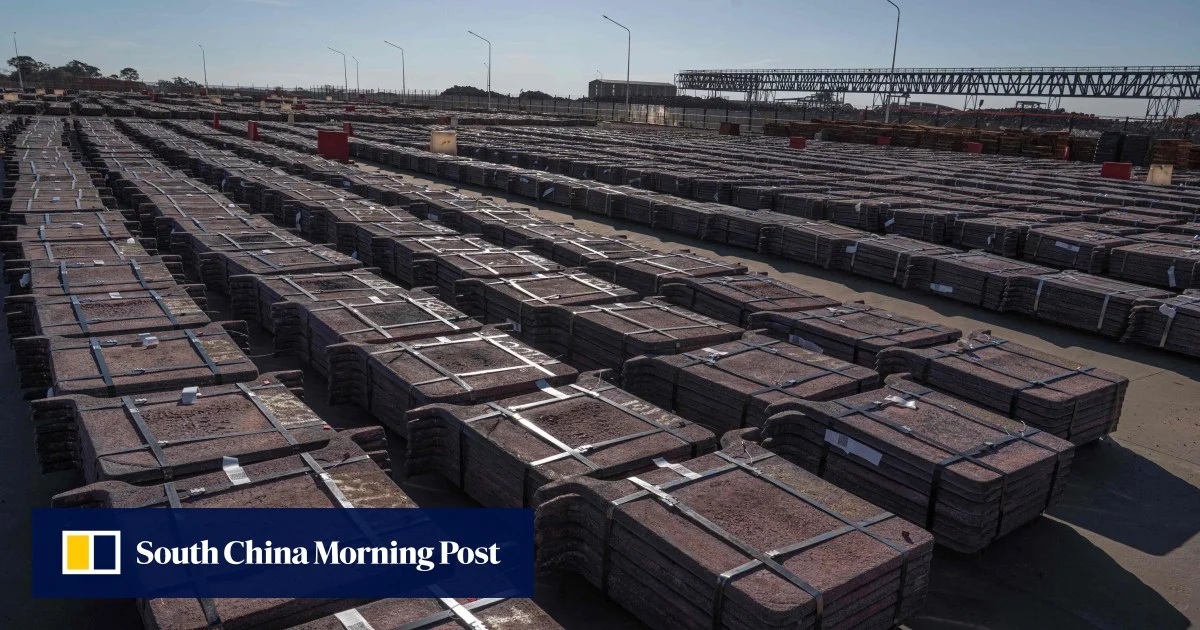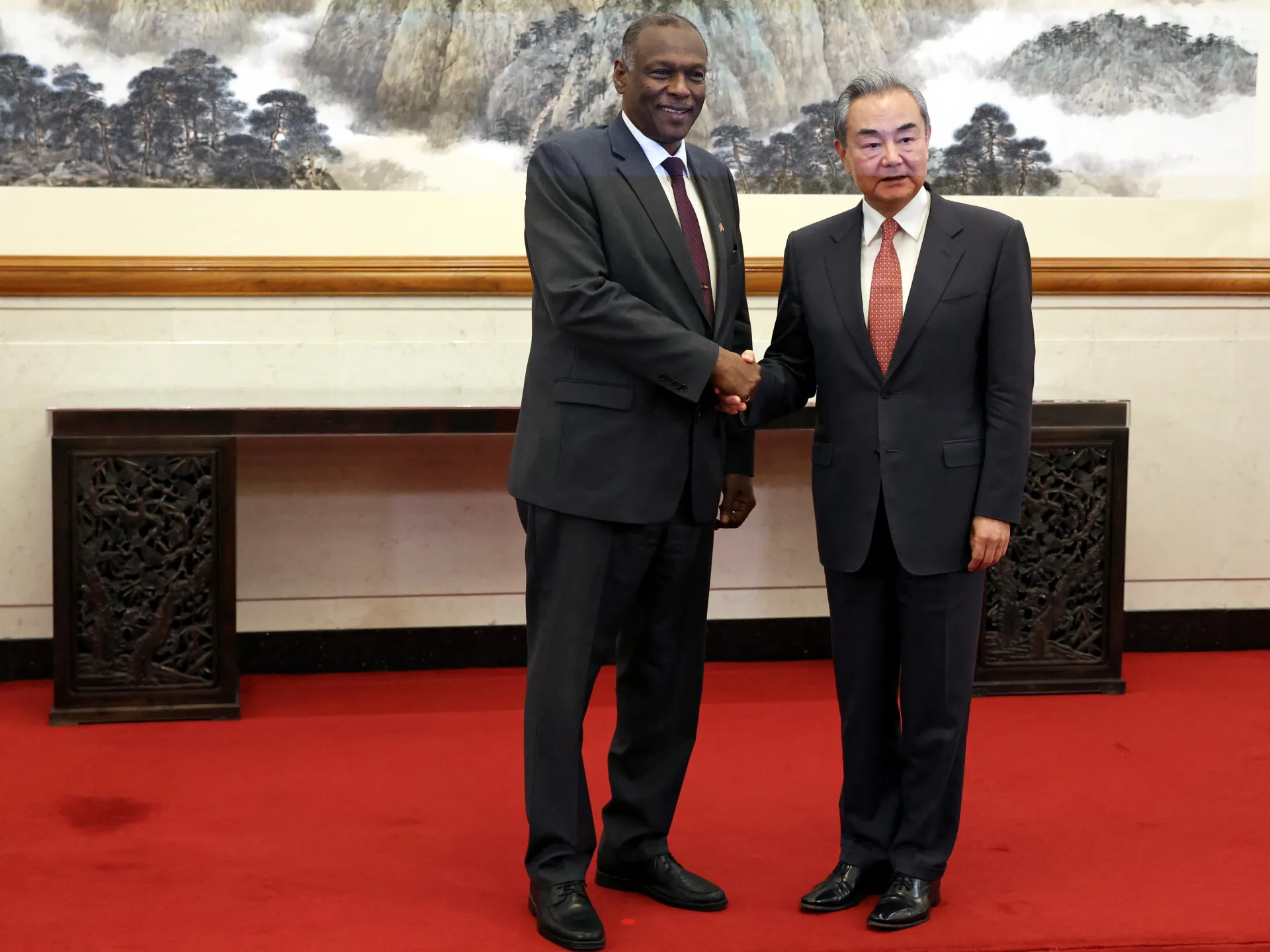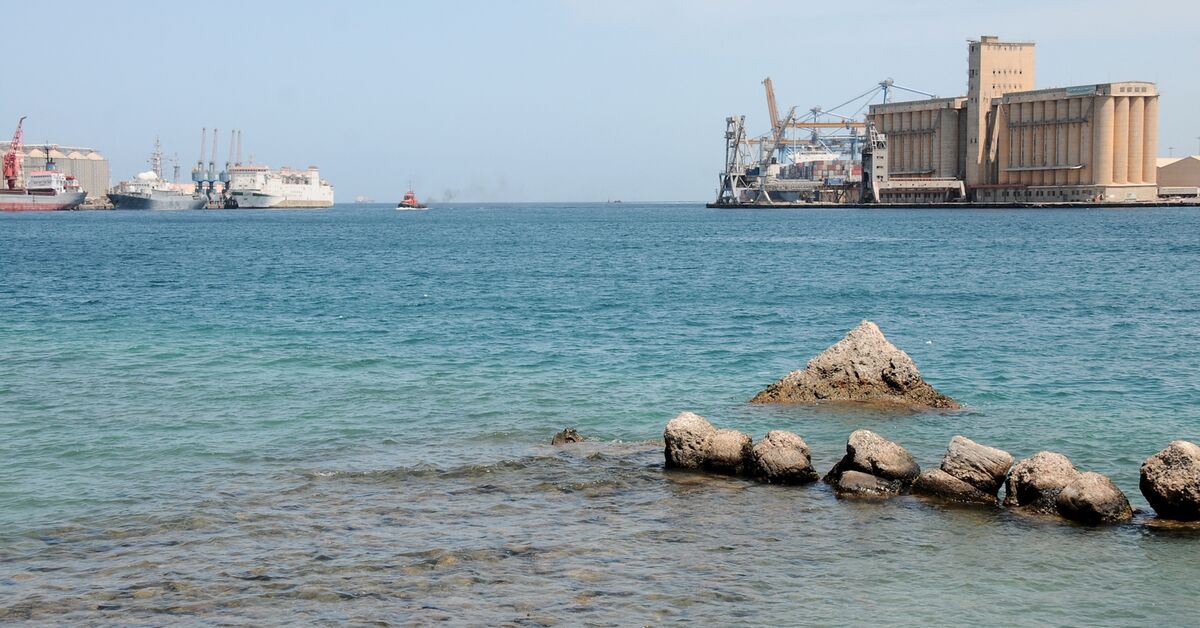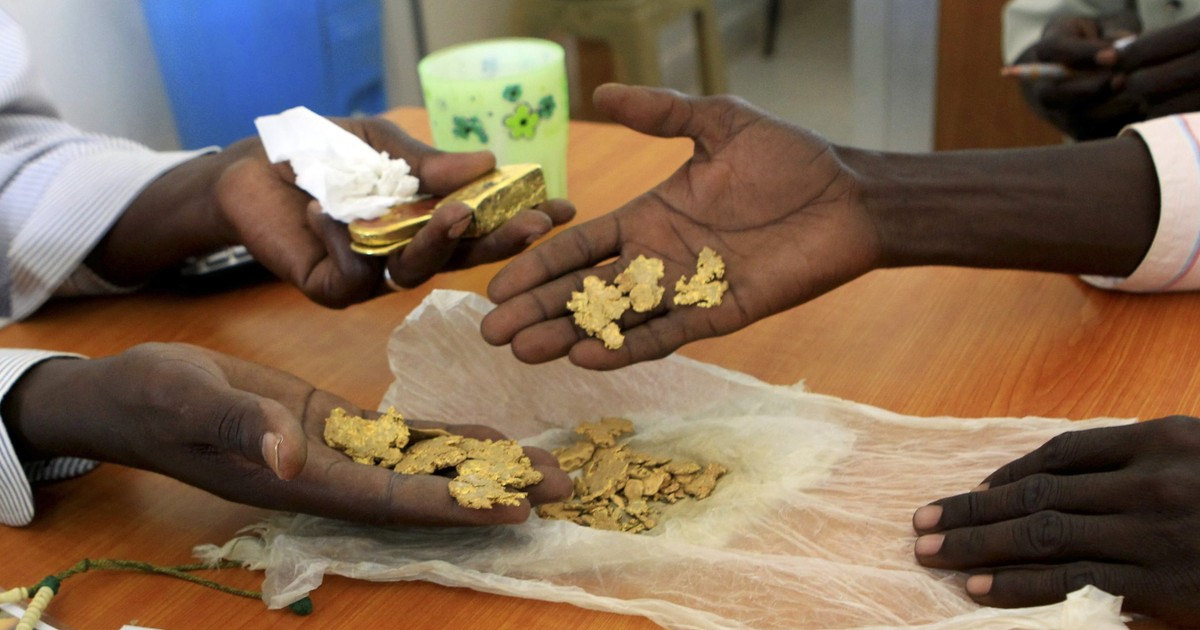
Beijing is expanding its footprint in mineral-rich Sudan, where an end to the country's more than three-year-old war remains out of reach. On Monday, Sudan's state-owned Sea Ports Corporation signed a memorandum of understanding with state-owned China Harbour Engineering Company to develop and modernize Sudan's ports. According to Sudan's state news agency, the agreement covers the rehabilitation of port infrastructure and equipment as well as the construction of new seaports.The agreement is the latest sign of expanding Chinese engagement with Sudan. On June 28, China agreed to cancel four interest-free loans to Sudan worth around $50 million. The two sides reviewed progress on Chinese-funded projects, including a roughly $66 million slaughterhouse project in West Omdurman and a separate $31 million grant supporting Sudan’s energy, water and agriculture sectors. Over the past month, Sudanese officials held a series of meetings with Chinese counterparts, including representatives from China National Petroleum Corporation, the China-Africa Development Fund and the Chinese Communist Party, and Sudan participated in Belt and Road and Global Development Initiative forums in China.Sudan is seeking to revive an economy devastated by three years of war. Since April 2023, the Sudanese Armed Forces, which backs Sudan’s government, has been fighting the paramilitary Rapid Support Forces. The United Nations Development Programme estimates the conflict wiped out nearly $6.4 billion in GDP in 2023 alone.What does Sudan get?Beyond ports and debt relief, China’s engagement with Sudan also extends to the country’s mineral resources. Reports have emerged of a potential copper mining deal between the Sudanese government and a Chinese company, though neither side has confirmed the agreement. Sudanese outlets including Sudan Nile and Sudan Akhbar recently reported that Sudanese officials were preparing to finalize a copper mining agreement with a Chinese company. The deal would reportedly last 30 years and see Sudan reap 30% of the profits. Reports have valued the agreement at $300 million. For Cameron Hudson, independent Africa analyst and former US intelligence official, the contrast between the debt relief and the reported mining concession is telling. “That they would get $50 million in debt written off, but the Chinese would gain access to a $300 million copper mine is a pretty good deal in the direction of Beijing. What Sudan gets from it, however, is something that maybe you can't put a price tag on,” Hudson told Al-Monitor. Sudan’s benefit, Hudson said, is political as much as economic. The Chinese agreements represent “a kind of legitimacy or a vote of confidence” in the SAF-led government, which “is struggling right now to present itself as the legitimate government of Sudan.”What China gainsSudan holds significant mineral wealth, including gold, copper, uranium and rare earth elements. Earlier this year, Sudan's authority for geological research said that approximately 75% of the country’s mineral resources remain unexplored. The country’s Al-Qutb copper deposit in Red Sea state has previously been estimated by Sudanese officials to contain around 5 million metric tons of copper. The prospect of the mining deal is attractive for China, the world's largest consumer and processor of copper. According to a 2025 report by CME Group, China accounted for nearly 60% of global refined copper consumption in 2024 and processed roughly 45% of the world's copper, driven by infrastructure spending, power grid expansion and electric vehicle manufacturing. While the reported concession would be relatively modest in the context of China's global mining portfolio, Hudson said it illustrates Beijing's higher tolerance for political and security risk than many Western or Gulf investors.Hudson said that China, “during this conflict, and during many conflicts in Africa, has tended to keep a low profile to step back when its security wasn't guaranteed.”He went on, “The idea of making a $300 million investment in a copper mine is something that they're willing to do, even though the political context and the security context in Sudan is not particularly desirable right now. They're still willing to do that because of their kind of high risk tolerance.” China’s willingness to pursue investments in Sudan reflects the nature of its engagement overseas, Hudson said. “Unlike, say, the US or the Europeans or the Gulf, they're not trying to shape political outcomes on the ground.”Politics of Sudan’s resourcesSudan’s mineral wealth has historically been intertwined with conflict, particularly gold, the country’s most established mining sector. Before the outbreak of war, both the SAF and the RSF were involved in the gold trade. The conflict has since intensified gold’s role in Sudan’s war economy, with armed actors relying heavily on the sector — much of it outside official channels — to finance their operations.In January, Sudan’s finance minister said that of the 70 metric tons of gold produced in 2025, only 20 metric tons had been exported through official channels. Hudson said he does not expect copper to play the same role in Sudan’s war economy. While any new revenue stream could potentially benefit armed actors, copper is less susceptible to being used as a wartime financing tool because it is tied to more formal markets and is far less lucrative than gold.Hudson said the broader challenge for the SAF is that as it seeks to present itself as Sudan’s legitimate authority, it cannot rely solely on military spending and must also demonstrate that it can provide basic services.“The army and the officials in Khartoum, they are trying to deliver services to the people, because they are trying to demonstrate, not just to the international community, but to their own people, that they are the legitimate and credible state authority,” Hudson said.“The way to do that is to try to get services turned back on and provide services to people. At some point, the authorities in Khartoum can't just use every available dollar to buy weapons.”
China expands Sudan footprint through ports, debt relief, mining
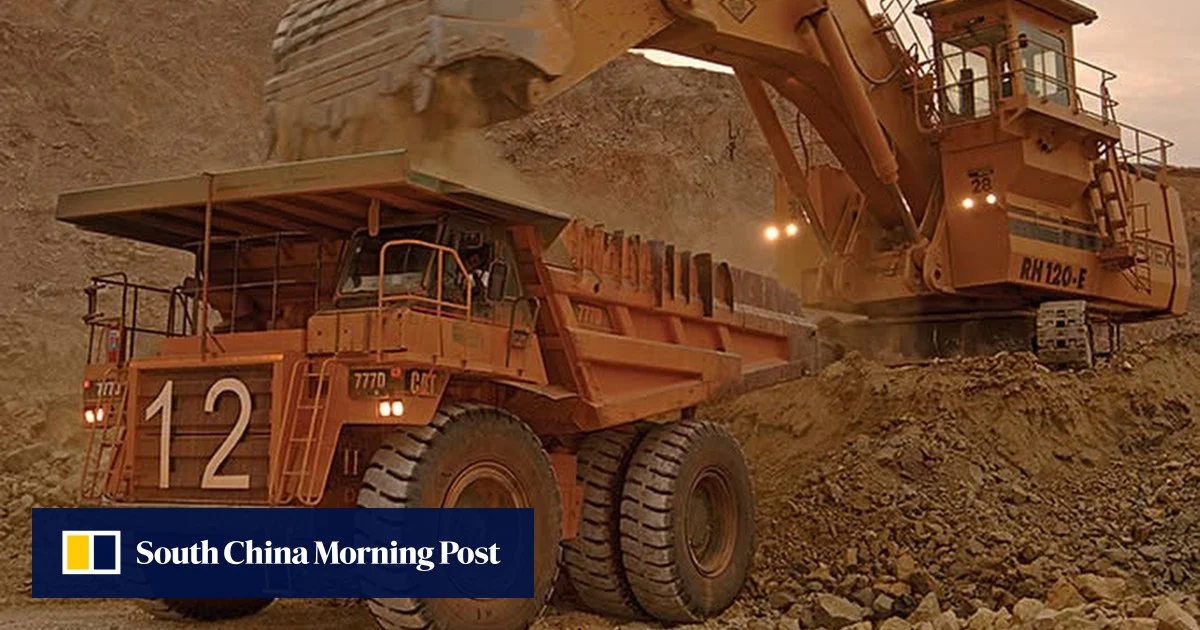
Reports have emerged of a potential $300 million copper mining deal between the Sudanese government and a Chinese company.
951 words~4 min read