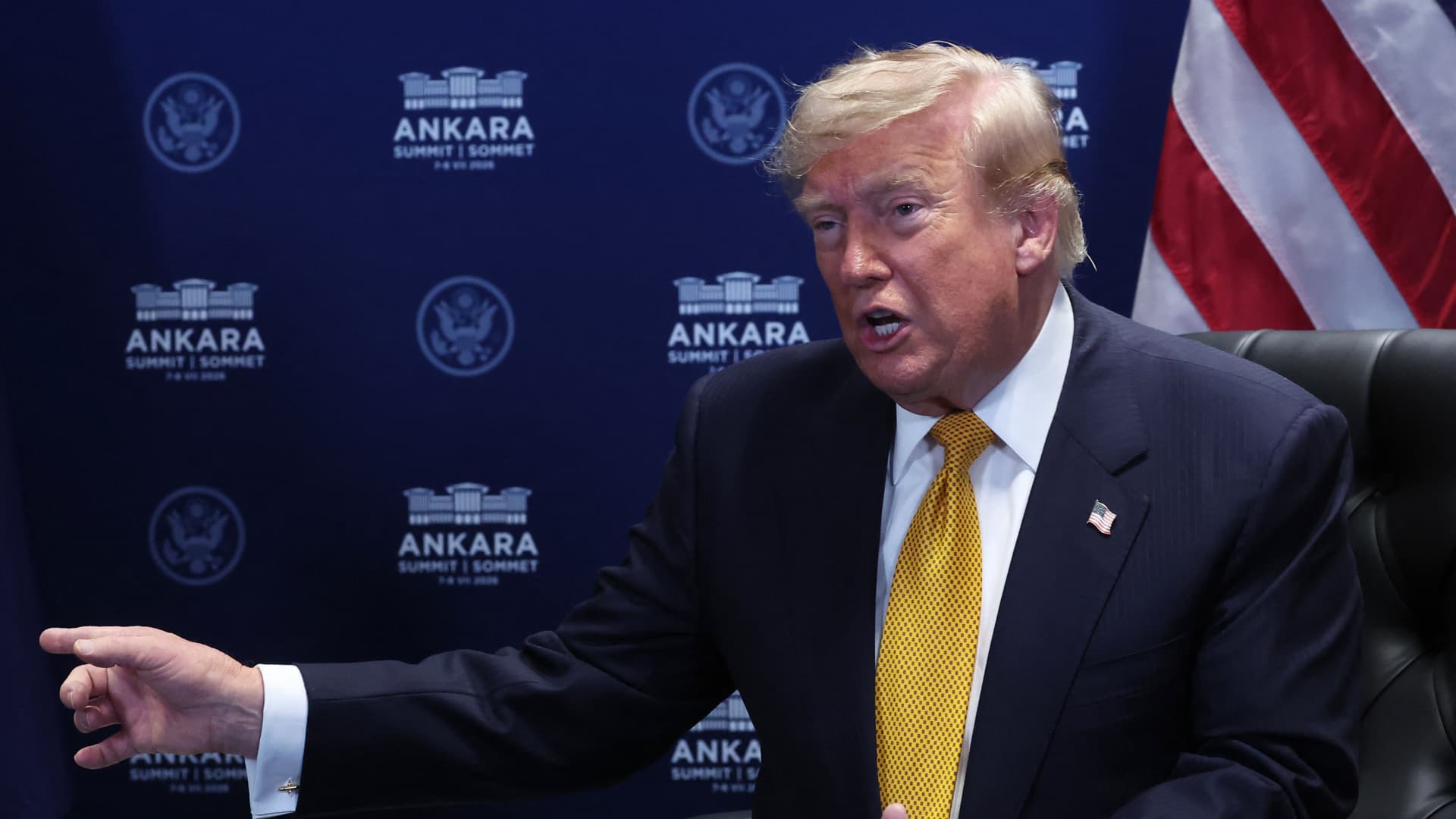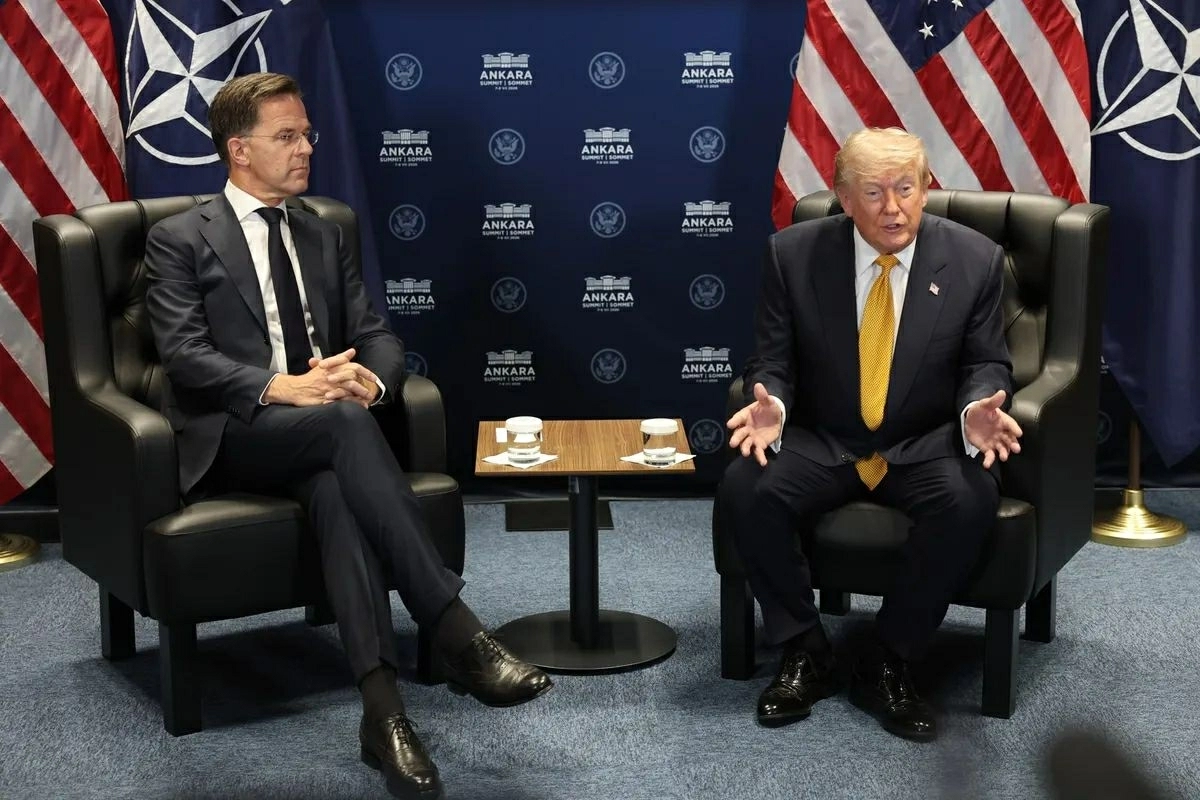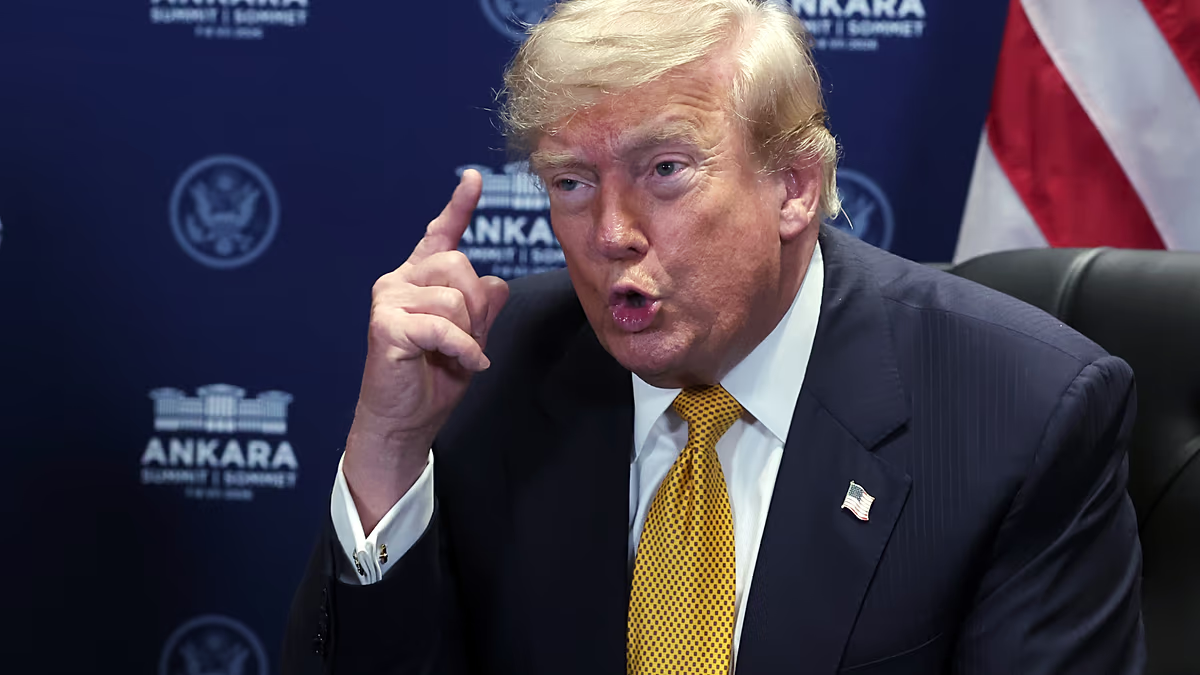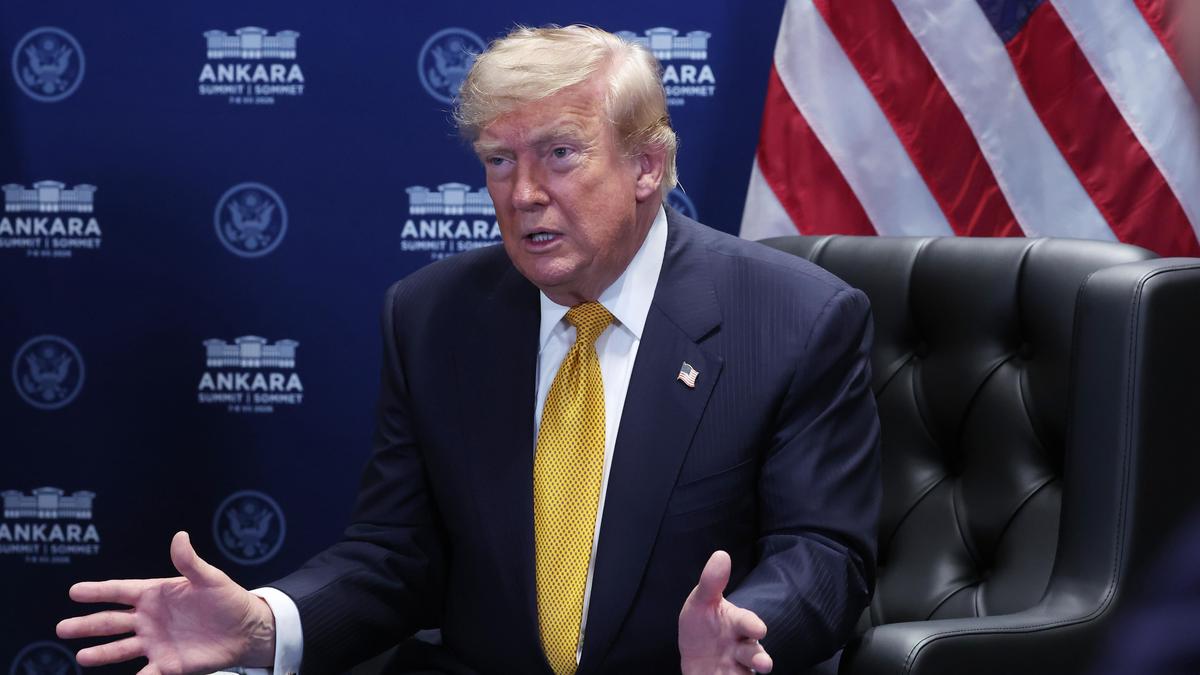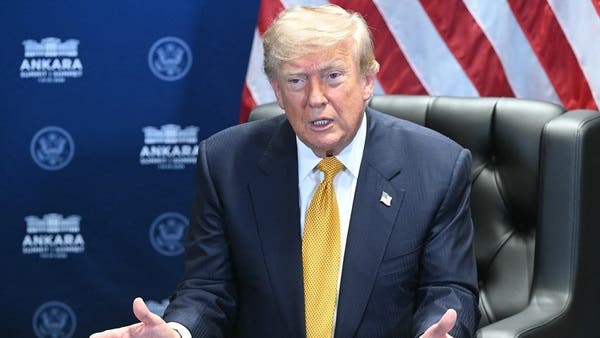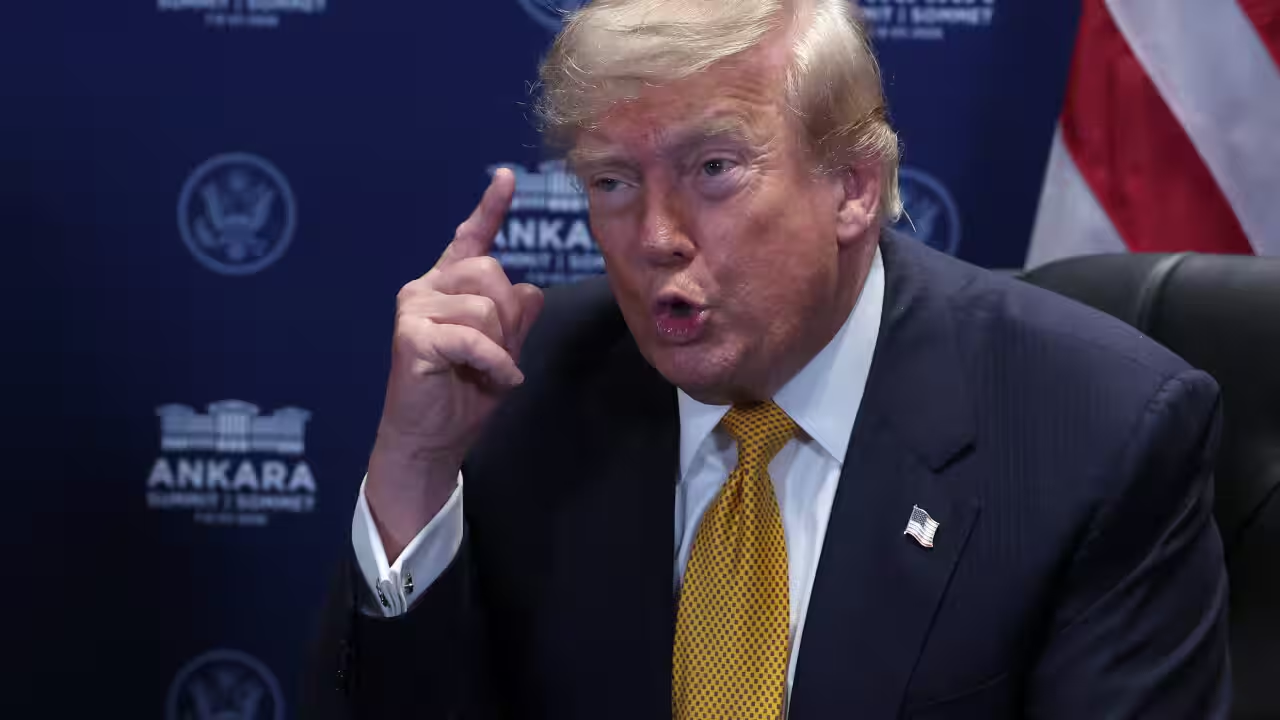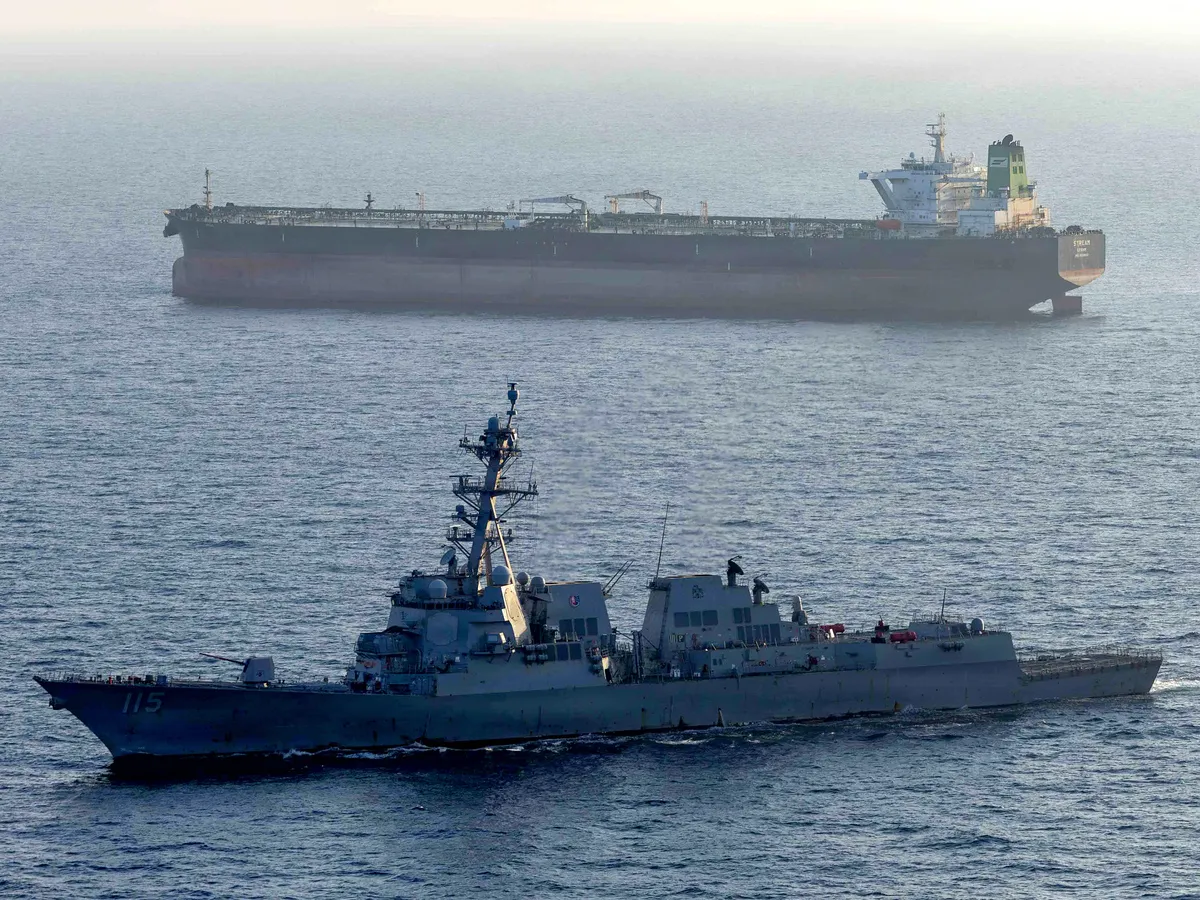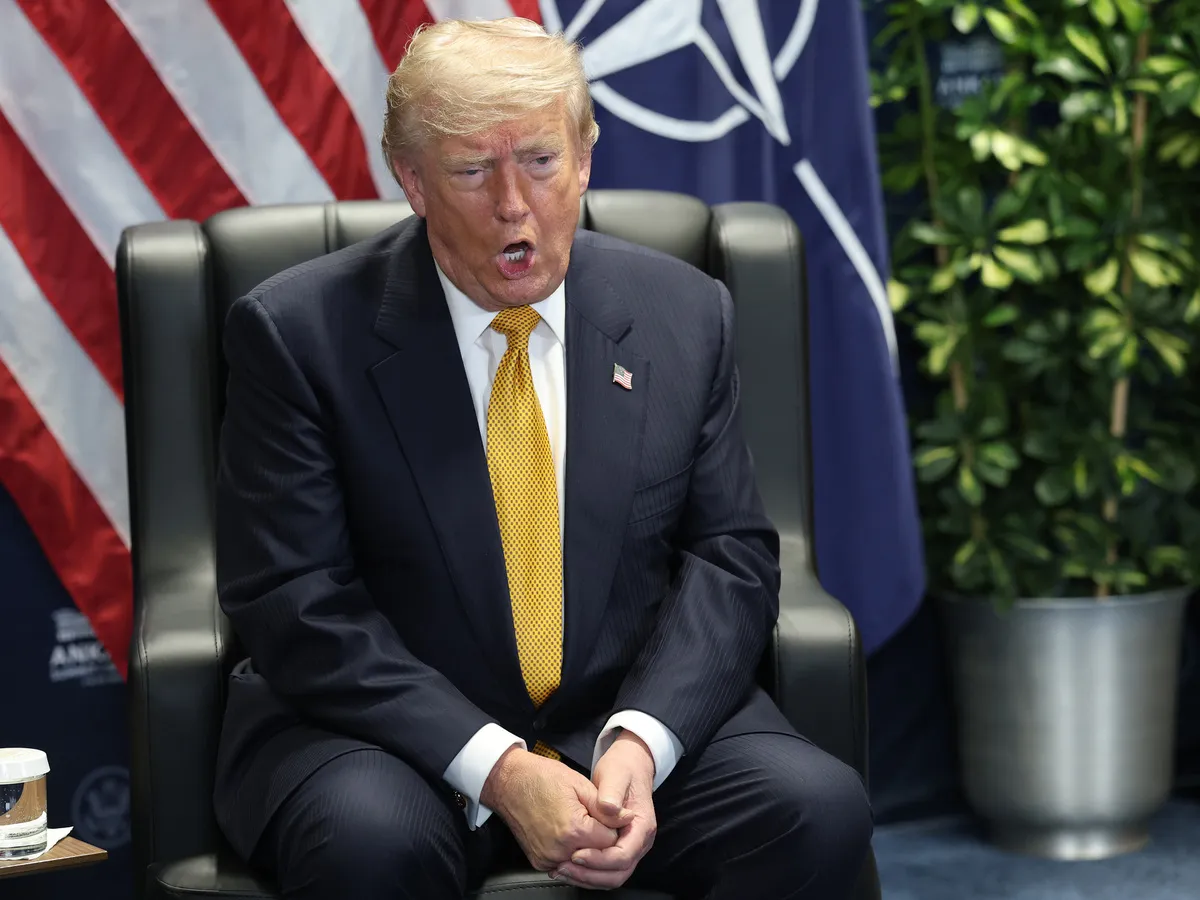
Skip to Content News Archives Economy Energy Oil & Gas Renewables Electric Vehicles Mining Commodities Agriculture Real Estate Mortgages Mortgage Rates Finance Banking Insurance Fintech Cryptocurrency Work Wealth Smart Money Wealth Management Investor Personal Finance Family Finance Retirement Taxes High Net Worth FP Comment Executive Women Puzzmo Newsletters Financial Times Business Essentials More Innovation Information Technology FP500 Podcasts Small Business Lives Told Tails Told Shopping Financial Post Store Obituaries Place a Notice Advertising Advertising With Us Advertising Solutions Postmedia Ad Manager Sponsorship Requests Classifieds Place a Classifieds ad Working Profile Settings My Subscriptions Saved Articles My Offers Newsletters Customer Service FAQ News Economy Energy Mining Real Estate Finance Work Wealth Investor FP Comment Executive Women Puzzmo Newsletters Financial Times Business Essentials HomeNewsTrump says U.S. ceasefire with Iran is 'over' after strikesTrump’s remarks came shortly after the U.S. launched a fresh wave of strikes against IranAuthor of the article:Last updated 18 minutes ago You can save this article by registering for free here. Or sign-in if you have an account.U.S. President Donald Trump meets with NATO Secretary General Mark Rutte (not shown) for bilateral talks at Bestepe Presidential Compound during the NATO Summit on July 08, 2026 in Ankara, Turkey. Photo by Win McNamee/Getty ImagesU.S. President Donald Trump said a tentative ceasefire with Iran has ended, raising the prospect of an end to peace negotiations and a potential renewal of fighting between the two countries.Subscribe now to read the latest news in your city and across Canada.Exclusive articles from Barbara Shecter, Joe O'Connor, Gabriel Friedman, and others.Daily content from Financial Times, the world's leading global business publication.Unlimited online access to read articles from Financial Post, National Post and 15 news sites across Canada with one account.National Post ePaper, an electronic replica of the print edition to view on any device, share and comment on.Daily puzzles, including the New York Times Crossword.Subscribe now to read the latest news in your city and across Canada.Exclusive articles from Barbara Shecter, Joe O'Connor, Gabriel Friedman and others.Daily content from Financial Times, the world's leading global business publication.Unlimited online access to read articles from Financial Post, National Post and 15 news sites across Canada with one account.National Post ePaper, an electronic replica of the print edition to view on any device, share and comment on.Daily puzzles, including the New York Times Crossword.Create an account or sign in to continue with your reading experience.Access articles from across Canada with one account.Share your thoughts and join the conversation in the comments.Enjoy additional articles per month.Get email updates from your favourite authors.Create an account or sign in to continue with your reading experience.Access articles from across Canada with one accountShare your thoughts and join the conversation in the commentsEnjoy additional articles per monthGet email updates from your favourite authorsSign In or Create an Accountor“For me, I think it’s over,” he said on Wednesday in Ankara, sitting next to NATO Secretary General Mark Rutte at the military alliance’s annual summit. “As far as I’m concerned it’s just a waste of time.”Trump’s remarks came shortly after the U.S. launched a fresh wave of strikes against Iran and revoked a waiver that allowed the sale of Iranian oil. The actions, taken in response to recent attacks on ships transiting the Strait of Hormuz, brought fresh volatility to energy markets and tested an already fragile peace agreement between Washington and Tehran.Breaking business news, incisive views, must-reads and market signals. Weekdays by 9 a.m.By signing up you consent to receive the above newsletter from Postmedia Network Inc.A welcome email is on its way. If you don't see it, please check your junk folder.The next issue of Posthaste will soon be in your inbox.We encountered an issue signing you up. Please try againIran’s Foreign Ministry said earlier that the U.S. attacks and the block on oil sales had rendered last month’s interim peace deal “ineffective,” heightening concerns the two sides could abandon their discussions to make the agreement permanent. Violations of Iran’s assertion of control over the Strait of Hormuz and continued Israeli attacks in Lebanon have added to Tehran’s concerns, the ministry said.Deputy Foreign Minister Kazem Gharibabadi vowed “decisive actions” in response.Still, Trump has shown little appetite to return to full-blown fighting in recent weeks, even as peace discussions show little sign of progress. In Ankara, he said he wouldn’t stop negotiators from continuing to engage, although he expressed pessimism about the tactic. “They can talk, but I think they’re wasting their time,” he said.Oil prices surged after the exchange of comments, with Brent crude trading more than six per cent higher at US$79 a barrel in London. That’s some way short of a peak above US$126 a barrel in late April, two months after the U.S. and Israel began the military campaign against Iran.Prices eased toward pre-conflict levels this month on growing signs of a recovery in supplies.“I don’t want to deal with them, but they’re scum,” a visibly frustrated Trump said at the NATO summit. “They’re sick people, they’re led by sick people, and they’re vicious, violent people, and if they had a nuclear weapon, they’d use it.”Three ships were attacked in recent days in Hormuz. Iran has said repeatedly it won’t allow vessels to transit the crucial energy waterway without its permission. The end of attacks on commercial shipping and the U.S. waiver on oil sales were central elements of a memorandum of understanding that halted fighting between the U.S. and Iran and set up a 60-day period for negotiations on a broader peace deal.Together, the developments marked the most serious threat to the interim peace agreement. The U.S. blamed Iran for the attacks on shipping, while Tehran said the military strikes and waiver revocation violated the agreement between the two countries.The U.S. carried out strikes on more than 80 sites in Iran overnight, hitting targets such as air defence systems, command and control networks and coastal radar sites.The Islamic Revolutionary Guard Corps said it struck military bases in Kuwait and Bahrain, according to a statement carried by Iran’s state television. Kuwaiti air defences responded to hostile missile and drone threats, the country’s army said.The speaker of Iran’s parliament, Mohammad Bagher Ghalibaf, issued a warning to the U.S. “The era of bullying and extortion is over,” he said in a post on X. “It leads nowhere. We don’t fold.”Major MOU Violations by the US:Violating Iranian adjustments in the StraitPersistent threats of further strikesReinstating oil sanctionsAttacks on southern IranContinued Zionist aggression on🇱🇧The era of bullying and extortion is over. It leads nowhere. We don’t fold.— محمدباقر قالیباف | MB Ghalibaf (@mb_ghalibaf) July 8, 2026A U.S. official said negotiators would continue to work toward a final deal between Washington and Tehran but even before the most recent escalation, the prospect for a broader agreement remained uncertain. There are a number of sticking points to resolve, including future service fees for ships passing through Hormuz, unfreezing Iranian assets and the Islamic Republic’s nuclear ambitions.Talks between the U.S. and Iran resumed last week after the two countries traded strikes. But the negotiations were suspended again as Iran conducts a weeklong mass funeral for the late Supreme Leader Ali Khamenei, who was assassinated on the first day of the conflict in late February.Qatar has said the next meeting will be scheduled at the earliest possible time following the funeral processions. Khamenei is set to be buried in his home city of Mashhad on July 9.Trump has said he prefers to reach a deal with Iran but has also threatened to renew strikes if that outcome does not materialize. The war — and subsequent high energy prices — has damaged the president’s political standing at a perilous moment for his party, which faces a tough path to retain control of Congress in November midterm elections.Another challenge facing the Iran-U.S. peace talks is Israel’s parallel war against Iran-backed militant group Hezbollah in Lebanon. Tehran has tied the end of hostilities in Lebanon to its own ceasefire with the U.S., while Israel has vowed to respond to attacks on its soil from the neighboring country.Israel’s military reported a gun battle in Lebanon on Tuesday, during which it killed a Hezbollah fighter. That was the latest in a steady stream of attacks between the sides since the peace deal was signed.With assistance from Galit Altstein and Carla Canivete Join the Conversation This website uses cookies to personalize your content (including ads), and allows us to analyze our traffic. Read more about cookies here. By continuing to use our site, you agree to our Terms of Use and Privacy Policy.
Trump says U.S. ceasefire with Iran is 'over' after strikes
U.S. President Donald Trump said a tentative ceasefire with Iran has ended, raising the prospect of an end to peace negotiations. Read on.
1,419 words~6 min read