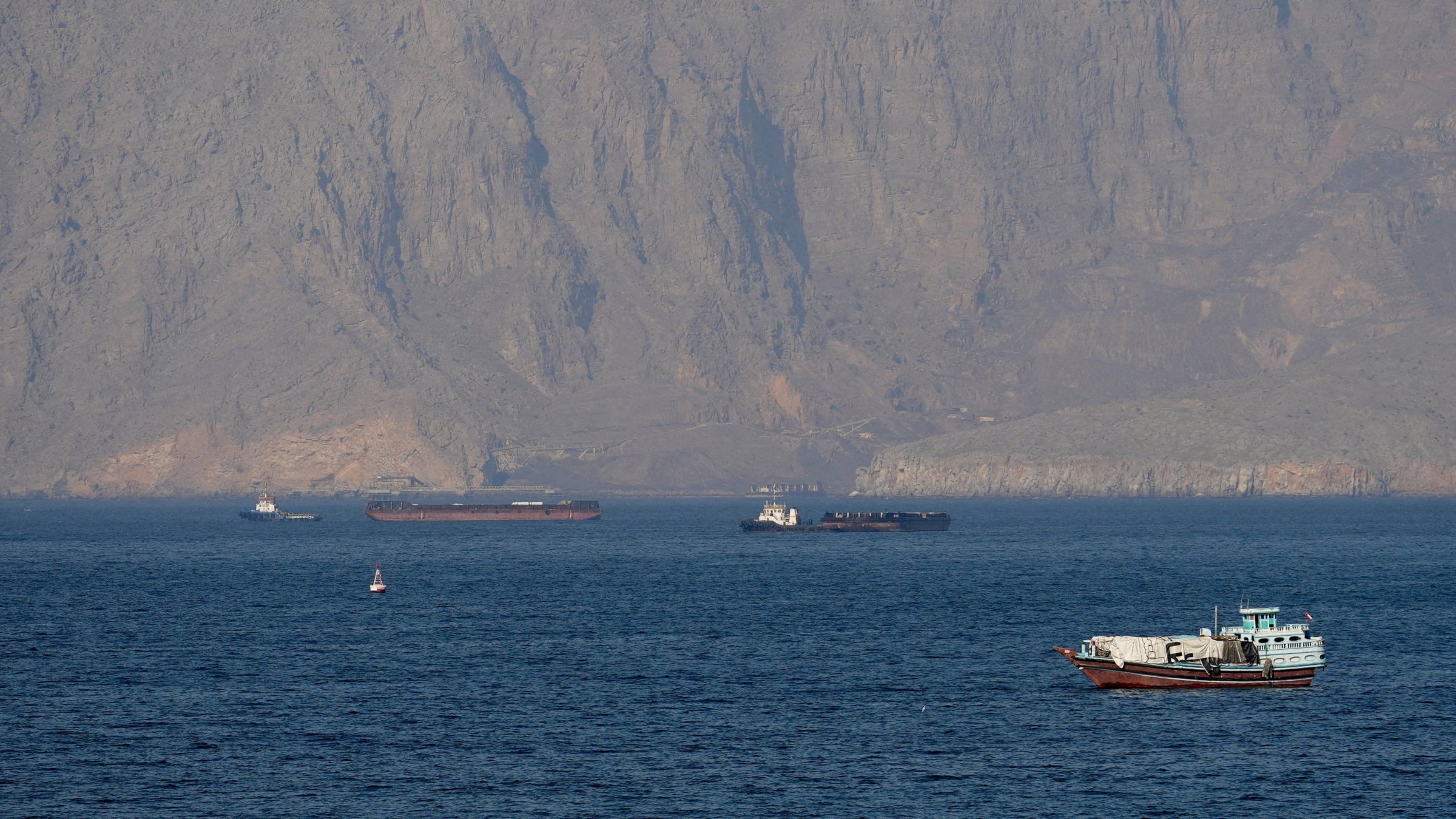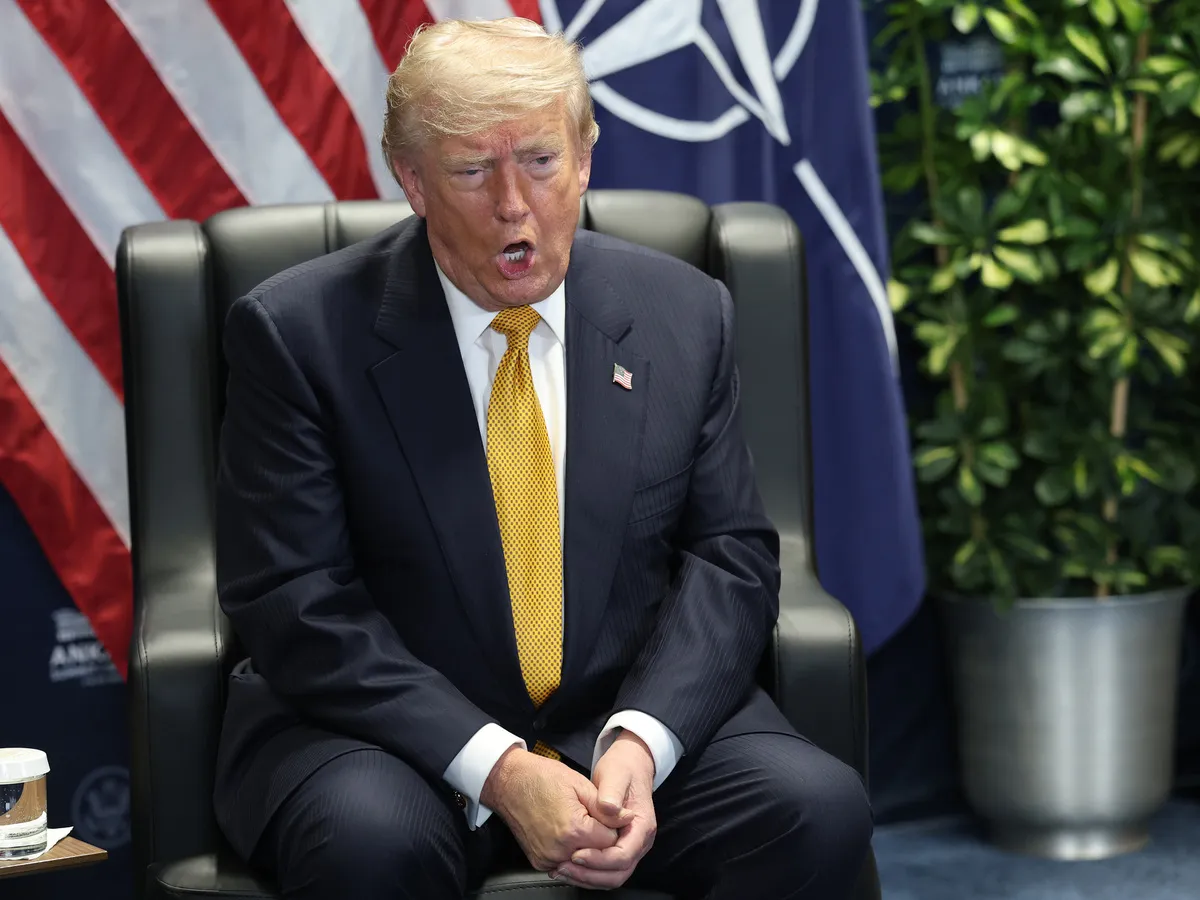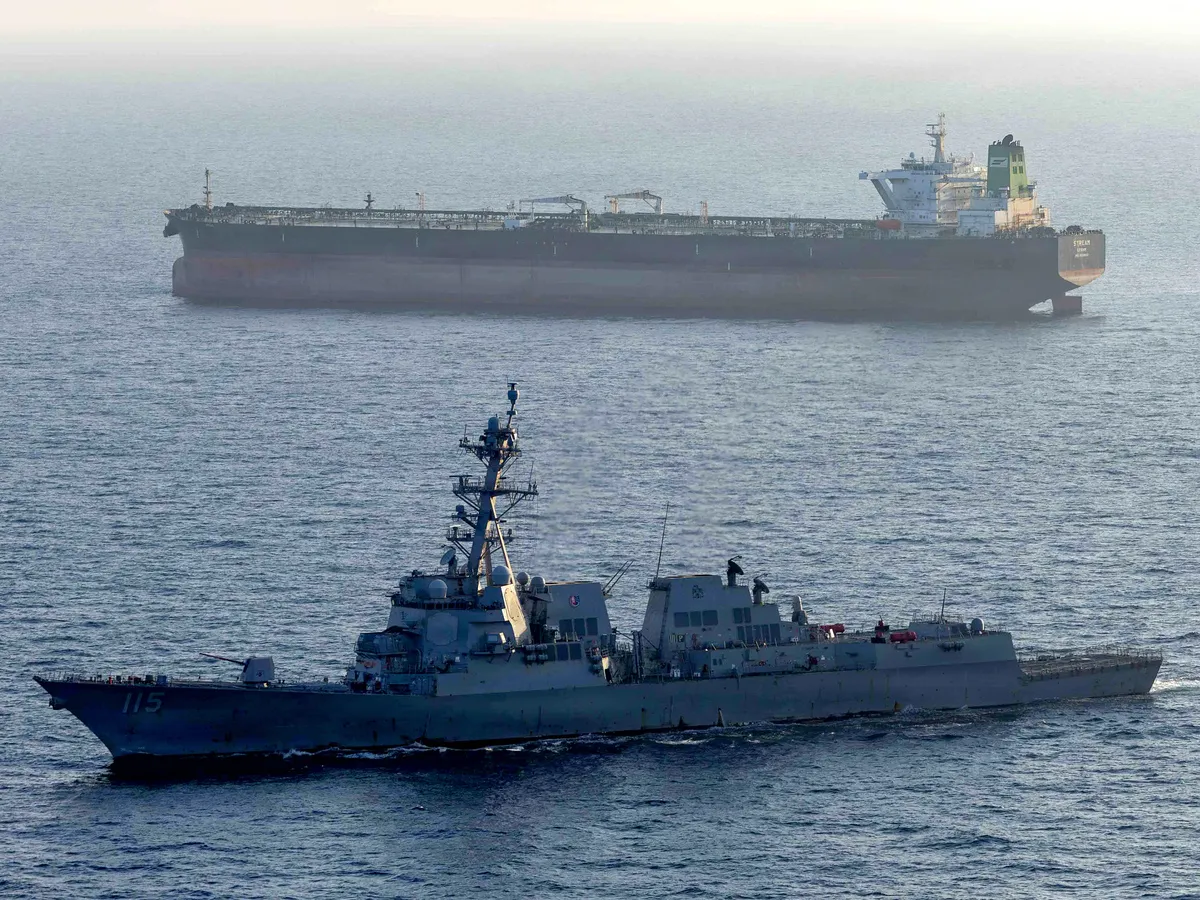
Skip to Content News Archives Economy Energy Oil & Gas Renewables Electric Vehicles Mining Commodities Agriculture Real Estate Mortgages Mortgage Rates Finance Banking Insurance Fintech Cryptocurrency Work Wealth Smart Money Wealth Management Investor Personal Finance Family Finance Retirement Taxes High Net Worth FP Comment Executive Women Puzzmo Newsletters Financial Times Business Essentials More Innovation Information Technology FP500 Podcasts Small Business Lives Told Tails Told Shopping Financial Post Store Obituaries Place a Notice Advertising Advertising With Us Advertising Solutions Postmedia Ad Manager Sponsorship Requests Classifieds Place a Classifieds ad Working Profile Settings My Subscriptions Saved Articles My Offers Newsletters Customer Service FAQ News Economy Energy Mining Real Estate Finance Work Wealth Investor FP Comment Executive Women Puzzmo Newsletters Financial Times Business Essentials HomeOil & GasNewsOil surges after Trump says U.S. ceasefire with Iran is overEven during the ceasefire, there were significant tensions around the critical energy chokepointAuthor of the article:Last updated Jul 08, 2026 You can save this article by registering for free here. Or sign-in if you have an account.Before the strikes, the U.S. Treasury revoked a sanctions waiver that had allowed Tehran to sell oil, reversing course on a key part of the interim peace deal. Photo by AFP PHOTO/US NAVY/NAVCENT PUBLIC AFFAIRS/PostmediaOil jumped after United States President Donald Trump said a tentative ceasefire with Iran was over, raising the prospect of a fresh round of conflict in one of the world’s most important energy-producing regions.Subscribe now to read the latest news in your city and across Canada.Exclusive articles from Barbara Shecter, Joe O'Connor, Gabriel Friedman, and others.Daily content from Financial Times, the world's leading global business publication.Unlimited online access to read articles from Financial Post, National Post and 15 news sites across Canada with one account.National Post ePaper, an electronic replica of the print edition to view on any device, share and comment on.Daily puzzles, including the New York Times Crossword.Subscribe now to read the latest news in your city and across Canada.Exclusive articles from Barbara Shecter, Joe O'Connor, Gabriel Friedman and others.Daily content from Financial Times, the world's leading global business publication.Unlimited online access to read articles from Financial Post, National Post and 15 news sites across Canada with one account.National Post ePaper, an electronic replica of the print edition to view on any device, share and comment on.Daily puzzles, including the New York Times Crossword.Create an account or sign in to continue with your reading experience.Access articles from across Canada with one account.Share your thoughts and join the conversation in the comments.Enjoy additional articles per month.Get email updates from your favourite authors.Create an account or sign in to continue with your reading experience.Access articles from across Canada with one accountShare your thoughts and join the conversation in the commentsEnjoy additional articles per monthGet email updates from your favourite authorsSign In or Create an AccountorBrent crude futures spiked almost seven per cent on the comments, before paring some of the gains. West Texas Intermediate also leaped.The president made the remarks during a NATO summit in Ankara, adding he didn’t want to deal with Iran anymore. He later added that the U.S. will “probably” strike Iran again tonight.Overnight, U.S. forces completed strikes on more than 80 targets after Iran launched a series of attacks on merchant ships a day earlier. Those three incidents — targeting a Qatari liquefied natural gas carrier and two large oil tankers — marked the biggest day of attacks since an interim peace deal came into effect in June.Breaking business news, incisive views, must-reads and market signals. Weekdays by 9 a.m.By signing up you consent to receive the above newsletter from Postmedia Network Inc.A welcome email is on its way. If you don't see it, please check your junk folder.The next issue of Posthaste will soon be in your inbox.We encountered an issue signing you up. Please try againOil’s rebound threatens a fresh wave of disruption for still-tense global energy markets, after futures had plunged in the second quarter as hostilities cooled. The renewed turmoil in the region stands to complicate the decisions facing shipowners and regional producers over navigating the Strait of Hormuz, which links top OPEC producers in the Persian Gulf to global markets.Even during the ceasefire, there were significant tensions around the critical energy chokepoint. Iran has insisted that it controls the waterway and that transits without its permission aren’t valid. Tehran told the UN’s shipping watchdog on Tuesday that it has the right to control parts of the strait.“Renewed tensions in the Middle East and concerns that the vessels attacks could drag lower oil exports from the Middle East are supporting prices,” said Giovanni Staunovo, a commodity analyst at UBS Group AG.Before the strikes, the U.S. Treasury revoked a sanctions waiver that had allowed Tehran to sell oil, reversing course on a key part of the interim peace deal with the Islamic Republic. The agreement to lift sanctions on Iran saw millions of barrels of the country’s crude flood out of the Persian Gulf in recent weeks. Much of that supply is now in limbo.The spike in futures comes against the backdrop of a market that had been wagering on lower prices. Speculators have been holding a large short position in Brent futures, and have shed net-bullish wagers at the fastest pace since the pandemic in 2020 in recent weeks as Hormuz reopened.On Tuesday morning, a handful of oil carriers still appeared to be transiting Hormuz, though other ships turned around midway through crossing. Western naval forces in the region warned on Tuesday that there could be lower levels of traffic in the coming days. They increased the threat level to merchant shipping in the region from substantial to severe.—With assistance from Kanoko Matsuyama. Join the Conversation This website uses cookies to personalize your content (including ads), and allows us to analyze our traffic. Read more about cookies here. By continuing to use our site, you agree to our Terms of Use and Privacy Policy.
Oil surges after Trump says U.S. ceasefire with Iran is over
Oil jumped after Donald Trump said a tentative ceasefire with Iran was over, raising the prospect of a fresh round of conflict. Read on
985 words~4 min read