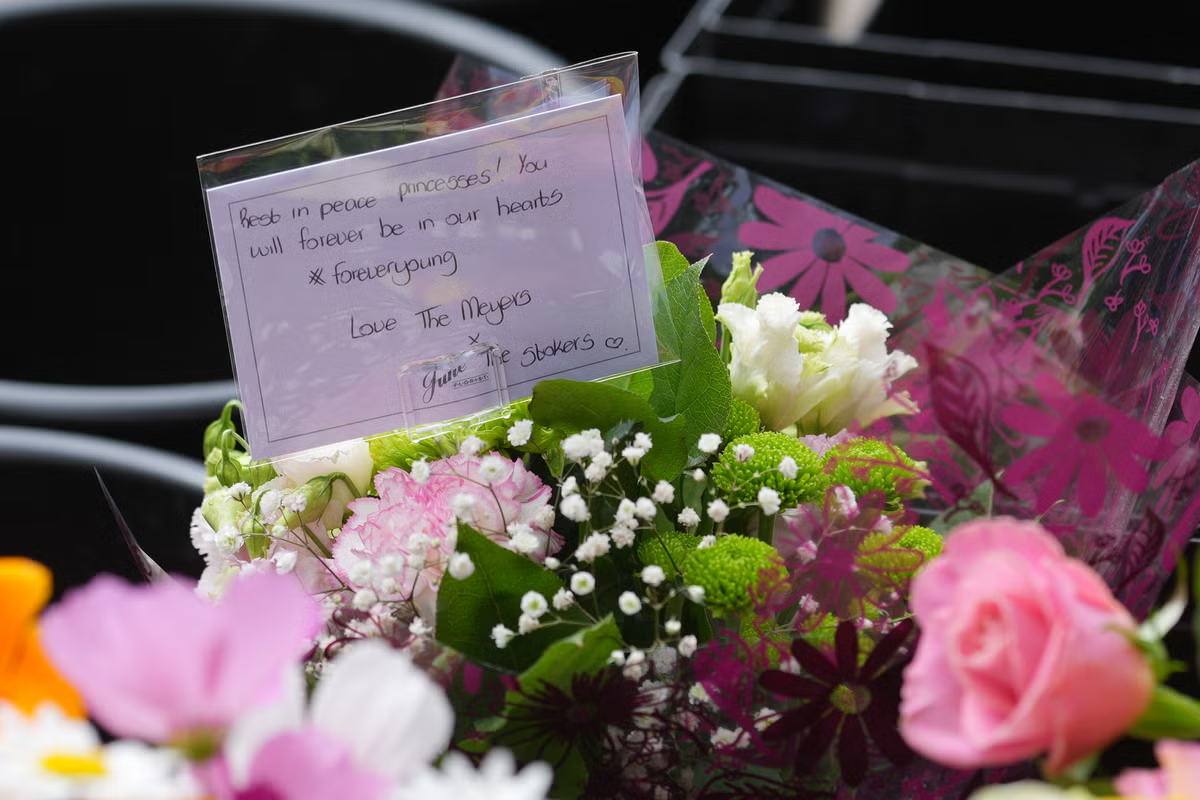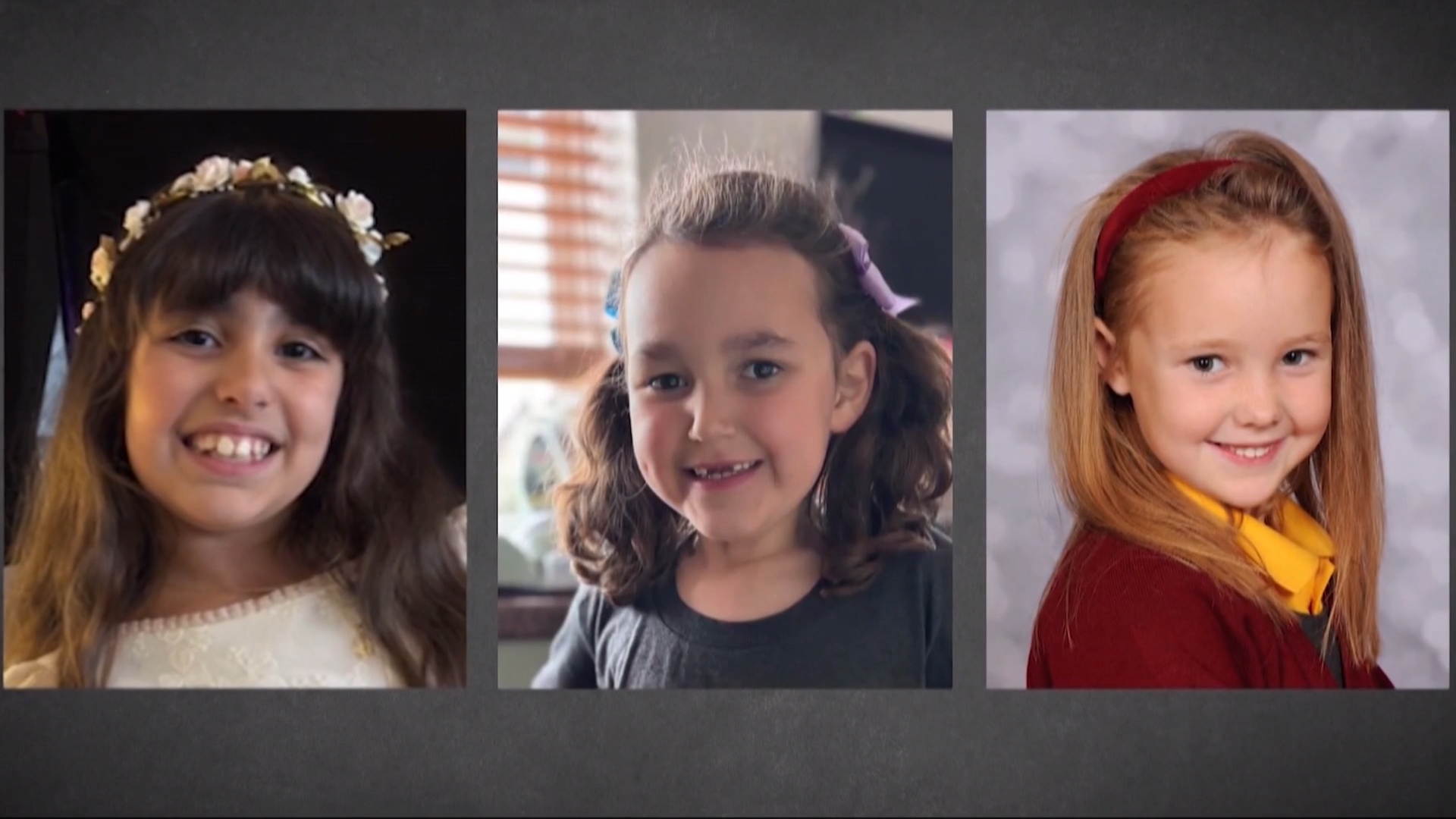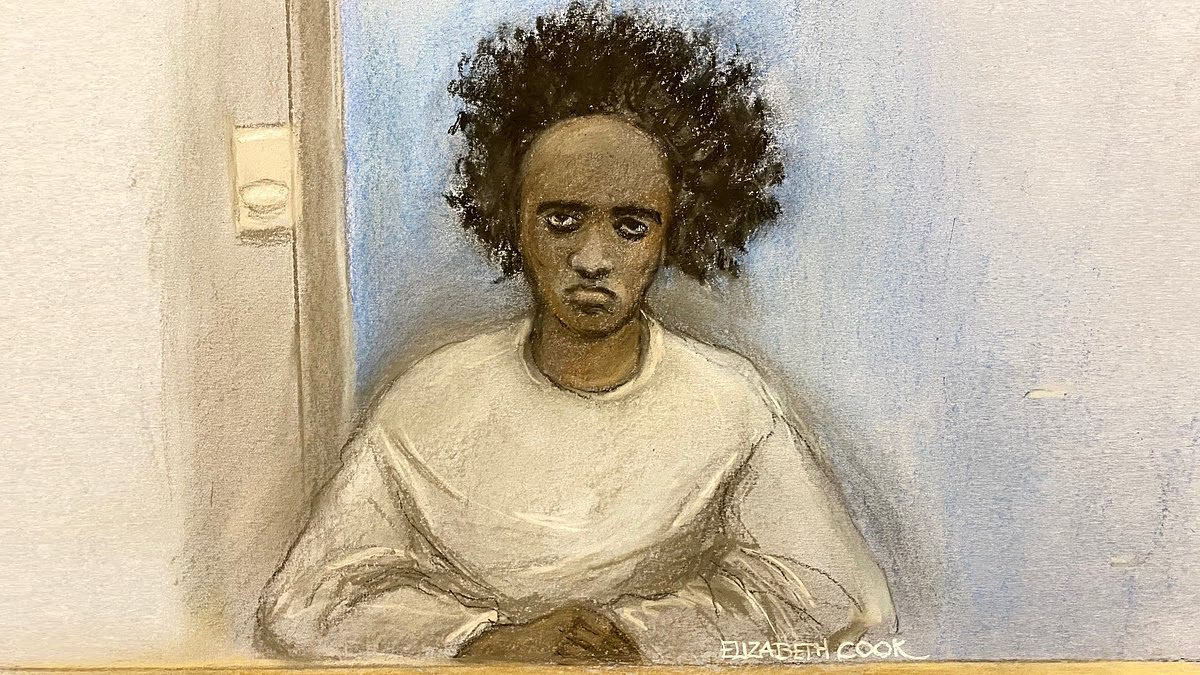
Sir Adrian Fulford formally opened the hearing by standing for a minute’s silence in memory of the three girls, Alice da Silva Aguiar, Bebe King and Elsie Dot Stancombe, killed during the attack12:22, 08 Jul 2026The second phase of the Southport Inquiry has opened examining the role of the internet and social media in influencing “violence fixated individuals”.The effectiveness of current laws and the regulation of the sale of knives will also come under scrutiny. Sir Adrian Fulford formally opened the hearing by standing for a minute’s silence in memory of the three girls killed and those “physically and psychologically” injured during the attack in July, 2024.Alice da Silva Aguiar, nine, Bebe King, six, and Elsie Dot Stancombe, seven, were killed in a horrific knife attack at a Taylor Swift-themed dance class. After Phase One, Inquiry Chairman Sir Adrian found “catastrophic” failures by various agencies and said the attacks could have been prevented.Axel Rudakubana, 18, was jailed for life, with a minimum term of 52 years, for the murders and attempted murders. Sir Adrian said he was “exceptionally pleased” with the government’s response to the findings of phase one of the inquiry.Last week, Home Secretary Shabana Mahmood gave the government’s response, accepting the report’s recommendations and promising to do “whatever is needed to protect the public”. Sir Adrian told the inquiry: “In a sentence, we must now, with the greatest care but also with speed, do all we can to prevent a repetition of events of Southport two years ago which were tragically avoidable.”He said there remains a considerable pressure on agencies, but the reaction from agencies and individuals following the conclusion of phase one had given him hope. He said: "More than anything else, young people must be diverted from the thoughts and impulses which motivated AR in July 2024."We are confronted with a growing challenge from violence-fixated individuals, who all too often are not acting out of an adherence to a particular ideology. Instead, the reasons for their interest in violence are various and, as a consequence, they can be extremely difficult to identify. All too often, they will be acting entirely alone, having spent endless hours in solitude, relentlessly, online."Sir Adrian also said the inquiry would look at the “adverse influence on the online world which is a particular concern of mine”. He said the issues they were looking at “can’t be solved by easy quick fix remedy” but they will aim to give “a range of practical and enforceable solutions by spring next year”.The core objective was to bring in real change as the “victims of ARs grotesque actions deserve nothing less”. The hearing, at the International Dispute Resolution Centre in London, was told: "The victims and their families will be at the very centre of our work."Phase two will have four key strands. The first is the adequacy of arrangements in England and Wales for managing the risk of VFIs.Secondly the role of the internet and social media in influencing and enabling VFIs to prepare and carry out violent attacks. It will also look at the effectiveness of current laws and systems for identifying, monitoring and disrupting the activities of VFIs online.And also the effectiveness of policies, regulation and criminal enforcement in relation to the sale and possession of offensive weapons and articles with a point or blade. After phase one Sir Adrian concluded Rudakubana had “clearly revealed” he was an extreme danger and his attack “could and should have been prevented”.Article continues belowHe also said if his parents had “done what they morally ought to have done”, or if appropriate arrangements had been put in place by agencies to address his risk, then he could have been stopped.
Young people 'must be diverted from impulses that motivated Southport attack'
Sir Adrian Fulford formally opened the hearing by standing for a minute’s silence in memory of the three girls, Alice da Silva Aguiar, Bebe King and Elsie Dot Stancombe, killed during the attack
614 words~3 min read