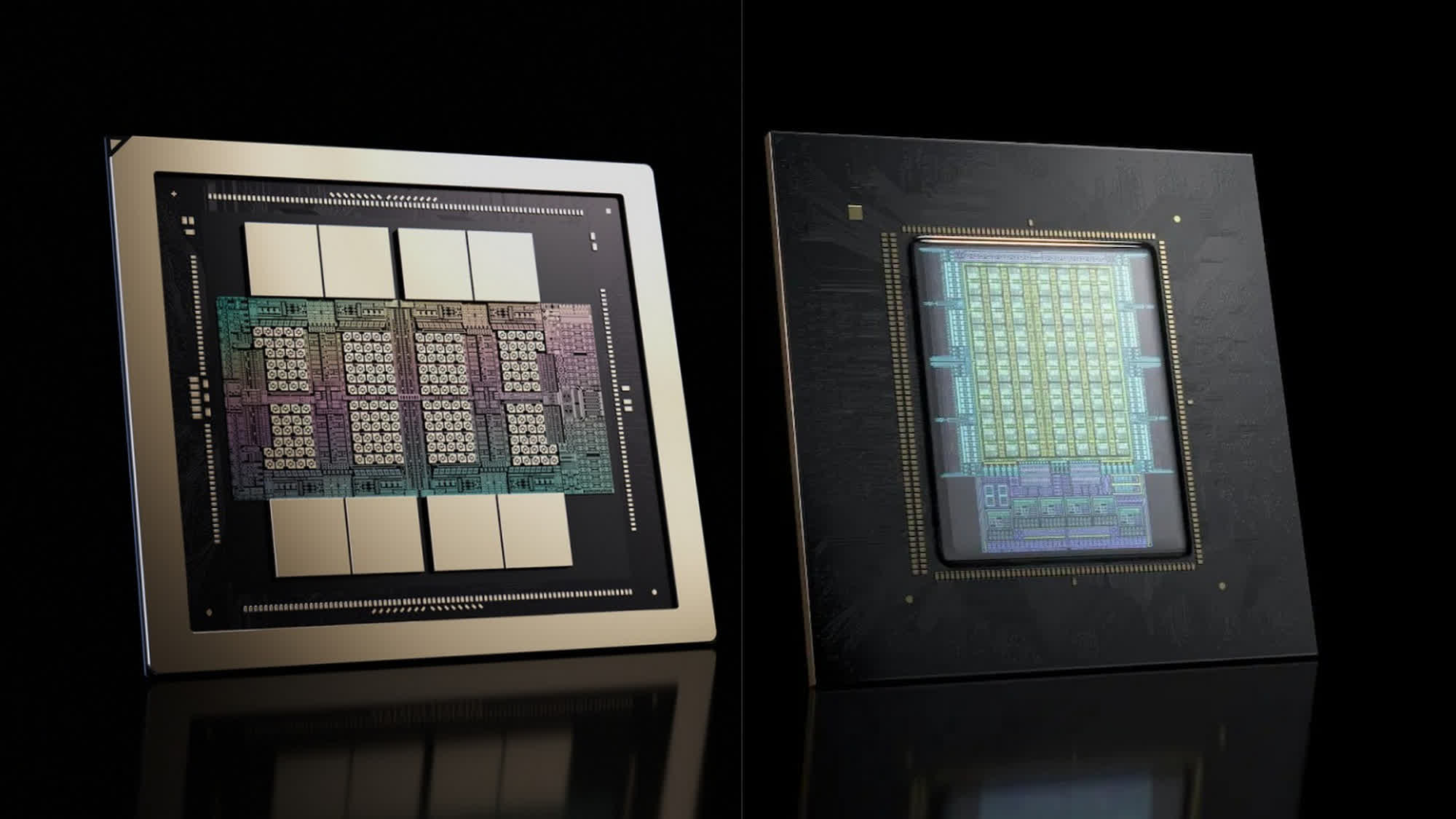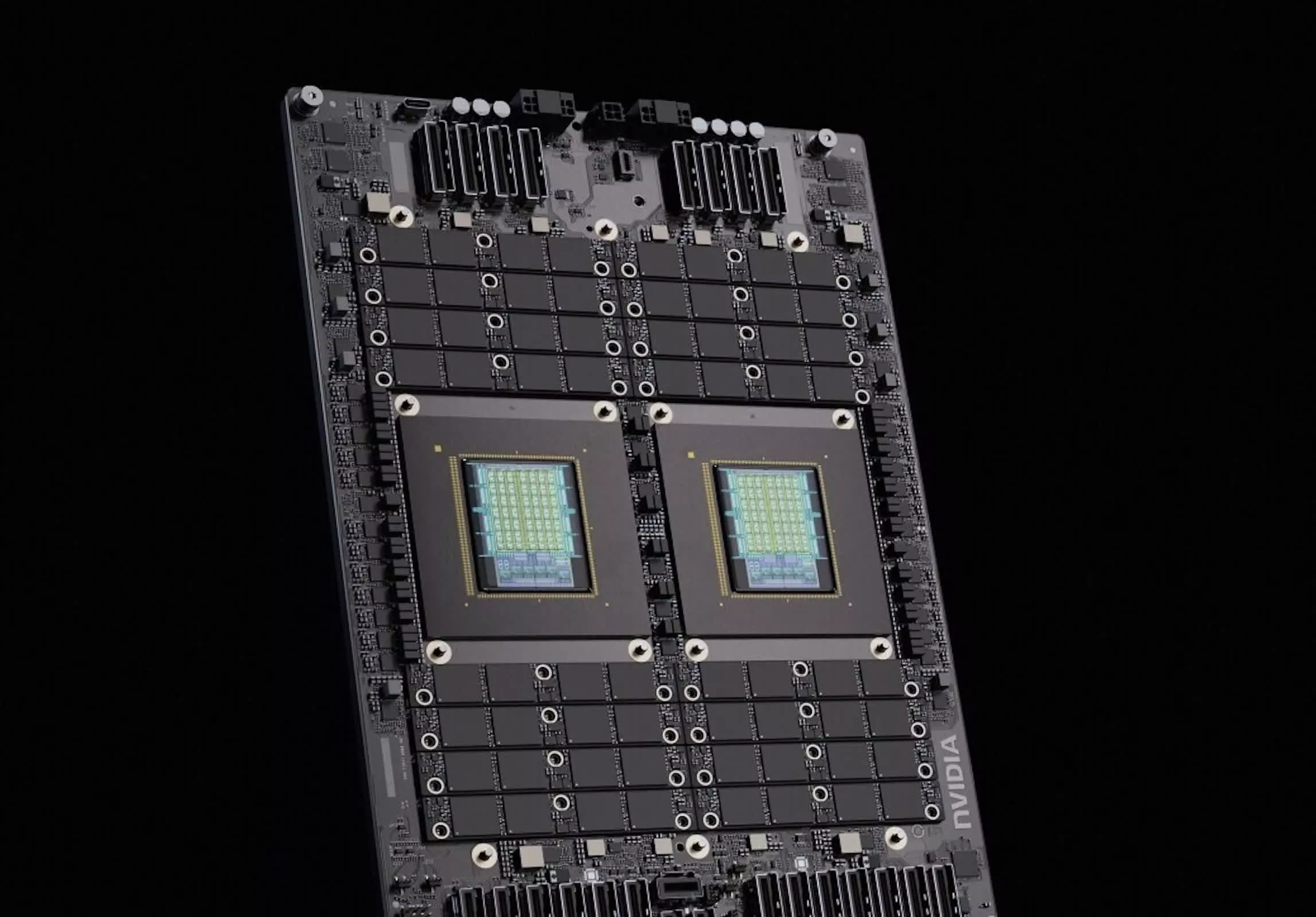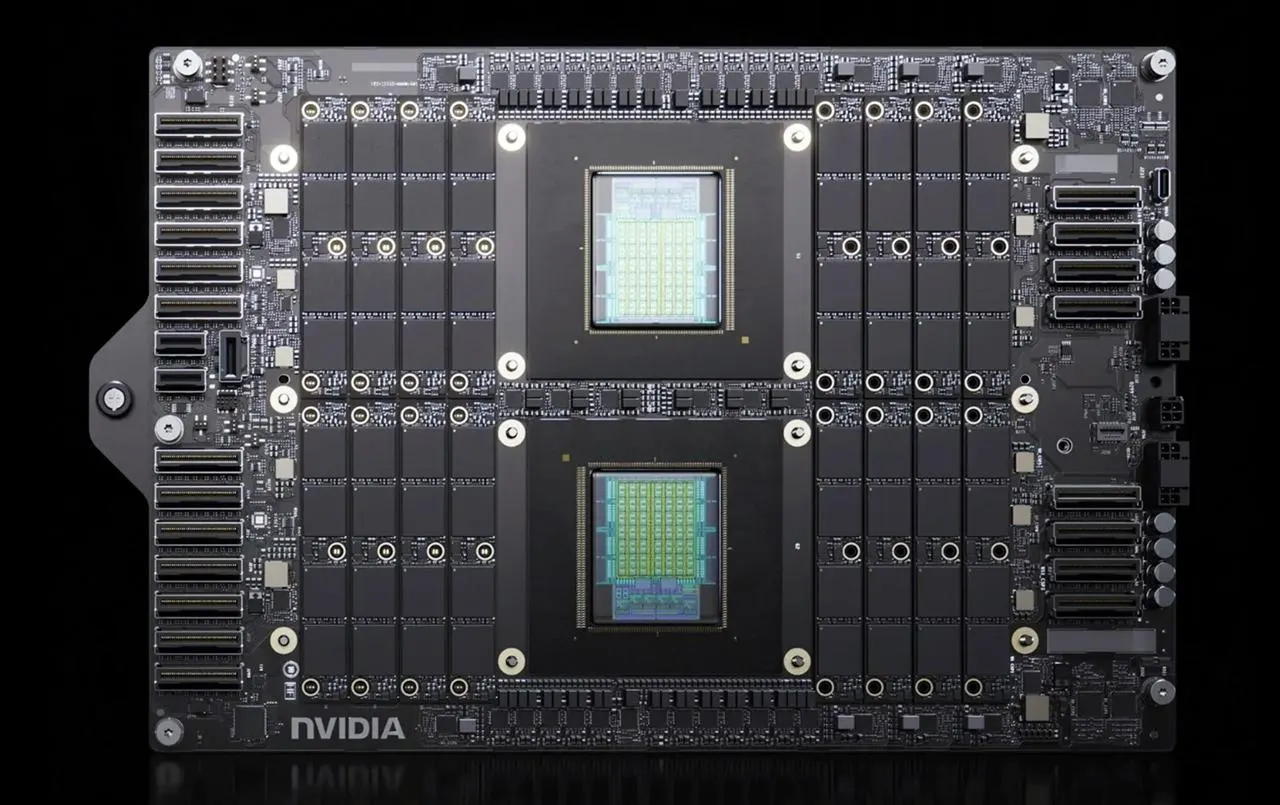
(Image credit: Nvidia)
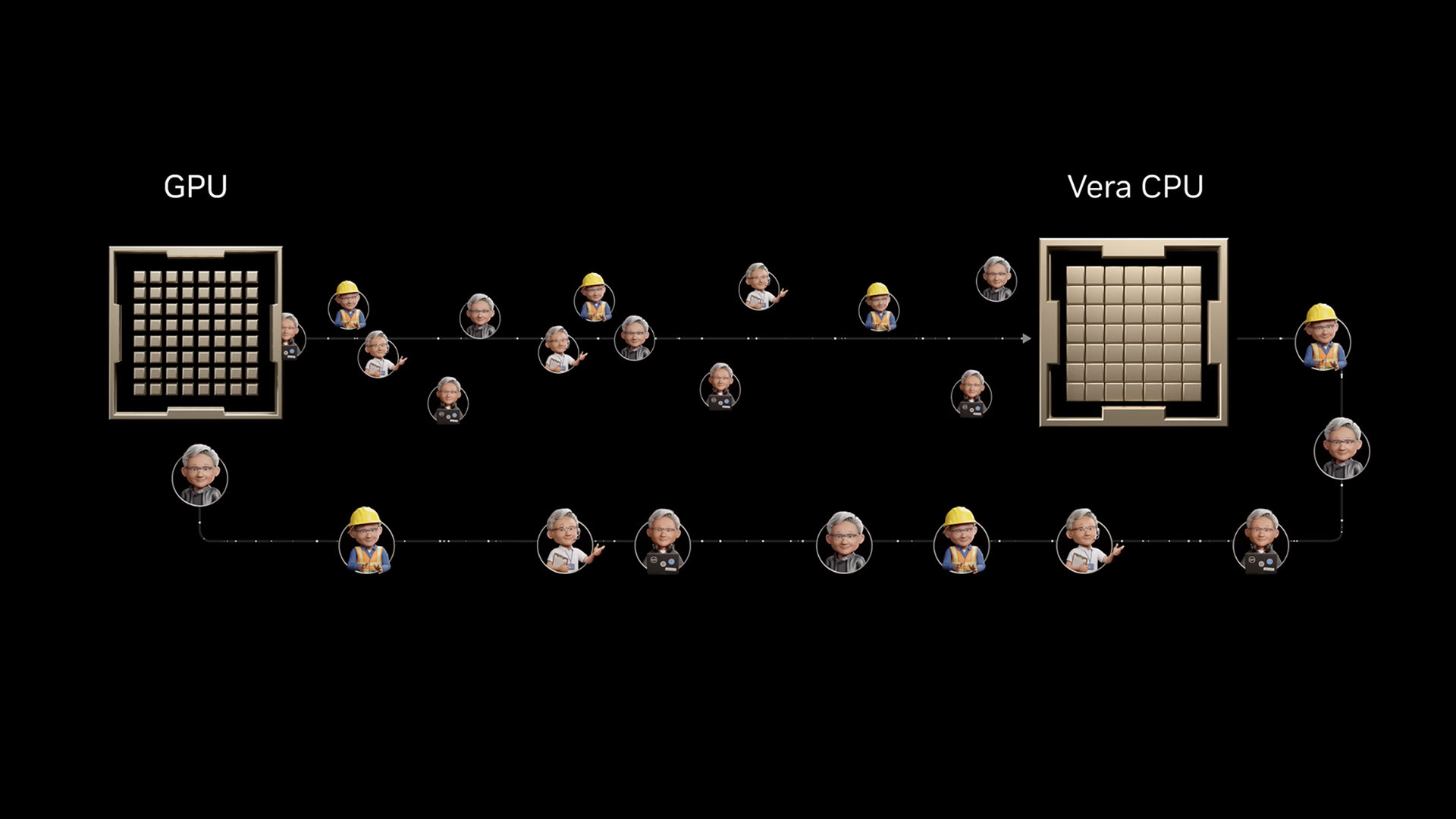
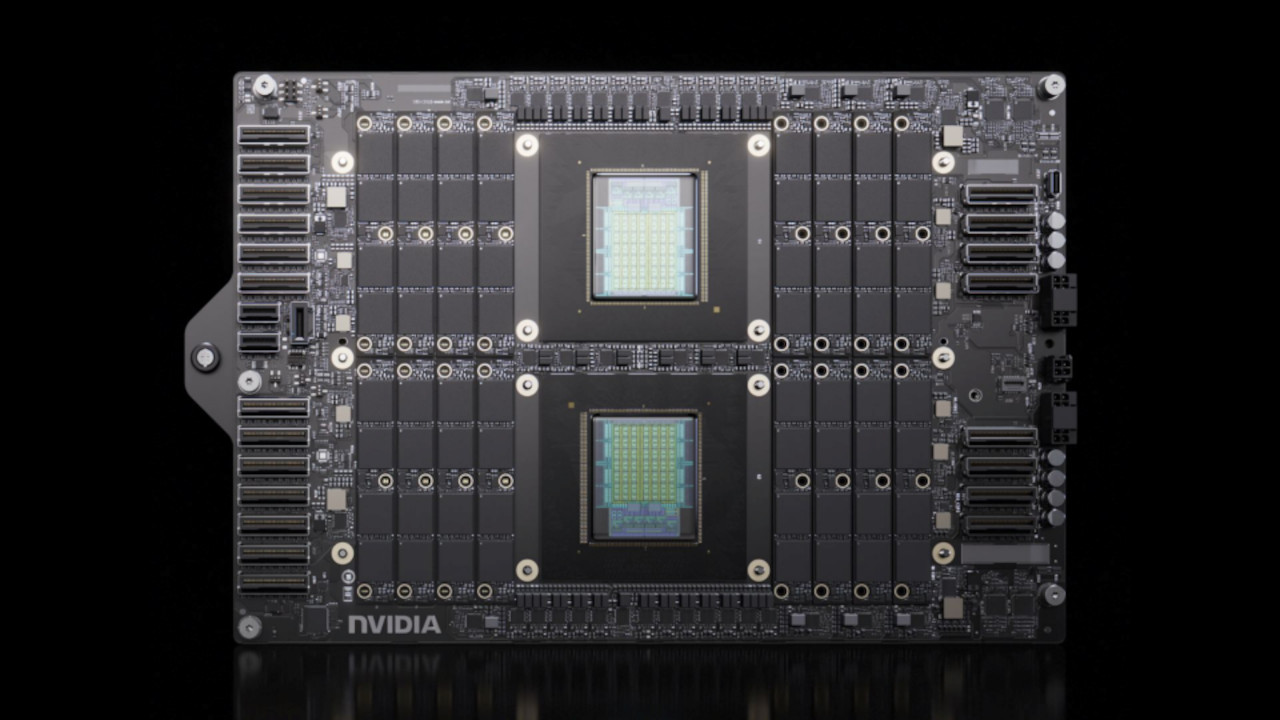
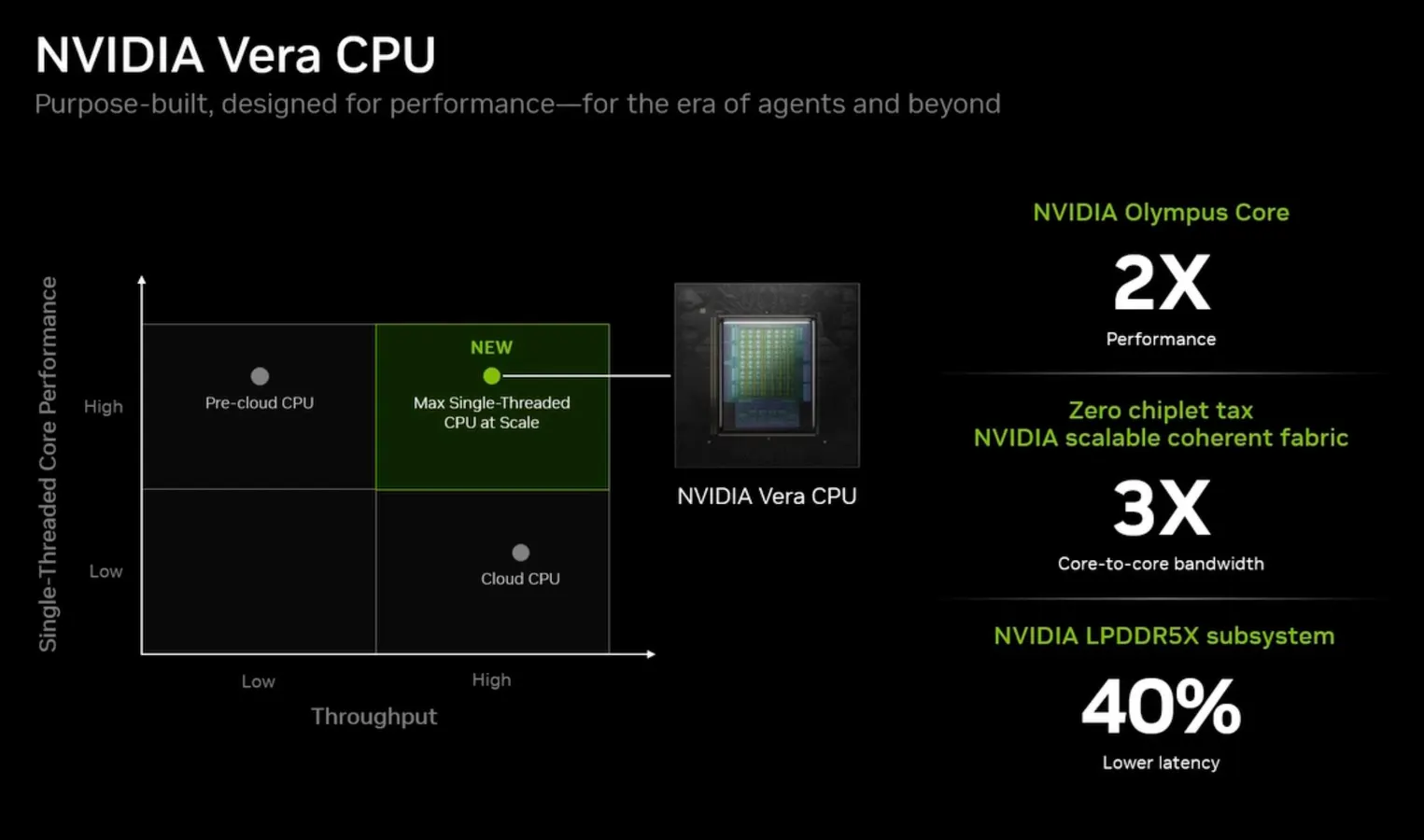
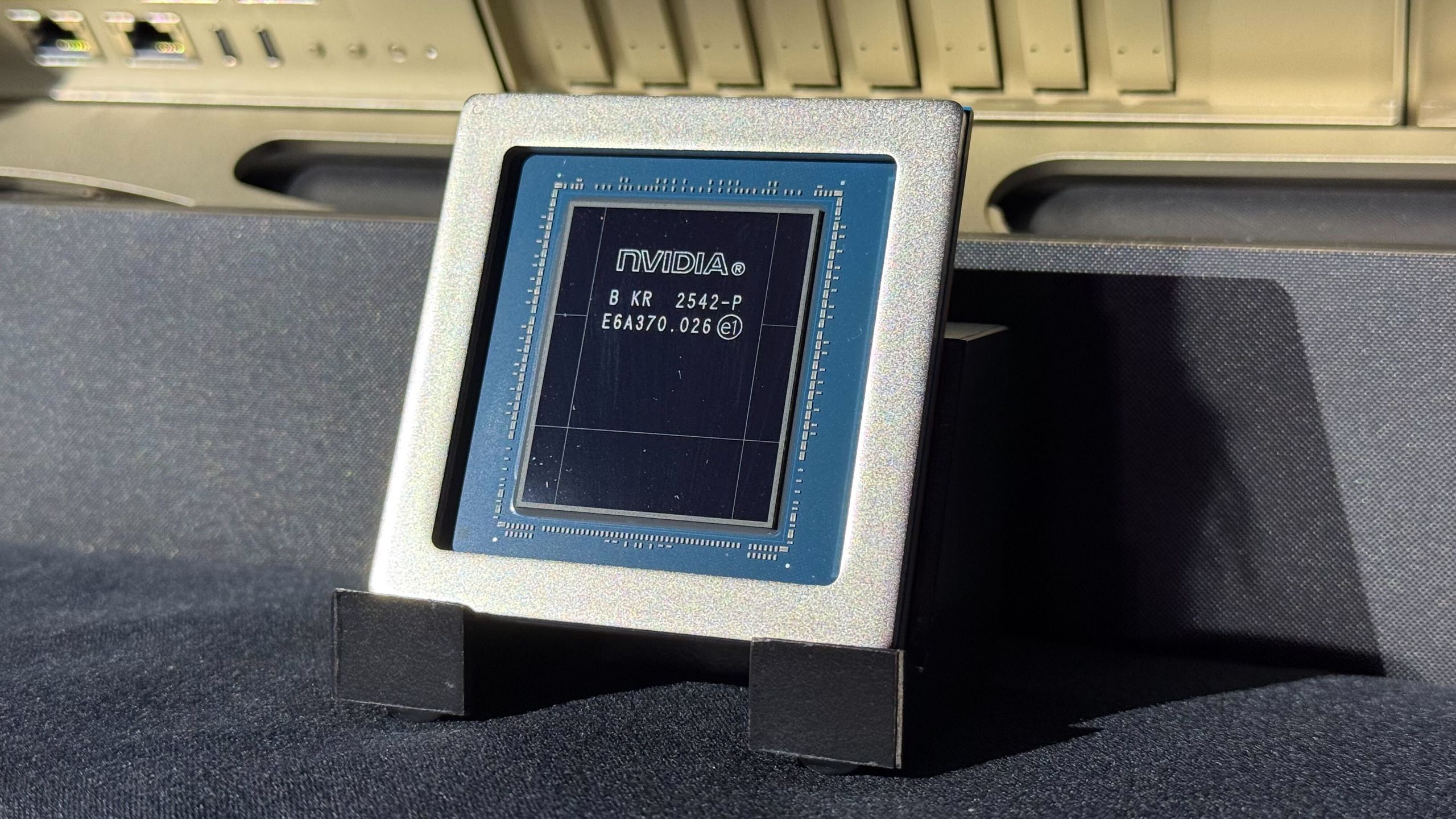
Only a little while back, Phoronix got the chance to test-drive one of Nvidia's upcoming Arm-based Vera CPUs. In certain approved workloads, the chip put up an impressive showing, nipping at the heels of its Xeon and Epyc x86 competitors. In specific single-threaded scenarios, Vera "absolutely dusted the competition" (our words). But AMD had some things to say about the Phoronix test, firing back with its own metrics of a 3.3x performance gain over Vera for the projected output of a 100 kW rack of its hardware.And Nvidia is already thinking about this future. It revealed that its next-gen Rigel Arm v9.2 CPU core, shipping as part of its Rosa CPU, will deliver even higher per-core performance than Vera's Olympus core within the same silicon footprint via "better instruction delivery," more L2 cache, and better memory handling.Now, Nvidia is reasserting Vera's advantage for AI work by describing it with a new product category: a "max single-threaded CPU at scale" rather than a parallel-processing beast. Instead of simply maximizing the core count per socket, Nvidia says Vera's monolithic 88-core design is meant to provide strong performance per core under load, enough memory bandwidth per core to keep active cores supplied with data, and predictable latency.Nvidia describes AI inference workloads as being bound by single-thread speed. For example, a reasoning AI will run the model for one step, and will run the model again as many times as it takes until the answer is generated. Since each step needs the output from the previous one, no amount of parallelism will help — the speed at which one thread can run is most important. The situation is similar in agentic workloads, as agent B can't get its work started without knowing what happened with agent A.