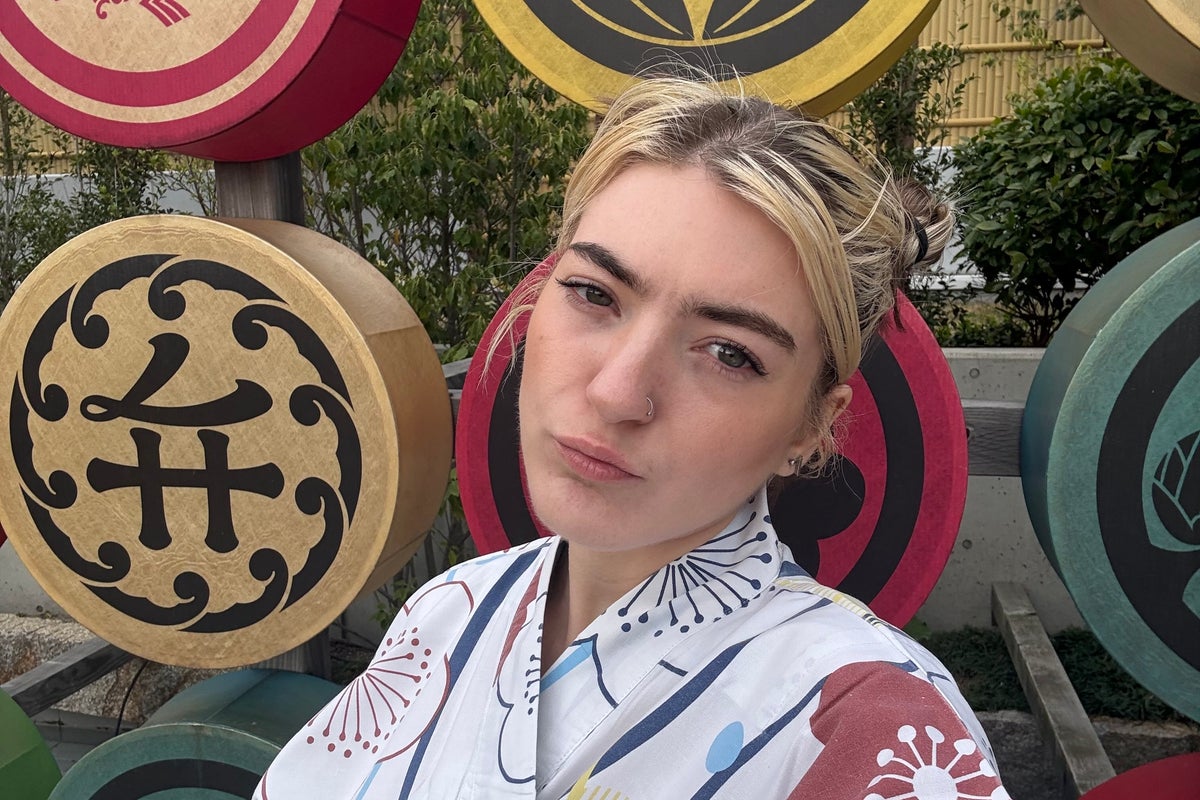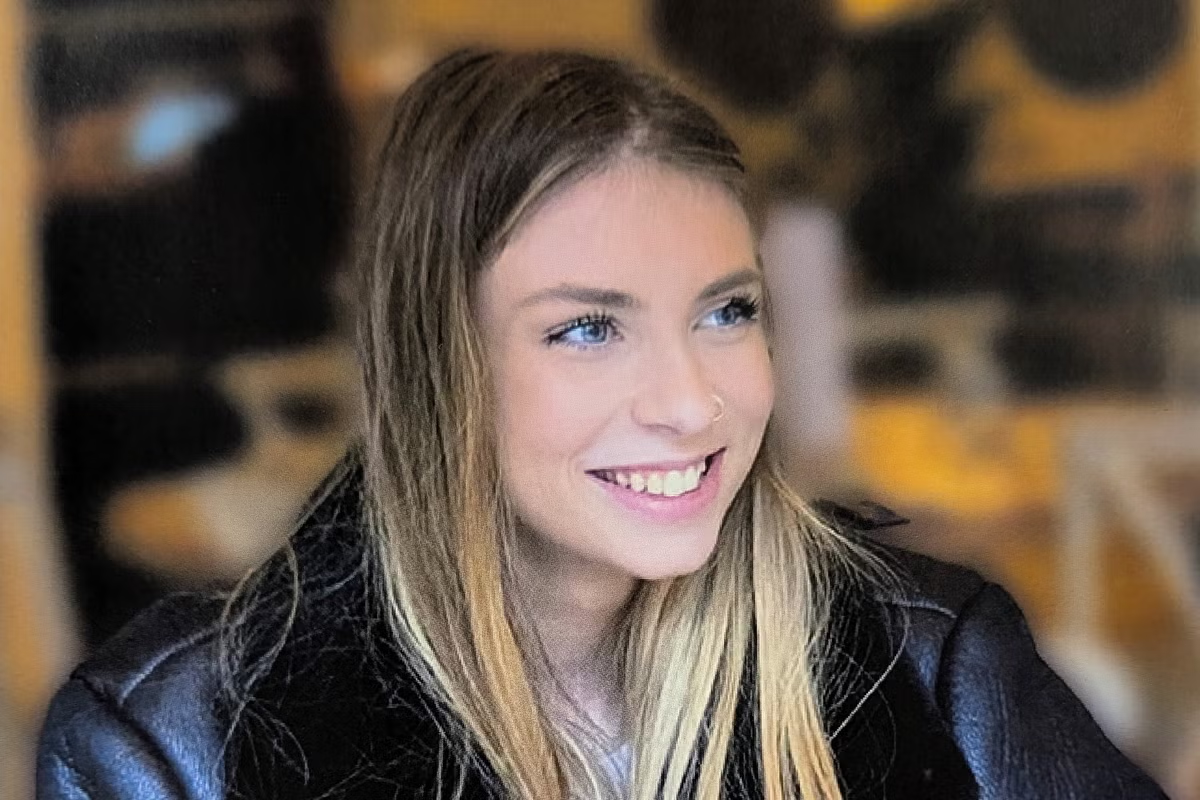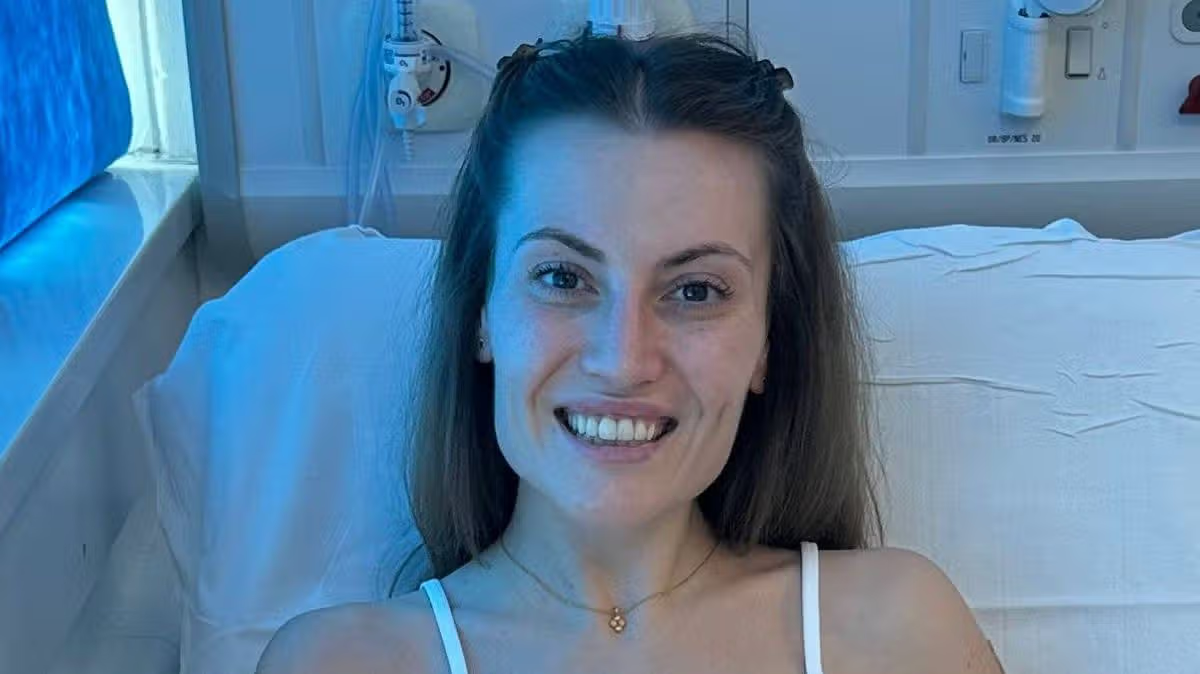
Liv turned to a habit that caused irreversible damage to her body over two years11:32, 08 Jul 2026Updated 11:36, 08 Jul 2026After self-medicating for pain following a horse show jumping injury, Liv McCaul went through a two and a half year ketamine addiction. At its worst, she was taking 15g of ketamine daily, causing harm to her body that cannot be reversed.While in rehab, she started passing blood clots the size of her finger and experienced excruciating bladder pain, incontinence and persistent UTI symptoms. Following a year of various treatments, including nerve therapy, Botox injections and bladder stretching, scans revealed the damage was permanent.The 25-year-old recently underwent what is thought to be the UK's first eight-hour robotic procedure last month to remove her bladder and construct an Indiana pouch using part of her bowel. The internal reservoir is drained by inserting a catheter through a small opening inside her belly button, reports Essex Live.Just weeks into her recovery, Liv said being liberated from relentless bladder pain felt like her life had already been saved. Liv, a business owner from North Benfleet in Essex, said: "I genuinely think I'm one of the first, if not the first, to have this done in the UK."They took out my original bladder, and it was described to me as if somebody had set fire to it and put it back in my body. It was so severely damaged."Content cannot be displayed without consent"My belly button should go back to normal, and I can put a catheter in, poke it, wee, and pop it out and close it straight away. With my bladder pain, nothing was ever going to heal it."To not feel that pain and the pain I knew healed left me overjoyed, and I broke down in hysterical tears. I was going to get my life back and leave that part behind for a new chapter and feel well every day. As happy as I am to have the surgery, and how grateful I am for the benefits I've been through the depths of hell to get here and it's not something I want anyone else to ever experience."Liv said that she first turned to ketamine as a form of self-medication after her horse kicked her in the face in 2023, shattering the roof of her mouth. She said: "That for me was very traumatic and left me with a lot of psychological problems."From that, I had a lot of pain relief and was addicted to opioids as well as ketamine, but ketamine destroyed my body more than opioids. Then I started self-medicating after having PTSD and struggling with sleeping."Liv claims she continued taking ketamine "to be able to sleep through the night", but this led to some serious health complications. She suffered severe stomach pain known as K-cramps, which caused a dangerous build-up in the liver that required surgery.For several months, Liv carried on using ketamine while battling stomach pains and UTI symptoms, her weight dropping to six stone and being hospitalised twice with sepsis. Liv said: "It's hard coming forward and admitting you have a problem"I have messages from people in the same situation [asking] 'how do I tell them?' I was dismissed as a young woman with bladder problems."I wasn't asked about ketamine because hospital staff, nurses and doctors were uneducated. Rehab helped me process it and be honest."Eight months after leaving rehab, Liv started exploring her options for bladder removal in January this year, but neither procedure felt suitable for her. She said: "I felt like I couldn't look down at the urostomy bag and know what I'd done to my body every day."Liv's doctor offered her the Indiana pouch surgery option, though it would be his first time performing the operation. The procedure wasn't covered by the NHS, and the equipment used had been used only on cancer patients.Article continues belowLiv's father funded the surgery, and she received all her aftercare through the NHS at Southend University Hospital. Now recovering at home, Liv still has drains in her bladder but will return to the hospital to have them removed and will start learning how to self-catheterise through her belly button.How to get help in the UKIf you or someone you know is struggling with substance use, support is available. Call 111 to reach the NHS mental health services, or visit the Frank website to find support near you. Always seek the advice of a qualified healthcare provider with any questions regarding a medical condition or substance use disorder.The NHS says that, if you need help for a drug problem, you're entitled to treatment in the same way as anyone else who has a health problem. There is help available if you want advice and support, or want to cut down or stop.
'I had my bladder removed after habit caused irreversible damage'
Liv turned to a habit that caused irreversible damage to her body over two years
794 words~4 min read