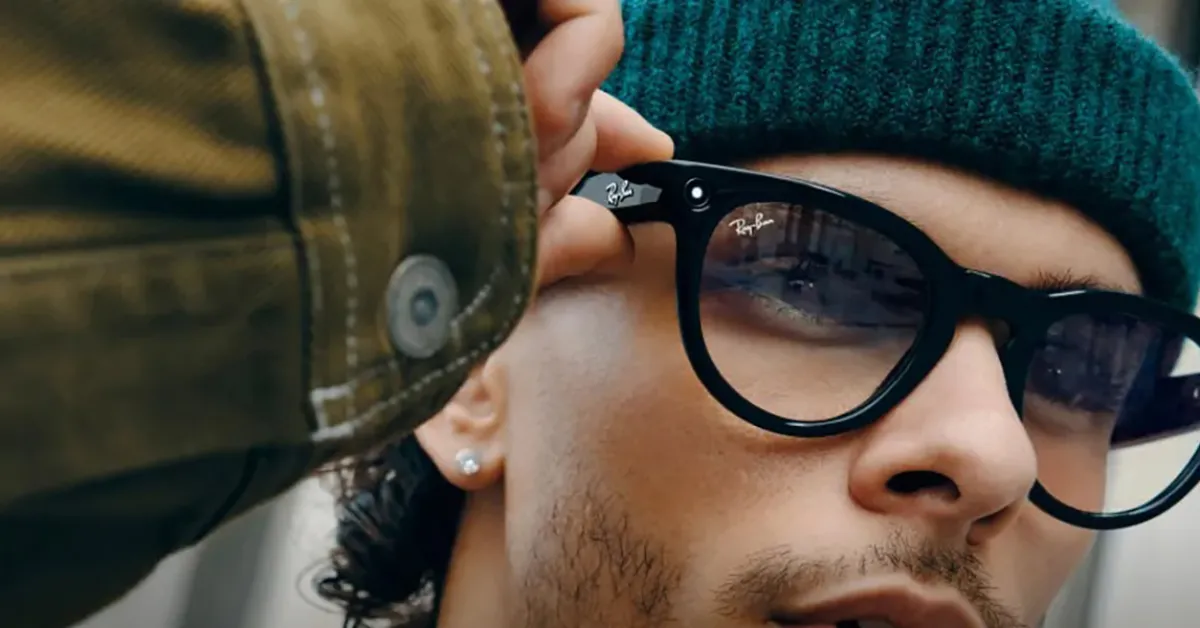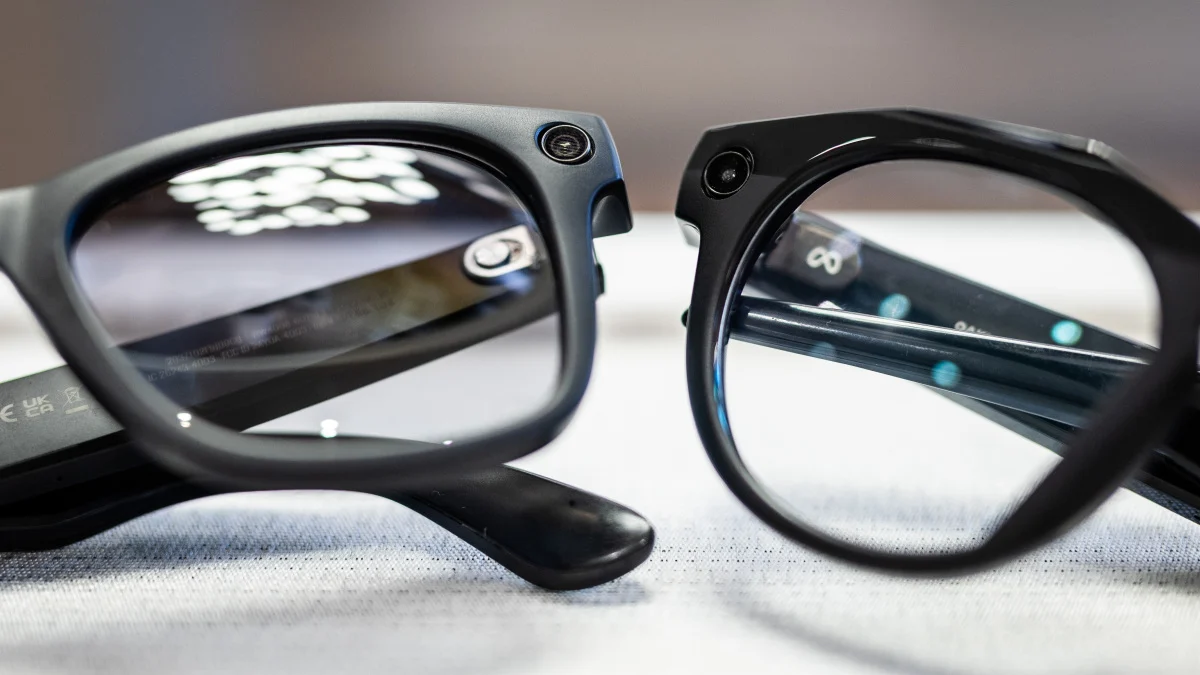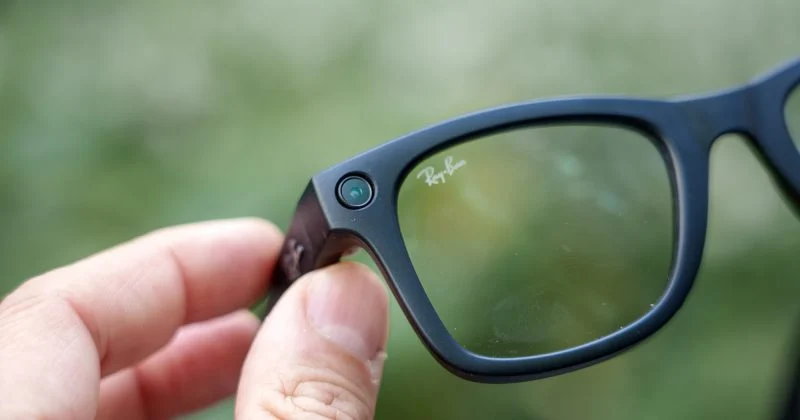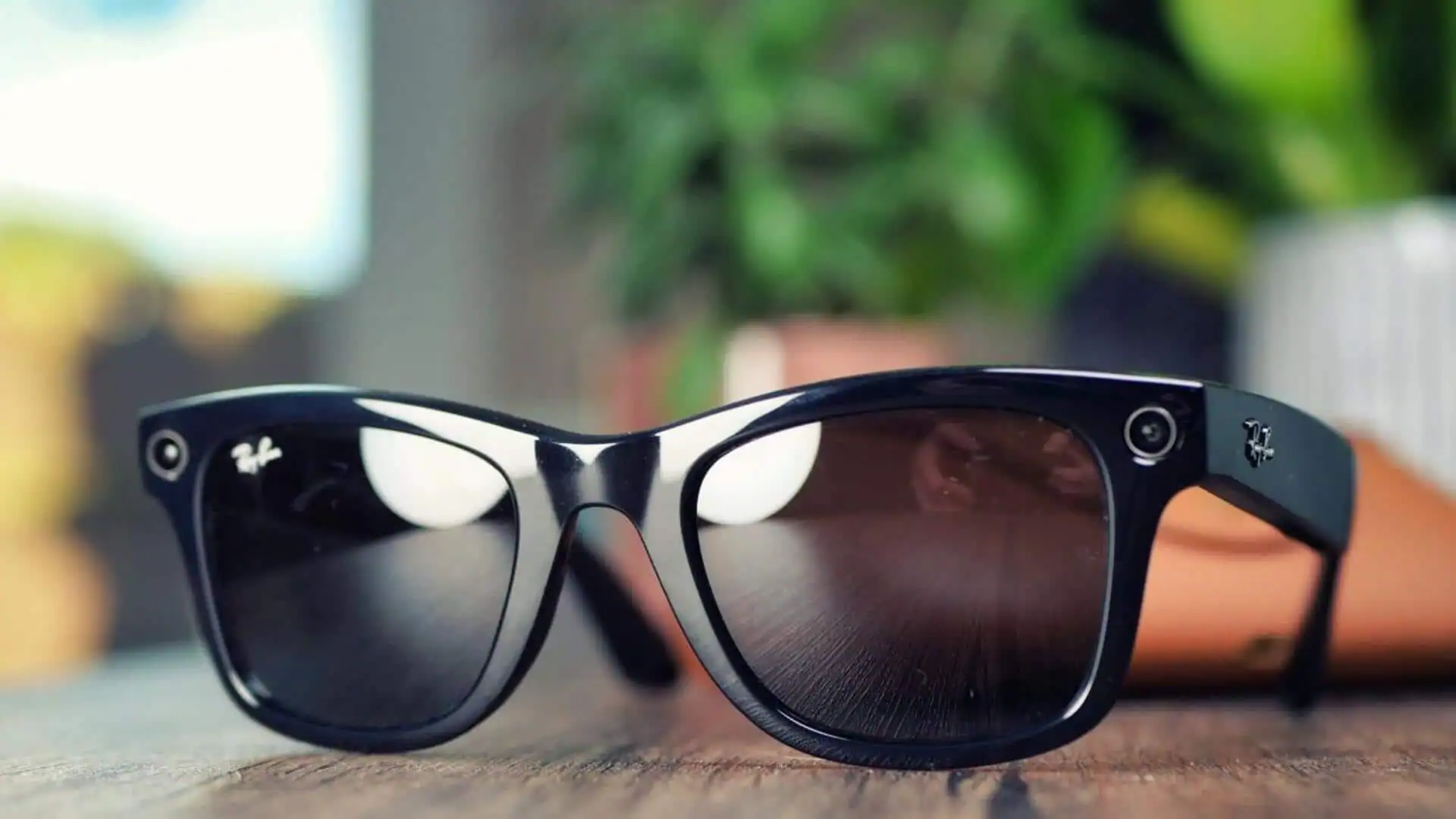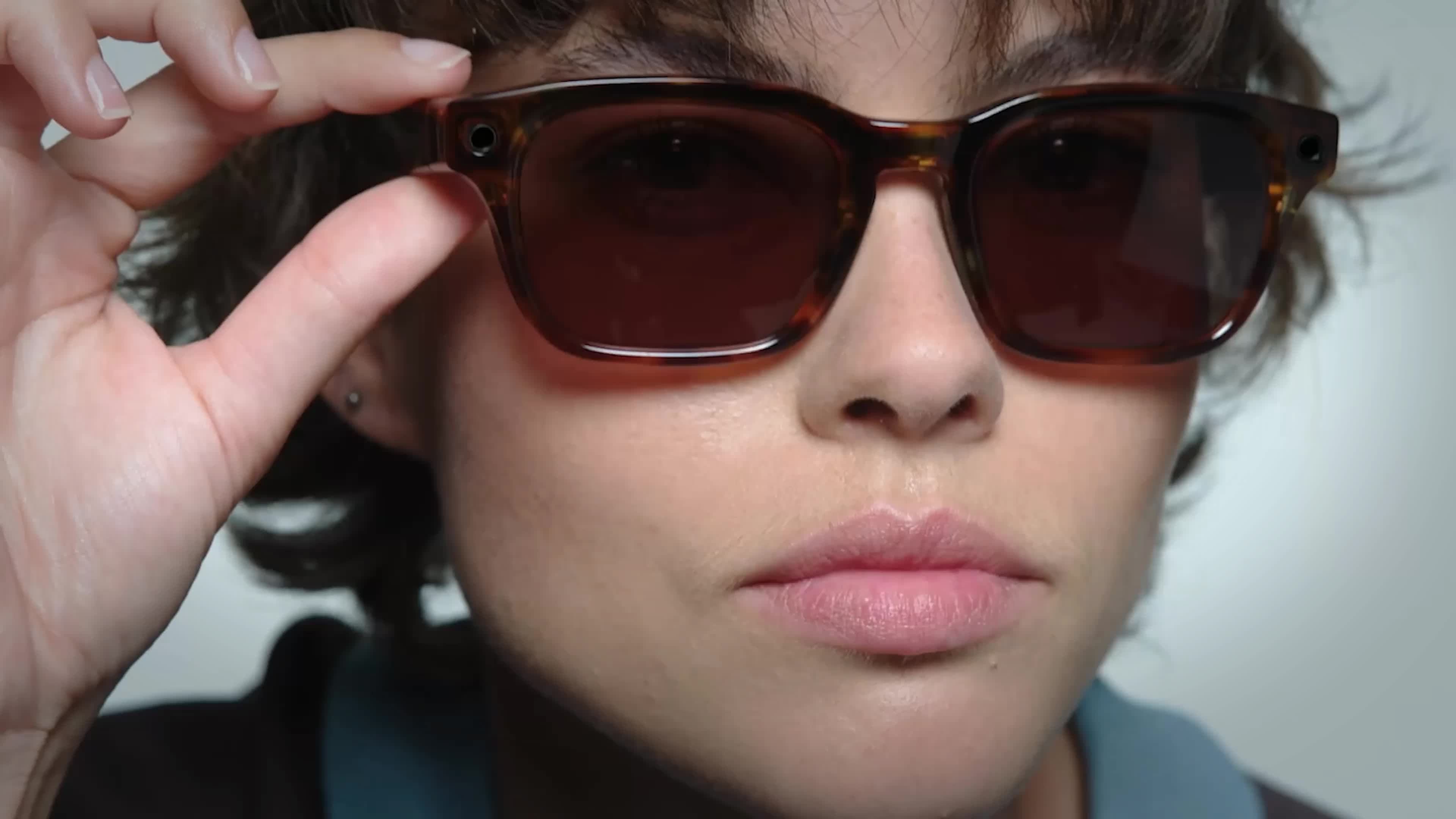
Meta has decided that the small white light on its smart glasses is no longer a courtesy. From this week, the camera on its AI glasses shuts off the moment the device senses that the recording LED has been covered, modified or destroyed. The software update is mandatory, it is rolling out now, and it starts with the second-generation hardware. The company laid it out in a privacy FAQ published on 7 July, alongside a vow to strip tampering ads from its platforms and to take legal action against the businesses that sell the mod. The blinking dot just became load-bearing.The short versionMeta's glasses carry a "capture LED" that blinks when you shoot a photo and stays lit while you record. It has no off switch by design. Until now, a determined user could tape over it or pay for a hardware mod to kill it, and record people with nothing to give the game away. Meta's update closes that door: if the system detects the light is blocked or broken, the camera refuses to capture until the light is working again. The camera and the LED now live or die together.What exactly is Meta changing?Two things, one old and one new. The old safeguard, in place since the second-generation glasses, disables capture when the LED is simply blocked, say with a strip of tape, and restores it once the light is uncovered. The new measure goes further. Meta admitted that some users had moved past tape to "sophisticated efforts to modify or destroy the capture LED", and the update now disables the camera when it detects that physical tampering. No working light, no footage.The detail Meta stresses is that the capture LED ships with no off switch. It blinks briefly for a photo and glows continuously through a video, and the wearer cannot dim or disable it in software. That was always the plan; the light was supposed to be the one part of the glasses the user did not control. The update simply extends that logic to the physical bulb, so covering or killing it now takes the camera down with it rather than freeing it.The enforcement runs off the device too. Meta says it has been pulling ads, posts and Marketplace listings that sell LED-tampering services, and it will ban the accounts behind them. It went one step harder: the company vowed to pursue legal action against people and businesses offering the mod, even when they advertise it somewhere other than Meta's own apps. This is Meta policing a modification to hardware you have already bought and paid for, which is either responsible stewardship or a quiet assertion of ownership over a device that left the shop months ago, depending on where you sit.A recording light is a promise, not a featureThink of the LED as a tally light, the red bulb that glows on a television camera to tell everyone in the room they are live. On a broadcast set, that light is a contract. It says the lens is hot, mind what you do. Meta's white dot was meant to be the same handshake between the wearer and the strangers around them, the one visible cue that separates a pair of sunglasses from a body camera.The trouble is that a promise you can quietly switch off is no promise at all. A sixty-dollar mod that permanently kills the LED does not just disable a light. It voids the contract while leaving the glasses looking honest. That is the gap Meta is now trying to weld shut, and the method is telling. Rather than trust the wearer, Meta has bound the camera's function to the light in firmware, so the courtesy is enforced by the silicon instead of the conscience. The company has made the tally light impossible to fake without also making the camera useless. It is a clean piece of engineering. It is also an admission that goodwill did not hold.Every recording culture that works runs on a visible tell. The film set has its red light. The radio studio has its "on air" sign. The court stenographer sits in plain view. The tell only works when it cannot be switched off by the one person with a motive to hide it, which is why broadcasters wire the tally light to the camera's actual output rather than to a courtesy button. Meta has arrived, twelve years late, at the same conclusion the television industry reached in the 1950s: the signal has to be tied to the source, or it is theatre.We have seen this movie beforeRewind twelve years and the plot is familiar. Google Glass arrived in 2013 wearing the same promise and collapsed under the same suspicion. The public decided that a face-mounted camera was a camera you could not see coming, coined "glasshole" for the people who wore one, and made the device socially radioactive. Bars and casinos banned it. A woman was reportedly attacked in a San Francisco bar after other patrons accused her of filming them. Google pulled the consumer product in 2015 and shut the door for good by 2023.Meta studied that failure and out-engineered the optics, in every sense. Where Glass looked like a gadget bolted to your head, Ray-Ban Meta looks like Ray-Bans, which is the point and the problem. The disguise is the feature. A device that vanished into a fashion icon solved Glass's adoption problem and sharpened its privacy one at the same time. The recording light was the one concession to the bystander, the single tell in an otherwise perfect poker face. When modders learned to remove the tell, Meta was left defending a design decision that Google never had to, because nobody wanted to wear Glass in the first place. Success created the exact liability that failure spared its predecessor.The backlash has scaled with the sales. In the Glass years, resistance was a niche of activists; the "Stop the Cyborgs" placard in a cafe window was as far as it went. This time the anger is mainstream, loud, and pointed at how the glasses are used on real people rather than at the abstract idea of them. Meta's own latest launch, complete with a celebrity edition, reignited the row instead of calming it. A product that sells is a product that shows up everywhere, and everywhere is precisely where a hidden camera becomes a public argument.The problem a blinking light cannot fixHere is the harder truth Meta's update sidesteps. The LED tells you a camera is on. It says nothing about what the machine behind it is doing with your face. In late 2024, two Harvard students wired a pair of Meta glasses to the PimEyes reverse-image engine and a large language model and, in near real time, pulled strangers' names, home addresses and phone numbers out of a glance on campus. They called it I-XRAY and built it as a warning. The camera in that demo was recording lawfully, light blinking, contract intact. The violation happened downstream, where no bulb can reach.This is the surveillance version of Minority Report's precrime: the harm sits not in the act of filming but in what prediction and matching do with the frame afterwards. A blinking light is a nineteenth-century answer, the ship's lamp that signals a presence, to a twenty-first-century problem, the AI that identifies you from a two-second look. Women have described being filmed in public by strangers in ordinary-looking glasses and finding the clip online later with a million views. The Electronic Frontier Foundation went as far as telling people to think twice before buying or using the Ray-Bans at all. Meta has fixed the tell. It has not touched the telescope.Give Meta its due, thoughThe fair reading grants that the light does real work. Most misuse is opportunistic rather than engineered, and a bright, un-silenceable LED deters the casual creep who would never pay for a soldering-iron mod. By binding the camera to the bulb in firmware, Meta has raised the cost of covert recording from a strip of tape to a device that no longer functions, which will stop the majority who were relying on convenience. Add the takedowns and the threat of litigation against mod sellers, and Meta is doing more than most hardware makers bother to. No rival has wired a privacy signal this tightly to the camera it governs. The measure is real, and it is better than nothing. The point is only that "better than nothing" is a low bar for a device this powerful, and the part the light cannot govern, the AI that turns a face into a dossier, is the part that should worry you most.India bought the glasses. The rules did not keep pace.India is squarely inside this story. Meta sells the Ray-Ban Meta Gen 1 from Rs 29,900 and the Gen 2 from Rs 39,900, through Ray-Ban stores, leading opticians, Amazon, Flipkart and Reliance Digital, and the Gen 2 even pays for your chai over UPI. The glasses are already on faces in Indian cafes, gyms and metro coaches, and the mandatory update lands on those devices the same as anywhere else.The law underneath is thinner than the price tag suggests. The Digital Personal Data Protection Act, 2023 leans on consent and transparency, and its penalties bite, up to Rs 250 crore for violations. Yet the Act carves out personal and publicly shared content, which is precisely where smart-glasses footage lives, and it says little about the bystander, the person pulled into a recording without ever agreeing to it. A shopkeeper in Lajpat Nagar filmed by a customer's glasses has no clean remedy. Meta's LED enforcement is, for now, doing the work that Indian privacy law has left undone, and a corporate firmware policy is a fragile substitute for a right.The cultural fit sharpens the point. India runs on crowded public space, on weddings and markets and metro cars where you are always in someone's frame, and on a facial-recognition build-out across airports and policing that already makes strangers legible to machines. Drop AI glasses into that setting and the bystander problem stops being hypothetical. The privacy scandal that trailed the Ray-Bans in the Western press landed in the Indian tech commentary too, and the same question followed: consent from the wearer is designed in, consent from everyone else is an afterthought. A light that blinks in a Delhi August noon, washed out by the sun, is a weak guardian for a right the law has yet to name.What happens when the glasses stop blinkingThe precedent matters more than the patch. Meta has established that it will reach into hardware you own, after you own it, to enforce a norm, and pursue in court the people who help you undo it. As a privacy safeguard, that is welcome. As a demonstration of who controls the device on your face, it should give everyone pause, buyers and regulators alike.None of it settles the arms race. Modders broke the last safeguard and will test this one, and every fix teaches the next workaround. There is a deeper asymmetry too: Meta can harden the light in a weekend firmware push, but the harm that matters, a face matched to a name and an address in seconds, needs no tampering at all and improves every time the models do. The safeguard races hardware; the threat rides software, and software is winning.So the real signal to track is not the bulb. It is whether any regulator, in Delhi or Brussels or Washington, writes a rule for the person who never bought the glasses and never agreed to be in frame. Watch the next hardware generation, watch the courts, and watch the LED. The day it stops blinking is the day the promise is quietly gone.Meta smart glasses recording light: your questions answeredWhat is the capture LED on Meta's glasses?It is a small white light that blinks when you take a photo and stays lit while you record. Meta designed it with no off switch, so the people around you have one visible cue that the camera is running.Will Meta disable the camera if I cover the recording light?Yes. If the system detects the LED is blocked, say with tape, the camera stops taking photos and videos until the light is uncovered. This safeguard has been in place since the second-generation glasses.What happens if the LED is physically modified or destroyed?The new update disables the camera when it detects the capture LED has been tampered with or broken, not just covered. Once the light no longer works, the camera no longer captures.Is the software update mandatory?Yes. Meta has confirmed the update is mandatory and is rolling out now, starting with second-generation hardware.Can I still buy a service that disables the recording light?Meta is removing ads, posts and Marketplace listings that sell LED-tampering services, banning the accounts behind them, and pursuing legal action against sellers, even when they advertise off Meta's own platforms.Does the recording light stop facial recognition?No. The LED signals that a camera is on. It says nothing about what AI does with the footage afterwards. A 2024 Harvard demo paired the glasses with a face-search engine to pull strangers' names and addresses while the light blinked normally.How much do Ray-Ban Meta glasses cost in India?The Ray-Ban Meta Gen 1 starts at Rs 29,900 and the Gen 2 at Rs 39,900, sold through Ray-Ban stores, opticians, Amazon, Flipkart and Reliance Digital, with UPI payments on the Gen 2.Does Indian law protect people filmed without consent?The Digital Personal Data Protection Act, 2023 carries penalties up to Rs 250 crore, but it carves out personal and publicly shared content and says little about the bystander pulled into a recording, leaving a gap for smart-glasses footage.end of article
Meta Will Disable Your Ray-Ban Glasses Camera If You Tamper With The Recording Light: Here Is What Changes
A mandatory update turns the tiny white LED into a condition of use: block it, mod it, or kill it, and the camera stops. Here is what changes, why Meta is doing it now, and the surveillance problem the light still cannot solve.
2,288 words~10 min read