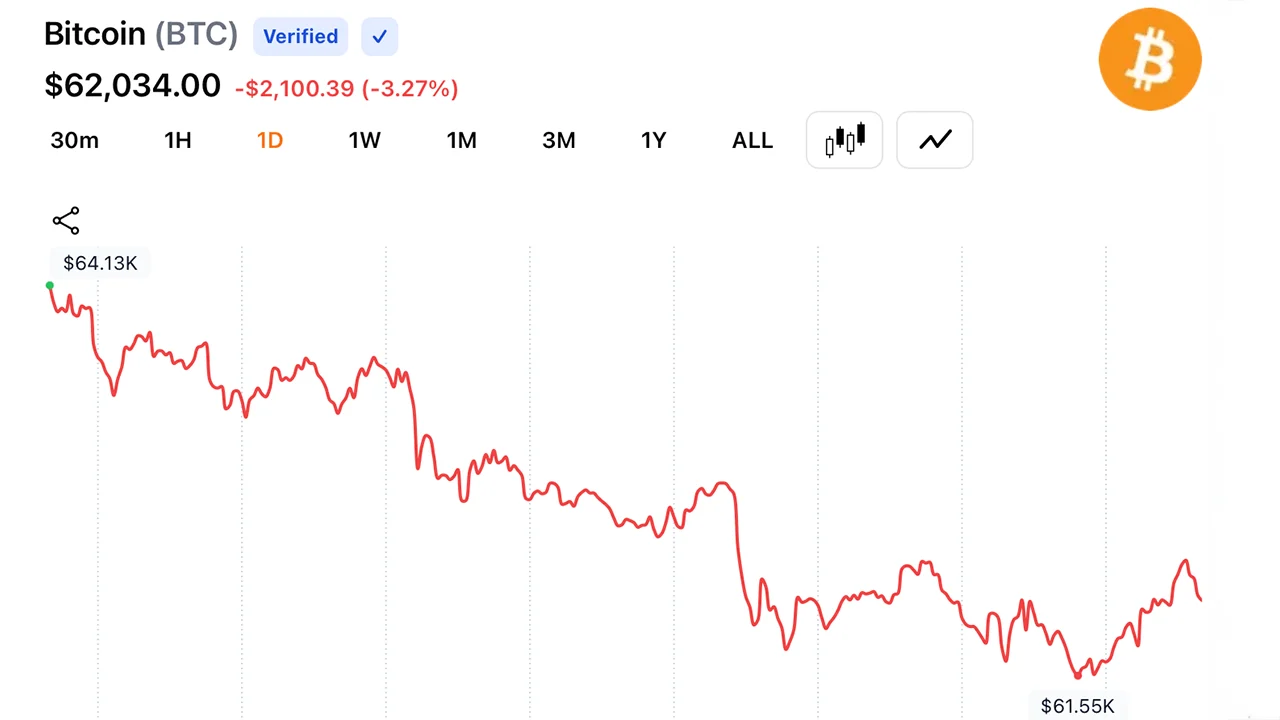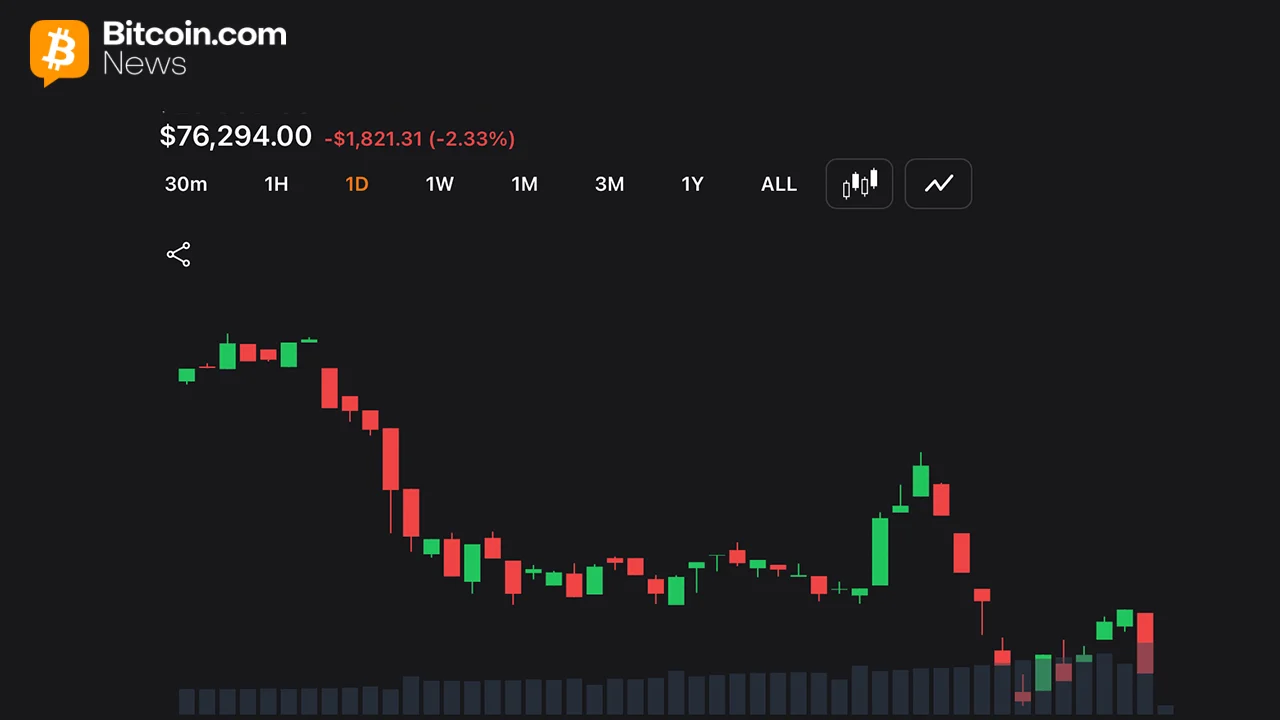
Bitcoin slid to roughly $63,323 on Wednesday, shedding about 1% as escalating tensions between the US and Iran reminded traders that the world’s largest cryptocurrency still moves to the beat of geopolitical drums.
The drop extends a pattern that has defined much of 2026 for Bitcoin: geopolitical flare-ups push risk appetite lower, and crypto gets caught in the downdraft. Bitcoin has been stuck in a $63,000 to $63,500 trading range for much of early July, a holding pattern that reflects persistent unease rather than any single catalytic event.
What’s driving the selloff
The proximate cause is the deterioration of diplomatic negotiations between Washington and Tehran over maritime security. Talks that were supposed to de-escalate tensions in key shipping corridors have stalled, and markets are pricing in the possibility that things get worse before they get better.
Middle Eastern conflicts, particularly those centered on Iran, have been the dominant macro overhang for crypto markets throughout the year. Every time tensions ratchet up, Bitcoin dips. Every time diplomacy shows signs of progress, it bounces. The net result is a market that’s been grinding sideways rather than trending in either direction with conviction.