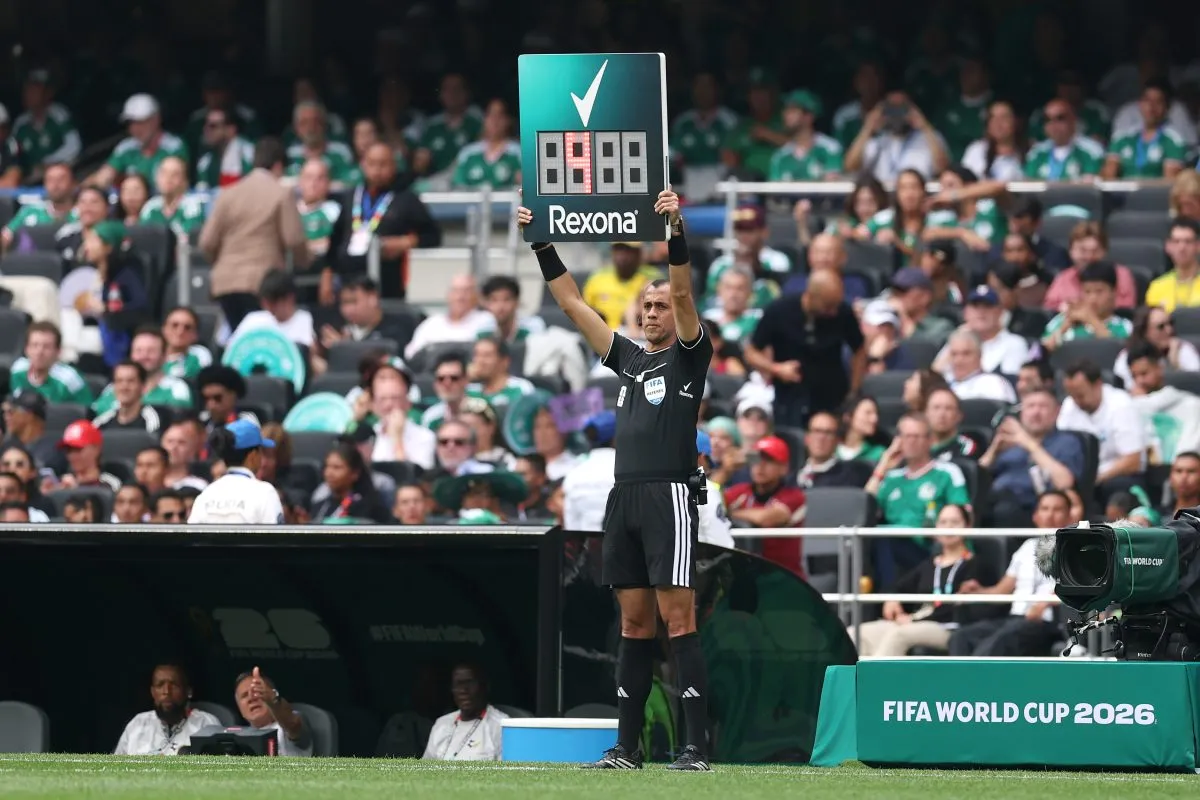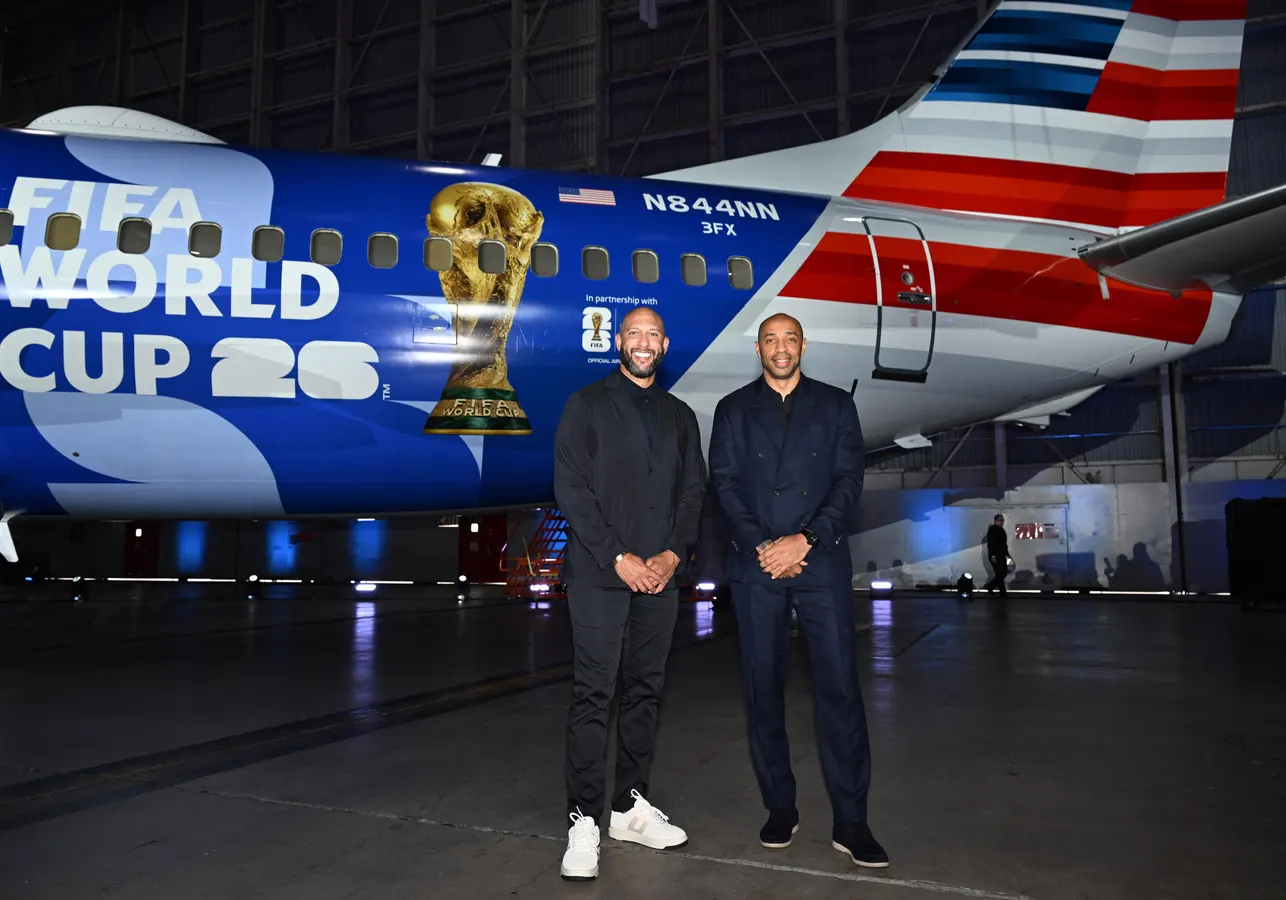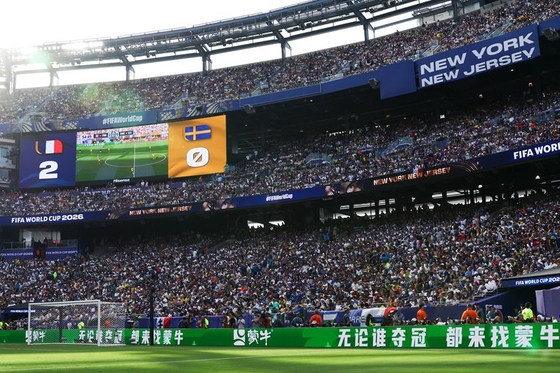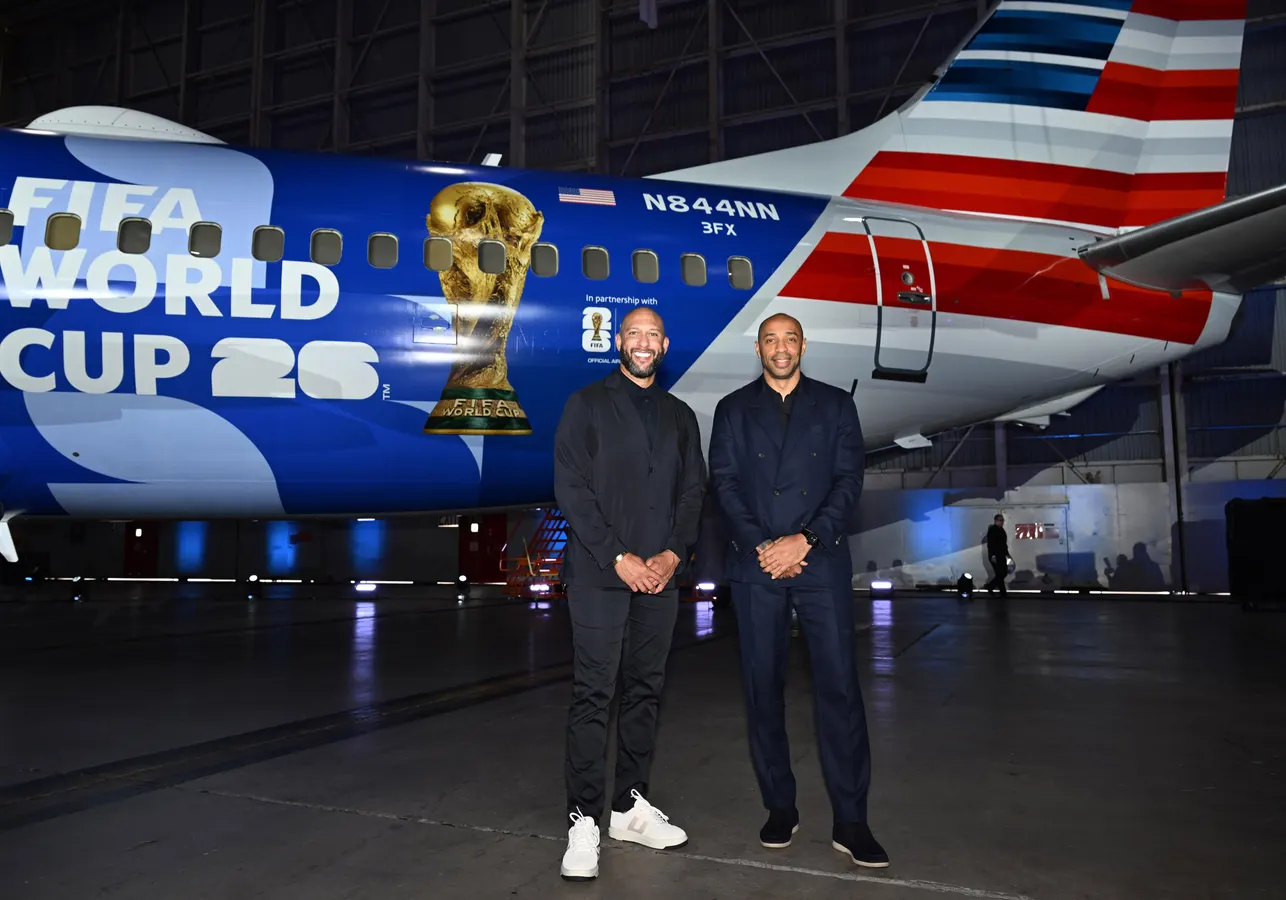
Good morning. About one-third of the estimated $8.9 billion in revenue that FIFA will collect from the 2026 World Cup comes from an ecosystem of official partners, sponsors and supporters. And that doesn’t include the billions that brands like Adidas, Coca-Cola, Visa, Qatar Airways, Lenovo, Hyundai-Kia, Aramco, AB InBev, Bank of America and Verizon will pay to supplement those efforts in what’s been described as one of the most complex marketing stages in the world.
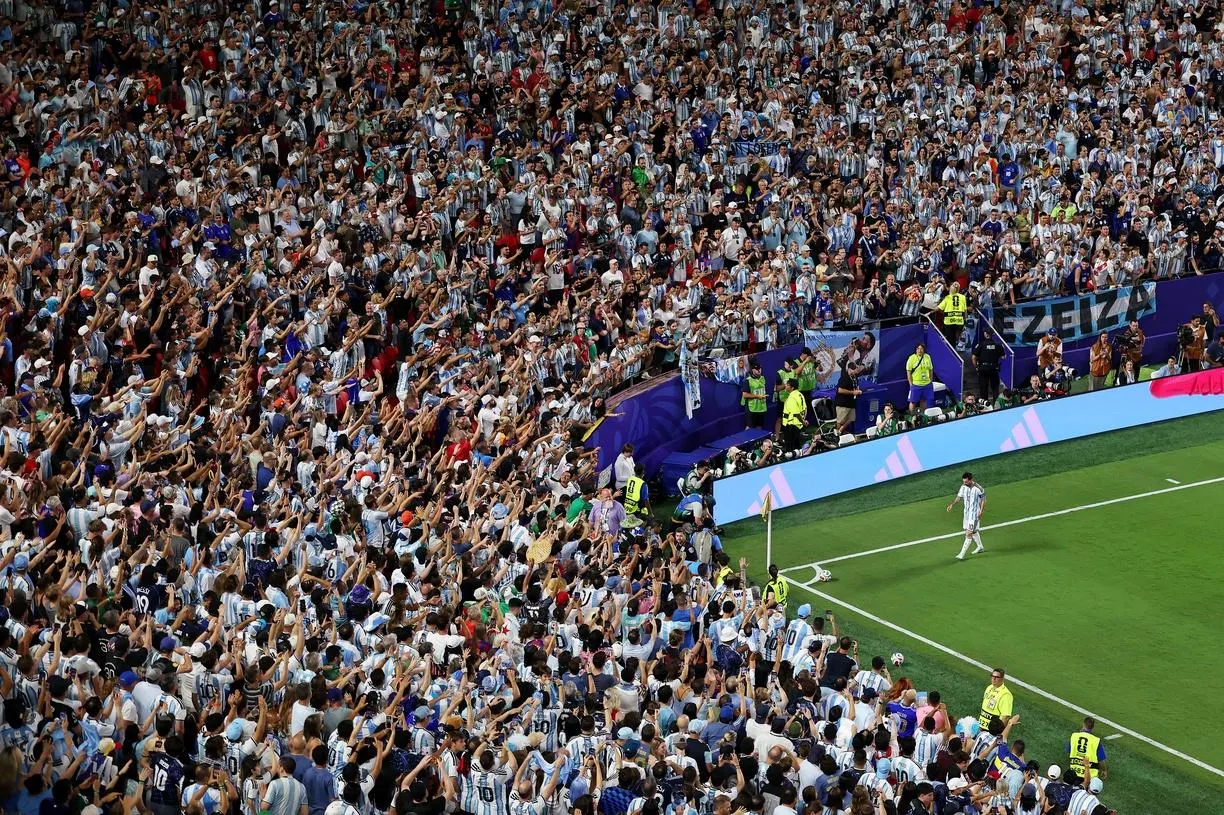
What’s in it for the sponsors? Nike’s star-studded Rip the Script has been viewed 79 million times while studies show World Cup sponsors outperform the S&P 500 during the tournament. Associating with star players helps too. (Expect Argentina’s stunning comeback against Egypt to enhance the aura around Lionel Messi.)
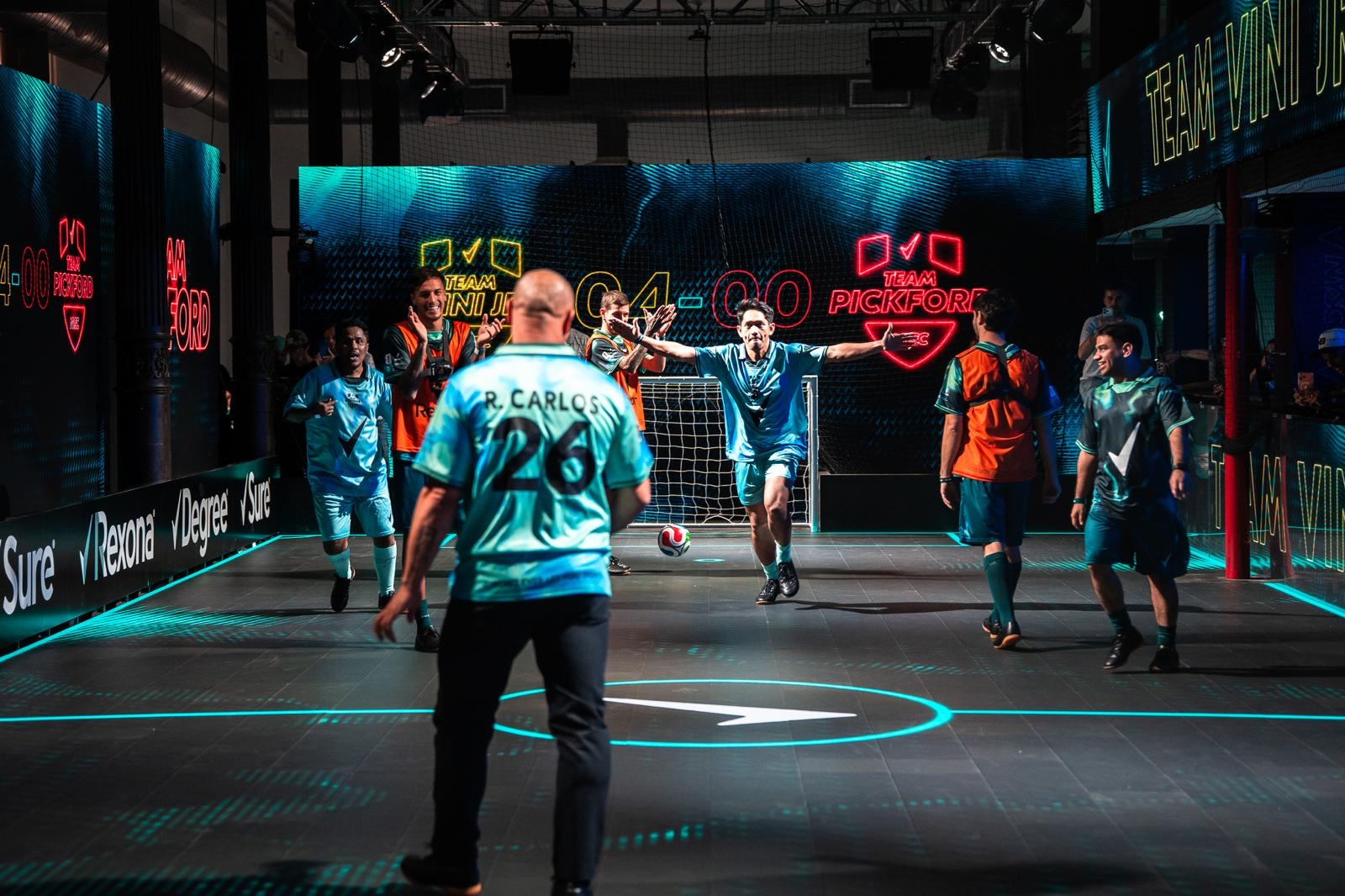
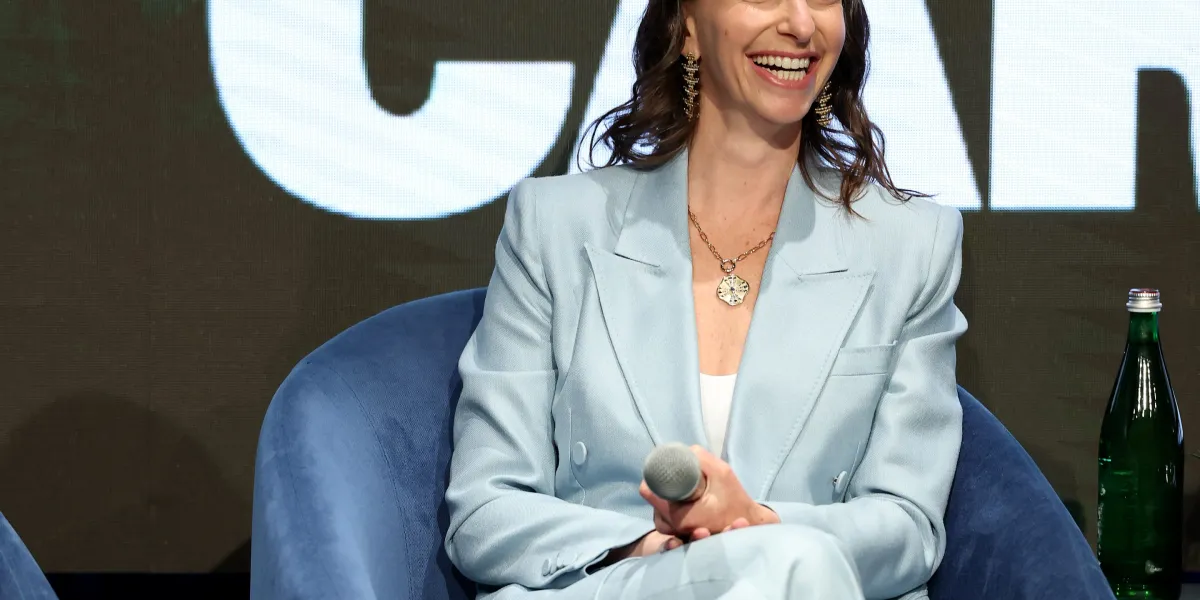
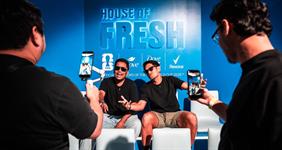
For more insight on how the World Cup fits into a broader business strategy, I spoke with Herrish Patel, president of Unilever USA and CEO of Personal Care North America, a division that launched its biggest-ever sports partnership as “official personal care sponsor” of the World Cup. Patel says the deal is core to his strategy to build “desire at scale” in Unilever’s high-priority U.S. market. His approach:
Embed legacy brands in the culture: Patel argues there’s “more trust in legacy brands than institutions,” but Americans want “legacy brands to be relevant.” He thinks about winning the social shelf, the digital shelf, and the physical shelf. Last year’s Coachella was a guide: When a viral TikTok highlighted body odor in the crowd, the company flew a plane over the concert with a message: “SMELLS LIKE YOU NEED US – DOVE DEO.” Dove climbed 36 spots in Instagram’s global beauty ranking. This time, the company is giving away tickets and limited-edition products while creating local fandom moments and activations around different tiers of products. “It’s about connecting our brands to major cultural moments,” he said, adding that, like sports, “brands need to provide unity to society at a time when it can be quite polarized.”