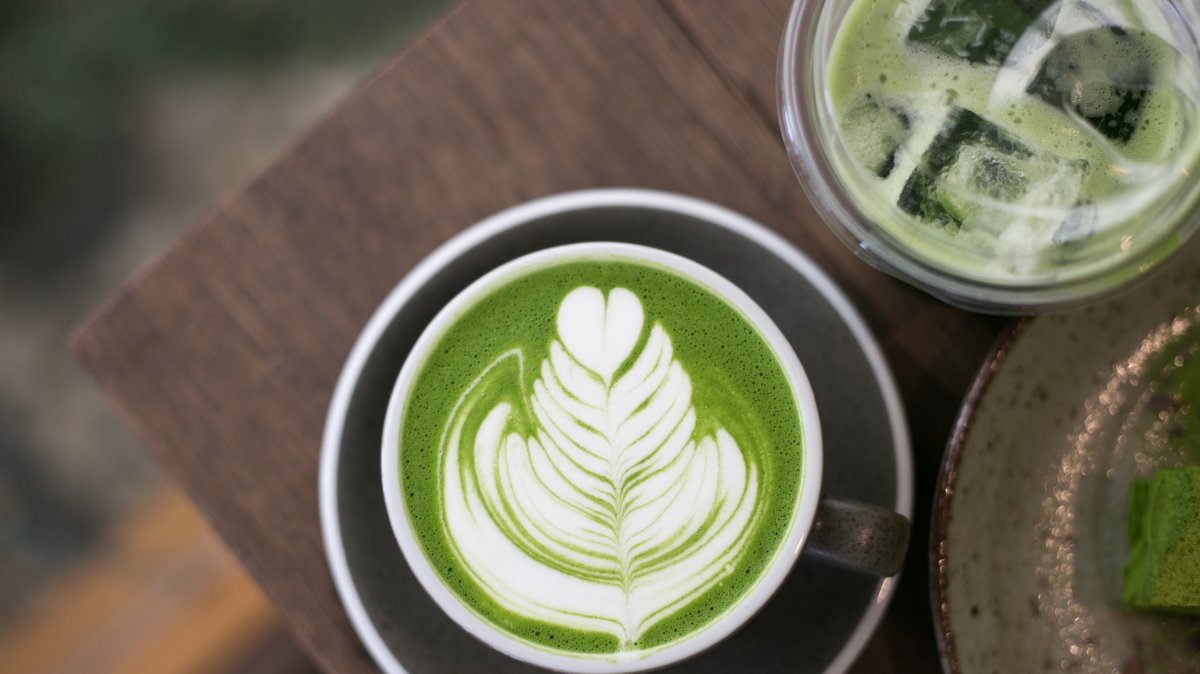
For centuries in Japan, matcha existed within a very different rhythm of life.
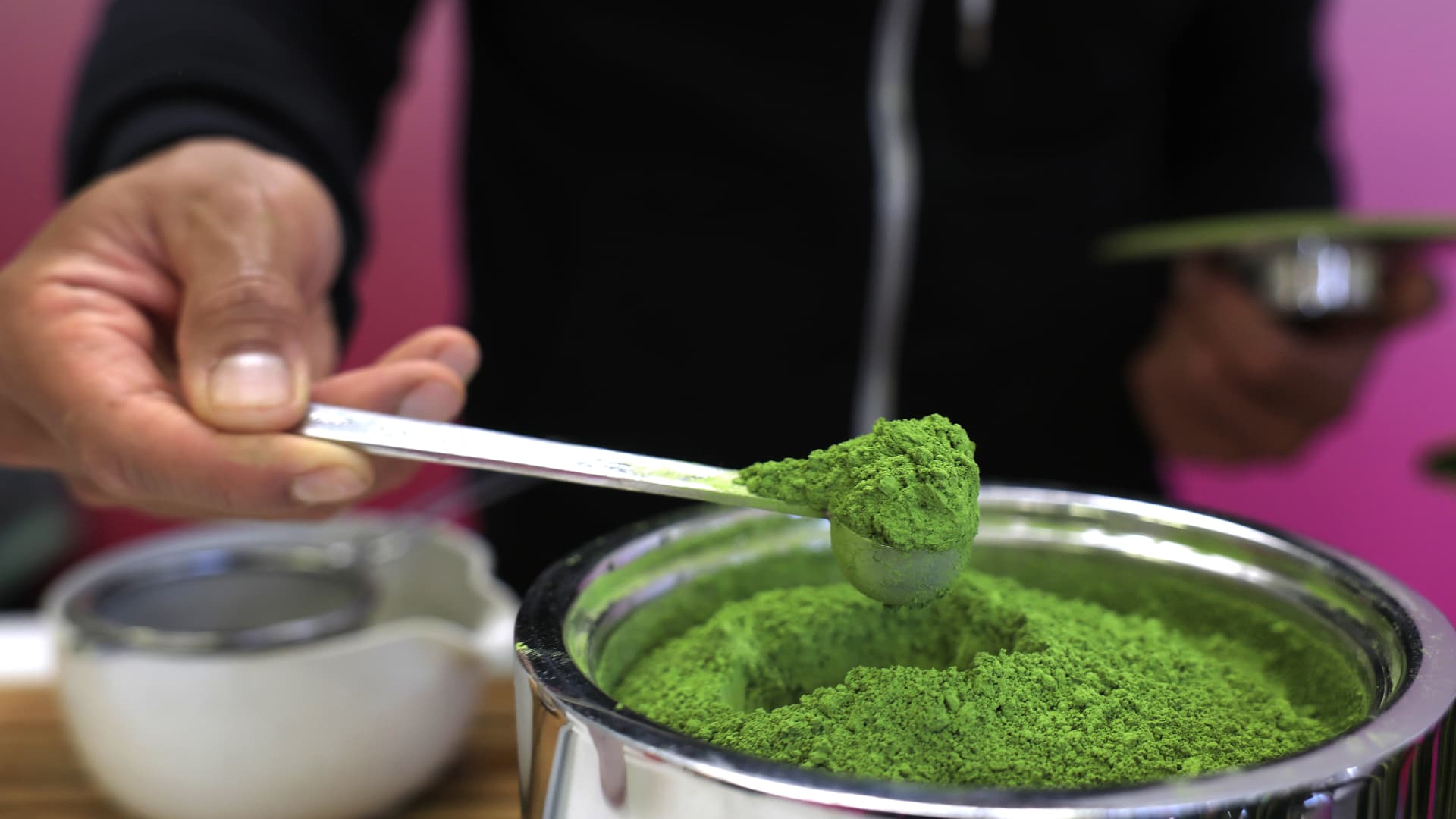
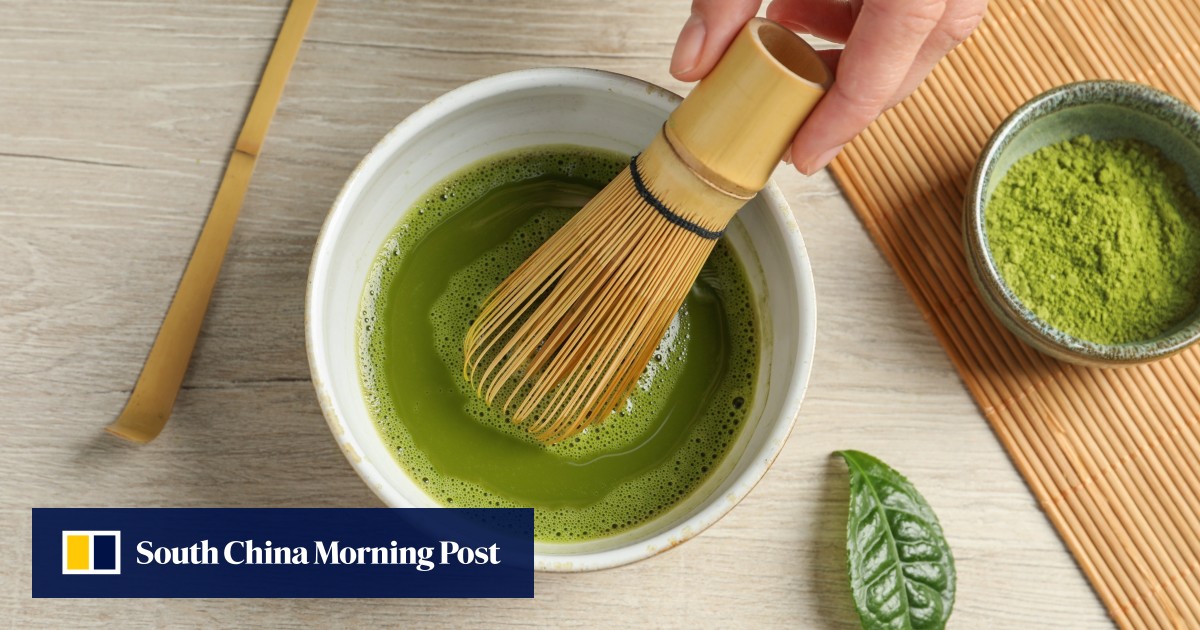
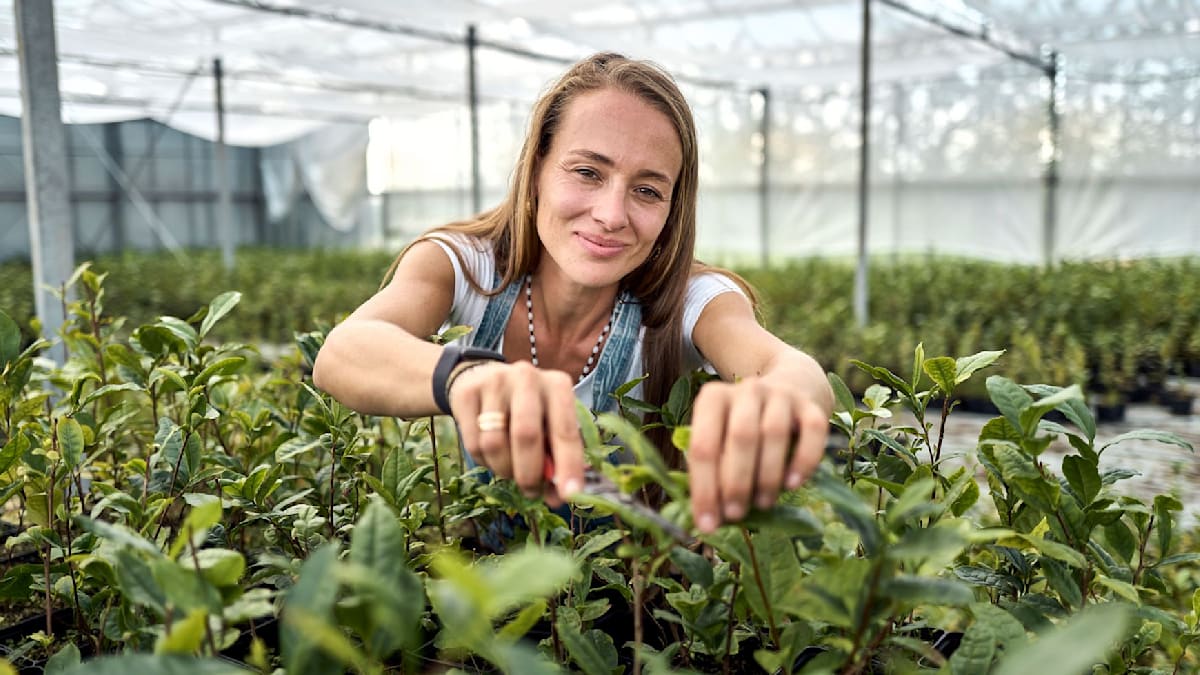
Nothing about it was meant to be rushed. Weeks before harvest, tea plants were shaded from the sun to intensify their flavor and vivid green color. Their youngest leaves were hand-picked, steamed, dried, and slowly ground into an exceptionally fine powder using traditional stone mills. This process can take an hour to produce just a small amount of tea.
Even in Japan, matcha occupied only a small corner of the country’s tea culture. Everyday life revolved around sencha, a loose-leaf green tea served at home and in restaurants. Matcha belonged elsewhere: in tea ceremonies, moments of hospitality and practices shaped by centuries of ritual.
Matcha was, in many ways, a product defined by patience.
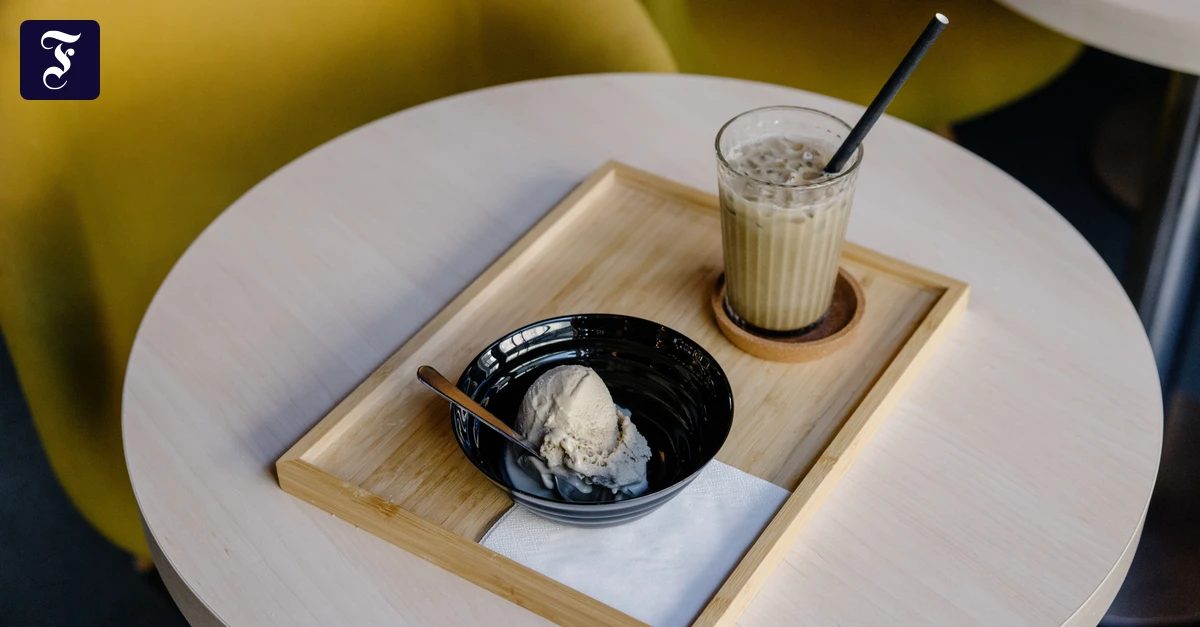
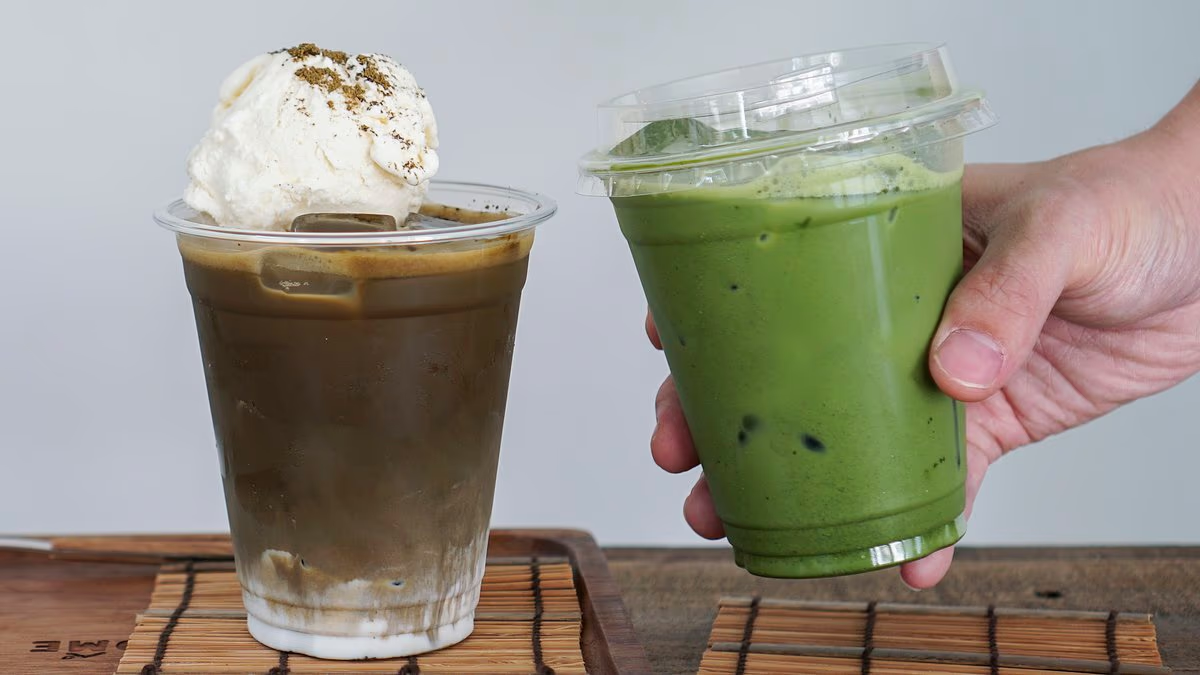
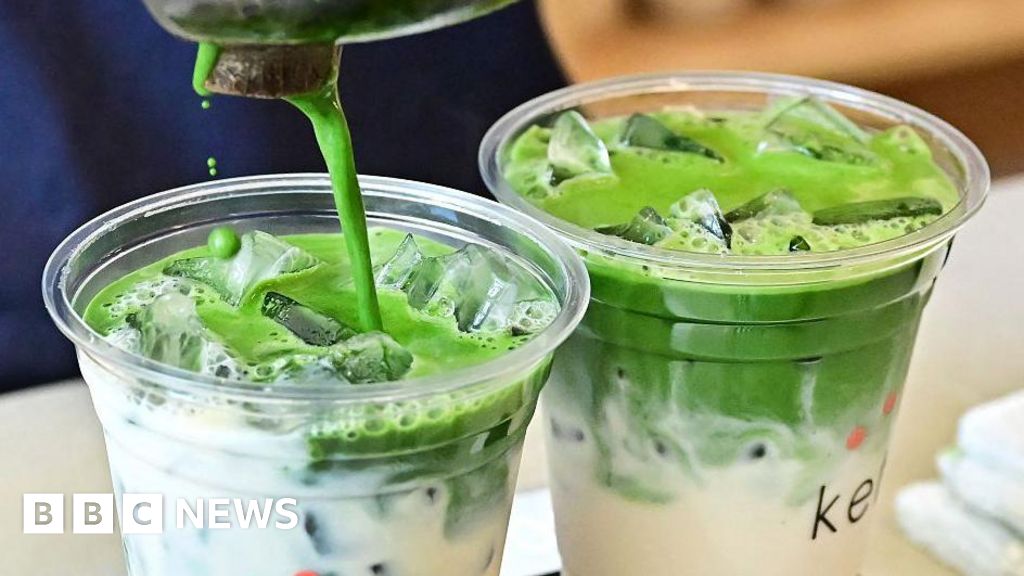
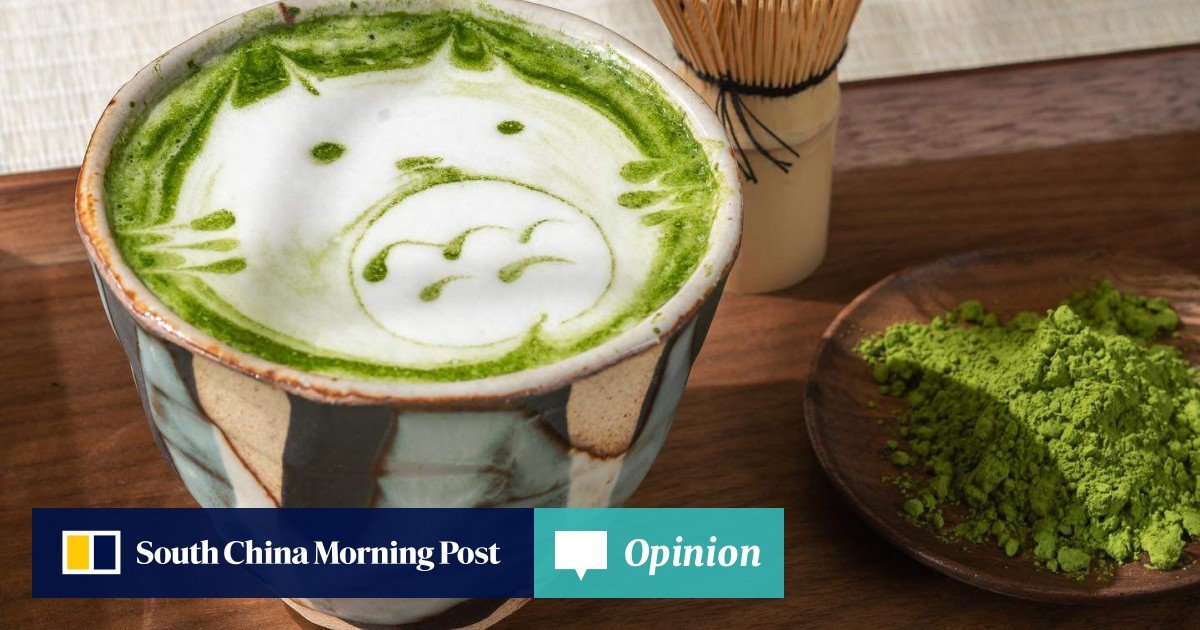
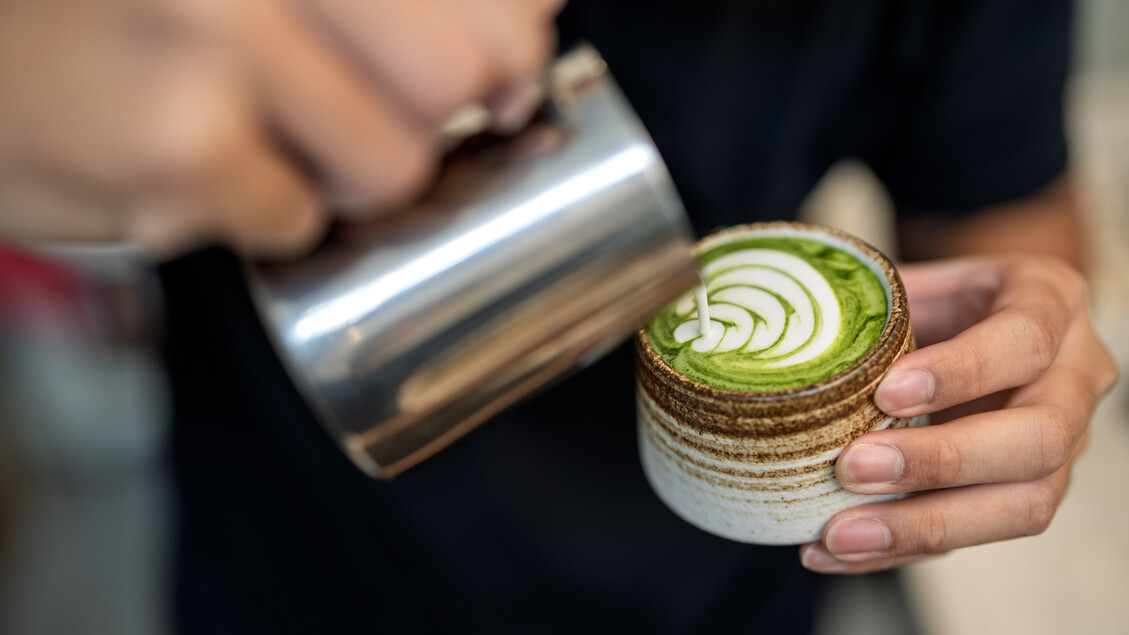
Today, it is sold in takeaway cups layered with flavored syrups and handed across cafe counters in minutes. It has become a worldwide phenomenon, inspiring lines outside cafes, dominating social media feeds and challenging coffee’s long-held place in daily routines across major cities.