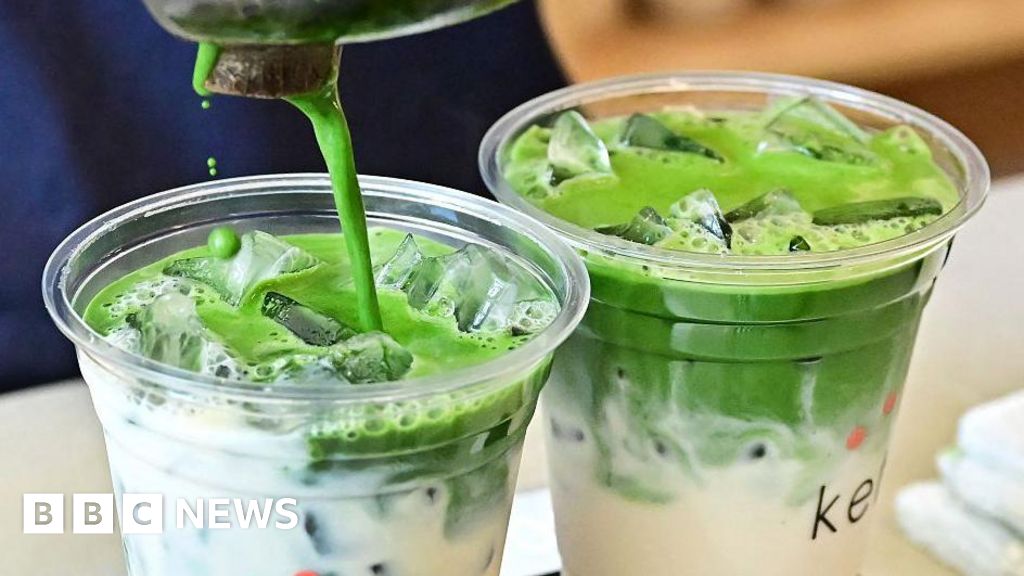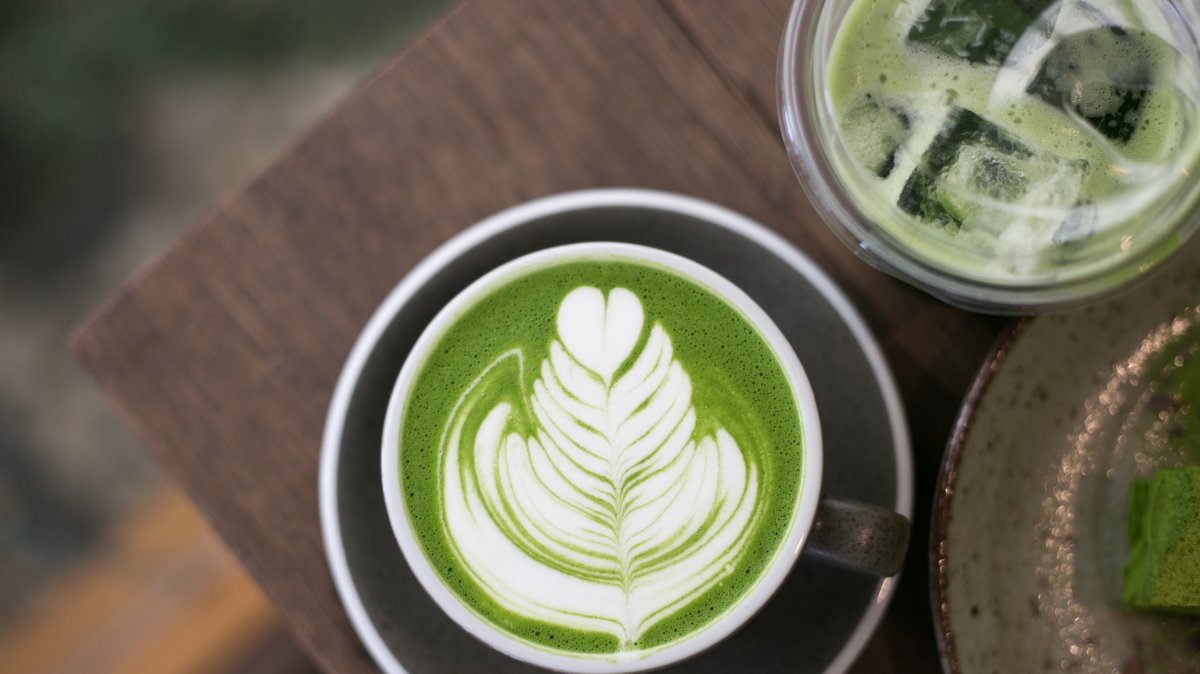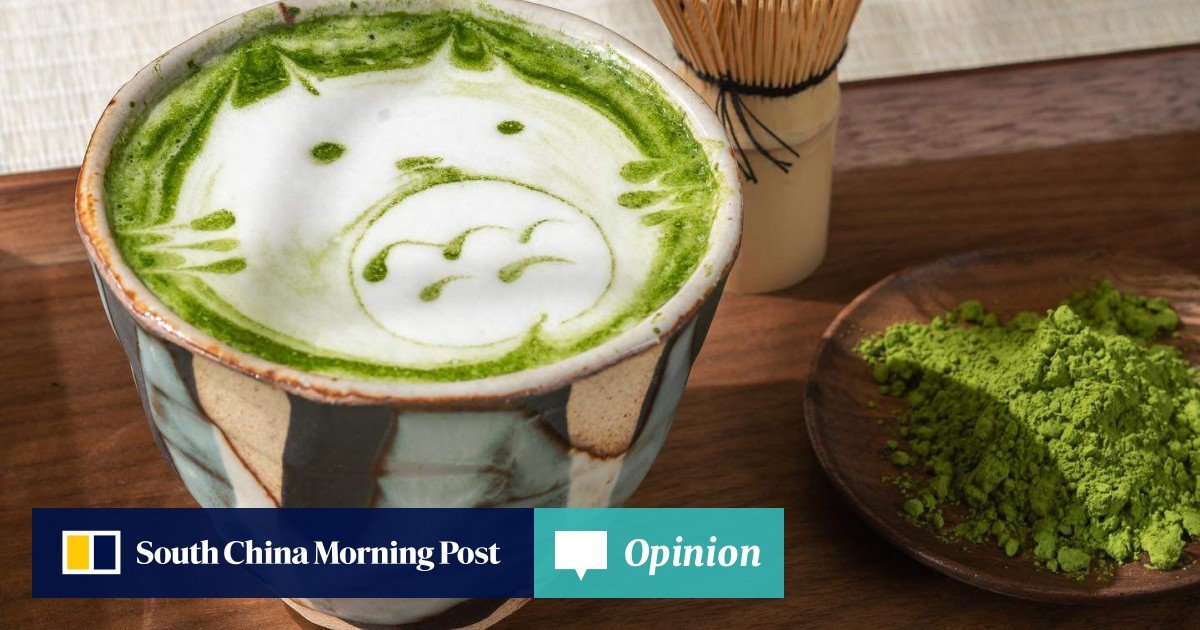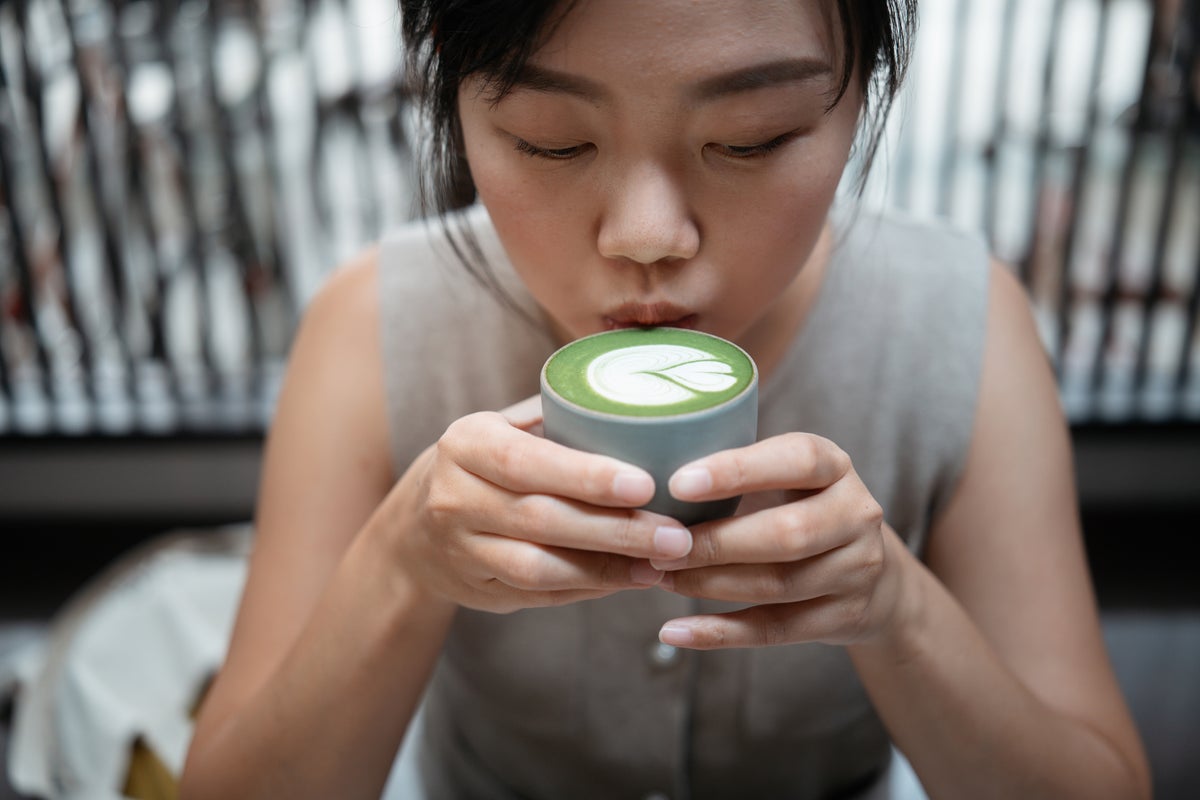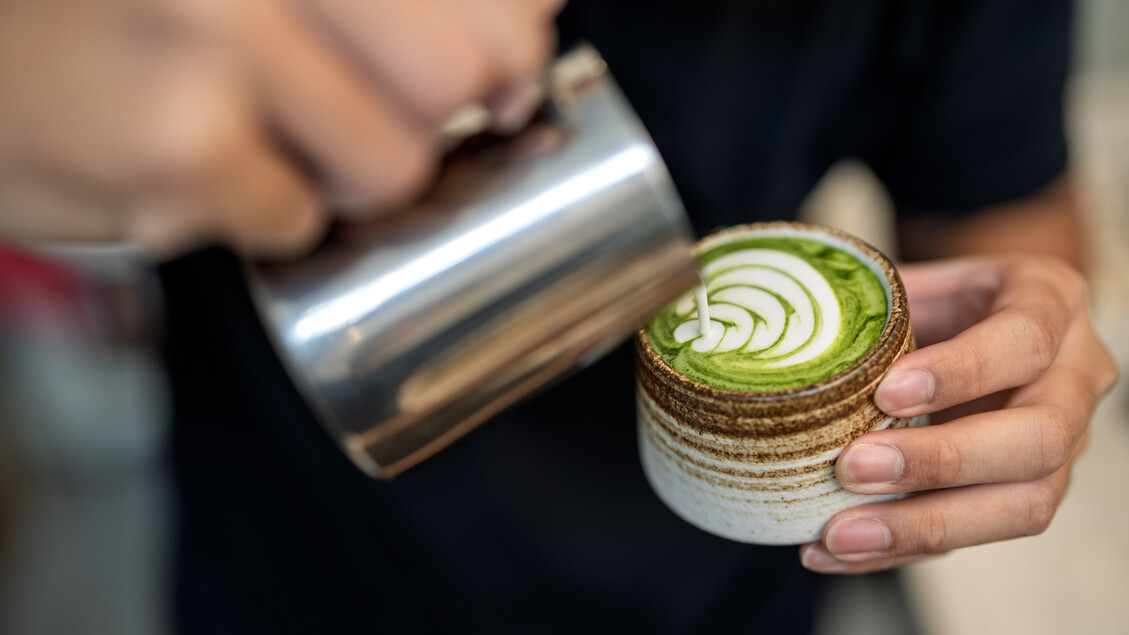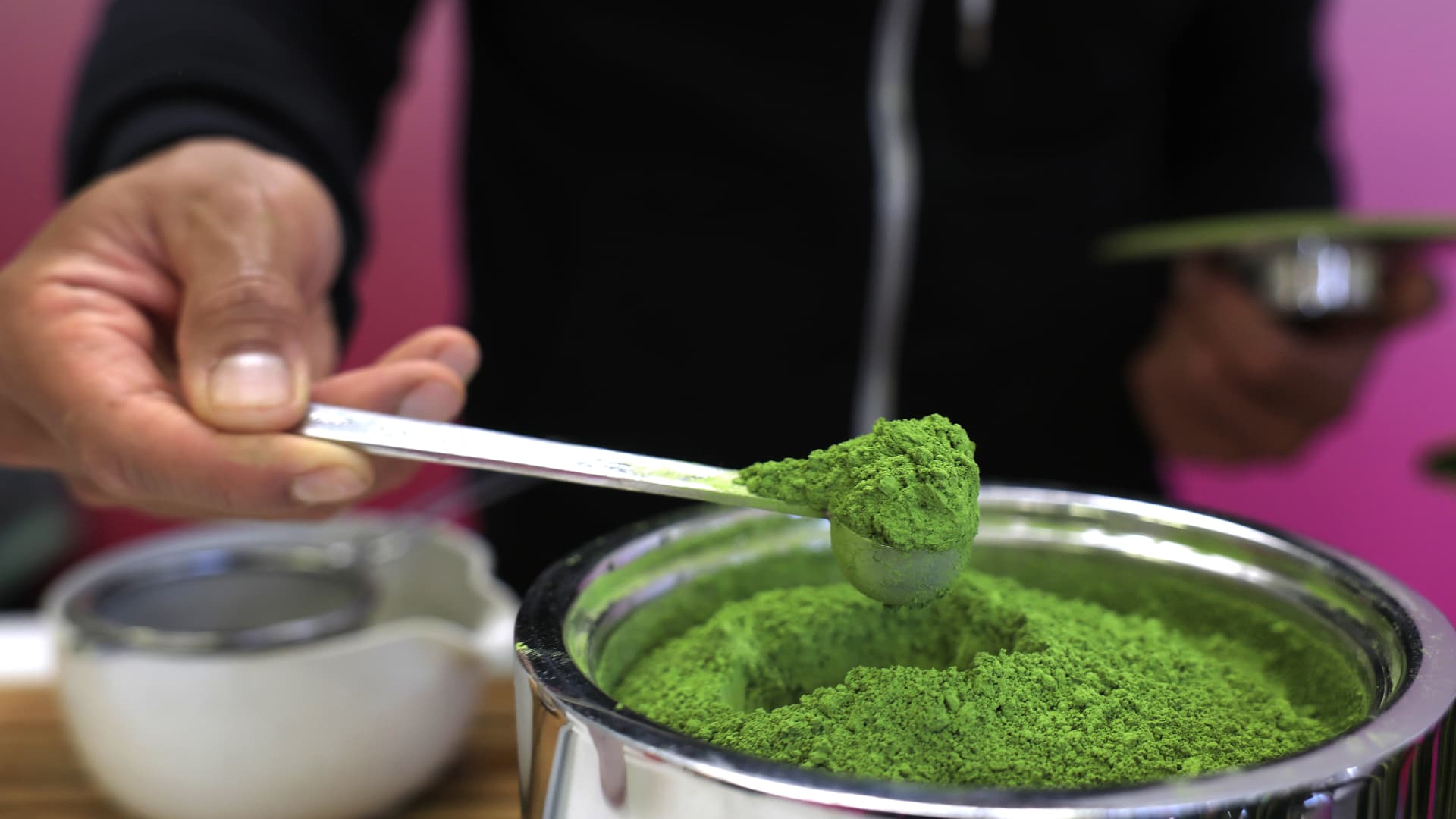
TOKYO — When Chitose Nagao retired after nearly three decades in advertising to start a matcha cafe, she never imagined lines would be snaking around her shop before it opened. By midafternoon, the tins of matcha powder on her shelves are sold out, while a steady stream of mostly overseas customers is waiting to try her latest green concoctions.
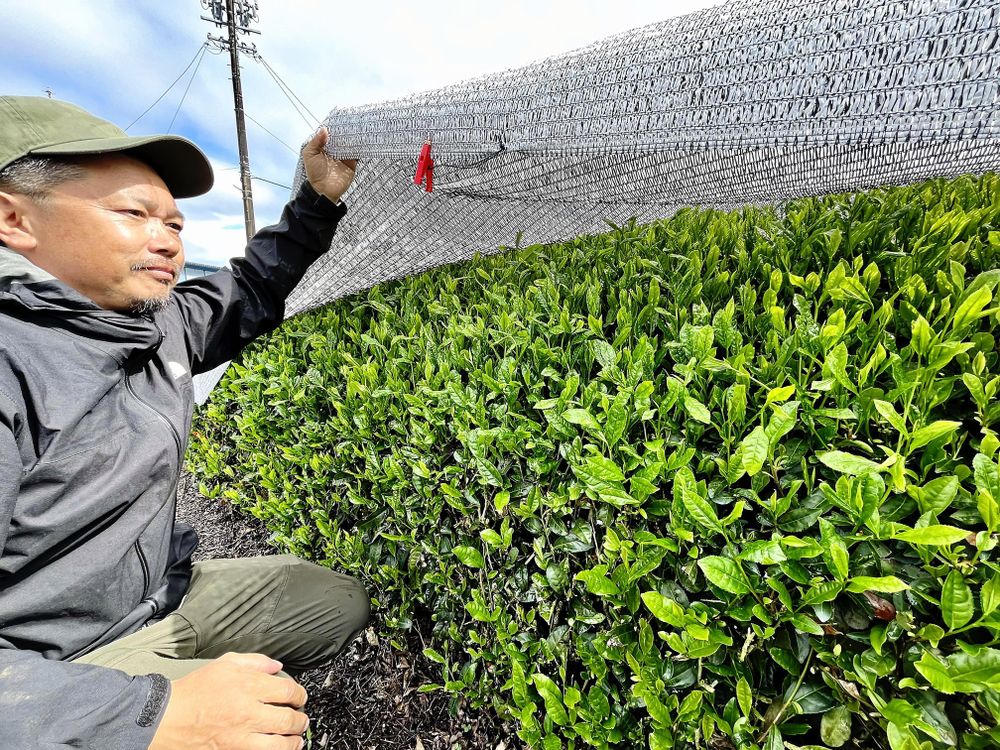
Her store, Atelier Matcha, is one of the lucky ones. Although matcha supplies are running low even in Japan due to a global craze, a partnership Nagao cultivated with Marukyu Koyamaen, a 300-year-old tea producer in Kyoto, is paying off.
“When I heard that all their tea was sitting unsold in a warehouse during Covid, I wanted to do something,” Nagao said. Four years later, she has two stores in Japan, one in Vietnam’s Ho Chi Minh City, and a new outlet that will soon open in Cebu City, Philippines.
Japan has been consuming matcha since the 12th century, mostly in highly ritualized tea ceremonies that require only a speck of powder. Demand skyrocketed in recent years as matcha’s reputation as an antioxidant-packed superfood spread over TikTok. A post-pandemic tourism boom has also pushed prices higher.
According to Japan’s Ministry of Finance, Japan exported 36.4 billion yen ($247 million) of green tea last year, four times more than a decade ago. Some 44% was bound for the U.S., mostly in powdered form, like matcha.