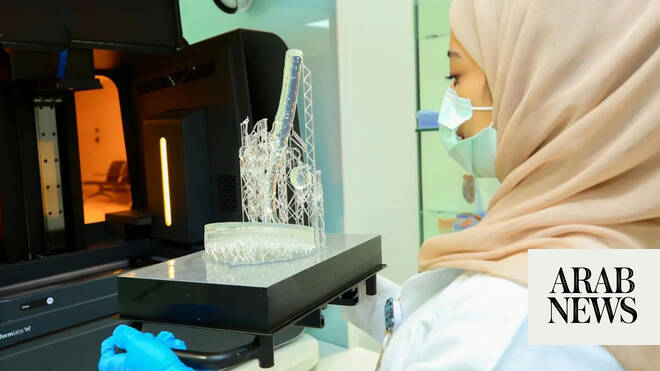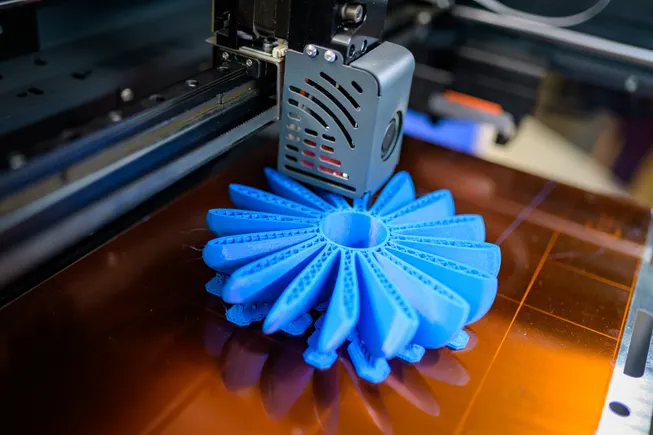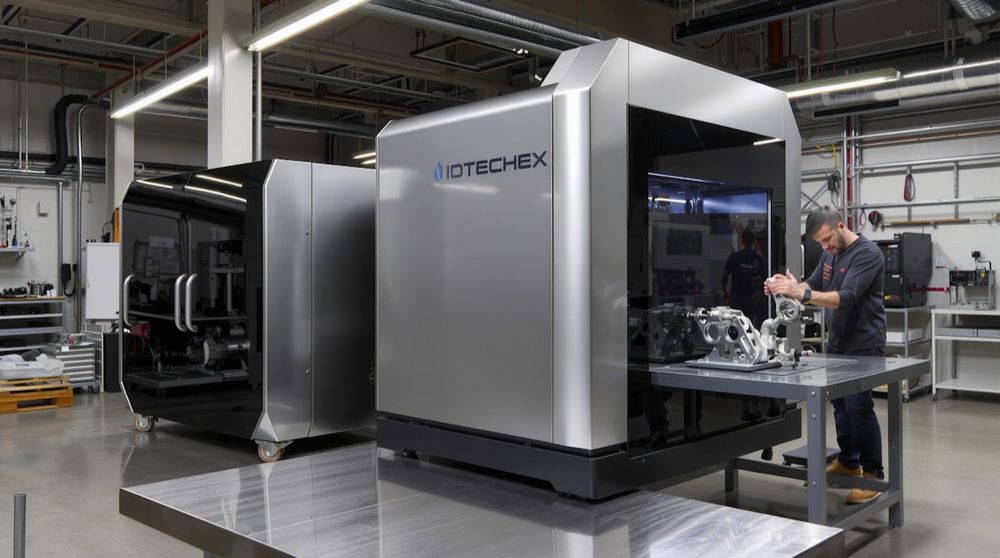
An engineer works with an advanced industrial additive manufacturing (3D printing) system to fabricate high-precision metal components, highlighting the technology currently transforming the production of personalized hip implants.
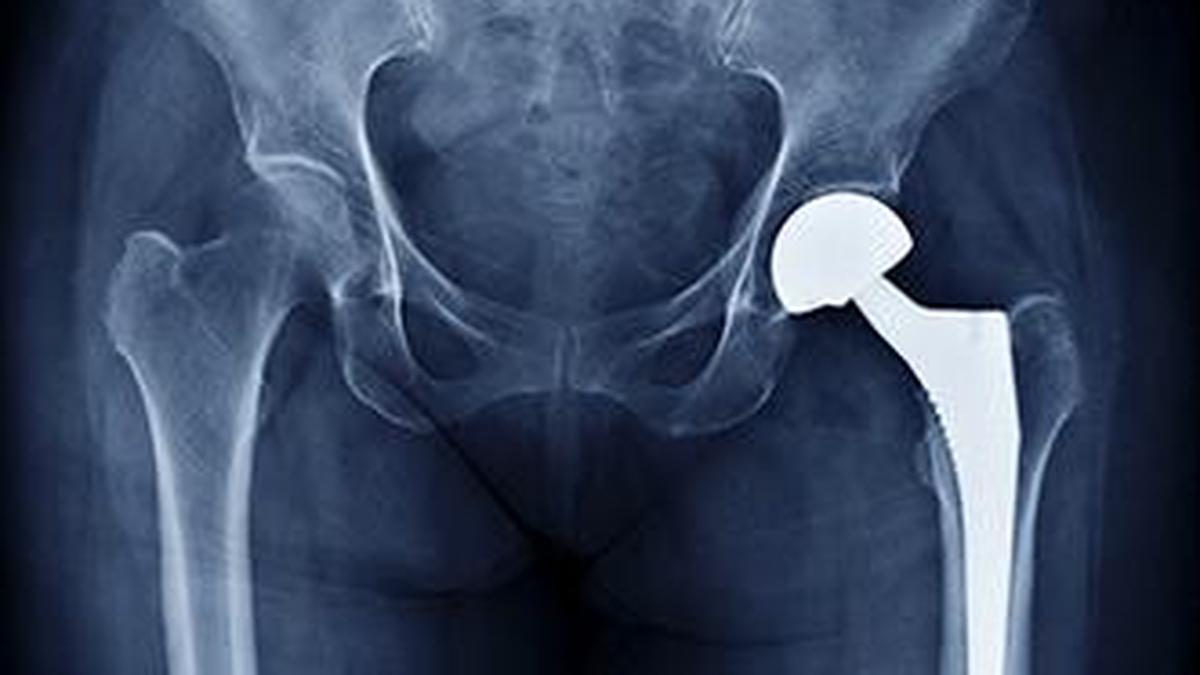
In the realm of orthopaedic surgery, a transformation is taking place, heralded by the rise of 3D printing technology. Over one million hip and knee replacement surgeries are conducted annually in the United States alone, and the techniques used to fabricate their implants are undergoing a significant renaissance.
Initially regarded as a mere prototype tool, additive manufacturing (AM) has evolved into a fundamental aspect of orthopaedic manufacturing.
The latest report from IDTechEx, titled "Materials for Bone Implants 2026-2036: Trends, Players, and Forecasts", illuminates the materials and methodologies that are pushing the boundaries of these medical devices towards a more personalised and effective future.
The use of AM, particularly in the production of porous implant components, has now become standard among leading orthopaedic original equipment manufacturers (OEMs).