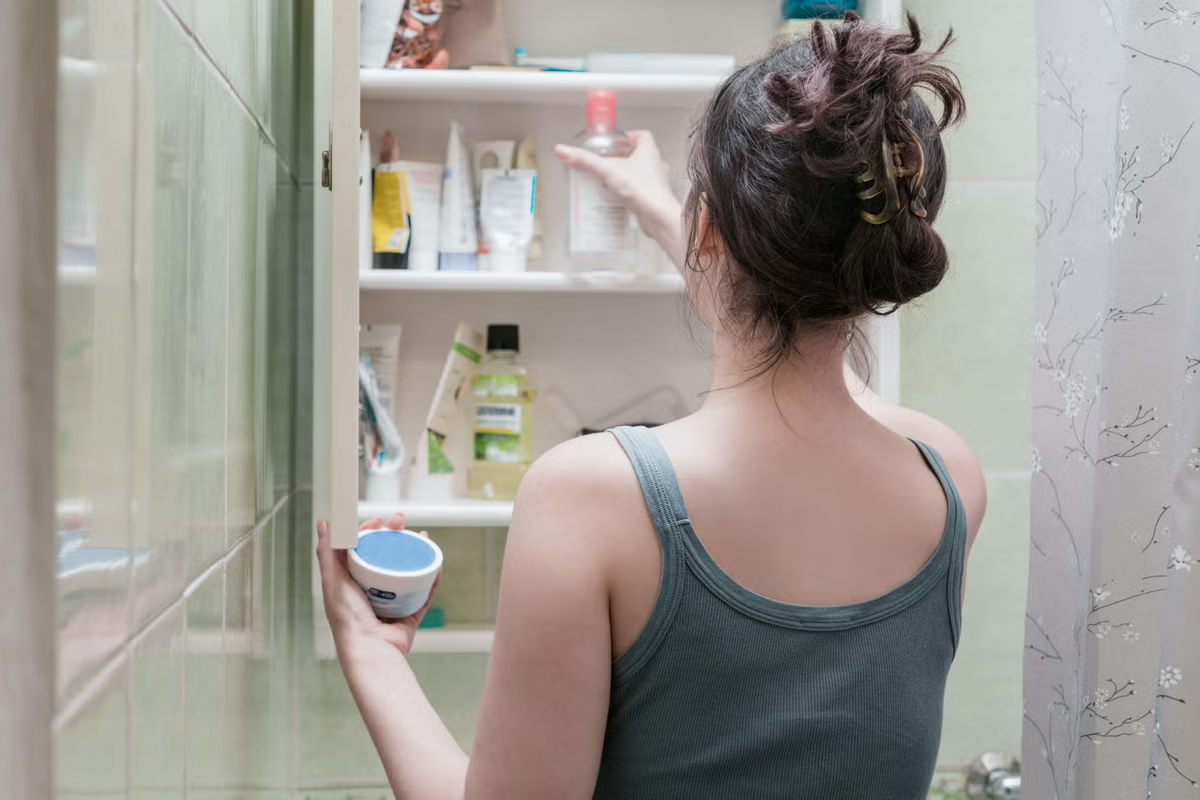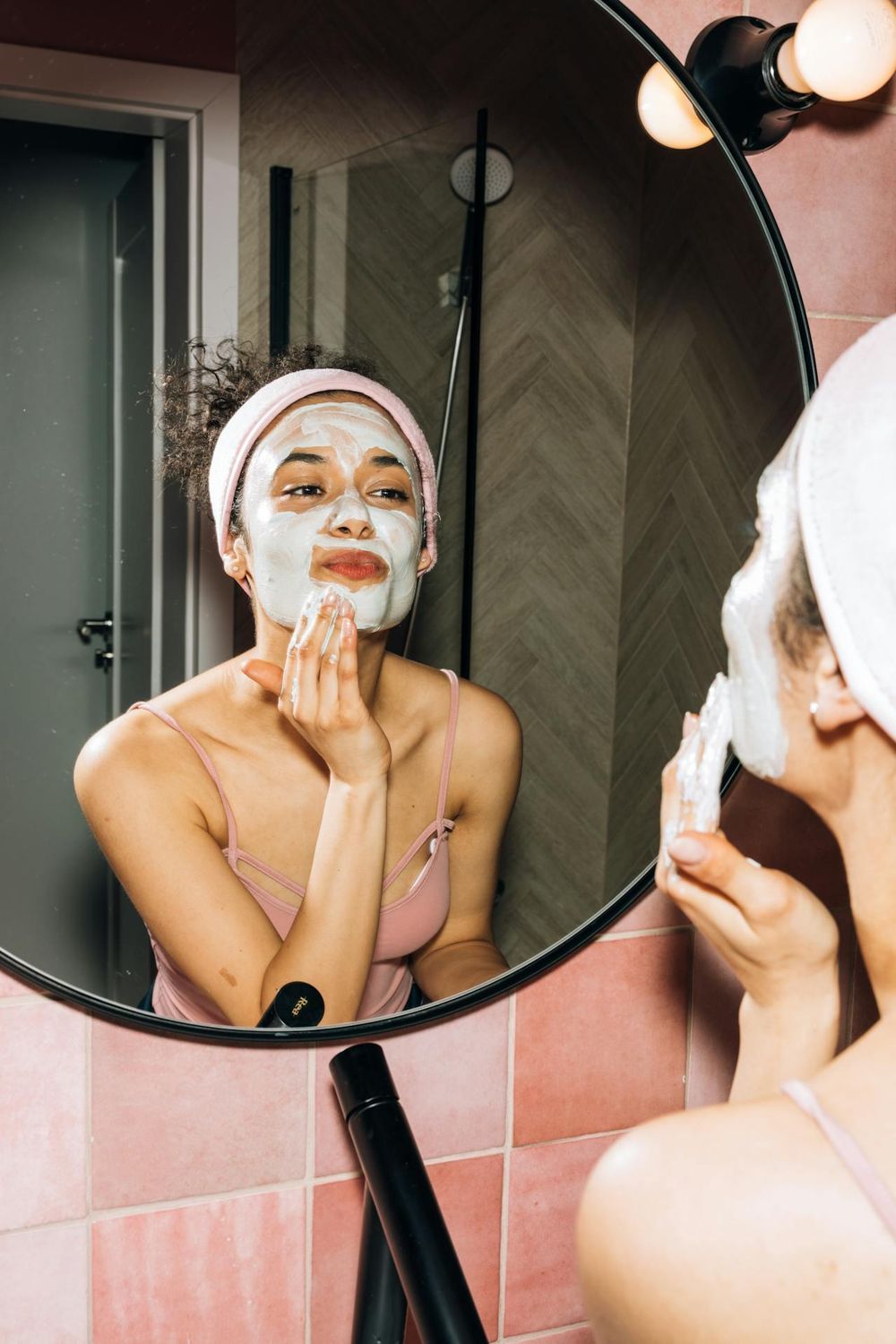
Whether you are a man or a woman, and whatever your investment level in skincare is, you have likely noticed that the beauty industry is booming.
Skincare products, make-up and anti-ageing serums are all over social media and shops, with the global beauty market expected to reach $590 billion (€516bn) by 2030, according to recent reports.
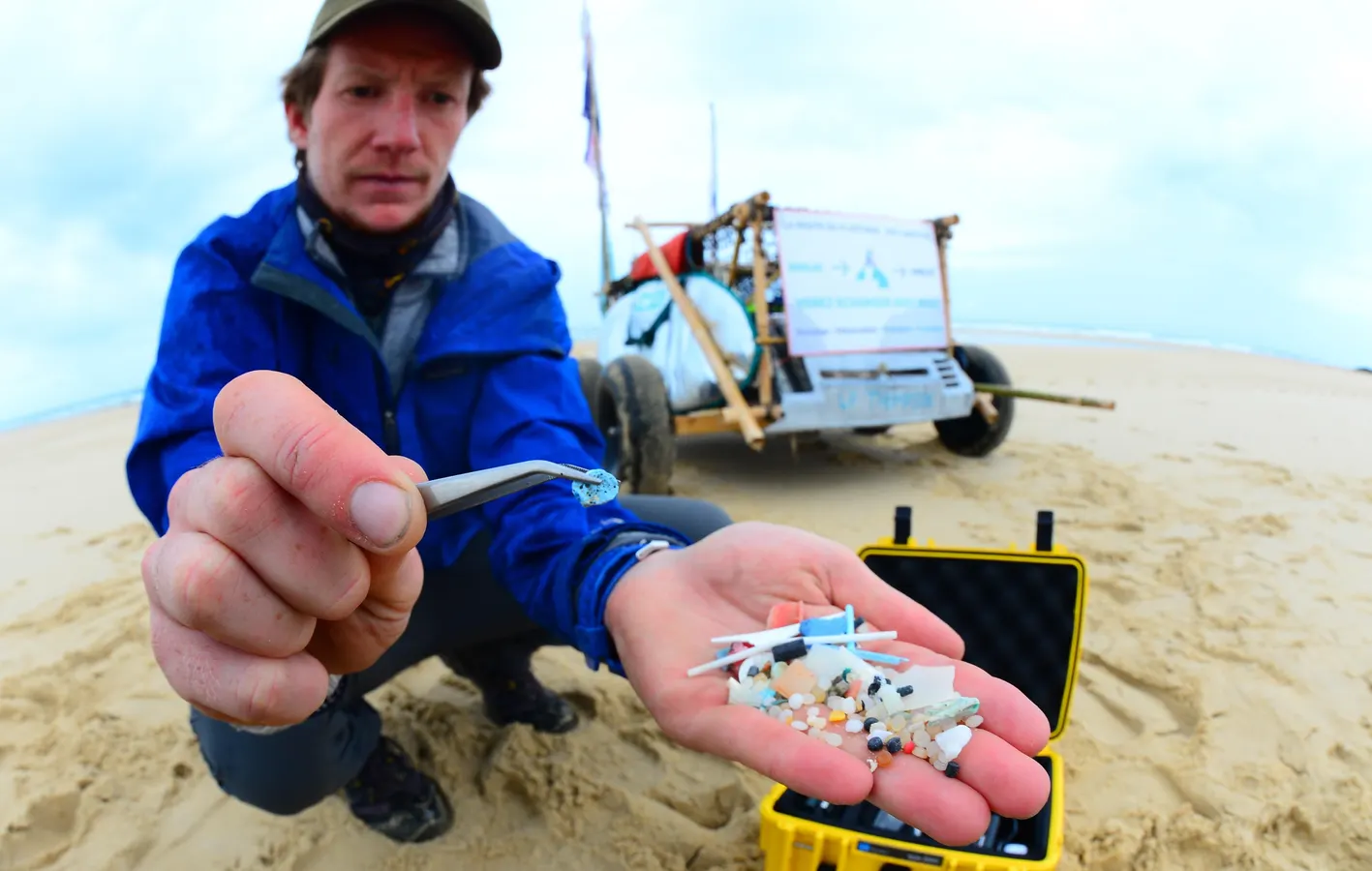
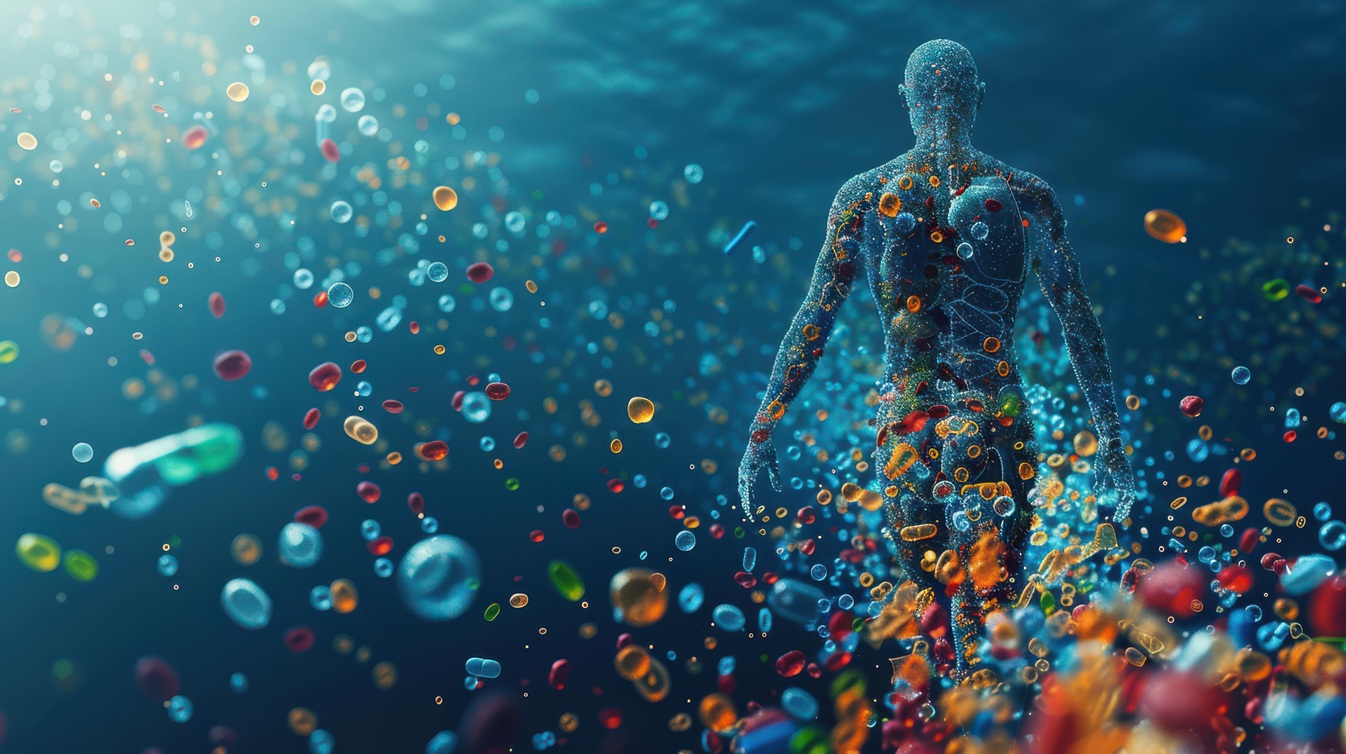
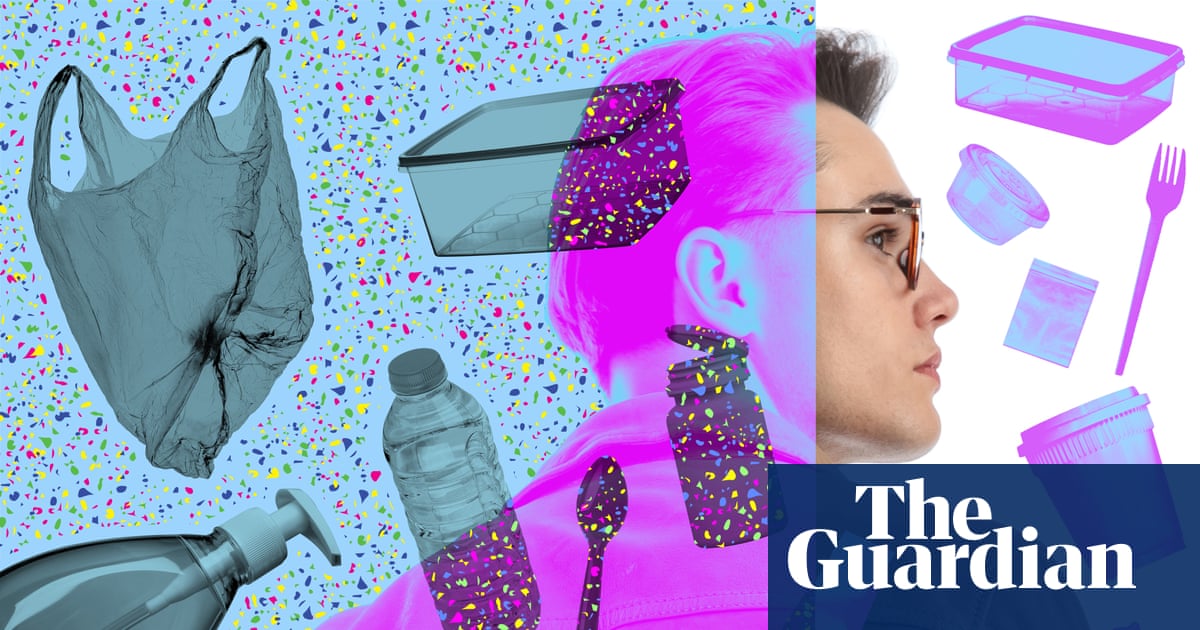
Some of these products, however, might contain microplastics — tiny pieces of plastic that contribute to environmental pollution and whose health effects are currently being studied.
But why do microplastics end up in these products? And how are they regulated across the European Union (EU)?
Euronews Tech Talks sat down with Iseult Lynch, an environmental chemist and professor at the University of Birmingham, and Hélène Duguy, an environmental lawyer for the non-governmental organisation (NGO) ClientEarth, to answer these questions.