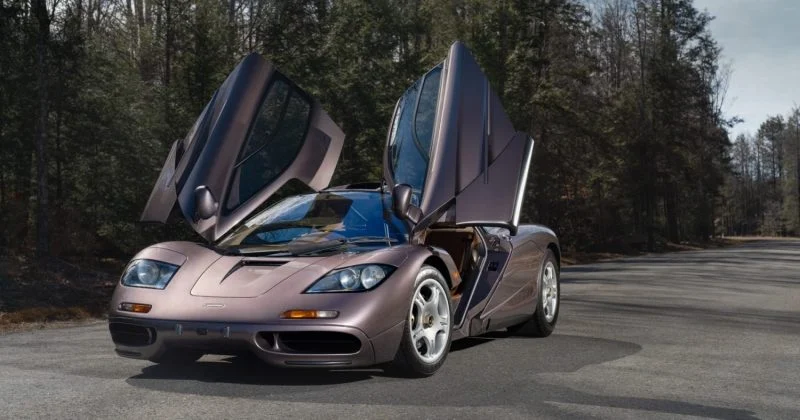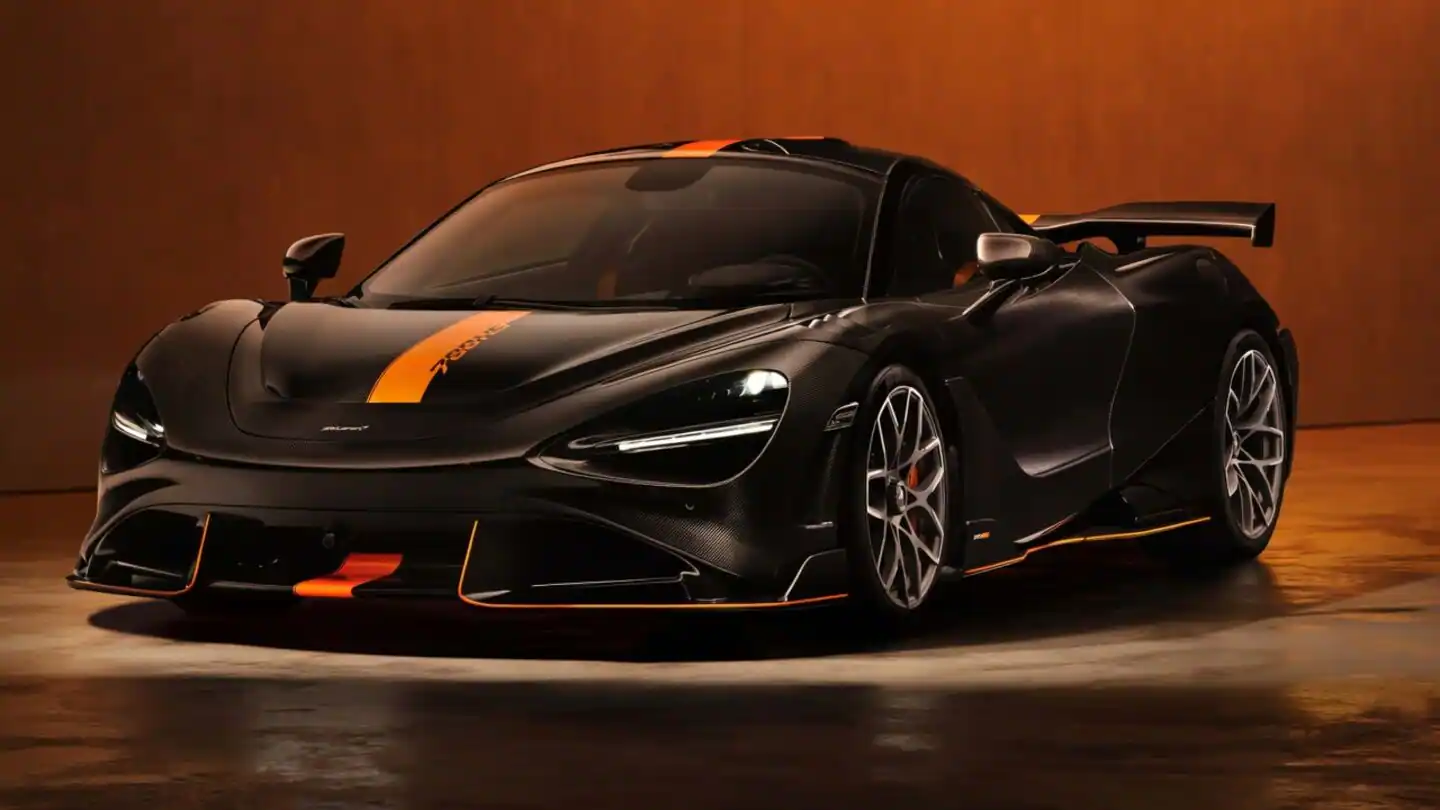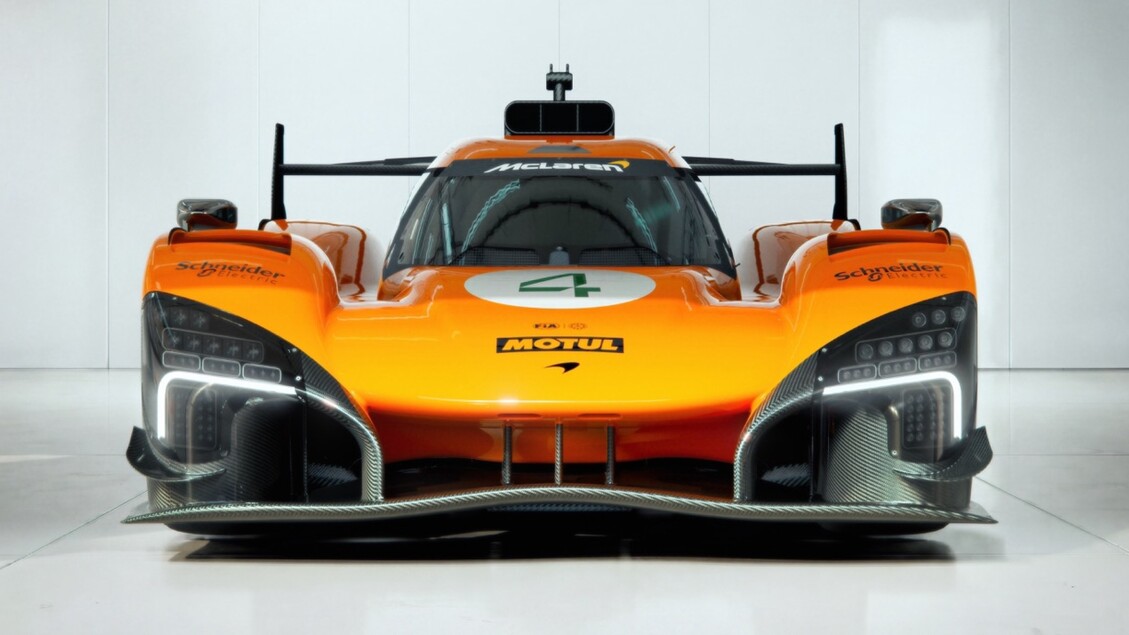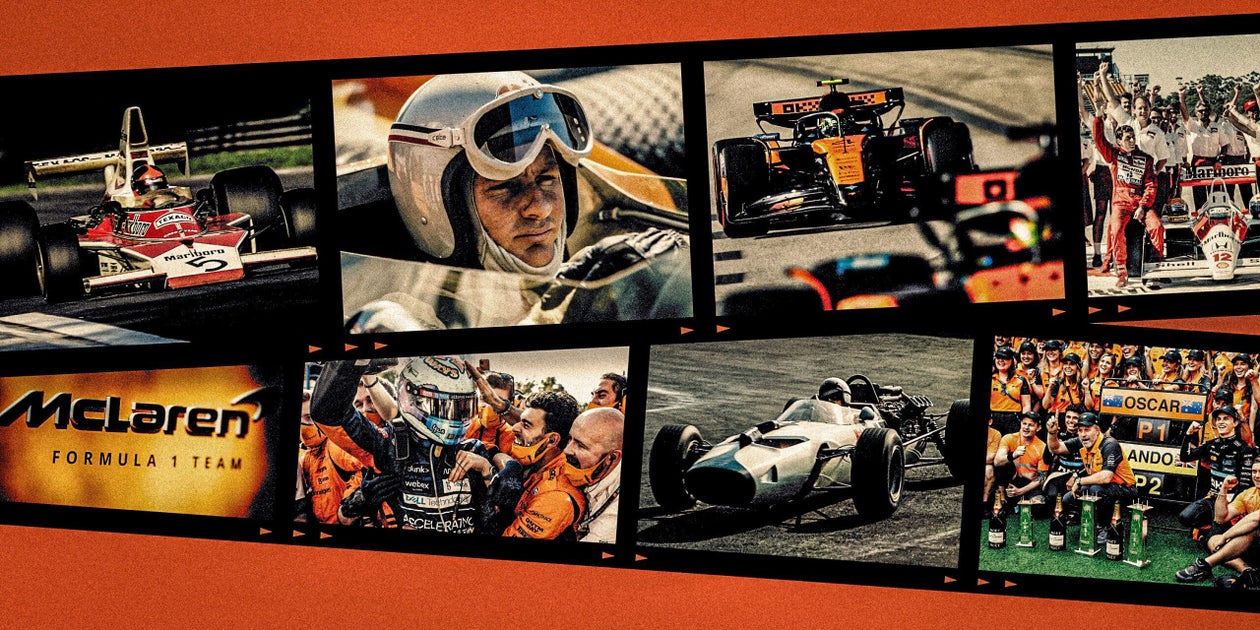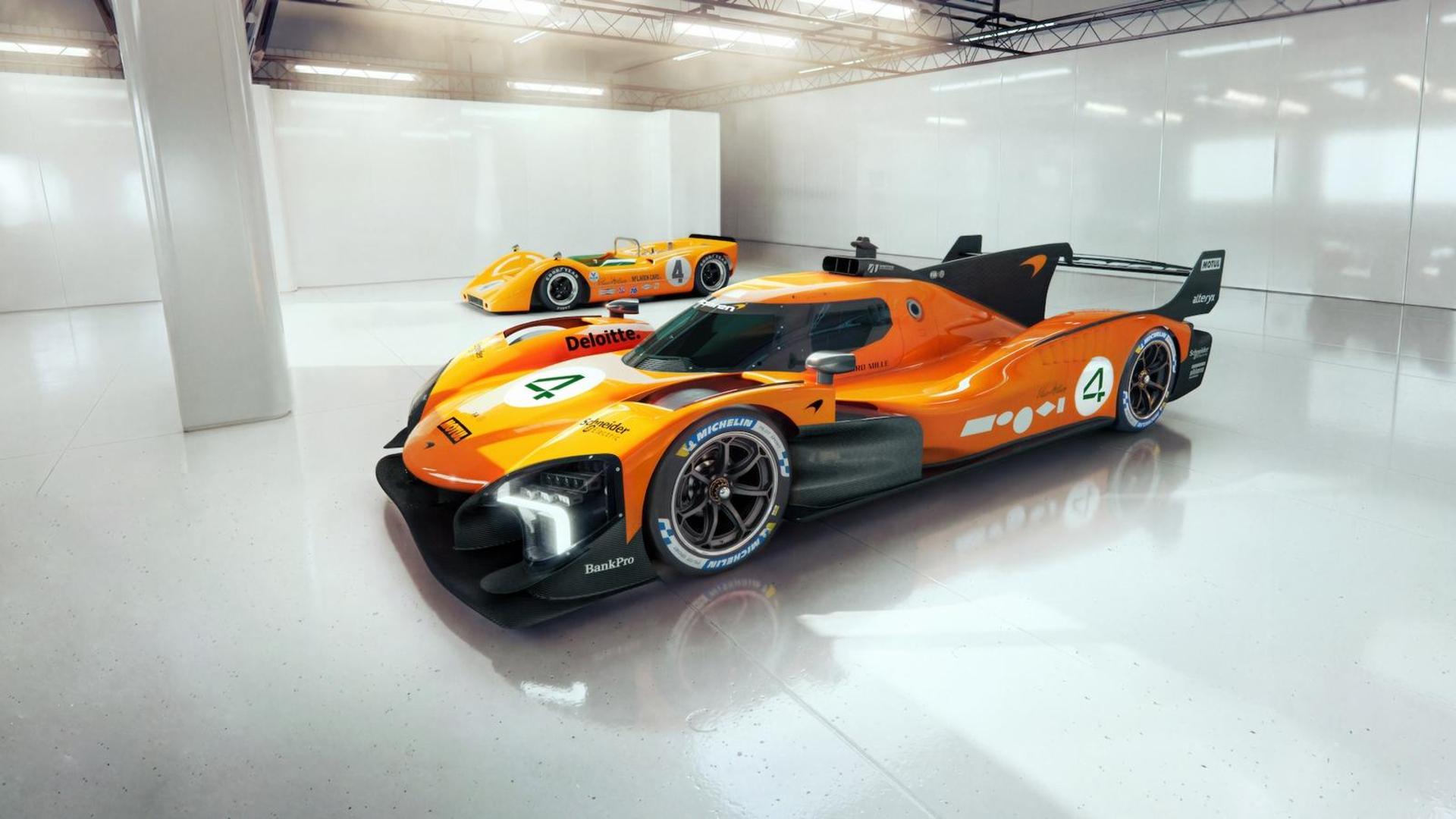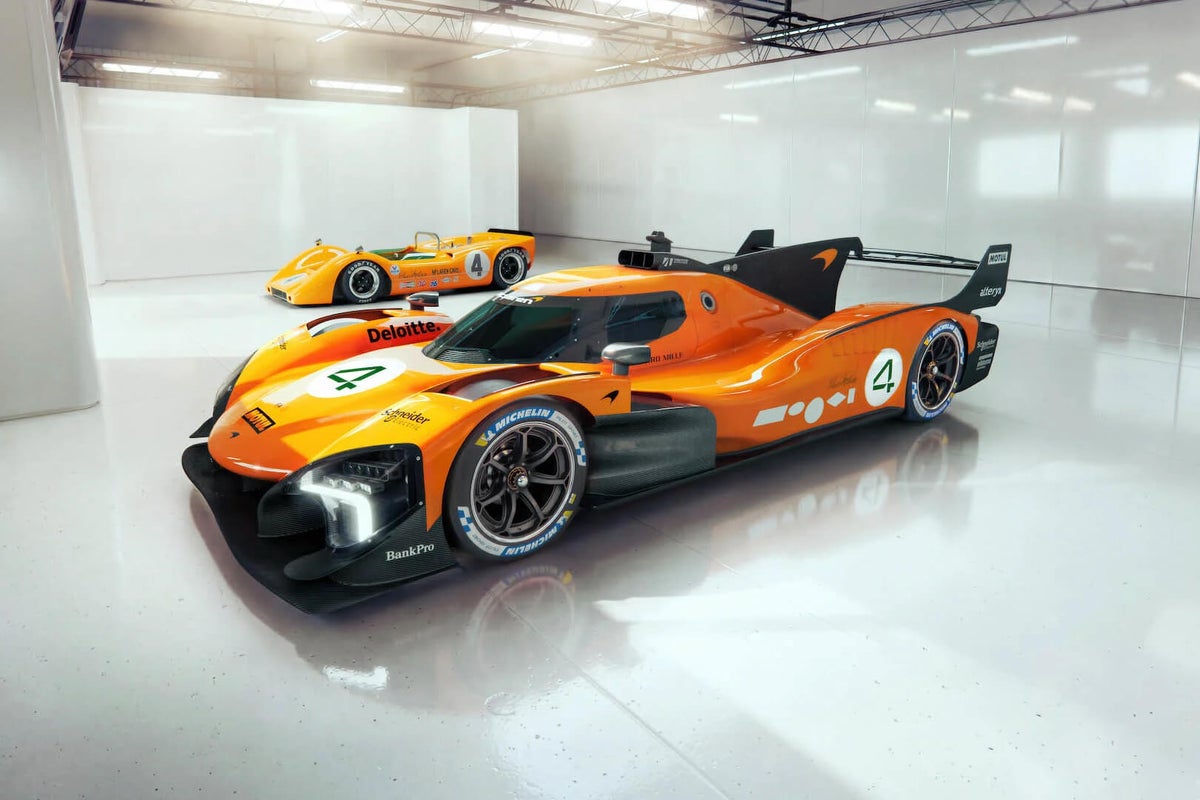
To hold the Triple Crown of Motorsport, you have to win three of the world’s great races: the 24 Hours of Le Mans, the Indianapolis 500 and the Monaco Grand Prix.It is a distinction that applies just to drivers, and only Graham Hill has ever secured the title.The Briton took the first of his five Monaco wins in 1963 with BRM, then added a 1966 victory at Indianapolis in a Lola, before a 1972 Le Mans triumph with Matra. Hill is also the only driver to have won every element under an alternative interpretation of the Triple Crown, which swaps the Monaco win for an F1 championship. Hill claimed the title twice, in 1962 and 1968.But there’s a team that has won all three races too: McLaren.And when it enters the Hypercar class of the World Endurance Championship (WEC) in 2027, it could theoretically claim another Triple Crown in a matter of weeks, having taken decades to do so previously. Such achievements would follow three Indy 500 wins in 1972, 1974 and 1976, 16 Monaco GP triumphs (the first in 1984) and the 1995 Le Mans.“It would probably be a bit greedy to go, ‘Let’s do it all in one year’. That would be unbelievable,” McLaren Racing CEO Zak Brown said last month at the 24 Hours of Le Mans.“We won Monaco last year, and we’ve been second at Indy a couple of times. I’m very optimistic we’re going to be very competitive in Hypercar. It would mean a ton. We’re the only team that have done it, but to be able to do it all in the same era, whether that’s the same year or not, would put McLaren in the record books yet again.”McLaren’s history at Le Mans stretches back to 1959 — when eponymous team founder Bruce McLaren made his debut for Cooper. He would win the famed day-long race with teammate and fellow New Zealander Chris Amon in a Ford GT car in 1966.The McLaren-BMW F1 GTR driven by Yannick Dalmas, Masanori Sekiya and JJ Lehto at the 24 hours of Le Mans in 1995. (Marcel Mochet / AFP via Getty Images)The team’s Le Mans victory came just under 30 years later, with drivers Yannick Dalmas, JJ Lehto and Masanori Sekiya in a McLaren-BMW F1 GTR.But it is a slightly more complex story than most motorsport triumphs, as the McLaren name did not feature on the entry.It was instead listed as Kokusai Kaihatsu Racing, and the car was run by the Lanzante Motorsport team. But to all intents and purposes that was a full works entry, organized by then McLaren supremo Ron Dennis and featuring several company staff working on the car during the weekend in northern France.That 1995 Le Mans project was primarily aimed at boosting sales of the McLaren F1 road car, which was the company’s first attempt at building such a machine. The F1 GTR was based on this sports car design (although it was given an F1 name).McLaren’s automotive arm has featured in the WEC’s GT3 class for models primarily based on road-car designs in recent years, with a best result of 12th in class (44th overall) taken in conjunction with the Garage 59 team at the 2026 Le Mans event a month ago. But from 2027, it will return to the top category, in the popular Hypercar class for prototype designs.The team first announced its intention to compete in Hypercar in April 2025. It has since built its MCL-HY car, which is a Le Mans Daytona h (LMDh) design. This means it must use certain standard components available to other entrants (such as the chassis monocoque and suspension arrangements) that are built by outside suppliers, rather than the car being constructed fully in-house. LMDh cars are also rear-wheel drive only.Cars that are fully built by the teams that run them in the WEC — fielded by Toyota, Ferrari, Aston Martin and Peugeot — are known as Le Mans Hypercar (LMH) designs, rather than LMDh.Designs of the latter moniker typically compete in the United States-based IMSA SportsCar Championship, where the rules have been aligned with the WEC’s top class to allow manufacturers to race in both championships with the same car.McLaren’s MCL-HY had its first full test at the Imola track in northern Italy in late May.“I’m really proud of what the team have achieved. When you write it down on paper over a year before and you achieve the (first test) date that you planned for, that’s a really big thing. A huge amount of human effort has gone into that,” says James Barclay, McLaren WEC’s team principal.“We’d planned to do our aero testing, which we did on time, and then our first full test at Imola. So, it was a really great month of May. We had fantastic mileage. When the drivers get out of the car with a smile on their face, that’s really positive. But the way I explain it to the team, when we’re discussing this, we’re a base camp. We have a Mount Everest to climb to be ready for 2027.”But come next year, McLaren won’t be the only automotive company which could theoretically claim a Triple Crown in one season.General Motors — via its Chevrolet brand, which supplies engines to IndyCar teams, and also fields full works entries in the WEC and F1 with the Cadillac marque — could make a similar claim. The only difference would be that GM does not have its own team entry in IndyCar.GM’s global motorsport competition vice-president Eric Warren told The Athletic that winning the Triple Crown is a goal for the organization.“Only one company has ever done it, McLaren, and only one driver, Graham Hill, has done it, so it’s something very unique that we’ll be looking to put up on our shelf at some point as well,” Warren said.McLaren’s Hypercar testing at Imola in May 2026 (McLaren)An important aspect for teams competing across a number of classes in world motorsport is that they can offer jobs to individuals — including engineers and mechanics — who may wish to sample different categories at different stages in their careers. These companies are then able to cross-pollinate their motorsport programs with knowledge gleaned from various disciplines.“There are different avenues that they can explore,” said Warren. “They’ve maybe spent 20 years in F1, and now they maybe have children that they want to go to a U.S. university, and they want to spend the next six to eight years in the United States. It really allows us to tap into a lot more talent.”Although Toyota triumphed ahead of BMW in the 2026 Le Mans race, Cadillac had featured prominently for much of the 24-hour contest. Its fastest car — the No 38, entered in conjunction with the Jota Sport team — retired during the night portion of the race.Cadillac and BMW, like McLaren’s upcoming WEC entry, also field LMDh designs. Since the Hypercar class was created early this decade, no LMDh design has won at Le Mans.But they have come close: in 2025, Porsche’s LMDh 963 car came home just 14 seconds behind the winning Ferrari Hypercar, while this year, Toyota beat BMW by just 11 seconds.Such tight competition makes the job for McLaren’s potential Triple Crown challenger harder. But that it has the potential to update what has generally been a motorsport pursuit of long-gone eras makes for an intriguing new element for fans in the 2020s.“One of the things I’ve always loved about McLaren is we race in different disciplines. We won Le Mans on our debut, we won Can-Am (a now defunct but prestigious sports-car championship McLaren dominated in the 1960s and early 1970s to fund its F1 team), we won our first Indy 500 and the first (F1) world championship in the same year (1974), so it’s always been kind of a vision to get McLaren back into IndyCar, back into sports cars.“The vision is complete, but the mission isn’t.”Another McLaren Triple Crown coronation would complete that challenge.
McLaren enters Hypercar competition aiming for another Triple Crown
McLaren enters the Hypercar class of the World Endurance Championship in 2027 and is setting its sights on another Triple Crown of racing.
1,331 words~6 min read