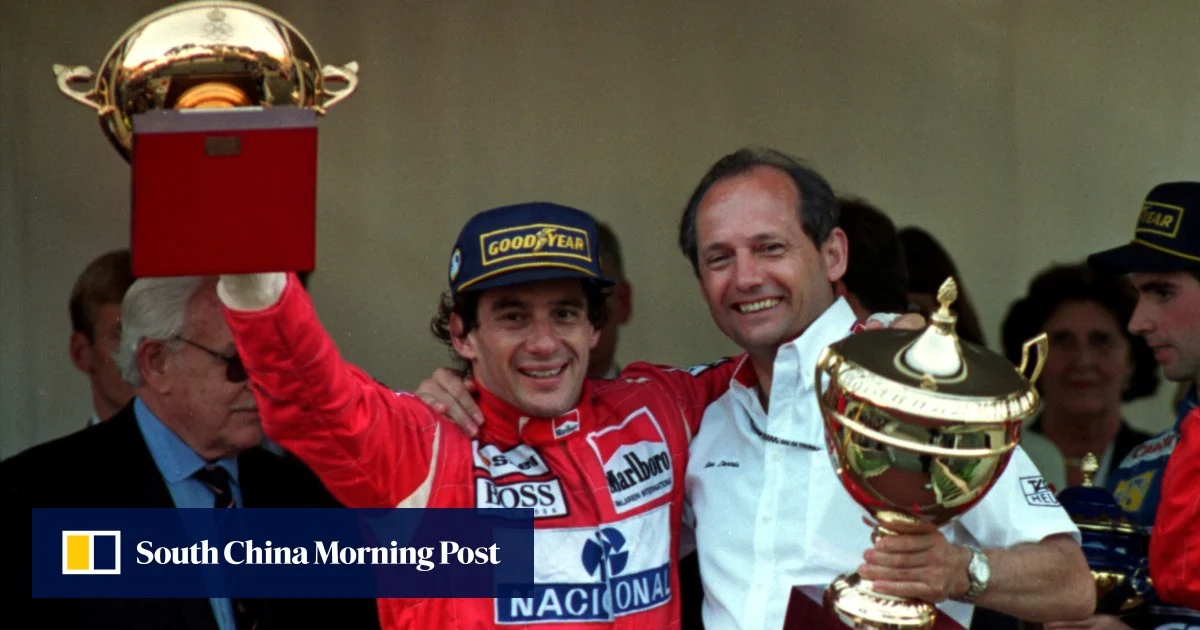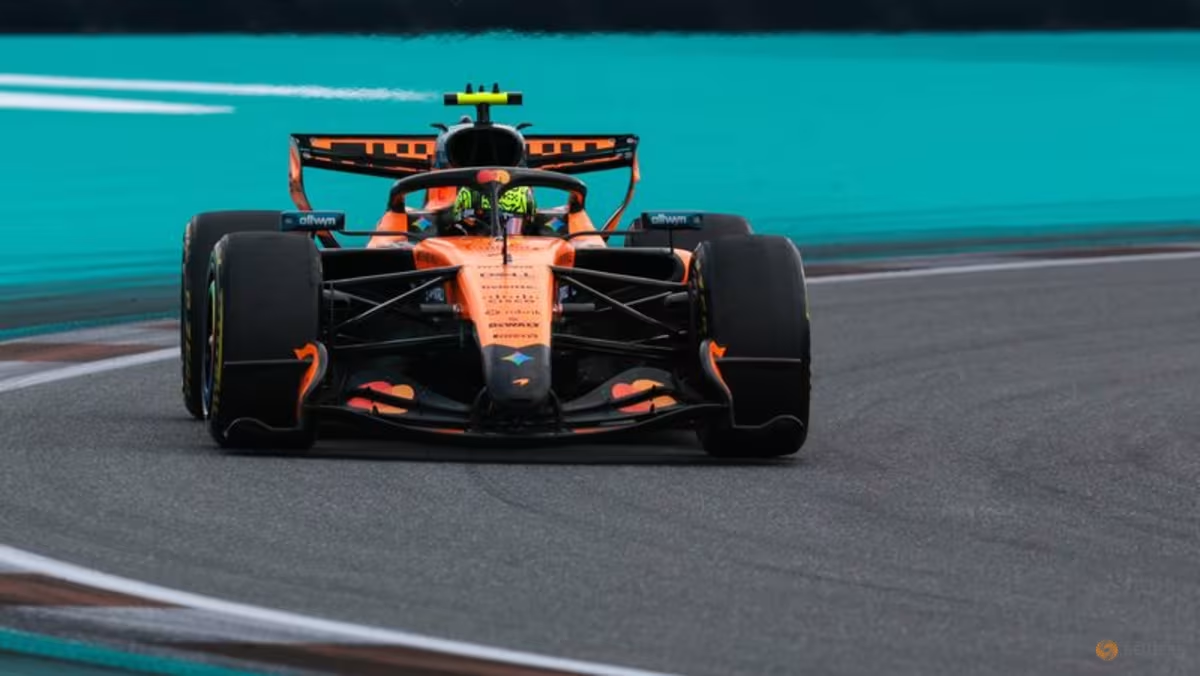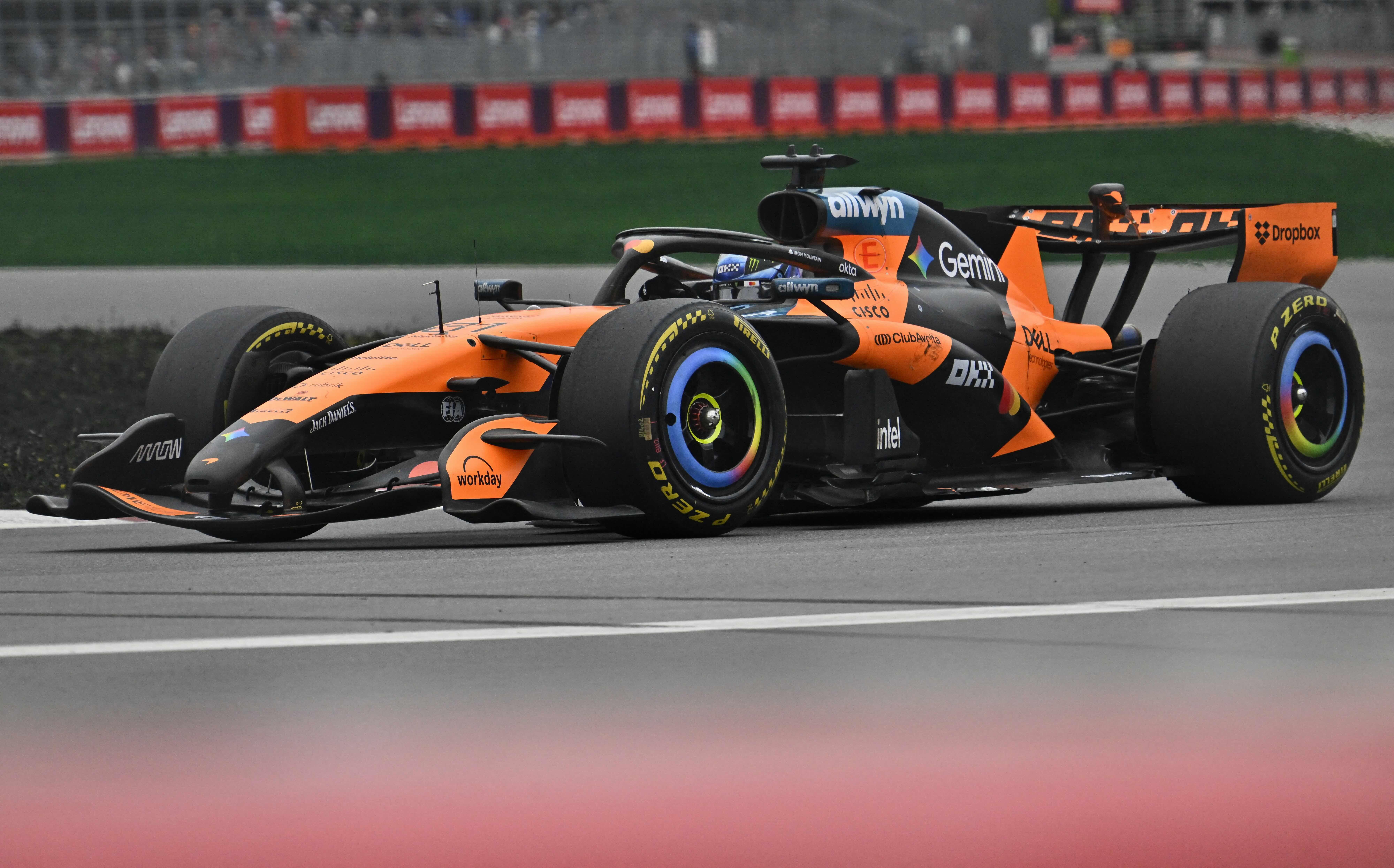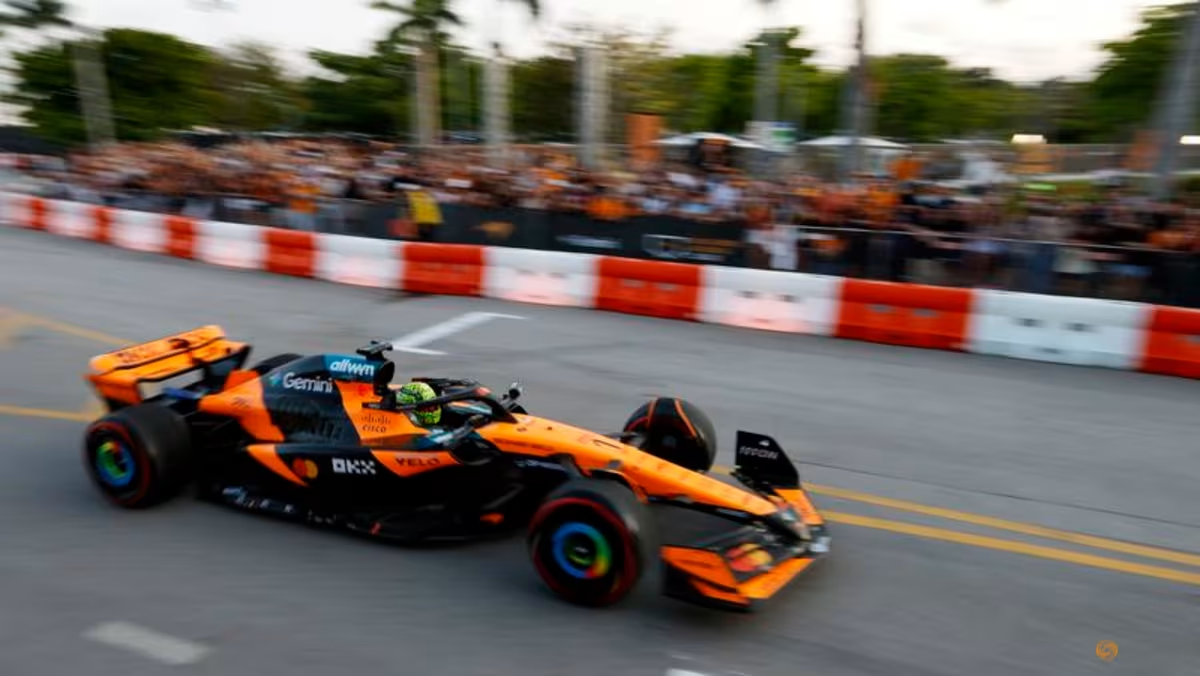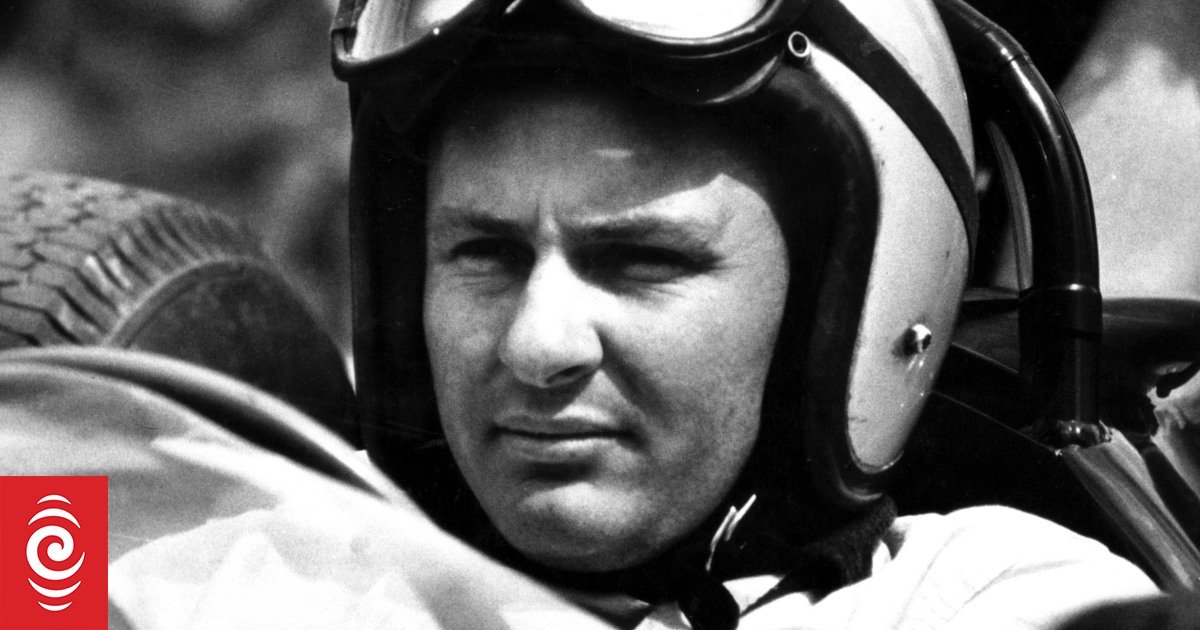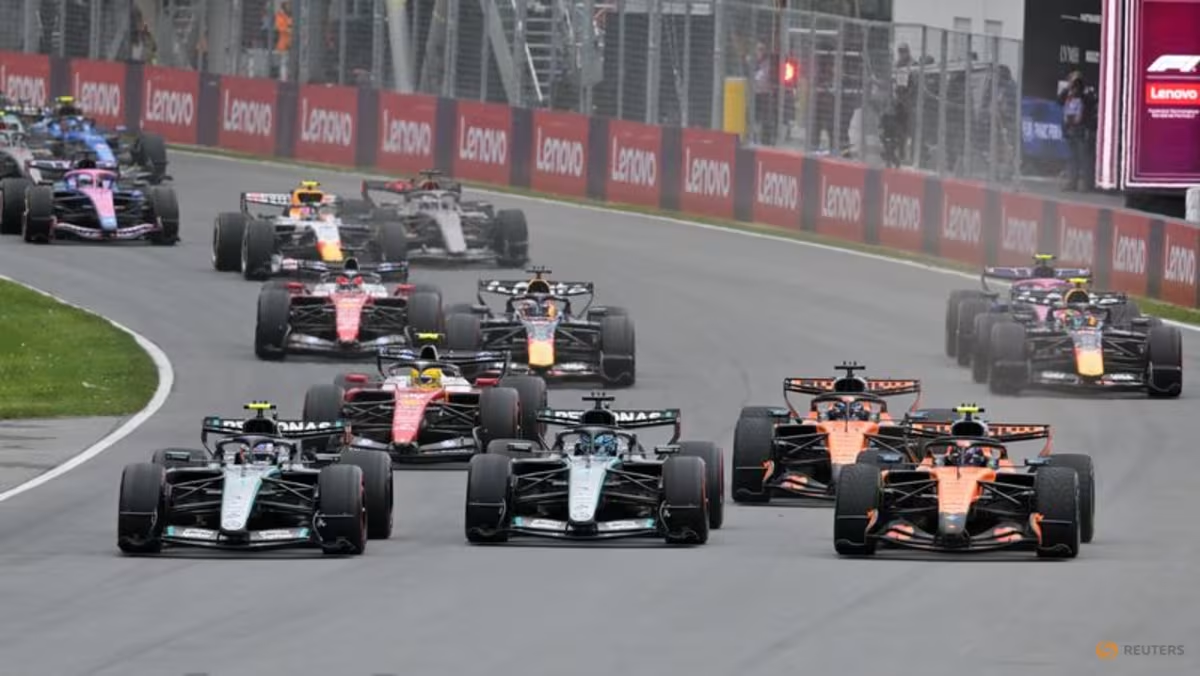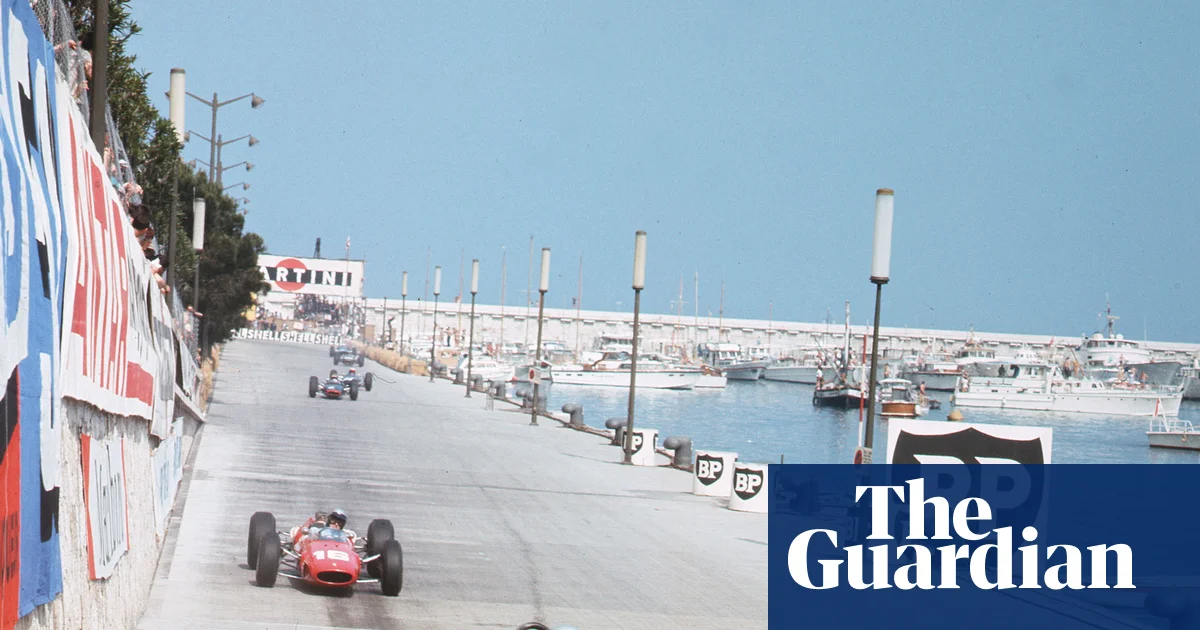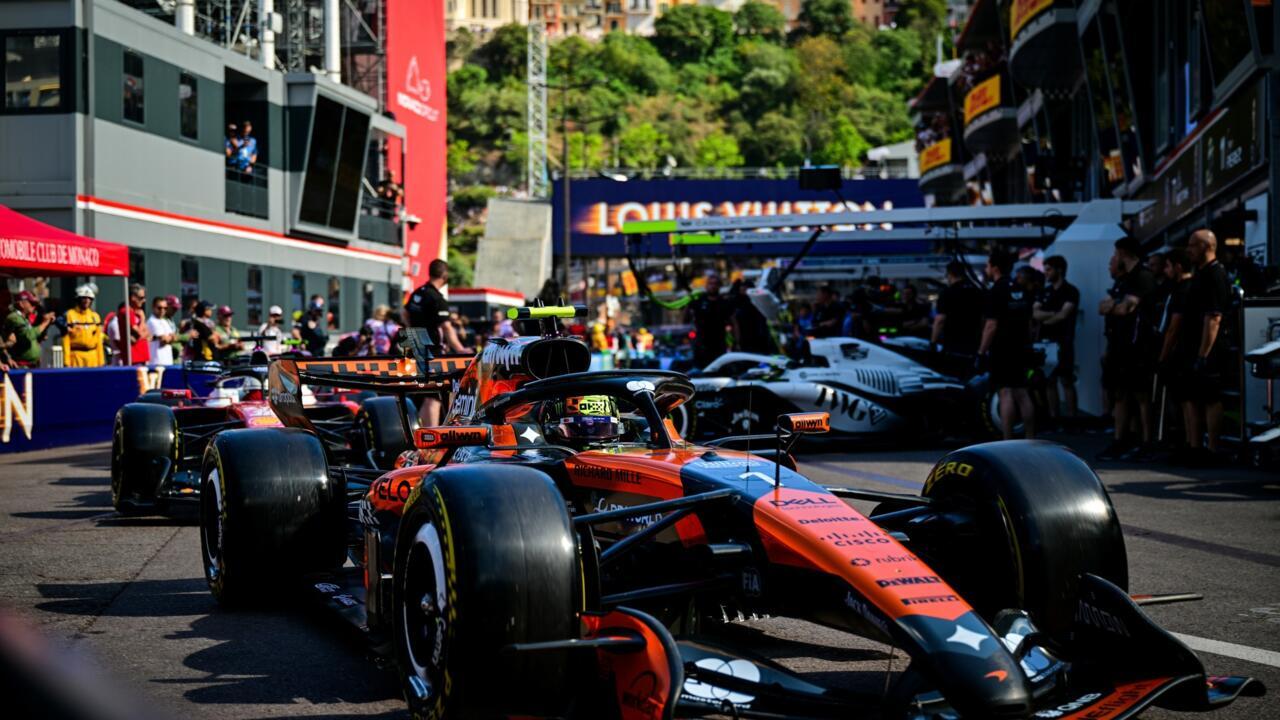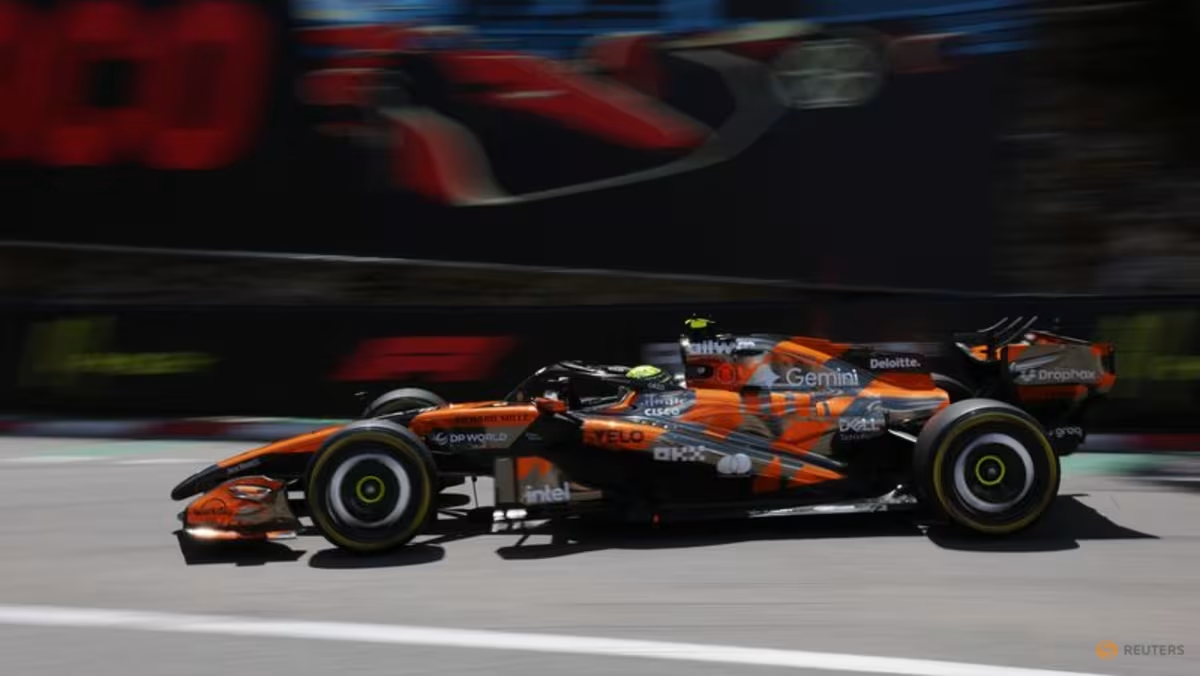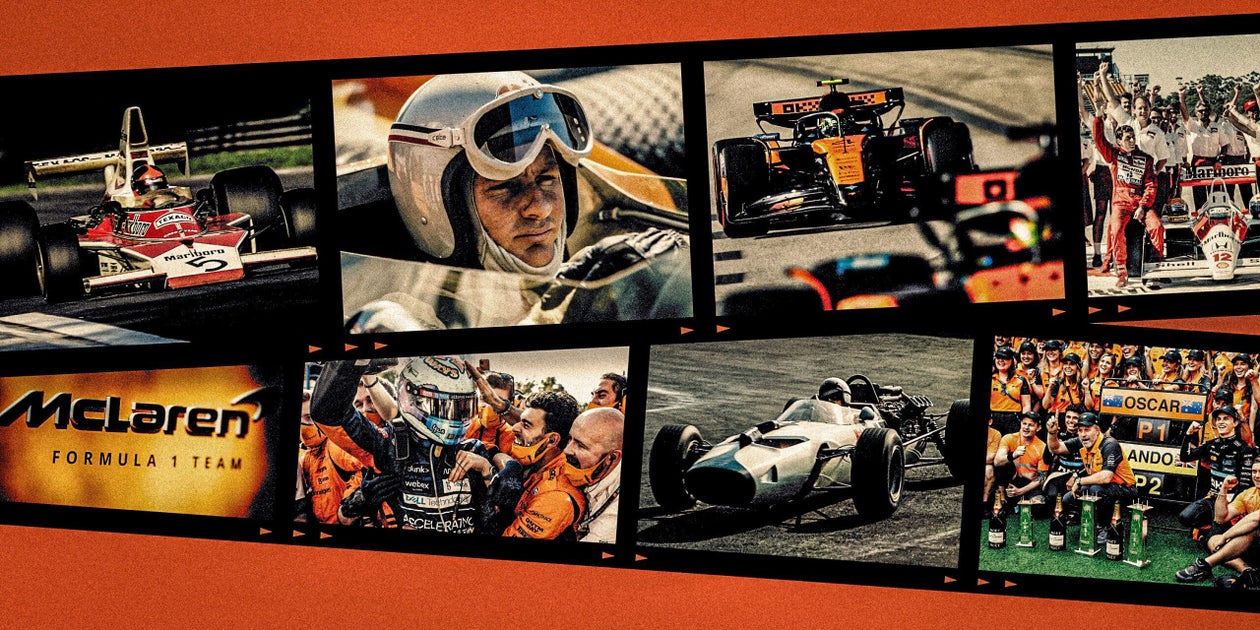
MONACO – Sixty years ago, Bruce McLaren turned up for the Monaco Grand Prix ready to start a bold new chapter of his racing career.McLaren had enjoyed success as a driver before, winning grands prix and finishing as runner-up in the world championship. But for the first time at the 1966 race, he was driving a car bearing his own name: the McLaren M2B.This weekend, McLaren returns to Monaco to celebrate its 1,000th grand prix, only the second team to do so after Ferrari in 2020. It was due to mark the occasion at May’s Miami Grand Prix, only for the cancellation of races in Bahrain and Saudi Arabia to delay plans by a few weeks.To mark the occasion, McLaren brought Bruce’s first F1 car, complete with its original white and green livery, to Monaco on Thursday for a special lap driven by Mika Häkkinen, a two-time world champion with McLaren and winner in Monaco 28 years ago.After the lap, McLaren’s current drivers, Lando Norris and Oscar Piastri, were joined by a collection of the team’s champions and grand prix winners – including Häkkinen, Lewis Hamilton, Emerson Fittipaldi and David Coulthard – on the grid to pose with the 1966 car and 2026 cars altogether. All of the team’s past race winners had been invited to take part in the celebration.“I’ll always have a soft spot for McLaren,” said Hamilton, who won his first of seven world titles with the team back in 2008. He went on to praise Zak Brown, McLaren Racing’s CEO since 2016, for helping turn the team around.For Brown, who stood in the photo alongside Norris, Piastri and team principal Andrea Stella, McLaren’s history is a key part of its identity and must be cherished.“I’m still trying to carry forward Bruce’s legacy,” Brown told The Athletic.At the McLaren Technology Center, its F1 headquarters in Woking, England, the main ‘boulevard’ space upon entering the factory is lined with the greatest cars from its history. It serves to highlight iconic drivers through McLaren’s F1 history, with cars from world champions including Ayrton Senna, Alain Prost, Hamilton and Fittipaldi.Fittipaldi won McLaren’s first world championship in 1974, four years after Bruce McLaren died in a testing accident at the Goodwood track in southern England. But it was the 1988 title win by Senna, defeating teammate and reigning champion Prost, that left a lasting impression on Brown and turned him into a McLaren fan for life.“I always thought McLaren was the coolest racing team in the world,” he said.But by the time Brown, who’d abandoned his own racing aspirations to embark on a successful business career in motorsport, got the keys to McLaren at the end of 2016, the team had fallen from its pedestal. It hadn’t won a world championship since 2008 or even finished on the podium since the start of 2014, and its car featured only a handful of sponsors. A new engine partnership with Honda had proven disastrous and thoughts of a title fight were distant.“We had a great brand, but the brand wasn’t in great shape,” Brown said of his first impressions upon taking charge. “But you can’t take away the great history that we had. That was something I knew we could build off of.”The nod to the past came immediately, as Brown switched McLaren’s F1 livery to papaya orange — adopted by Bruce McLaren in 1968 and last used by the team in F1 six years later — from 2017. Brown said this was a move was motivated by the team’s fans, who disliked the dark colors the team was using the mid-2010s.
McLaren reaches 1,000 F1 races as a reborn giant. The hardest part may still be ahead
McLaren is celebrating reaching 1000 GPs in 2026. But it's no longer F1's top team and has to overhaul another dominant rival
1,807 words~8 min read