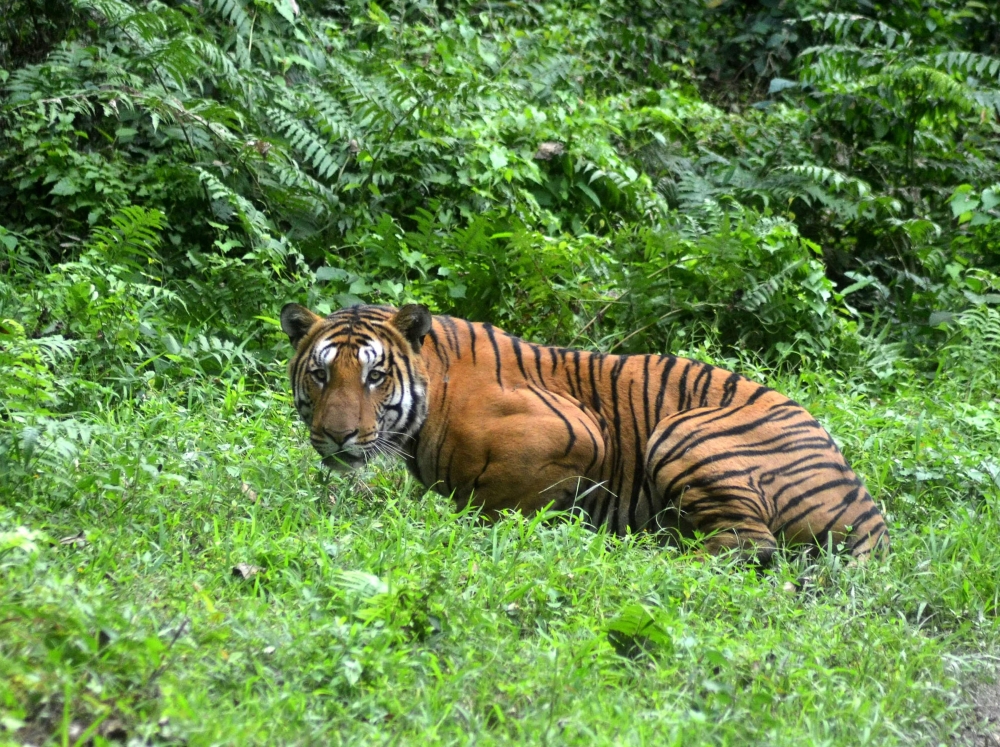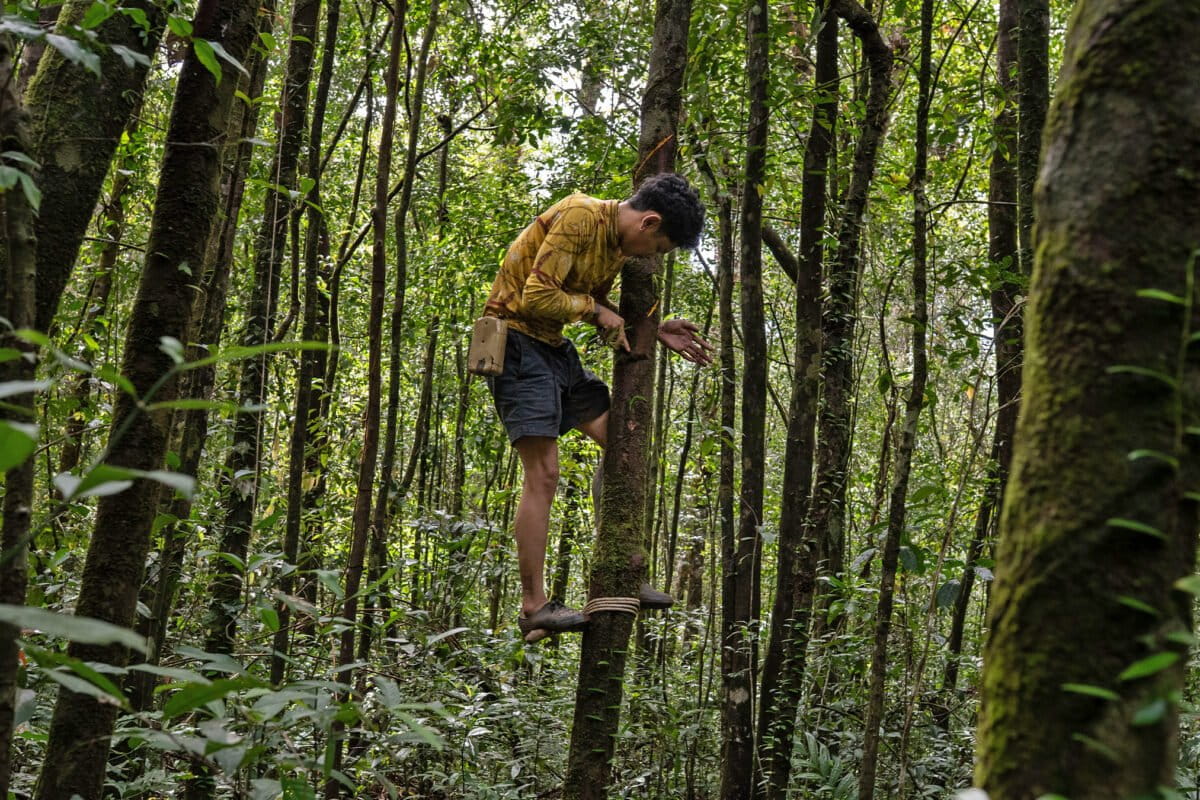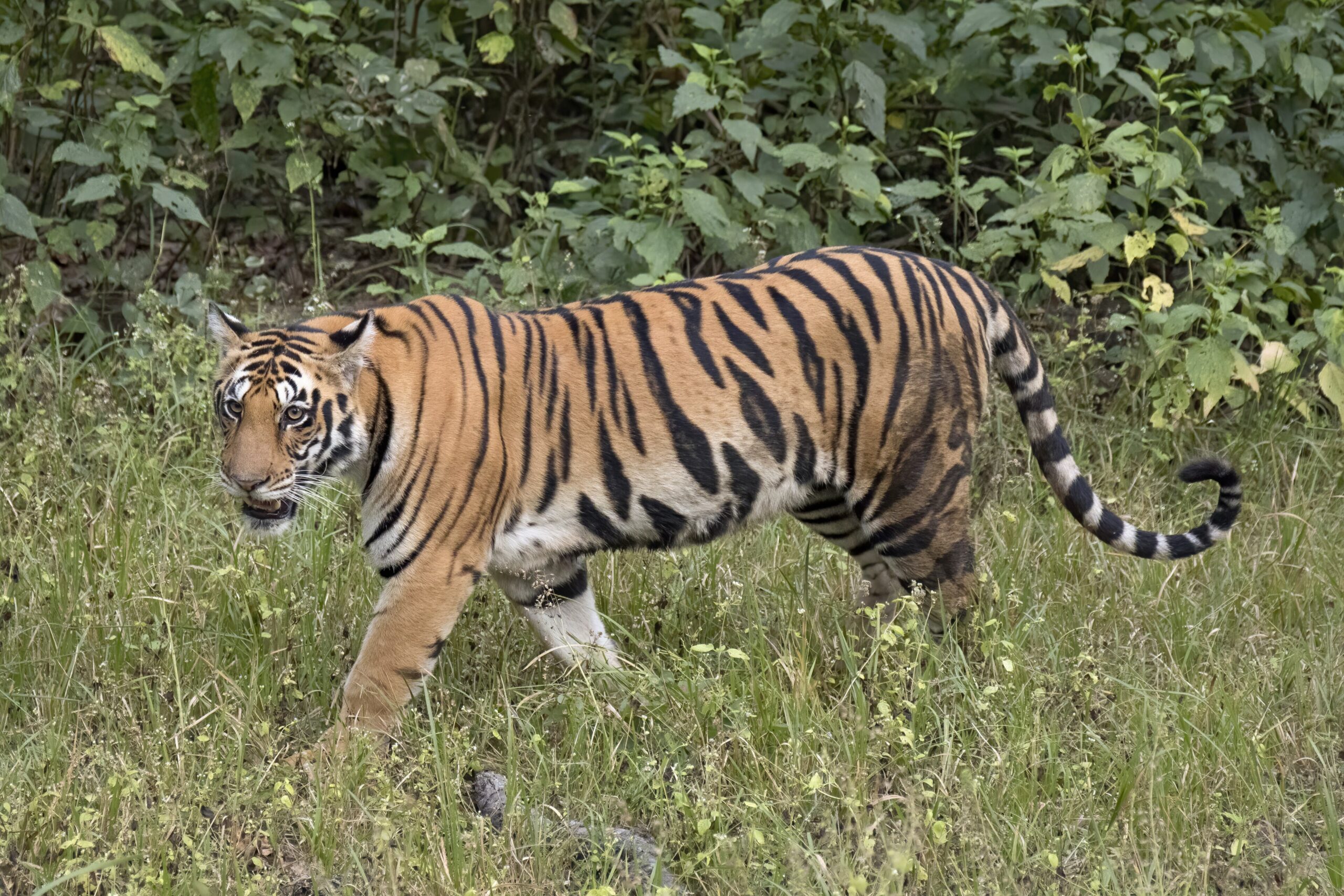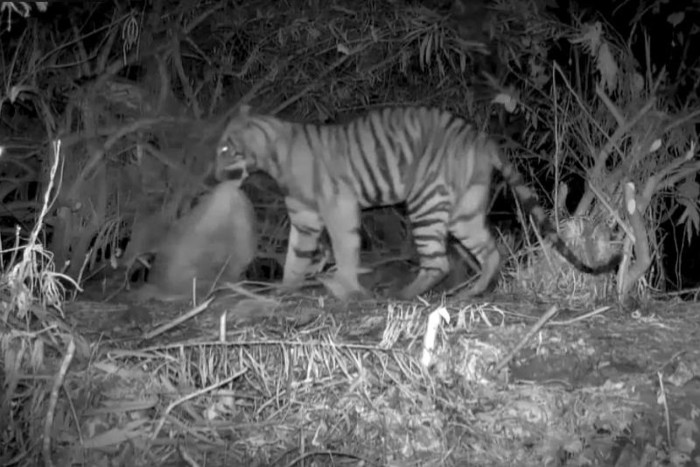
So he is "not happy" about a plan to reintroduce the big cats, a decade after they were declared extinct in Cambodia."I saw the tiger take him with my own eyes," he said, describing the attack that took place over 30 years ago. "He was screaming but we couldn't help him."Cambodia's last confirmed tiger sighting was in 2007 camera trap footage but conservationists say they may soon be able to reintroduce the big cats.
Reintroducing tigers could boost protection of Cambodia's landscapes, restore an iconic apex predator and even boost tourism © TANG CHHIN Sothy / AFP
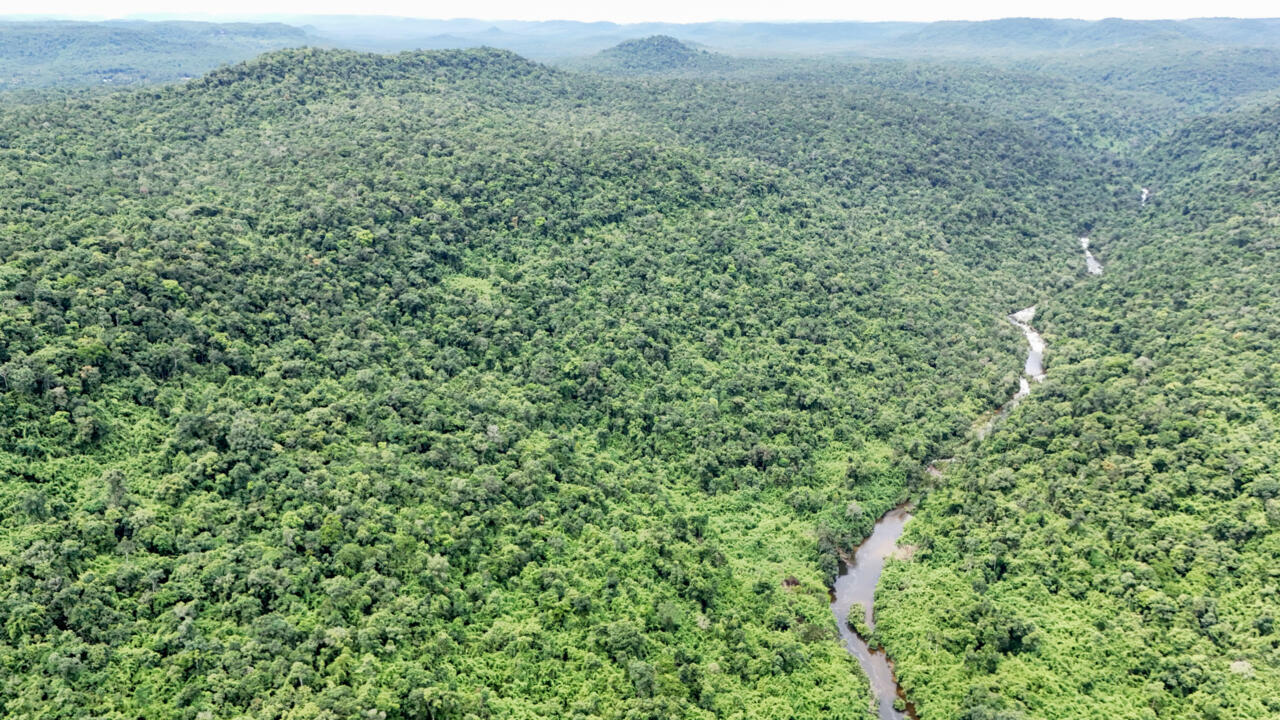
The plan would see India send several of its more than 3,600 tigers to southwest Cambodia's Cardamom Mountains, a protected expanse of lush rainforest stretching over a million hectares.Reintroducing tigers could boost protection of Cambodia's landscapes, restore an iconic apex predator and even boost tourism, said Jimmy Borah of Indian environmental group Aaranyak, who serves as a consultant to Cambodia's government on the reintroduction.It "would be a conservation message to the world, that this can be done", he told AFP.But there are risks.Poaching has decimated Cambodian wildlife, creating doubts about about whether the Cardamoms has enough prey for tigers to eat.Deforestation continues to erode their proposed new habitat, driven particularly by dam projects -- and local residents say they have not been consulted.'Doomed'Indian tiger biologist Ullas Karanth once led surveys of Cambodia's tigers, and said the big cats and their prey "went extinct as we watched".He fears prey availability has not recovered enough to support tigers, who could starve."The tiger diplomacy of the last 10 years to dump tigers from India into that rampant hunting culture is doomed, I believe," he told AFP.Borah argues camera trapping shows enough prey for initial arrivals and that "the conservation message is more important right now than worrying about prey availability".Tigers were supposed to start arriving in 2024.