AFP, CARDAMOM NATIONAL PARK, Cambodia
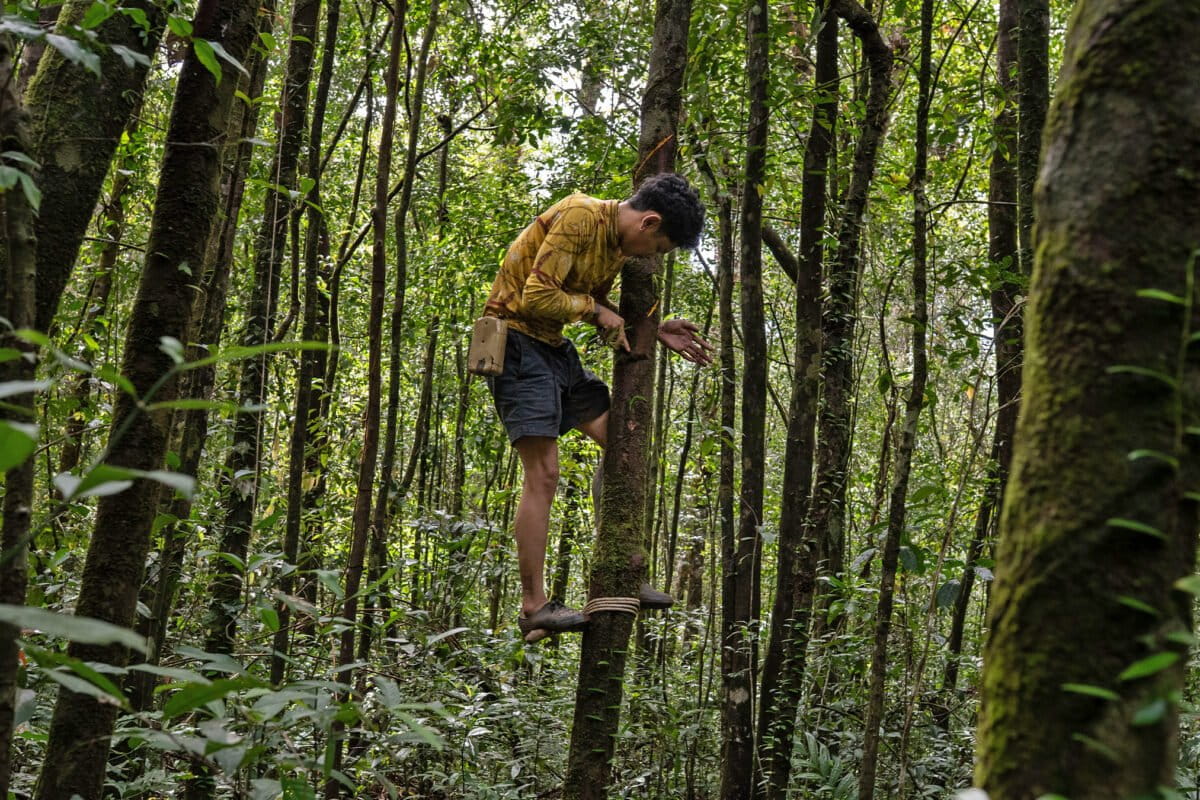
Pan Sok still remembers his relative screaming as a tiger dragged him away one night, deep inside the Cambodian rainforest where they were tapping trees for resin.So he is “not happy” about a plan to reintroduce the big cats, a decade after they were declared extinct in Cambodia.“I saw the tiger take him with my own eyes,” he said, describing the attack that took place more than 30 years ago. “He was screaming, but we couldn’t help him.”
A sign is pictured on a road to a tiger station in Cardamom National Park in Cambodia on June 11.
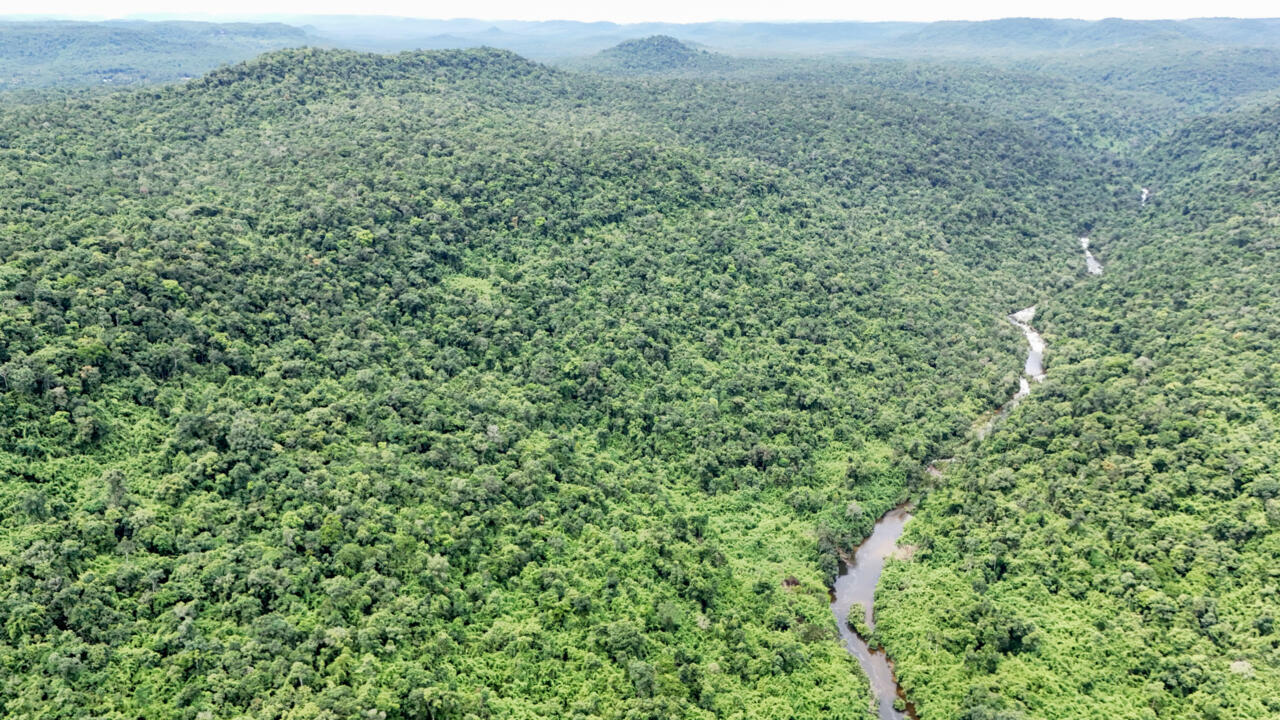
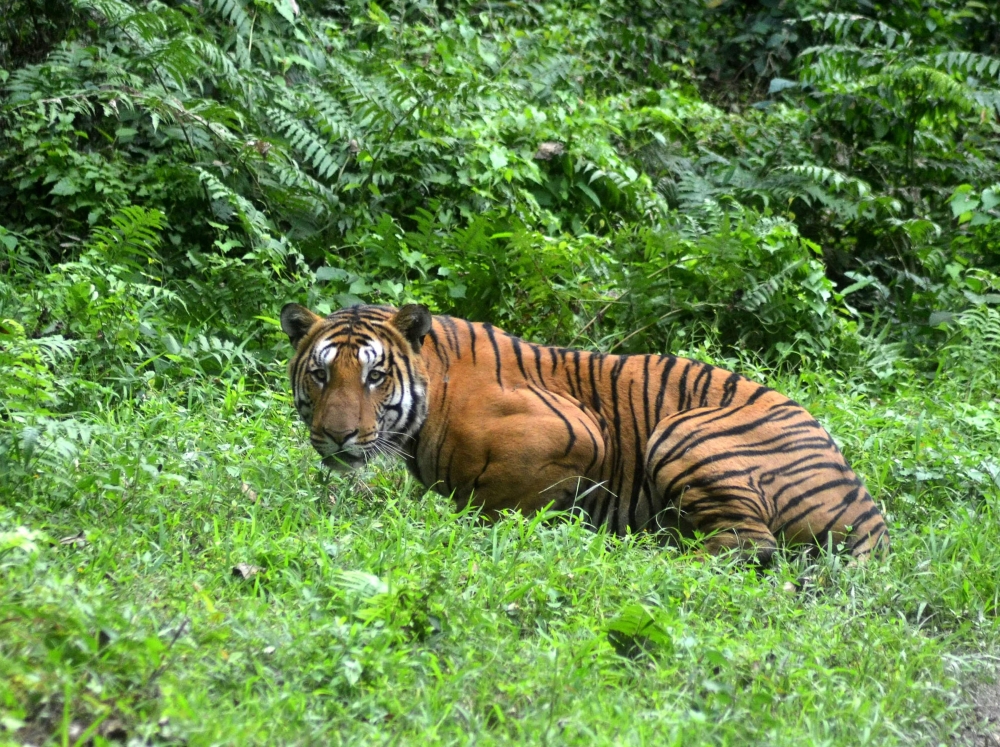
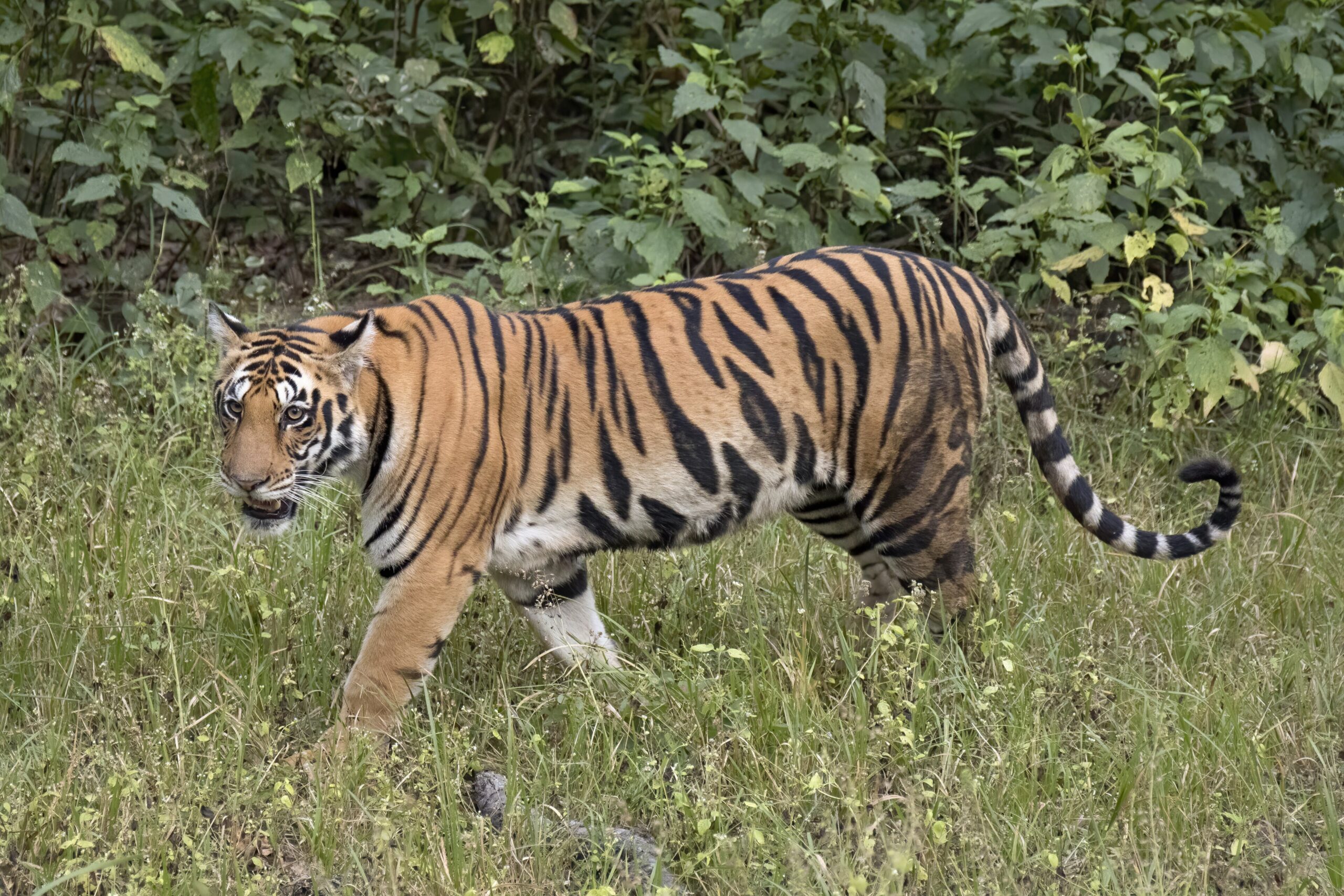
Cambodia’s last confirmed tiger sighting was in 2007 camera trap footage, but conservationists say they might soon be able to reintroduce the big cats.The plan would see India send several of its more than 3,600 tigers to southwest Cambodia’s Cardamom Mountains, a protected expanse of lush rainforest stretching over about 1 million hectares.
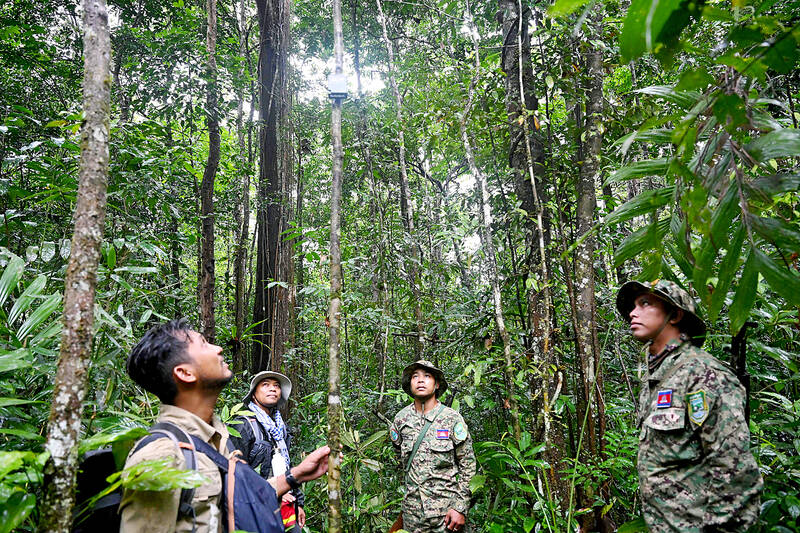
Reintroducing tigers could boost protection of Cambodia’s landscapes, restore an iconic apex predator and even boost tourism, said Jimmy Borah of Indian environmental group Aaranyak, who serves as a consultant to Cambodia’s government on the reintroduction.It “would be a conservation message to the world, that this can be done,” Borah told reporters.However, there are risks.Poaching has ravaged Cambodian wildlife, creating doubts about about whether the Cardamoms has enough prey for tigers to eat.Deforestation continues to erode their proposed new habitat, driven particularly by dam projects — and local residents say they have not been consulted.Indian tiger biologist Ullas Karanth once led surveys of Cambodia’s tigers, and said the big cats and their prey “went extinct as we watched.”Karanth fears prey availability has not recovered enough to support tigers, which could starve.“The tiger diplomacy of the last 10 years to dump tigers from India into that rampant hunting culture is doomed, I believe,” he told reporters.Borah said that camera trapping shows enough prey for initial arrivals and that “the conservation message is more important right now than worrying about prey availability.”Tigers were supposed to start arriving in 2024, but concerns about their new habitat and the suspension of a carbon credit project that had been expected to contribute funding delayed the plan, sources said.In May, the Cambodian Ministry of the Environment approved a new roadmap.A copy proposes that tigers begin arriving from next year, although funding is still being negotiated, the sources said.The tigers would start their new lives in a 40 hectare enclosure at the end of a red dirt track, about 4km from the nearest main road and local resident Lin Meng Ma’s home.The 49-year-old lives with her daughter in an open-front wooden home meters from a dilapidated sign reading “Tiger Reintroduction Project.”She only learned about the reintroduction plan after asking rangers about discussions she had overheard.“We were afraid, my house is very close, but they told us they would be in a fenced area and then move deep inside the forest,” she said.Her main objection now is the cost: just under US$43 million until 2030, a draft budget showed.“I don’t think it is useful to spend this money on tigers,” she said.