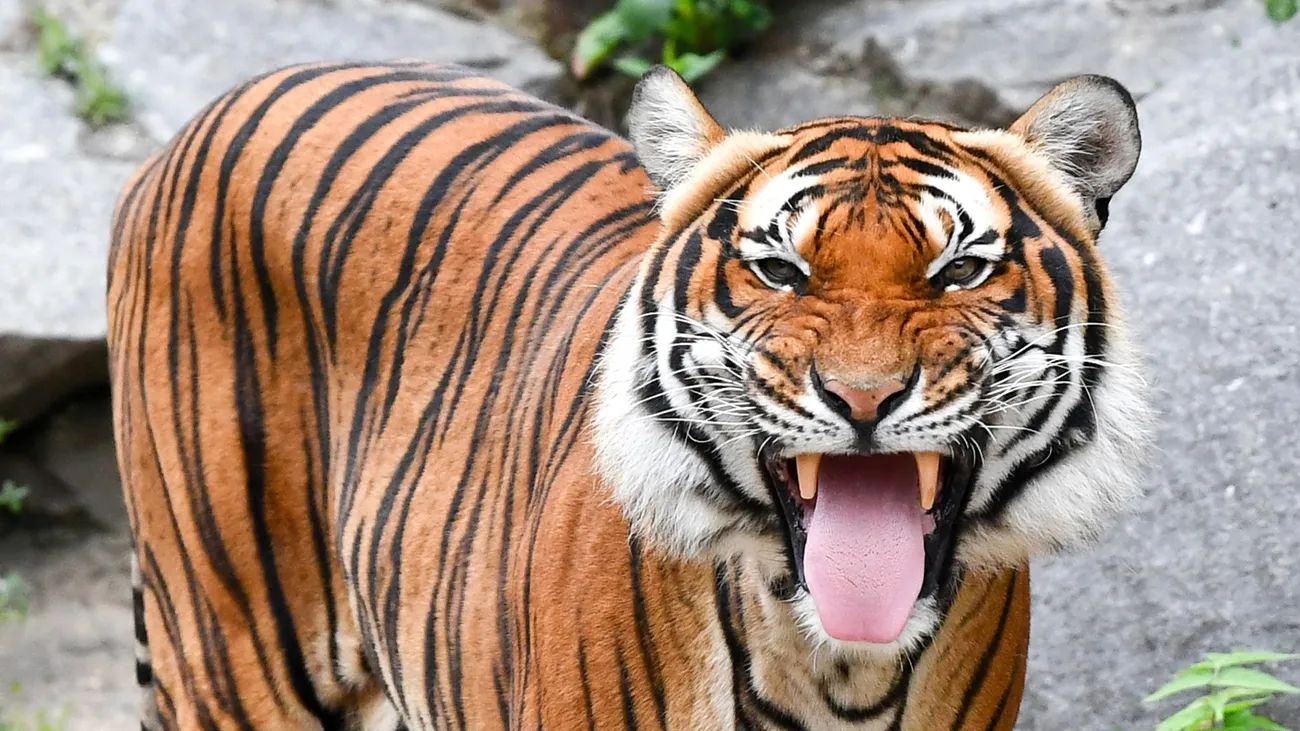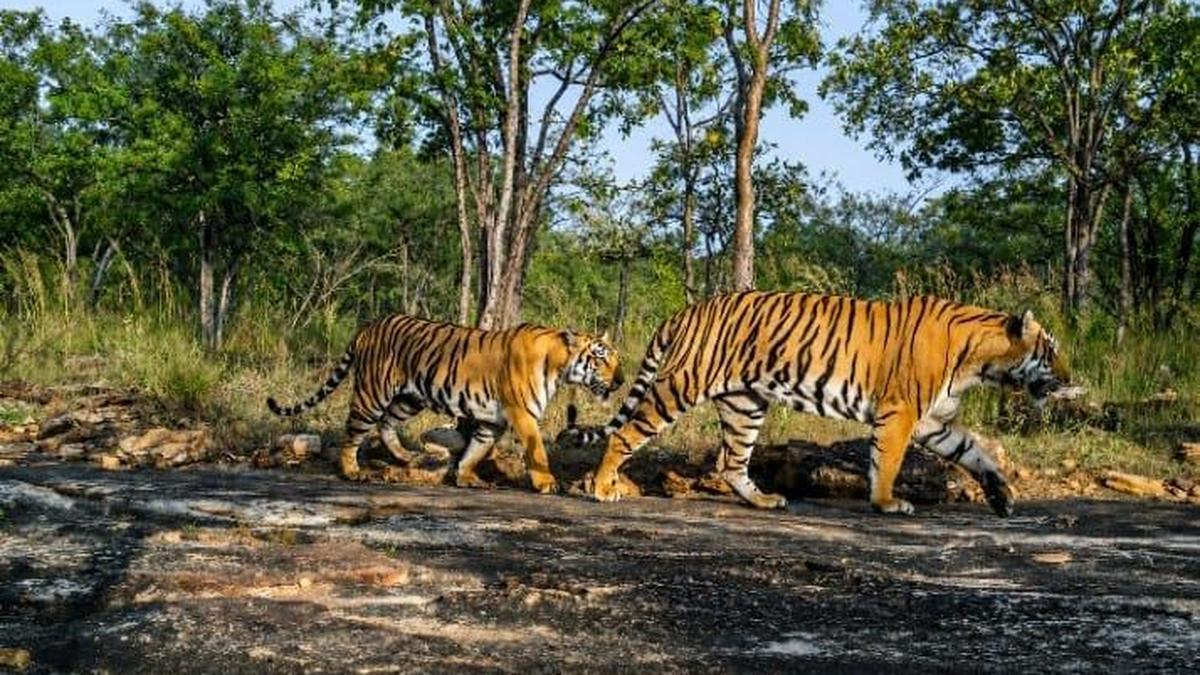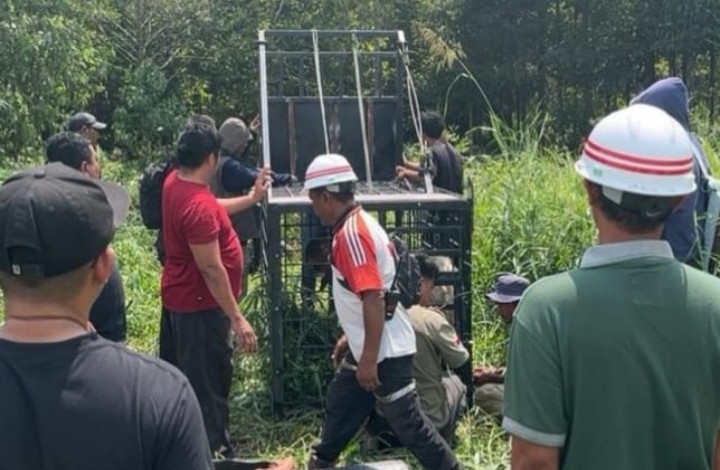
A camera captures an image of a cub, around 18 months old. Authorities on Thursday confirmed it was the tiger involved in the killing of the ranger. (Photo: Department of National Parks, Wildlife and Plant Conservation)
The tragic death of a forest ranger at the jaws of a tiger has prompted grief and difficult questions. Was this an isolated incident, or a warning sign of a growing overlap between humans and Thailand's recovering tiger population? This explainer explores the latest findings, the behaviour of wild tigers and the measures being taken to prevent such a tragedy from happening again.Grisly discovery: The open shelter where Huai Kha Khaeng Wildlife Sanctuary ranger Sakarin Wichachan spent the night before disappearing. Wildlife officers later found signs of an animal dragging prey along Thap Salao stream and discovered his body about 200 metres away, bearing animal bite marks, near fresh tiger footprints.
Sakarin Wichachan, a ranger at Huai Kha Khaeng Wildlife Sanctuary in Uthai Thani province, was killed early on Wednesday in what wildlife officials described as an exceptionally rare tiger attack. Authorities stressed that tigers do not normally prey on humans and said the circumstances surrounding the attack remain under investigation.