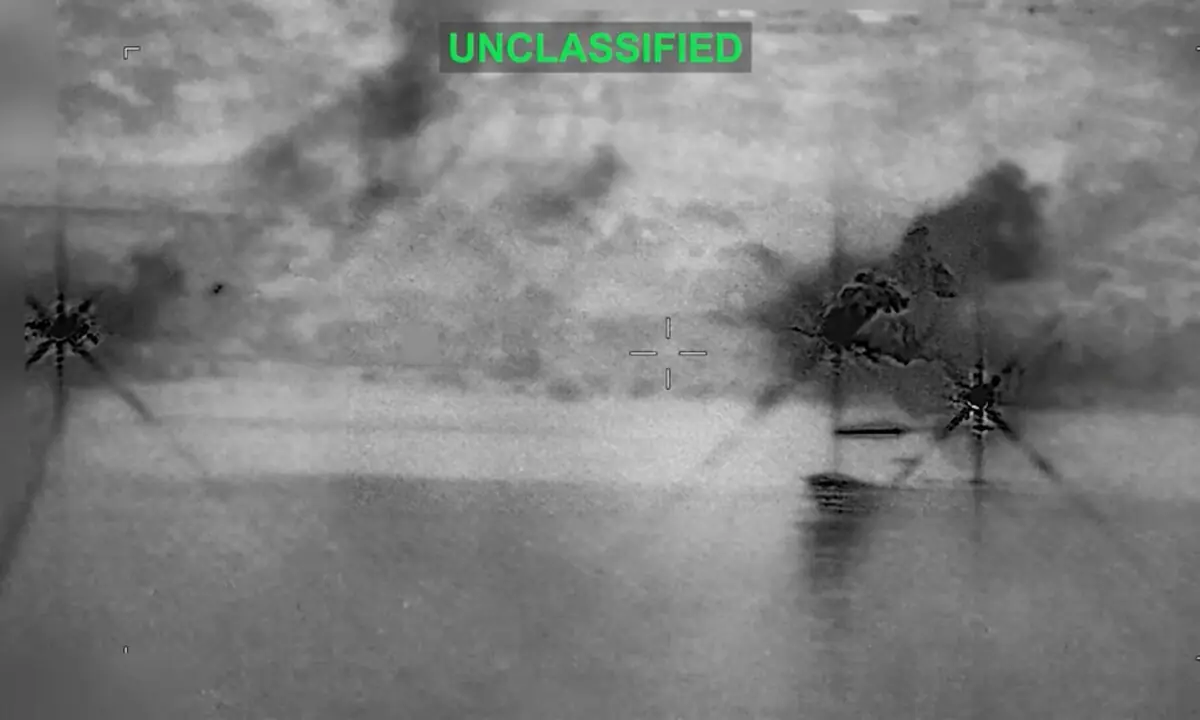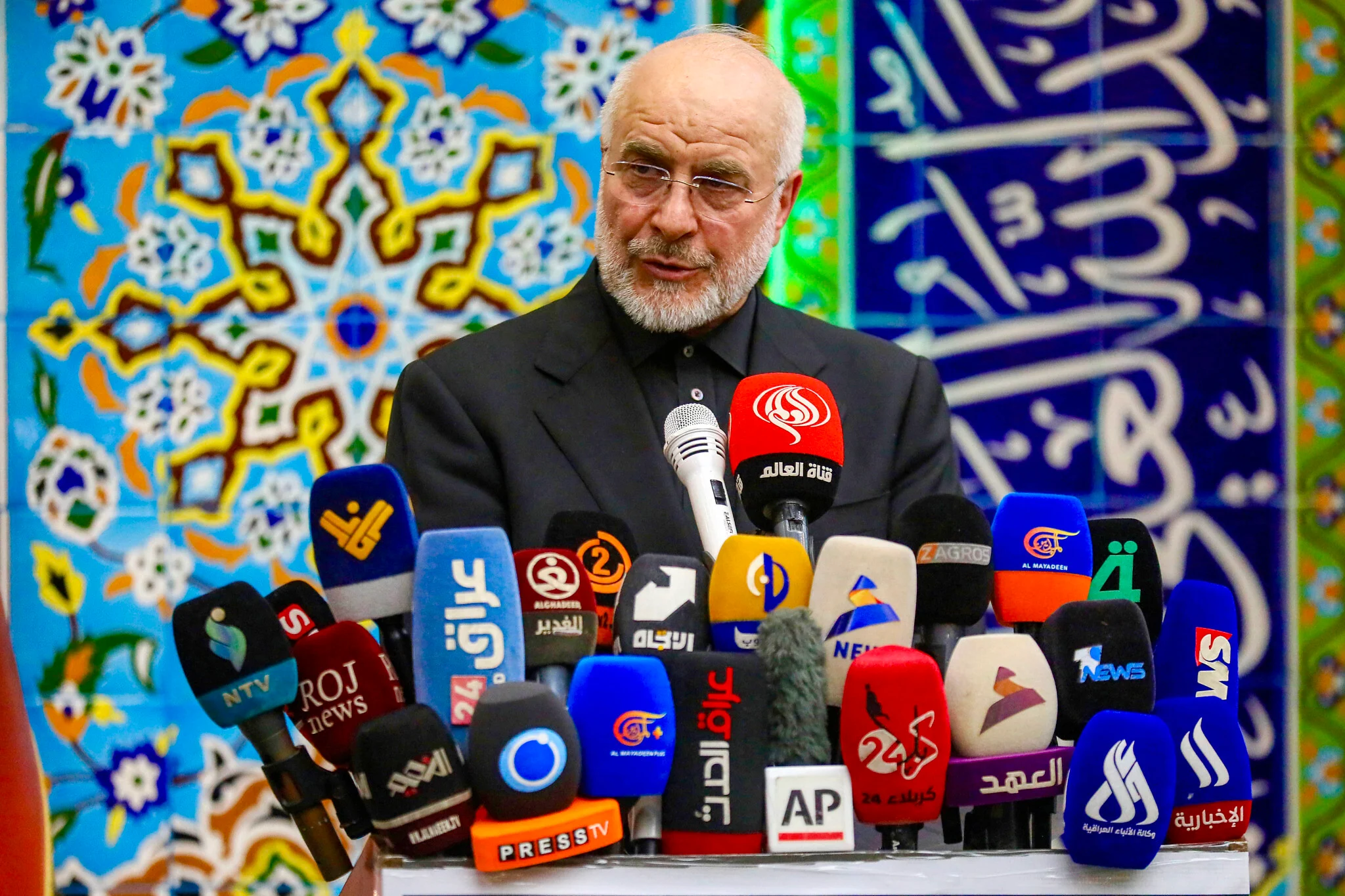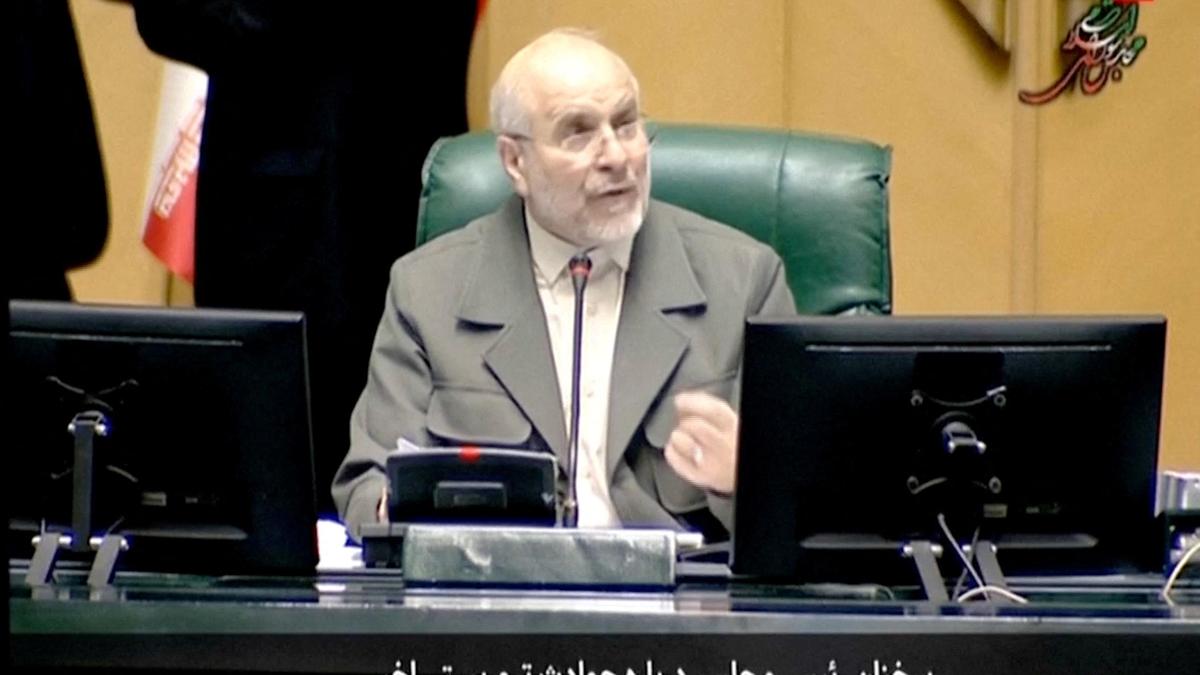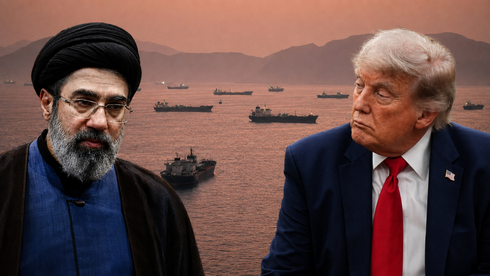
Tehran’s top military command accuses Washington of a ‘blatant act of aggression,’ while parliament speaker Mohammad Baqer Qalibaf says US strikes, oil sanctions and Israeli attacks in Lebanon violate a fragile MOUIran’s top joint military command vowed Wednesday to deliver a “crushing response” after accusing the United States of striking targets in southern Iran, while the speaker of Iran’s parliament accused Washington of major violations of a fragile memorandum of understanding meant to stabilize the widening conflict.Khatam al-Anbiya Central Headquarters, Iran’s top joint military command, said Iranian armed forces would respond to what it called a “blatant act of aggression” by the U.S. military. It also warned that Tehran would not allow U.S. interference in the management of the Strait of Hormuz, saying the only safe passage for commercial vessels and oil tankers through the waterway was the route determined by Iran, Reuters reported.GalleryMojtaba Khamenei, Donald Trump and the Strait of Hormuz (Photo: AFP)The warning came after the U.S. military launched a new wave of strikes against Iran on Tuesday and revoked a license allowing Tehran to sell oil, following projectile attacks on three tankers in the Strait of Hormuz. The escalation has placed new pressure on an already fragile ceasefire and raised fears that the conflict could again spill across the region.Iranian Parliament Speaker Mohammad Baqer Qalibaf also accused the United States of major violations of the MOU, citing U.S. attacks on Iran, renewed oil sanctions, threats of further strikes, what he described as violations of Iranian “adjustments” in the Strait of Hormuz and continued Israeli attacks in Lebanon.“The era of bullying and extortion is over,” Qalibaf wrote in a post on X. “We don’t fold.”The U.S. strikes followed attacks on three commercial vessels in the Strait of Hormuz, one of the world’s most sensitive energy chokepoints. Washington has described its military action as a response to Iranian aggression and a violation of the understandings reached under the ceasefire framework. Iran, in turn, says the U.S. strikes and renewed sanctions are themselves violations of the agreement.The confrontation is now expanding beyond the immediate maritime arena. U.S. Defense Secretary Pete Hegseth is expected to arrive in Israel Wednesday for his first visit to the country since taking office, as Washington and Jerusalem seek to coordinate policy amid the latest escalation with Iran.Hegseth is expected to meet Prime Minister Benjamin Netanyahu and Defense Minister Israel Katz. One of the aims of the visit is to ease Israeli concerns over a possible U.S. sale of advanced F-35 fighter jets to Turkey, an issue that has become more sensitive as the Trump administration tries to manage several regional fronts at once.US Defense Secretary Pete Hegseth (צילום: REUTERS/Stoyan Nenov)The timing of the visit underscores the broader pressure on the regional order. The U.S. is trying to enforce understandings with Iran, deter further attacks on shipping, maintain coordination with Israel and manage disputes with Turkey, all while the ceasefire framework remains under strain.For Israel, the latest Iranian threat strengthens the argument that the fronts remain connected. Escalation in the Strait of Hormuz affects U.S.-Iran understandings, those understandings affect Lebanon, and developments in Lebanon feed back into Israel’s confrontation with Hezbollah and Iran’s regional axis.Iran’s message Wednesday was aimed at more than Washington. By insisting that only Tehran can determine safe passage through the Strait of Hormuz, Iran is attempting to reassert control over the maritime arena at the center of the crisis. By linking the U.S. strikes, oil sanctions and Israeli action in Lebanon, Qalibaf also sought to frame the confrontation as a single theater rather than separate disputes.That framing mirrors the broader pattern visible since October 7: Gaza, Lebanon, Iran and the maritime front remain tied to one another diplomatically and militarily. The battlefield may shift from one arena to another, but the pressure is being applied across the system.The immediate question is whether Iran’s promised response will remain rhetorical or trigger another round of attacks. Any Iranian action against U.S. forces, Israeli targets or commercial shipping could further weaken the ceasefire and force Washington into a broader military response.For now, both sides are accusing the other of violating the understandings meant to prevent exactly that scenario. The result is a ceasefire that exists on paper, while the region continues to move as if the war never truly stopped.Comments
Iran vows ‘crushing response’ as US strikes threaten fragile ceasefire
Tehran’s top military command accuses Washington of a ‘blatant act of aggression,’ while parliament speaker Mohammad Baqer Qalibaf says US strikes, oil sanctions and Israeli attacks in Lebanon violate a fragile MOU
715 words~3 min read