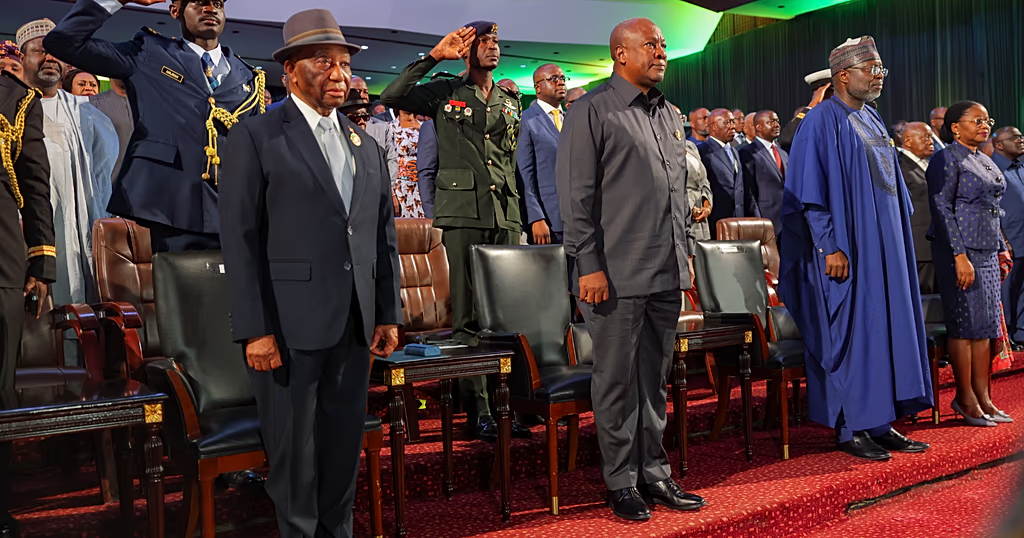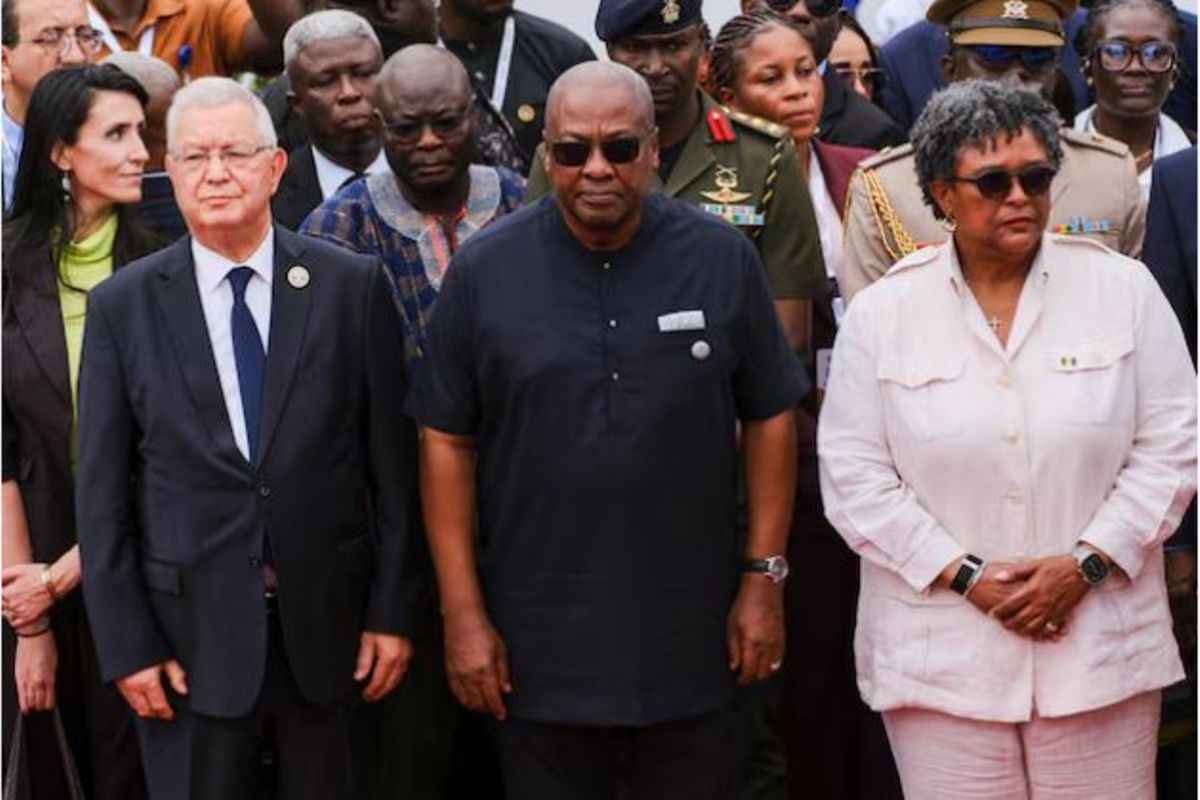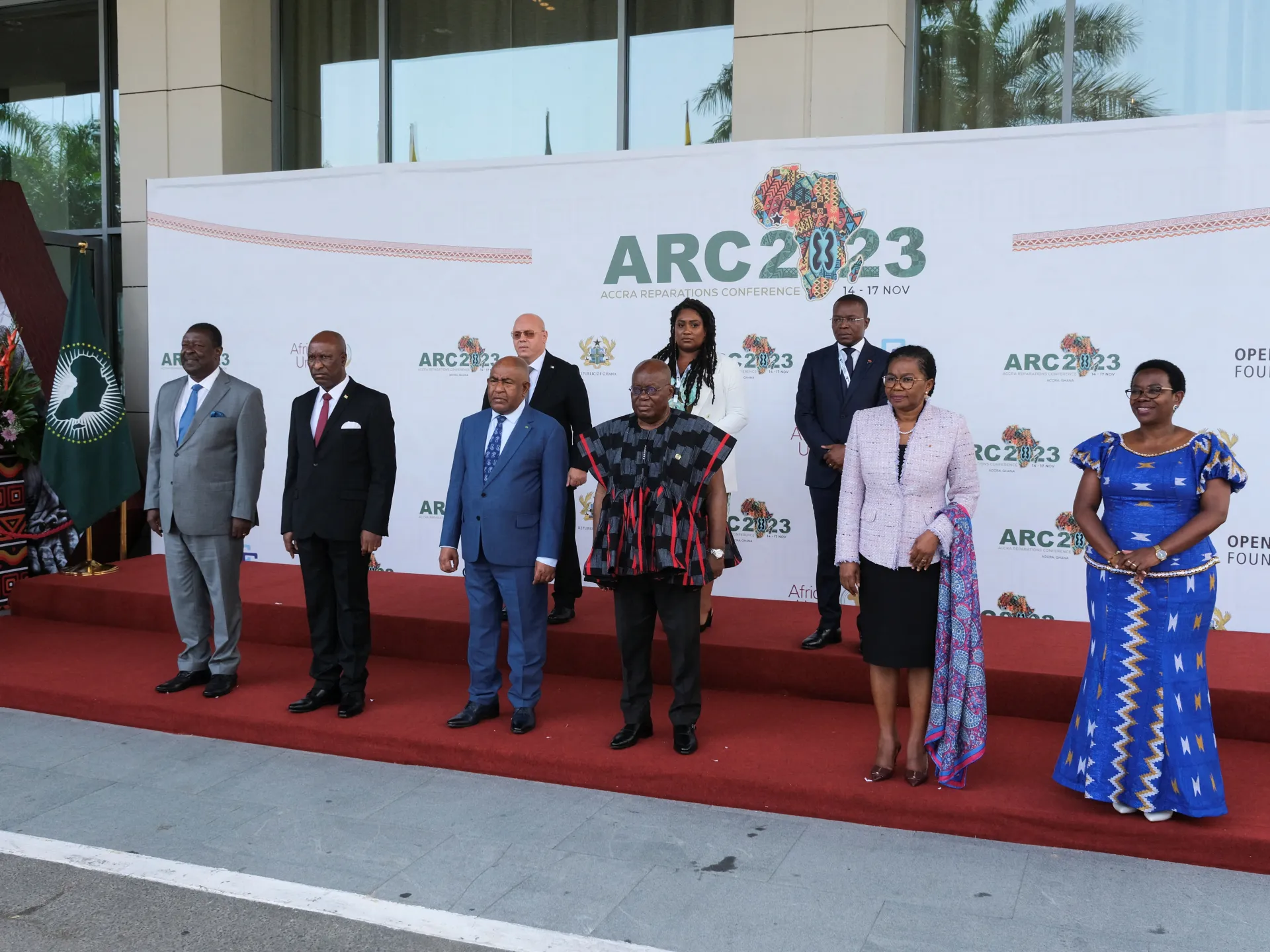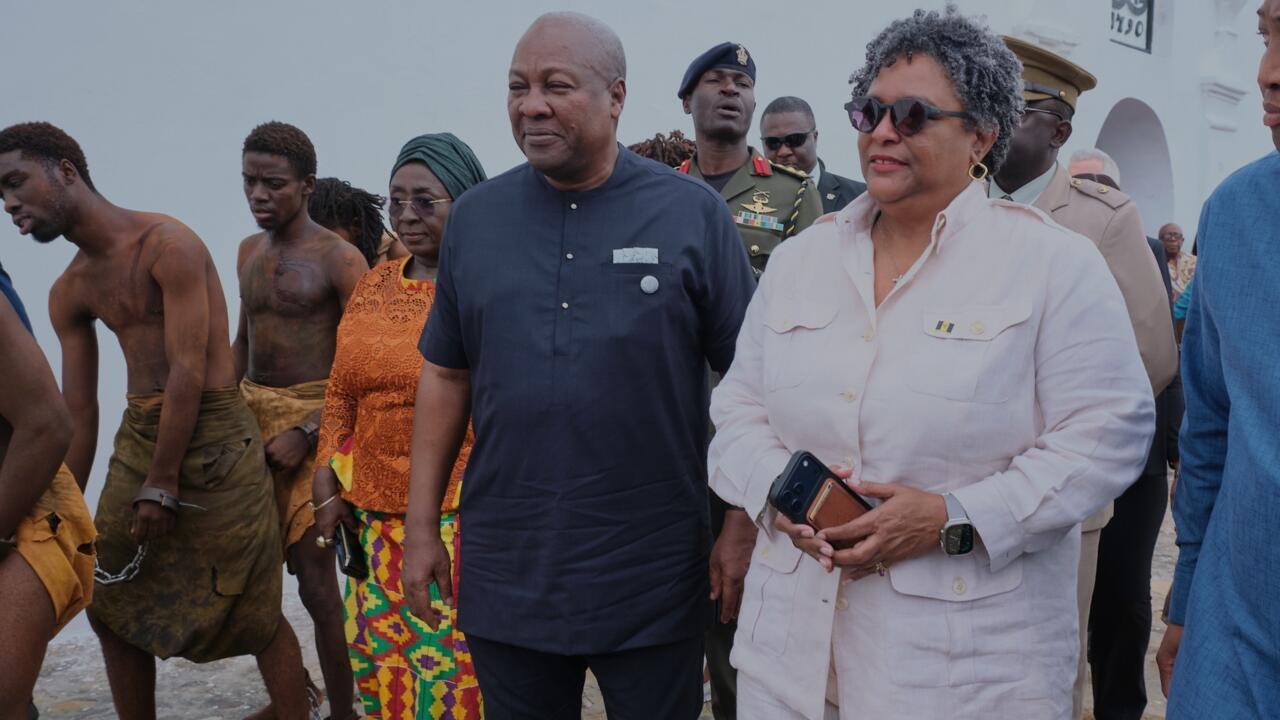
Ghana recently hosted a conference on Africa’s next steps following the landmark United Nations (UN) resolution declaring the trafficking of African slaves as the ‘gravest crime against humanity.’ Ghana led the process to secure the resolution’s passage and, at the June conference, sought to map out an AU reparations implementation plan.
However, like earlier AU reparations instruments adopted since the 1993 Abuja Proclamation, the conference commitments do not provide a comprehensive definition of reparations. They articulate the objectives, guiding principles and main forms of reparatory justice while leaving the concept itself undefined.
This omission may be due to the reparations agenda’s political nature and evolving character, but an unclear definition enables continued objections to the movement. Critics often challenge individual measures such as monetary compensation, as though they define reparations as a whole, and treat symbolic measures like apology or memorialisation as sufficient. Accordingly, debates frequently focus on types of reparation rather than the broader concept of reparatory justice.
A comprehensive definition, constructed from five mutually reinforcing elements rooted in African conceptions of restorative and transitional justice – most inferred from relevant AU instruments – could provide greater conceptual clarity.