Gold is supposed to love chaos. War breaks out, investors panic, and the metal that has served as financial comfort food for centuries usually rallies. So when gold actually fell after US airstrikes on Iranian targets, markets noticed something more complicated was happening.
The short version: military escalation raised inflation fears, which raised rate hike fears, which made gold less attractive. It is a logic chain that matters for anyone holding hard assets right now, digital or otherwise.
What happened and why gold’s usual playbook broke down
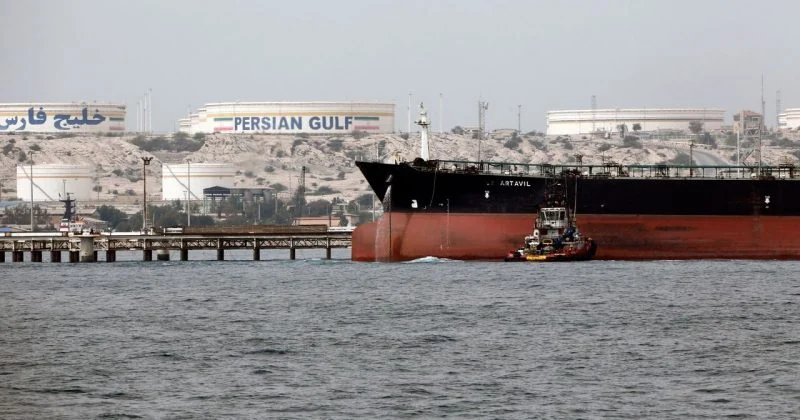
US airstrikes on Iranian targets in late May and early June put significant pressure on oil supply routes, particularly around the Strait of Hormuz, a chokepoint that handles roughly 20% of global oil trade.
When oil gets disrupted, energy prices rise. When energy prices rise, inflation follows. When inflation becomes a problem, the Federal Reserve starts talking about rate hikes. And when rate hikes enter the conversation, gold, which pays no yield, becomes a less compelling place to park money compared to interest-bearing assets.